Denver to get $9 million grant to obtain drug overdose data
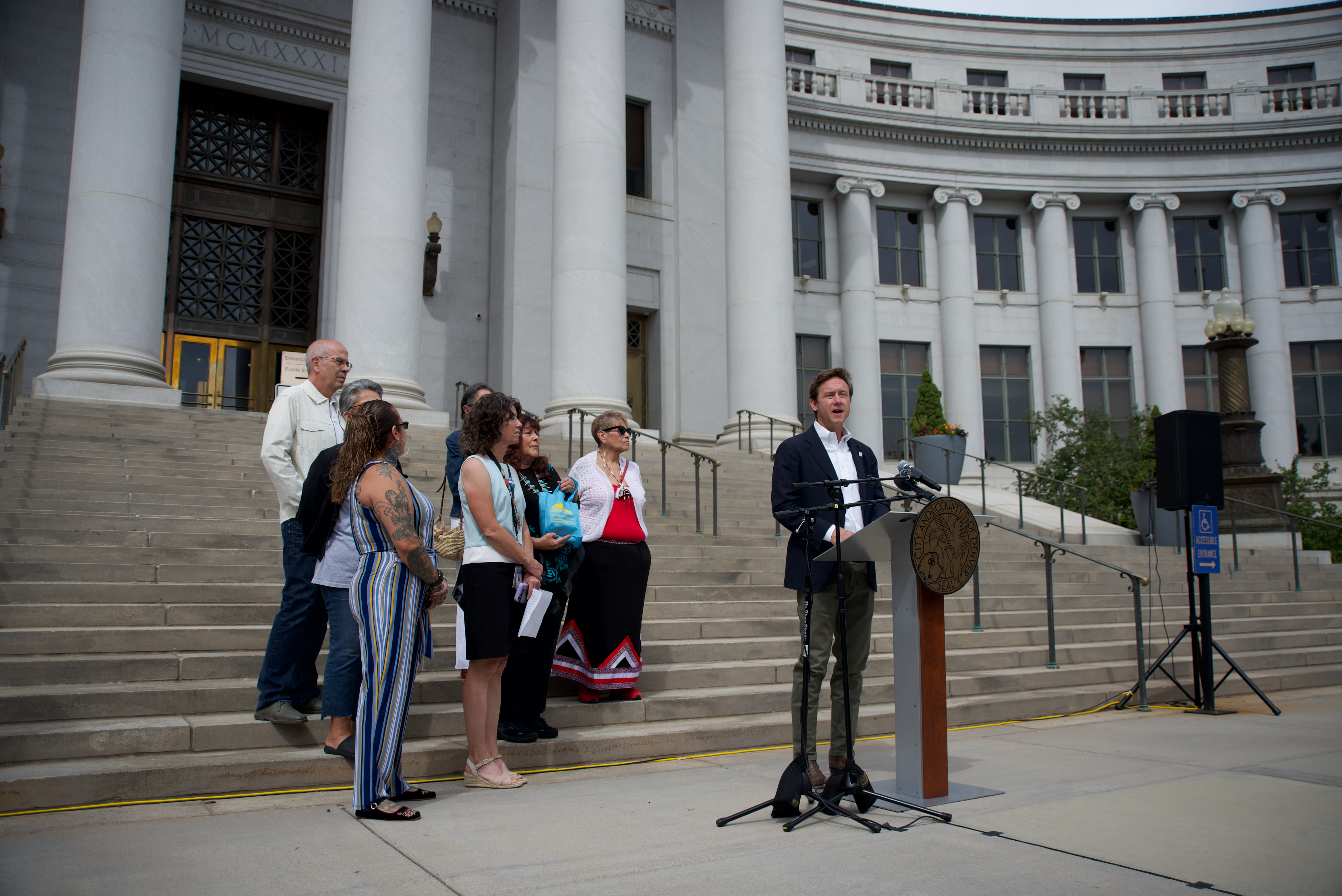
Denver received the first installment of roughly $9 million in grant funding from the U.S. Centers for Disease Control and Prevention designed to obtain more data and help in the campaign to reduce overdoses throughout the city, officials said.
The annual grant — the funding will last five years — comes out to $1.8 million. Officials said the money will help the city collect more data on overdoses, less so for actual substance treatment or similar programs.
The Johnston administration disclosed it is specifically targeting certain demographics to help. Officials said the grant is meant to link trends in data with tactics tailored to local communities. They also said it would pay for new prevention and “harm reduction” interventions, build on existing programs and support community partners.
More specifically, officials want to earmark the grant funding with a racial eye, specifically toward populations they said have been disproportionately hard hit by overdoses, including minorities — such as Blacks, Native Americans and Indigenous people — and homeless people.
While it will not come from the city’s general fund budget, the grant money adds to the hundreds of millions of dollars that the Johnston administration has spent in his campaign to curb homelessness. The city’s drug overdose crisis has hammered the homeless population particularly hard — some 38% of overdose deaths in Denver last year were homeless people.
More recently, there has been some shift in the emphasis by city officials toward addiction treatment, although the federal funding is among the first significant dollars specifically allocated recently toward fighting overdoses.
Called the Overdose Data to Action, the federal grant is designed to help cities gather data on overdoses and give them “flexible resources to improve and create local prevention activities,” according to the CDC.
Denver’s Department of Public Health and the Environment will partner with the University of North Carolina at Chapel Hill and others to improve drug detection, including fentanyl, on needles collected by the city’s syringe access program, officials said.
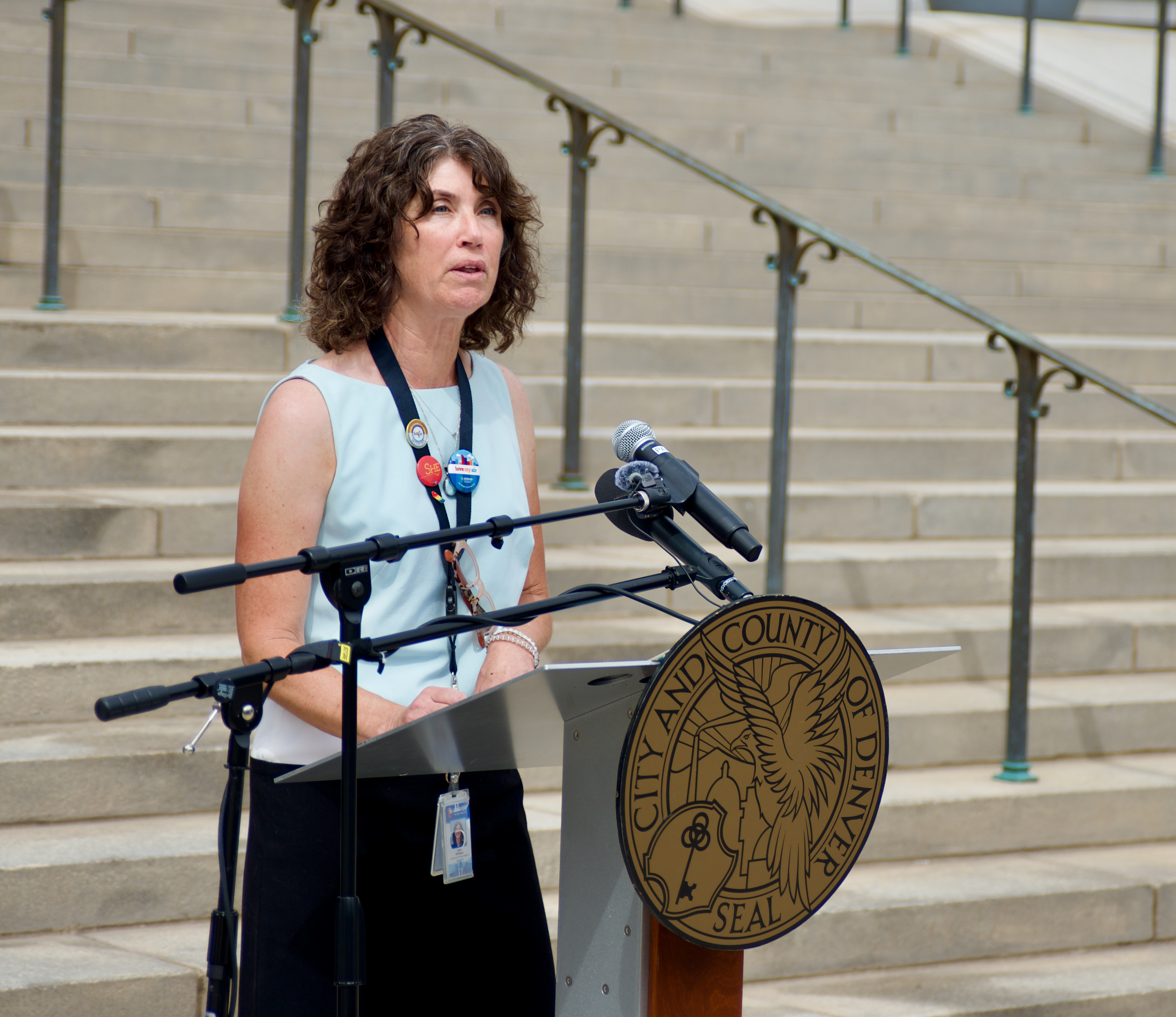
“The OD2A grant will not get to the heart of the why we have a substance misuse crisis in our community — the why is an individual story — but we are hoping the OD2A grant can help us with the what, where, when and how,” city health agency director Karin McGowan said. “With this $9 million grant, we will collect more robust data about overdoses and overdose deaths and partner with harm reduction providers to monitor and test the illicit substance supply in our community.”
Roughly half of the grant money will go towards funding community based partners, which will help the city in the ongoing fight against overdoses, she said.
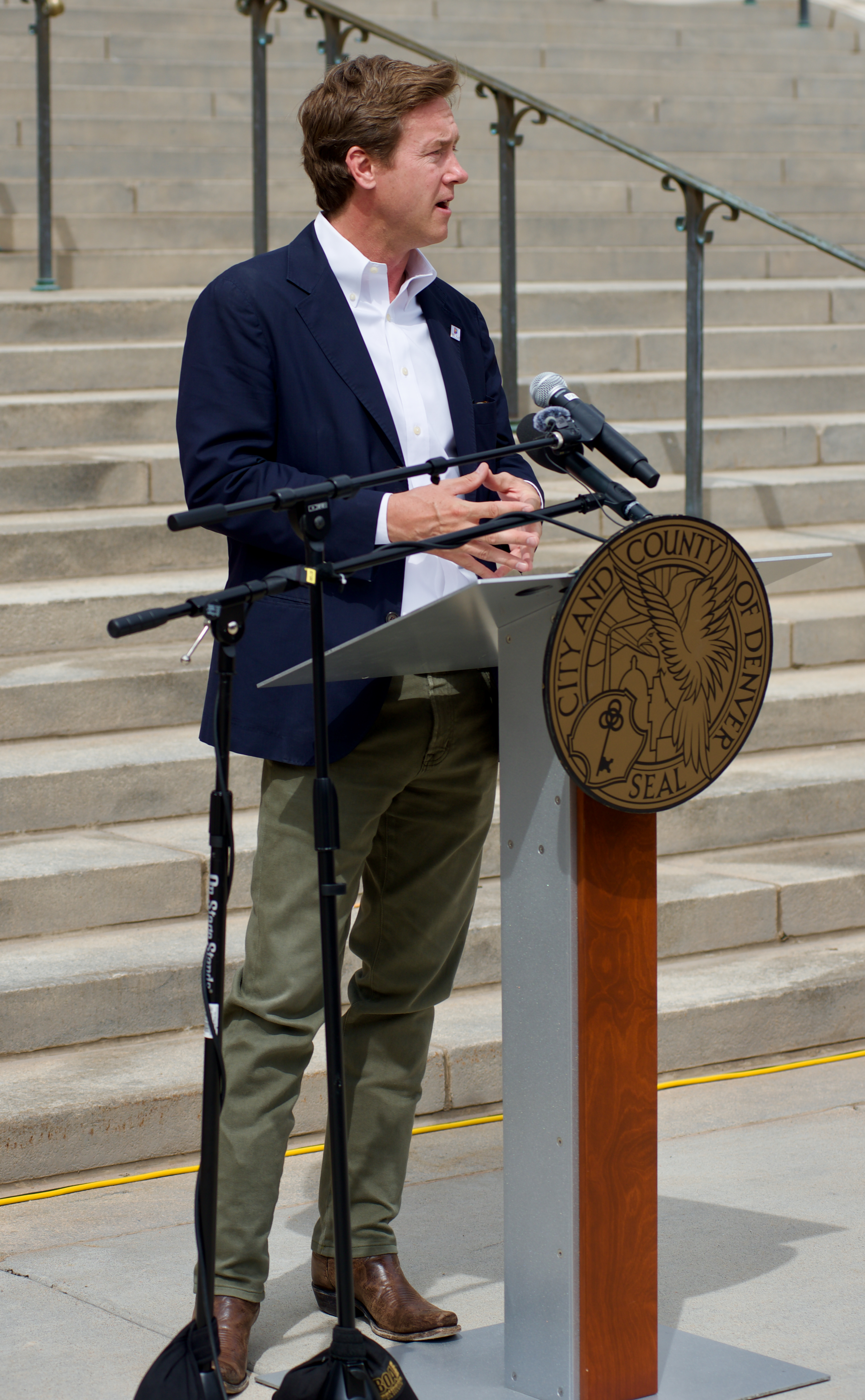
While the city has made progress in reducing overdose deaths, Johnston said it is not enough and the city is committed to using the money to “do more faster” for “all the folks that need us.”
“Many of us have folks that we know and have loved that we have lost to overdose,” Johnston said. “Last year, we lost almost 600 people in the city to overdose … We are on a path to reduce that number by about 15% this year — thanks to the incredible work of the DDPHE team.”
Just like the rest of the country, Denver — and Colorado — are grappling with fatal overdoses.
Bucking a national downward trend, more people died from drug overdoses in Colorado from December 2022 to December 2023 than the previous one-year period, a sobering reminder that the crisis is still hammering the western states while showing signs of easing in the east.
Colorado saw a 5.8% spike in the “predicted” data of overdose deaths, ranking it No. 7 among the states with the highest rate of increases, up three spots since a May report. The “predictive” method takes into account and adjusts for incomplete, provisional drug overdose data, which often undercounts the final numbers.
The Centers for Disease Control predicted 1,932 overdose deaths in Colorado between March 2023 and March 2024. The same dataset showed a peak of 1,960 overdoses in the state in February of 2022.
In February 2023, five people were killed in Commerce City as a result of fentanyl overdoses. No charges were filed in what was believed to be the most lethal single instance of fentanyl overdose in the country.
Anecdotal stories point to an aggressive drug peddling operation in Colorado.
In June, Denver police arrested three people after raiding a home in Aurora and found pill making presses and other pill making equipment that could produce up to 20,000 pills per day.
Also in June, the Colorado Drug Enforcement Administration seized 570,000 pills over the course of one week, many disguised to look like prescription drugs. This amount represented more than 20% of all seizures in 2023.
Some of the city’s partners are tackling the campaign via a racial lens.
Some nonprofits — such as Promotores de Esperanza, which is dedicated to delivering “racial and ethnic health equity” — are taking things a step further and partnering with local, “non-traditional” businesses. The group said it is working to expand access to the lifesaving drug naloxone, commonly known by its brand name Narcan, which can reverse the effects of an opioid overdose.
The group said it has partnered with Spanish speaking nightclubs, dispensaries and small business owners to build and fill naloxone cases, offering free doses of the drug.
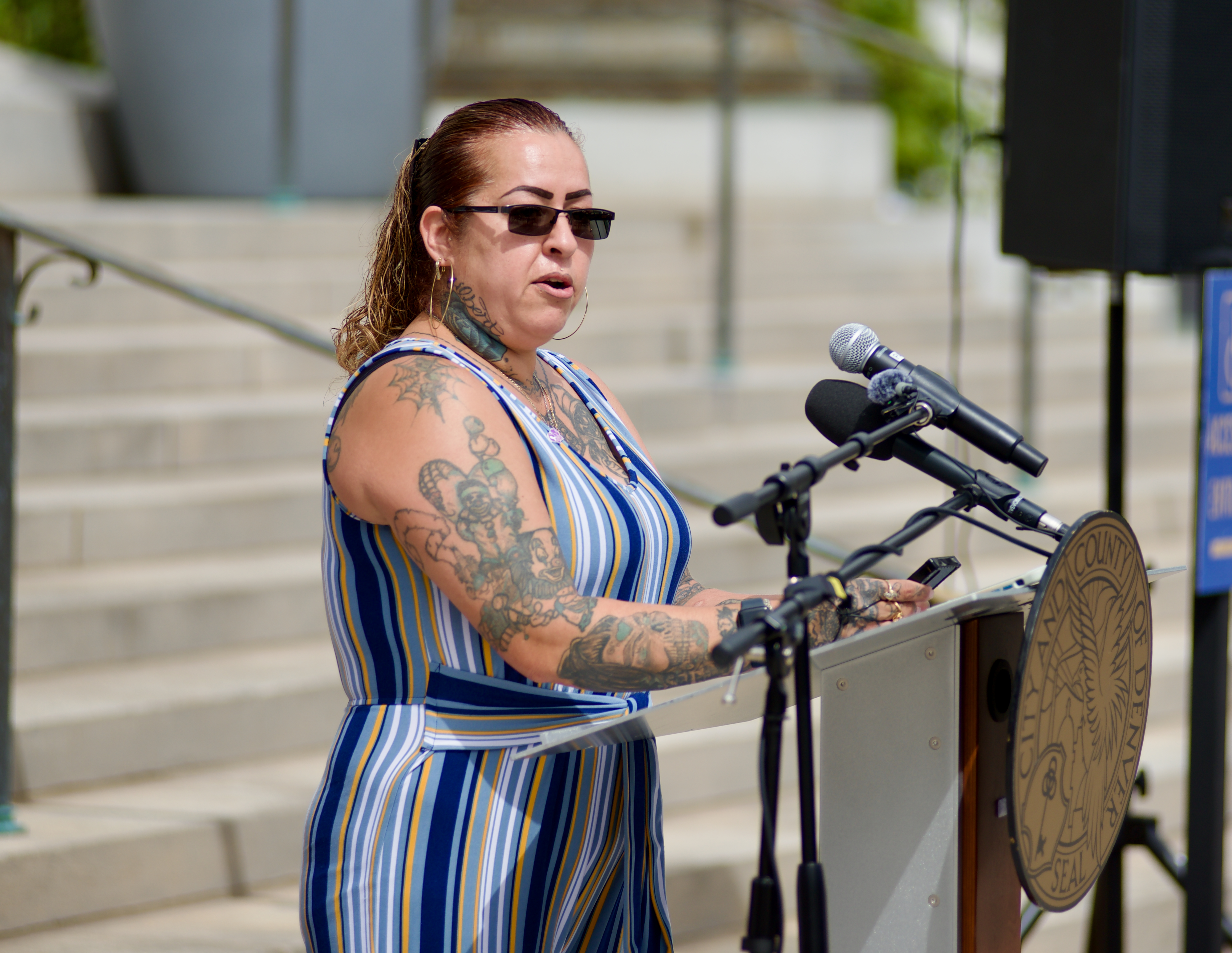
Rica Rodriguez, the director of Promotores de Esperanza, described employees as “boots on the ground” responding to the overdose crisis.
“Our display cases hold 22 doses of naloxone, which we are filling on a weekly basis, and that’s a lot of naloxone that is hitting our streets and touching our communities,” Rodriquez said. “On a daily basis, we are distributing free naloxone and free testing strips, as well as education around those items.”