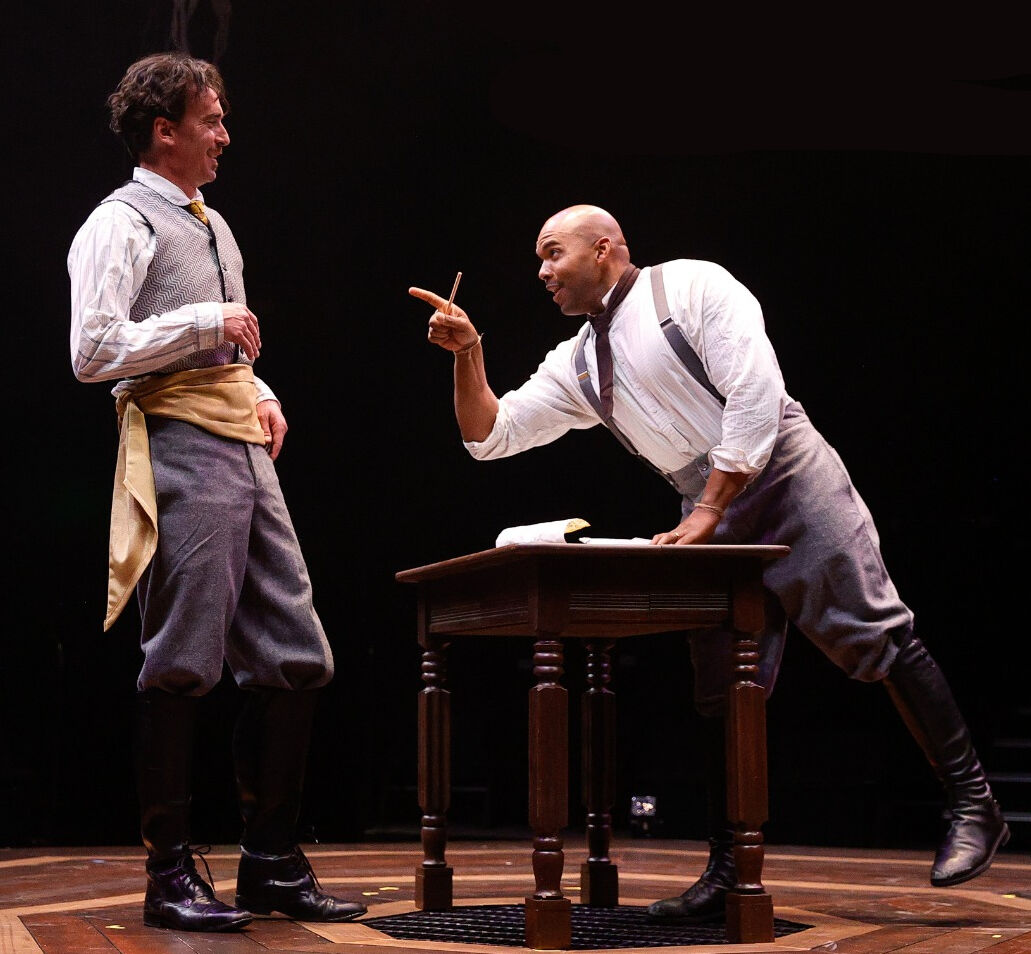
For busy Shakespeare actor, it’s double the toil and trouble
Lavour Addison is set to open Colorado Shakespeare Festival's 66th season as Macbeth


Decorated Colorado actor Lavour Addison is no stranger to monsters or monster roles – just not so often at the same time.
Addison just finished an eviscerating turn as the famously deceived Othello for Colorado Springs Theatreworks. Two stirs of a witch’s brew later, he’s set to open the Colorado Shakespeare Festival’s 66th season in Boulder on Sunday by playing the bloodthirsty Macbeth.
Surely few have ever taken on the brutal challenge of playing these two fallen generals back-to-back. Addison is clearly not playing at the characters he’s playing right now.
Addison’s Othello was presented as a Black Civil War general – serving for the South, which allowed us to see Iago’s lethal gamesmanship (and Othello’s subsequent murder of his wholly innocent wife) as the easily manipulated demise of a dupe who is despised by all around him because of his race.
And Macbeth, of course, takes a random prophecy from a trio of weird old ladies in the woods as permission to go on one of the bloodiest killing sprees in literary history. (Body count: 10.)
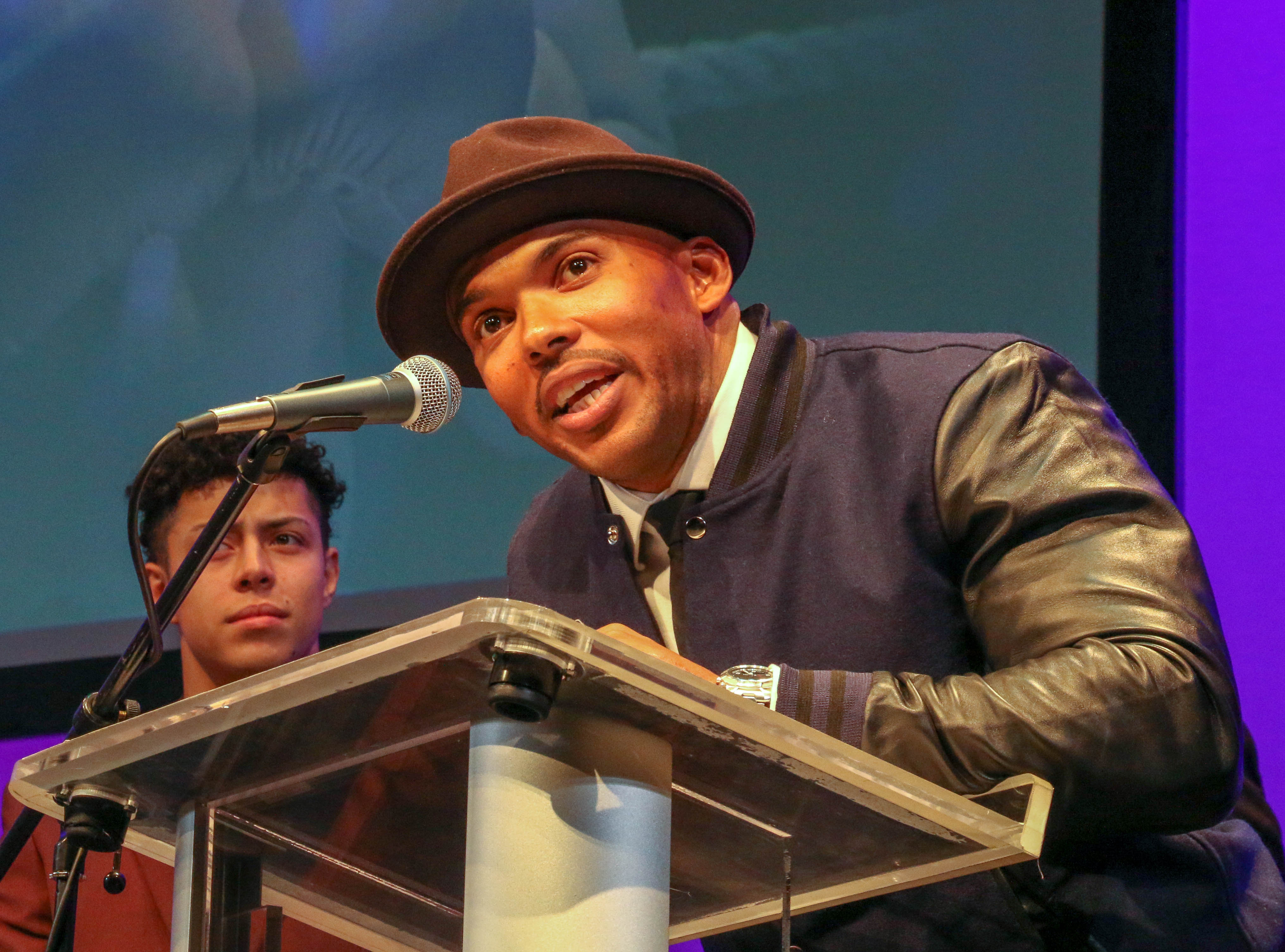
For Addison, memorizing the more than 1,500 lines between the two roles wasn’t the hard part. “It’s the pressure of finding the different aspects within myself that will give an honest portrayal of both these characters,” he said. “That’s what I’m up against.”
Playing the bad guy (in this case, the really bad guy) doesn’t intimidate Addison. After all, it was seeing an actor play Iago that made him want to be an actor when he was in high school.
“I grew up watching pro wrestling,” Addison said, “ and there was a point in the ‘90s when the audience started booing at the good guys and cheering for the bad guys,” he said.
Of course, that was before Addison and wife Brittni welcomed both a daughter and son into the world through two harrowingly complicated deliveries. Now he’s playing a king who orders the massacre of wives and children.
“So much of my thoughts on this play have changed since having kids,” Addison said.
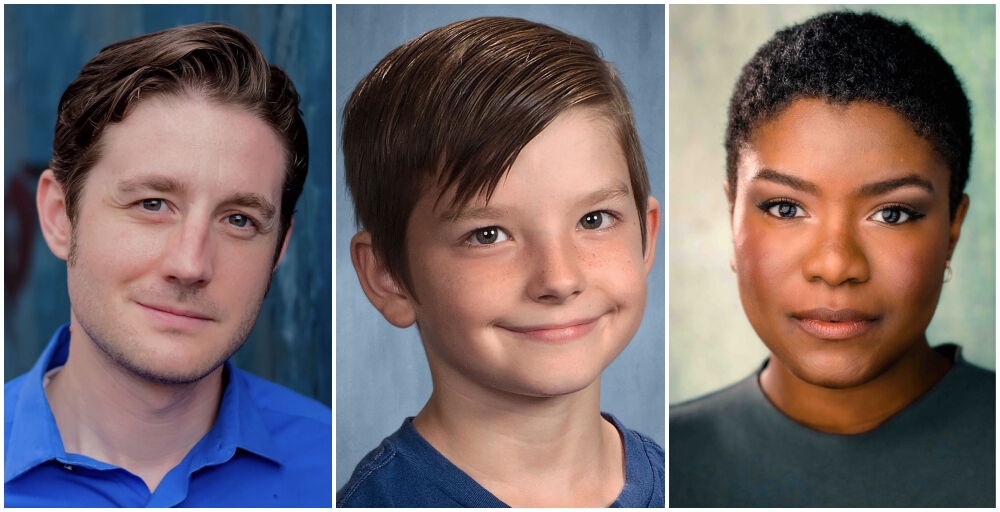
That’s small comfort to friend and castmate Sean Scrutchins, who plays Macduff. Scrutchins’ real-life son, Liam, plays his son in the play as well, and – spoiler alert – the kid probably makes it home before bedtime.
Scrutchins has done it all on Denver stages – except having to watch his real-life son get offed on the stage every night.
“I’ve never experienced this ebb and flow of emotions before in my life,” Scrutchins said. “I feel a consistent sense of pride and awe in Liam – with sudden cold shocks of grief and terror from the scene’s circumstances.”
It’s all a lot to ask of Addison, who has only had three weeks to refill his Shakespearean tank since leaving it all out on the Civil War battlefield (and Desdemona’s neck) in “Othello.”
“What I have been finding recently is that the universe, or God, or whatever it is you believe in, drops down everything you will need to get through,” Addison said. “I feel if I’m open to it and aware of it, that helps me to tap into what I feel these men are going through.”
Stirring up the ghosts
The Colorado Shakespeare Festival pokes at the ribs of its own ghosts whenever “Macbeth “ comes back up in the repertory. Perhaps the company’s two most controversial productions – maybe ever – have been previous stagings of “Macbeth.”
In 2013, director Jane Page set the story in Afghanistan during the Soviet Union’s invasion, and (some) audience members went off when we saw Macbeth’s thugs set Macduff’s kids on fire.
But it was the 2002 “Macbeth” that remains a forever sore spot in CSF lore. That’s when a White director set the story in Africa as a way to present Shakespeare’s blatant condemnation of the corrupting power of unchecked ambition from a primarily Black perspective.
Jeffrey Nickelson, the late founder of Denver’s Black Shadow Theatre Company, was cast in the title role. He initially thought the concept was a courageous step for the company to take, especially because it created more employment for actors of color than in any preceding CSF season. But as the opening approached, Nickelson came to see a problem with the stage picture they were creating, and what that might communicate. Namely, that the audience might draw some unintentional correlation between absolute, unapologetic evil and issues of race. Which would be regrettable, given that Macbeth’s ambition-driven downfall makes him perhaps the most universal character in Shakespeare’s entire canon. Nickelson walked away from the role days before opening.
Addison was about as old then as Scrutchins’ son is now, but a lot has changed since 2002 – and he, for one, can’t wait for Sunday.
“For me, I feel like I need this role, and I am thrilled that I now finally get the chance to be ruthlessly ambitious and go for what I want,” he said. “People will absolutely see race – but at the end of the day, I’ll tell you what: I want to get my shine!”
A season like no other
The Colorado Shakespeare Festival is the second-oldest of its kind in the nation, but this summer it is presenting only two mainstage plays, both of them indoors at the university’s Roe Green Theatre. The University of Colorado’s iconic, 1,000-seat Mary Rippon Amphitheatre (and the surrounding classroom buildings) are undergoing a makeover that will stretch into the summer of 2025.
That means “Macbeth” and “The Merry Wives of Windsor” (opening July 7) are inside, as well as the company’s annual one-night only “Original Practices” offering – this year “Arden of Faversham” on Aug. 6.
One benefit of a two-show season: The company will feature “double-header Sundays,” when patrons can see the two different offerings on the same day.