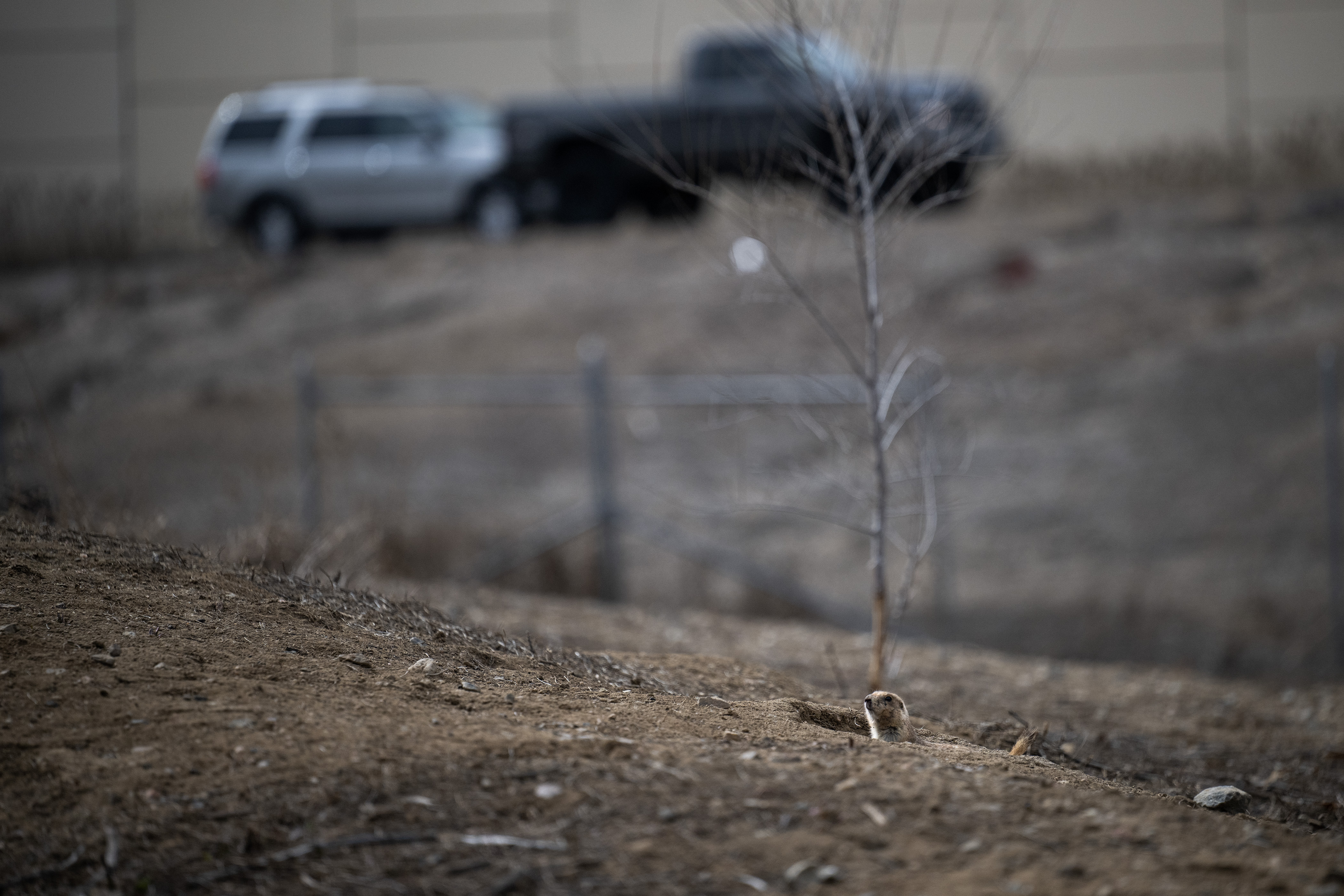
Someone in South Denver seems to be poisoning prairie dogs, but nobody knows who
Prairie dogs are being poisoned in a South Denver area popular for kids playing and people walking dogs
Someone seems to be poisoning prairie dogs in South Denver, but nobody knows who.
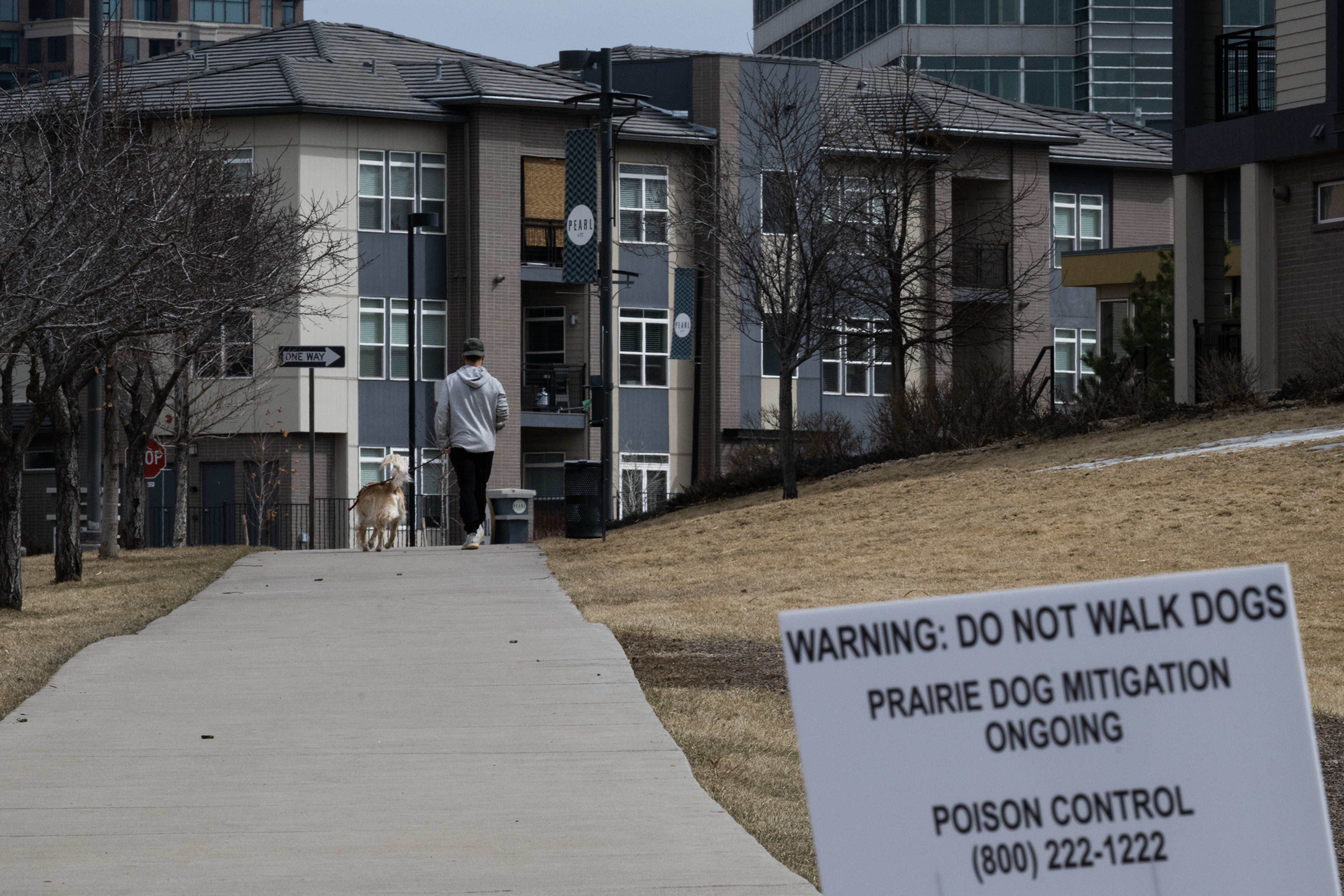
South Denver resident Michael Burke has walked his dog in the Denver Tech Center area, just west of Cherry Creek State Park, for decades. Burke is one of many area residents who use the walking trails and grassy areas to walk dogs and take children to be outside, he said.
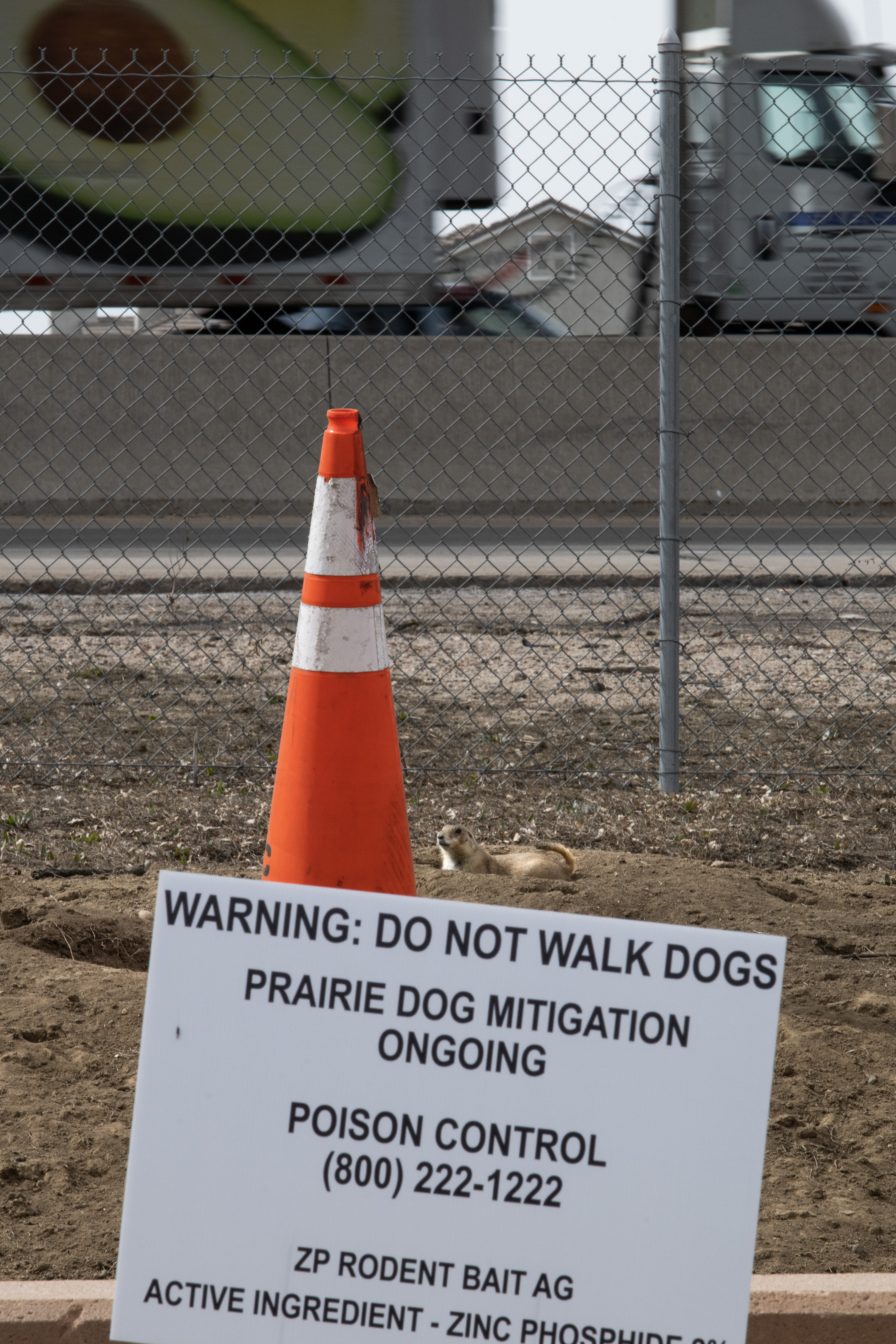
Recently, however, Burke noticed new signs posted along the walkway. The signs read “warning: do not walk dogs, prairie dog mitigation ongoing,” followed by the phone number for Rocky Mountain Poison Center and the name of a deadly poison: zinc phosphide.
The company’s name is not on the sign, only “ZP Rodent Bait AG.”
Enraged that anyone would use a deadly poison in an area frequented by people and their pets, Burke called the businesses in the area. Nobody seemed to know who put the signs out or why.
“This is a very serious issue,” Burke said. “My dog walks there and kids play there.”
Burke also voiced concern for other wild animals in the area, as the poison could spread to animals who eat the prairie dogs.
The phone number listed on the signs rings the Rocky Mountain Poison Center (RMPC), but they are unaware of who put the signs up, according to Director Shireen Banerji.
“I can only guess it was placed there for contact information in case of accidental pet or human exposure to the zinc phosphide,” Banerji said. “Our specialists can provide guidance in this scenario.”
All rodenticides distributed in the U.S. have to be registered with the Environmental Protection Agency, Banerji said.
Zinc phosphide is considered a “restricted use pesticide” by the EPA, Banerji said, meaning it can only be applied when following state rules, restrictions and limitations.
“It would be concerning if a dog were to ingest any of the rodenticide pellets containing zinc phosphide,” Banerji said. “I would advise keeping pets (and humans) away from the treated areas. As it can kill prairie dogs, it can harm other animals who may ingest it.”
The signs are located on land near the DTC, but the center didn’t put them there either.
Peter Culshaw, the executive vice president of Shea Properties, which owns much of the DTC, said the company doesn’t own that property and is not involved.
“We wouldn’t do that,” he said.
Shea had a prairie dog problem years ago, Culshaw said, and tried companies that used various techniques, like sucking the prairie dogs into a holding container and using water to flood the dogs to the surface for capture, but none of them worked.
“There really is no good solution,” Culshaw said.
Now that much of the land Shea owns in the area is developed, he said they don’t have a problem with prairie dogs anymore.
Pearl DTC Apartments, also located right next to the signed area, did not put the signs there and doesn’t know who did, a spokesperson said Friday.
Denver Department of Health and Environment (DDPHE) spokesperson Emily Williams said the department is unaware of the use of poison in the area and had not heard about it until Burke brought it to their attention.
The use of zinc phosphide to mitigate prairie dogs is considered a violation of a Denver city ordinance, Williams said.
The ordinance reads:
“It shall be unlawful for any person to poison any domestic animal in any manner whatsoever with the intent or for the purpose of poisoning such animal. This prohibition shall not apply to the destruction of those animals identified by the executive director as requiring eradication for the protection of the public health. Such eradication may include poisoning only when deemed necessary by the executive director.”
Without explicit permission from department, the person or company who applied the poison can be charged, Williams said. Violations of the ordinance can include fines of up to $999 and/or up to 300 days in jail.
Department officials started an investigation into the illegal poison use, Williams said.
“Denver Animal Protection officers are currently investigating this case and if they find the substance was applied, as indicated in the signage, the person who applied the substance will be charged,” Williams said.