







Boulder prosecutors in King Soopers massacre case want law enforcement investigation records unsealed, but publicly inaccessible
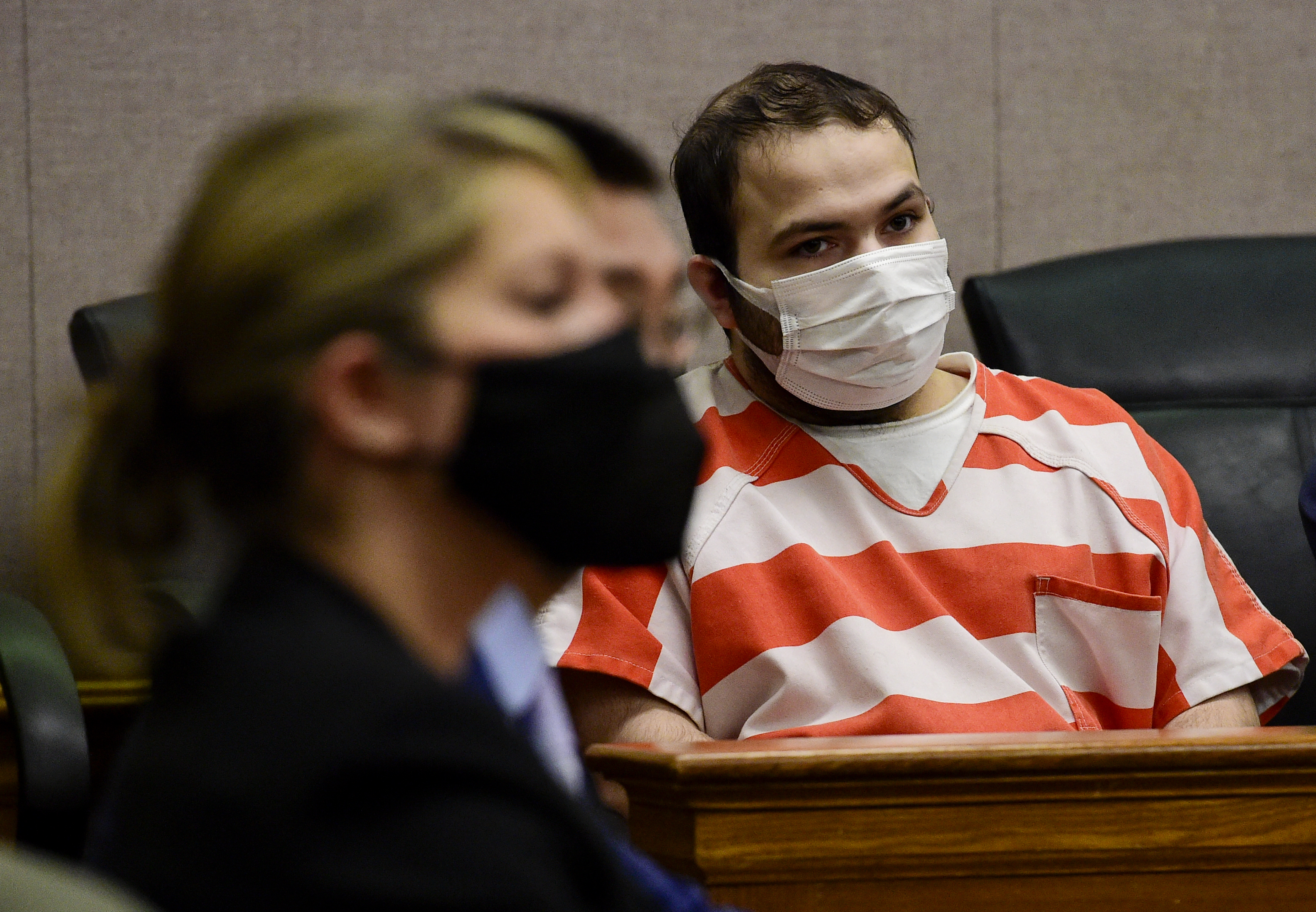
The Boulder County District Attorney’s office has requested a judge unseal all search warrants and requests for records by law enforcement in the case against the man accused in the 2021 King Soopers mass shooting in Boulder — but keep them hidden from public view until the criminal case concludes.
In an Oct. 26 motion, prosecutors wrote they seek to have the warrants and requests unsealed because the law enforcement investigation has largely finished and the case is moving forward. But they fear investigation of information in the records and interviews of witnesses by the press or other members of the public would taint the case’s potential jury pool.
“Wherefore, the People request that court unseal all warrants and requests related to this matter, but because defendant’s right to a fair trial and an impartial jury in this matter is paramount, this court should issue an order in accord with Rule 55.1(a)(6) and ultimately determine that the warrants and requests should remain inaccessible to the public until the jury trial in this case is held and the prosecution of defendant is completed,” prosecutors wrote in the motion.
Shannon Carbone, a spokesperson for the district attorney’s office, said in an email she expects information from the warrants to be introduced during public proceedings of the case, including a probable cause hearing scheduled next week, other hearings and the defendant’s trial. If the judge grants the motion to unseal the warrants, defense attorneys would have access to them, she wrote.
“I want to emphasize that all of the evidence and information will be covered in open, public court proceedings,” Carbone wrote.
Under Colorado’s Rule of Criminal Procedure 55.1, criminal case records are presumed to be accessible to the public. But a judge who grants a motion to seal or suppress any part of a criminal court record has to explain their reasoning in a public written order, identifying the “substantial” interests served by either making the record inaccessible or only a redacted copy available.
The judge also has to find that those interests outweigh “the presumptive public interest” in making the records accessible and that suppression is the least restrictive way to protect the interests, according to the Colorado Freedom of Information Coalition.
Ahmad Al Aliwi Alissa, 24, also has a hearing scheduled next week for a judge to determine if prosecutors have enough evidence to take their case against him to trial.
He was declared mentally fit to face the case against him by Judge Ingrid Bakke earlier this fall.
The defendant is accused of killing 10 people on March 22, 2021 at King Soopers on Table Mesa Drive in Boulder. He faces more than 100 charges and sentence enhancers, including first-degree murder, counts of attempted murder and charges related to possessing banned high-capacity gun magazines.
The victims killed were: Denny Stong, 20; Neven Stanisic, 23; Rikki Olds, 25; Teri Leiker, 51; Suzanne Fountain, 59; Kevin Mahoney, 61; Lynn Murray, 62; Jody Waters, 65; Tralona Bartkowiak, 49; and, Boulder Police Officer Eric Talley.
The defendant has undergone treatment at the Colorado Mental Health Institute in Pueblo since late 2021, after several evaluations found him mentally incompetent to stand trial, which put the case against him on hold. Doctors have diagnosed him with schizophrenia. Earlier this year he began receiving medication forcibly, and state doctors opined in August he was competent.
Experts for prosecutors and defense attorneys gave competing testimony at a hearing in September for Bakke to determine whether Alissa is mentally fit for his case to move forward. His defense attorney argued him showing improvement once he received the right medications didn’t mean he had returned to competence.
Although a preliminary hearing is not a trial, both prosecutors and defense attorneys have the chance to present witnesses. The case’s judge decides whether there is probable cause, meaning more likely than not, the defendant committed the crimes charged.
This story has been updated to include a statement from the district attorney’s office.