







Forest Service promotes sustainable Christmas tree cutting and forest management
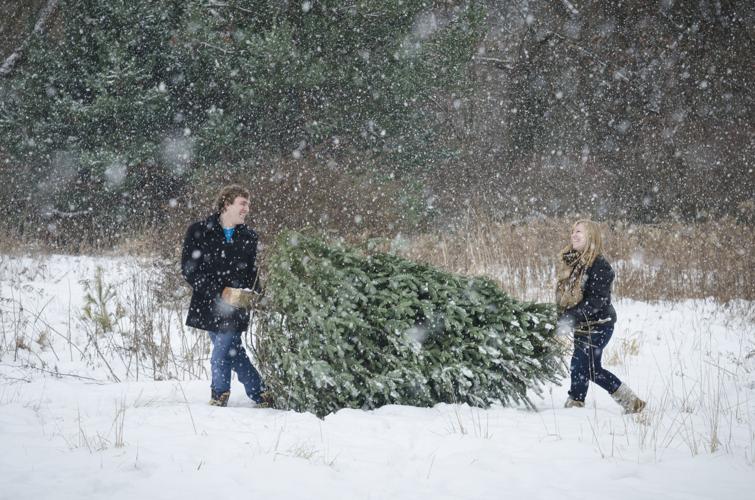
Photo Credit: MPKRPhoto.
MPKphoto
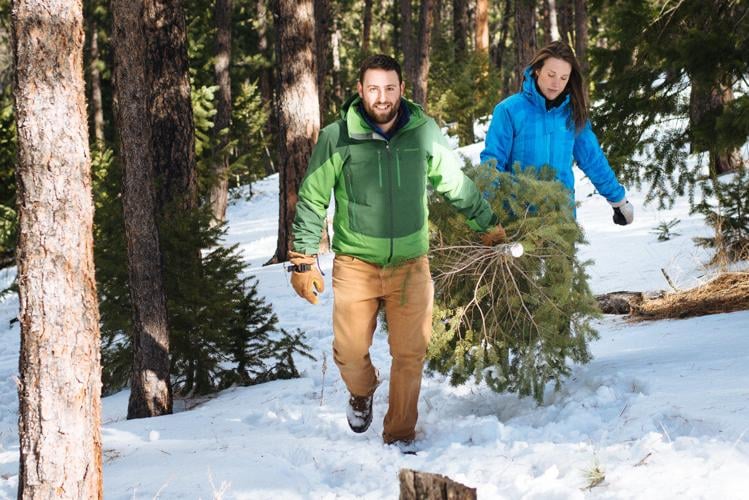
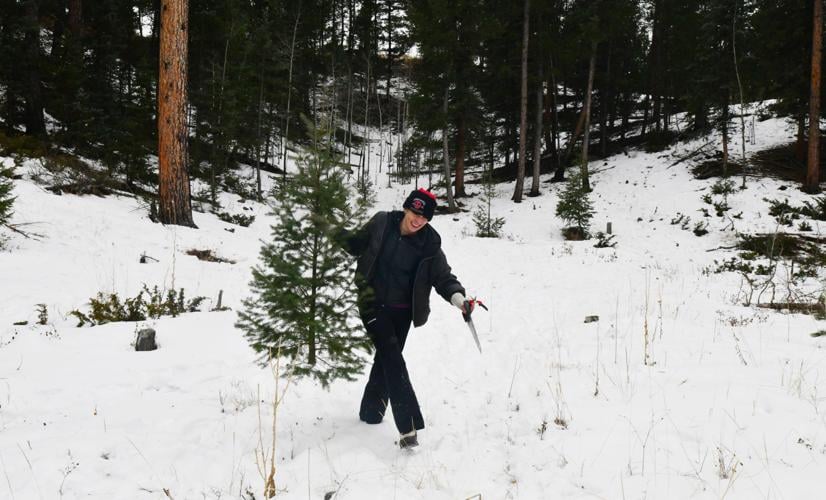
The custom of cutting Christmas trees is an ancient tradition, going back to 16th century Germany. The tradition reached the U.S. with German immigrants in the 18th and 19th centuries. The U.S. Forest Service supports the practice as part of a larger effort to sustainably manage forests and provide communities with affordable, fresh Christmas trees and is now issuing permits for tree cutting.
“The holiday season is a great time to honor long-standing traditions and maybe even start a few new ones, like baking holiday cookies, watching classic holiday films, or cutting your own Christmas tree,” said a release from the USFS. “All you will need to cut your own tree is a small saw, some rope to safely secure it for transport and – of course – a permit.”
The practice helps to thin dense forests, reducing the risk of wildfires and promoting the health of other vegetation.
The USFS now offers tree-cutting permits online at Recreation.gov, where the public can search for their favorite national forest, and purchase the permit online.
“Individual forests will provide cutting area maps, details about the types of trees that can be cut, and other important details. Fourth graders with an Every Kid Outdoors pass are eligible for a free Christmas tree permit and can apply by entering the pass or voucher number at the time of purchase,” said the news release.
In 1939, Boulder Mayor Howard H. Heuston and the Boulder Chamber of Commerce decided to mark the end of the Christmas season with what became an enormous community bonfire made from thousands of discarded Christmas trees that lit up the night for hours.
Traditionally held on Twelfth Night (Jan. 6) at what is now 9th and Canyon Boulevard, the event was moved to the Boulder Pow Wow rodeo grounds at 28th and Mapleton Streets, now part of the East Mapleton Ball Fields, in 1958.
The annual event brought city and county residents together to dispose of their trees in a festive manner.
The land for the Pow Wow grounds was donated by local rancher Rollie Leonard and was developed into the Rollie Leonard Rodeo Arena in 1936.
The Christmas bonfire featured music, group singing of Christmas carols, and snacks, creating a cordial community atmosphere for families and friends. The event was renowned for its hot apple cider, a favorite with children.
Over time, concerns about safety, the possible environmental impact of the smoke from the bonfire, and commercial encroachment on the rodeo grounds, led to the discontinuation of community tradition in the 1970s, and redevelopment of the area.
The USFS release says many national forests continue to sell permits at district offices, on site, or through local vendors. Sale dates may vary by forest. It is important to check the permit details, which may require the permit to be printed and displayed when you cut your tree.
Here are some more tips to have a safe and enjoyable tree cutting excursion:
• Know your location and only cut from designated Forest Service areas.
• Never cut on private lands.
• Do not cut within 75 feet of roads, trails, or recreation sites.
• Stay on public roads.
• Do not top trees, take the whole tree.
• Cut trunks no more than 6 inches from ground and 6 inches in diameter.
• Watch the forecast – mountain weather can change very quickly.
• Traction devices or four-wheel drive vehicles are recommended in some areas.
• Carry a shovel, flashlight, blanket, extra food and water.
• Remember that cellphones may not work in remote areas.
• Pack out all your trash.
For more information, contact your local national forest, visit the regional website at https://www.fs.usda.gov/main/r2/home, or visit some of these online resources:
Recreation.gov Christmas Tree Permit page with map interface
Help Center article “How Do I Purchase and Print a Christmas Tree Permit?”
Cut a Tree for the Holidays from Your National Forest article
Share Your Story adventure writing contest
Every Kid Outdoors Fourth Grade pass program
Every Kid Outdoors Christmas tree ornament coloring page