Successful robot-performed liver donor transplant performed at Aurora UCHealth
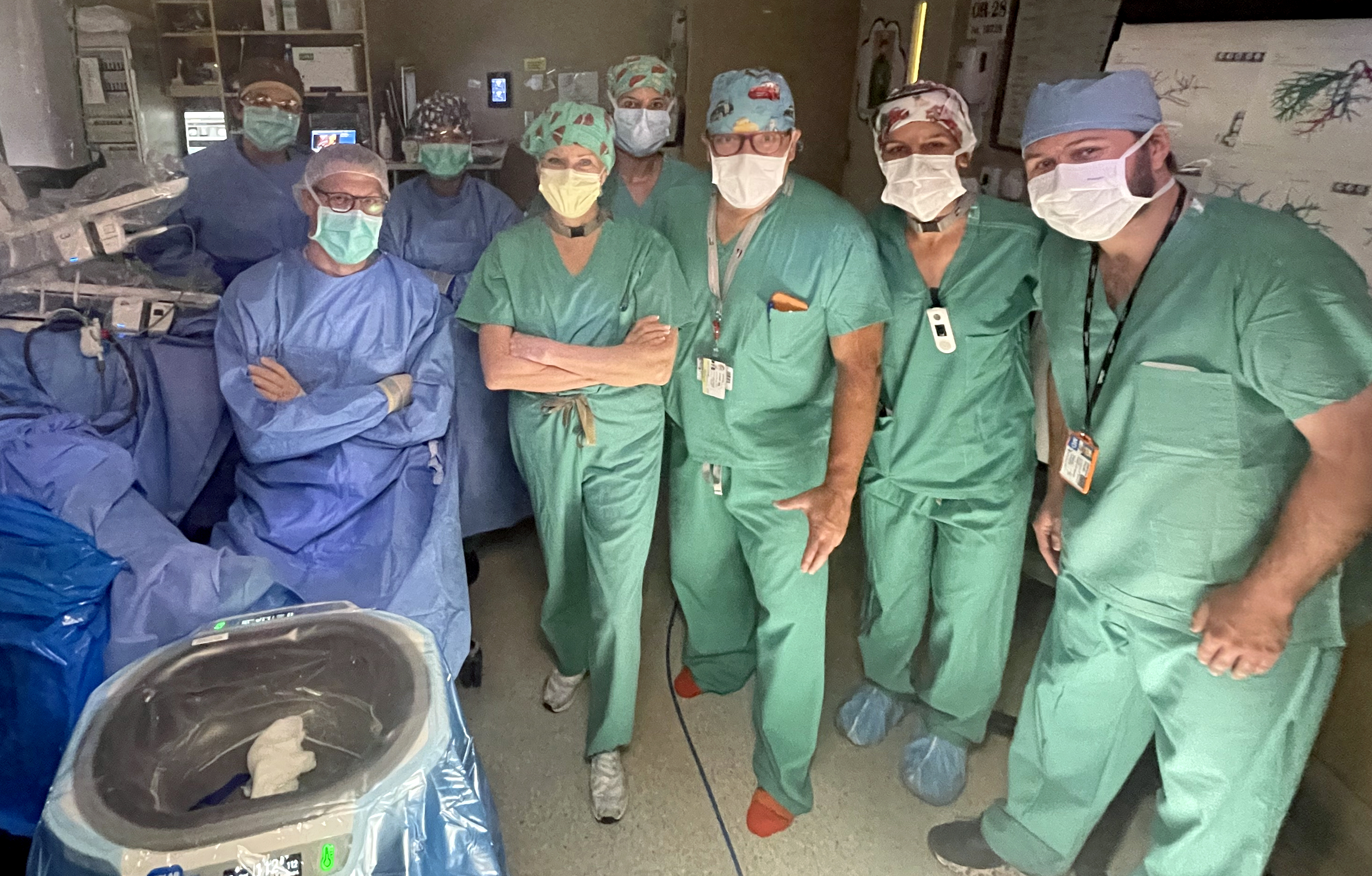
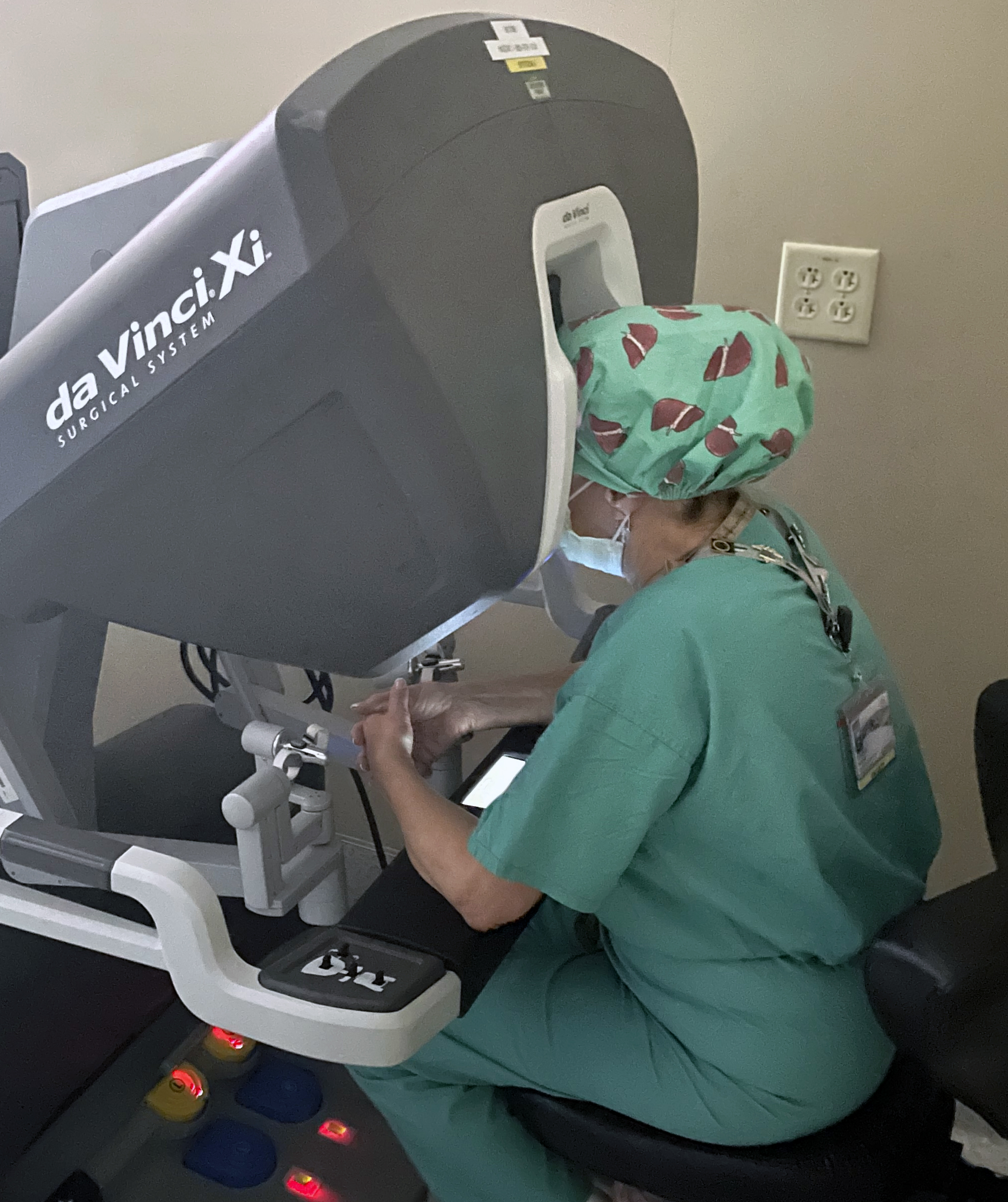
Surgeons at UCHealth University of Colorado Hospital’s transplant center in Aurora performed what is believed to be the first robotic liver transplant surgery on a living donor in the Rocky Mountain region, officials announced in a news release.
“We are never satisfied with where we are,” said Dr. Elizabeth Pomfret, Chief of the Division of Transplant Surgery at UCHealth, in the release. “Our goal at UCHealth is to continue to innovate and to modify procedures and surgeries to find ways to make sure this is advantageous for the patient, whether that’s for the donor or the recipient.”
Pomfret is also a professor at the CU School of Medicine.
Using an advanced robot for this type of surgery (hepatectomy) results in a smaller incision, less scars, faster recovery and less pain for the donor, according to the release. The health center claims they are one of only a handful of facilities across the country performing a hepatectomy of this kind.
A hepatectomy, normally performed by hand, is a form of surgery to cut out some of an existing liver, or replace one altogether from a donor. In this case of this recent procedure, the robot took a healthy liver out of a donor.
The Denver Gazette learned the robot is not new, rather it has been used for more than a decade. However, the robot is now experienced in liver transplants, as it was said to have not performed a hepatectomy.
“We need to make operations more tolerable,” Dr. Trevor Nydam said, adding that the robot has been used for other procedures by urologists, gynecologists, and general surgeries.
It was last August that UCHealth began using the robot for kidney transplants, according to Nydam, which since then surgeons have performed roughly 20 kidney surgeries aided by the robot. But when it comes to liver surgeries, doctors said it becomes more complex.
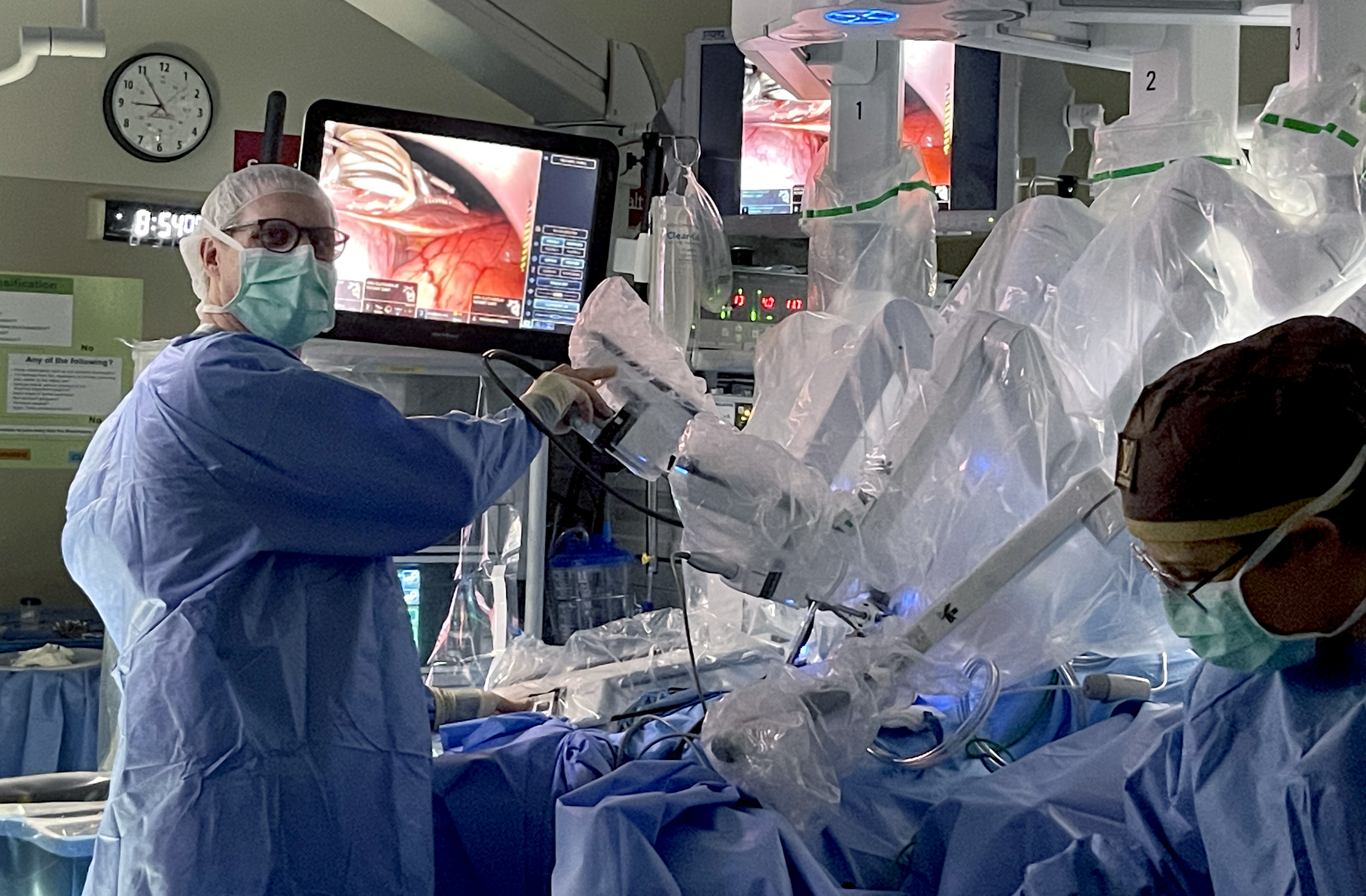
UCHealth’s press release indicates the operation provides more precision than open surgery by hand, as living donors undergo the robotic hepatectomy, the surgery is performed with four or five incisions the size of a pencil. The robot is said to magnify up to 10 times that of the human eye.
“As a result, donors spend less time recovering in the hospital and are able to return to work just three weeks after surgery,” UCHealth officials said in the release. “With traditional open surgery, recovery for the donor typically takes six to eight weeks.”
The robotic liver transplant surgeon at UCHealth University of Colorado Hospital, Dr. Thomas Pshak, said the surgical robot has become a “truly disruptive technology in the field of transplantation. It allows us to see things in greater detail than our eyes alone. Its precision and movements mimic what my hands and typical surgical instruments can do, it just allows me to do those movements in very small spaces with much more accuracy.”
In addition, the robot has the ability to see through tissue to vital structures, such as a bile duct.
“This combination allows for the handling of the most delicate tissue with tremendous efficiency and accuracy.”
The robot is being used at a time when alcohol-associated liver disease is dramatically rising because of the COVID-19 pandemic, according to the release. Around 80-90% of transplant patients screened every week at CU Hospital need a liver transplant because of alcohol use. Pre-pandemic numbers reported were at 40%.
“These patients are also much younger than they have been, historically,” Pomfret said. “The patient population demographic for liver transplant is now between the ages of 25 and 50. Pre-COVID, people needing a liver transplant averaged over the age of 55.”
UCHealth currently has the largest, non-directed living donor liver program in the country, officials claim. In certain cases, people come to the hospital asking if they can be an organ donor for a complete stranger.
“People die everyday waiting for an organ,” Pshak said. “Living donation is the solution to this problem. Once a portion of the liver has been removed, it has the remarkable ability to regenerate its lost tissue… With a robotic approach, patients will have an easier, faster recovery than how this has been done in the past and we have the potential to save many more lives.”
“The ultimate goal is to make the less invasive robotic living donor surgery standard at UCHealth, encouraging more people to consider a life-saving donation.”