




‘1 in 100,000’ animal sighting caught on camera in Colorado
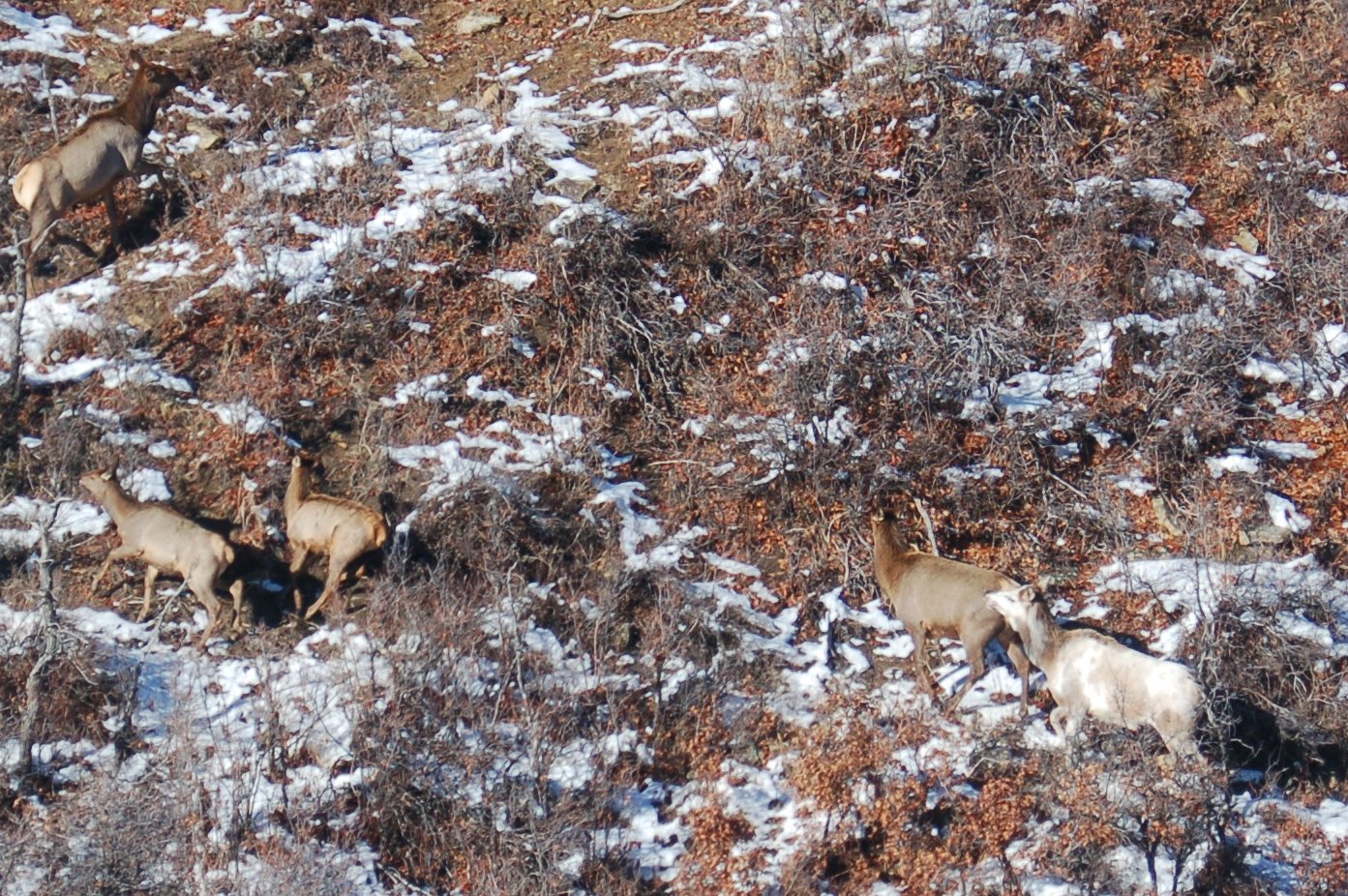
While Montrose-area wildlife biologist Evan Phillips was on a big game classification flight this week, he happened to spot a very unique Colorado animal.
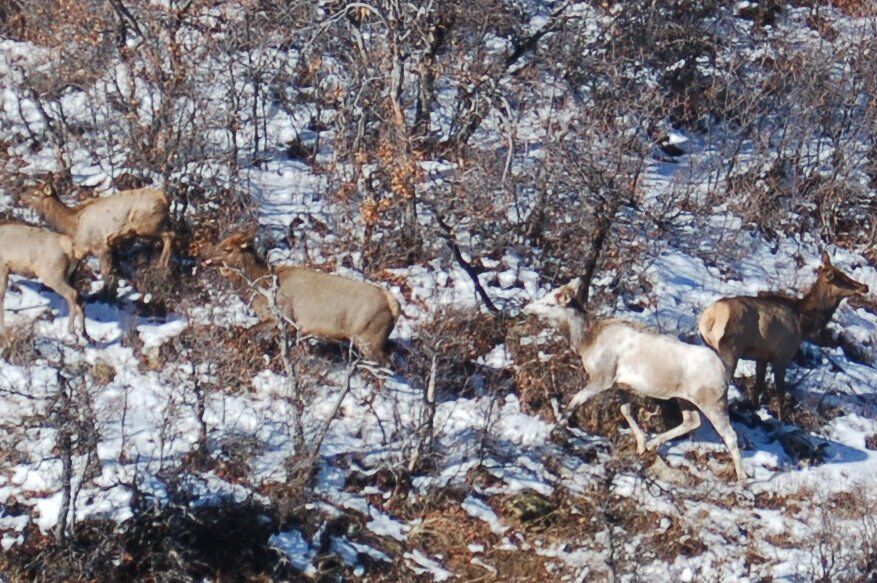
Phillips spotted what’s called a piebald cow elk, with the piebald trait occurring in just one of every 100,000 members of the species. For those unfamiliar with the term ‘piebald,’ this essentially appears as patches of color in the fur. It’s very common in dogs and horses, but not wild cervids. With Colorado’s wild elk population at more than 280,000, according to Colorado Parks and Wildlife, and given genetic probability, there are likely only two to three piebalds to be found in the Centennial State.
While the elk’s markings aren’t extremely obvious at a glance, the patches found on its fur can be seen from a side view.
This extremely rare sighting took place during crucial research that’s being conducted on the Western Slope related to tracking elk numbers, movement, and calf survival rates. Colorado Parks and Wildlife aims to put GPS collars on 75 elk during the month of December, with another goal being to collar 120 pregnant elk in March.
Three elk herds are involved in the initiative, including northwest Colorado’s Bear’s Ears herd, the Avalanche Creek herd in the Roaring Fork Valley, and the Uncompahgre herd that roams west of Montrose.
This effort will help experts get a better idea of how Colorado’s elk population is doing, especially considering large die-off numbers that took place during heavy snow and cold temperatures last winter.
Winter is said to be the ideal time to briefly capture animals for collars, as the colder temperatures mean less of a risk that a potentially stressed animal will overheat. Snow also means animals won’t run as far in addition to providing padding that prevents injuries. Net guns are used to capture calves, who are quickly released at the capture site. Meanwhile, pregnant elk are transported a short distance to a processing area for a GPS collar and an implant that is used to track the animal’s pregnancy and whether or not the calf survives. Animals handled by Colorado Parks and Wildlife crews also get a health assessment.
Read more about this ongoing effort here.
Get OutThere
Signup today for free and be the first to get notified on new updates.
PREV
PREVIOUS
Bighorn sheep gets stuck on roof of home in Colorado in bizarre incident
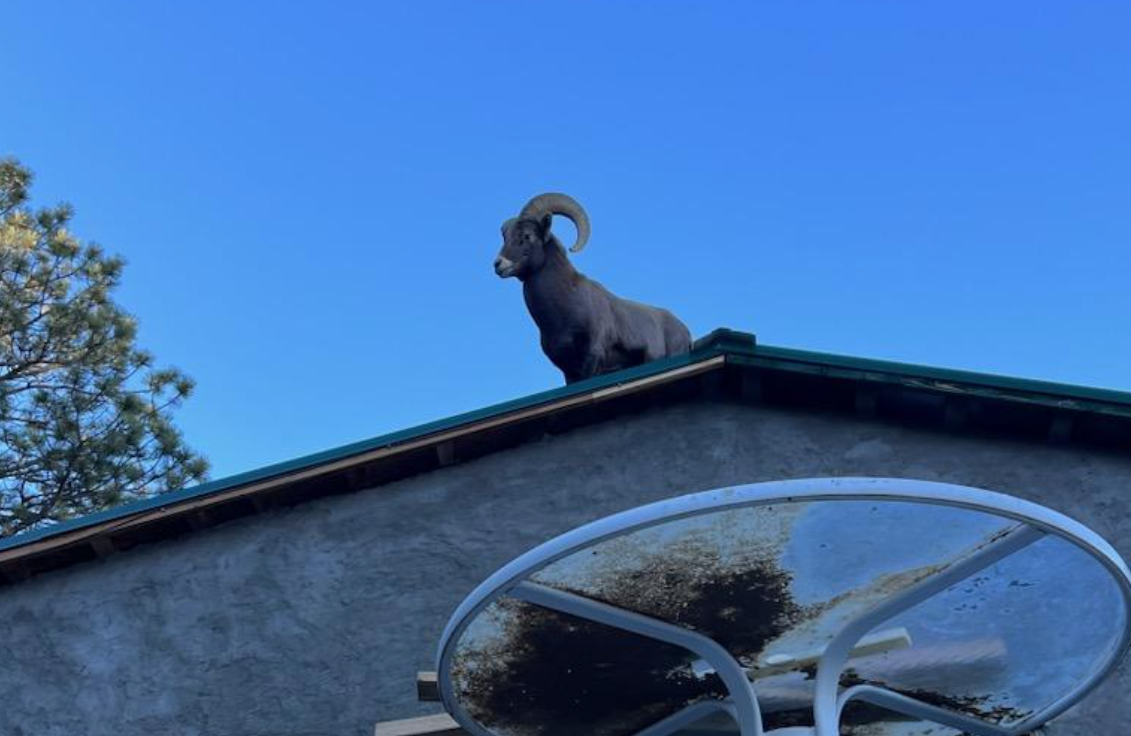
In a bizarre wildlife-related incident that took place in Boulder County on Tuesday, a bighorn sheep ended up stuck on the roof of a home. This prompted a rescue mission that took place over the span of a day and a half. After the report of the bighorn sheep on the roof was made, wildlife […]
Colorado School of Mines recruiting changes paying off in recent playoff runs
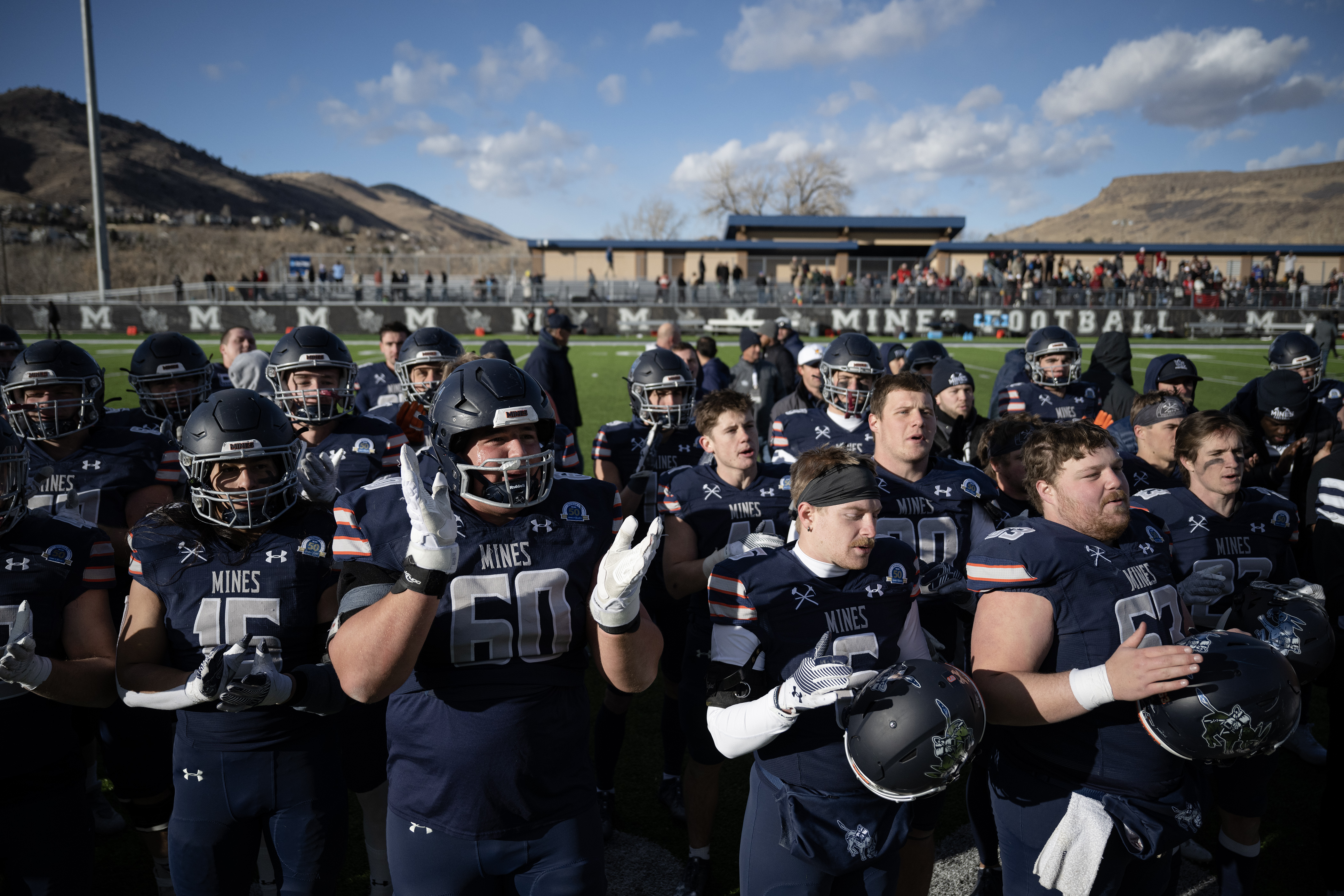
Ryan Diedrick had no idea his thesis could be the start of a new era for Colorado School of Mines football, but he knew his research would be valuable, even if that value was singularly tied to his master’s degree. He sat and charted data about the 2017 recruiting class, and where the recruiting process […]