







Councilwoman Candi CdeBaca on being from and for the people of District 9
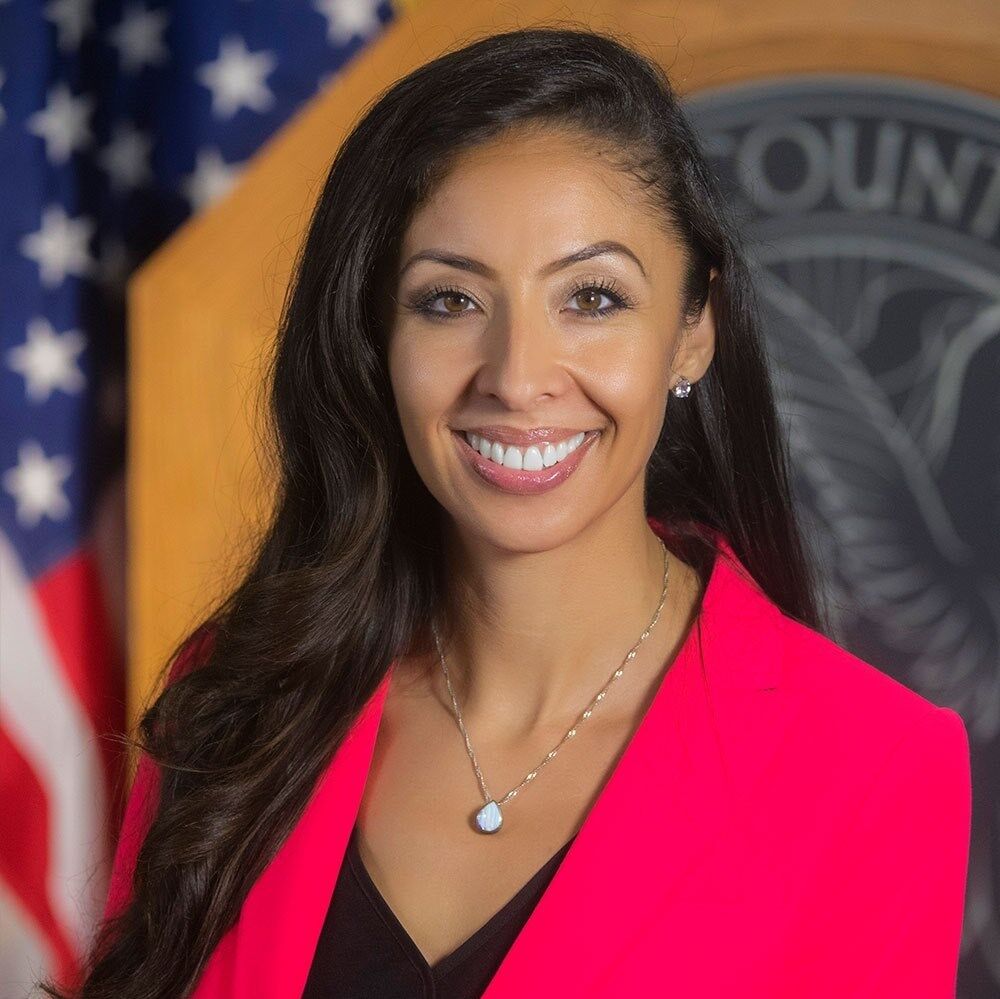
For her entire life, Denver City Councilwoman Candi CdeBaca has been “deeply attached” to her community in District 9. And now, as their council representative, she has dedicated herself to fighting for them.
CdeBaca is a fifth-generation resident of District 9. A first-generation high school graduate, CdeBaca attended Manual High School and went on to earn her bachelor’s and master’s degrees from the University of Denver.
In a widely publicized and close election, CdeBaca defeated incumbent Councilman Albus Brooks in 2019, becoming the first LGBTQ Latina and first Democratic Socialist to serve on Denver City Council.
With her historic victory, CdeBaca drew local and national attention, quickly making her one of the most well-known council members in the city.
Halfway through her first term, CdeBaca talked to The Denver Gazette about her time serving District 9 — comprised of the Auraria, Central Business District, City Park, City Park West, Clayton, Cole, Elyria-Swansea, Five Points, Globeville, Whittier, Skyland and Union Station neighborhoods.
What made you want to become your district’s city council representative?
It started way earlier than City Council. I was a Denver Public Schools graduate at Manual High School and, if you track down the school reform efforts in Denver, Manual was the petri dish for DPS’s reform experiments. When I was a sophomore in high school, they piloted their first co-location effort. Being a student who didn’t have any input on how my school was transforming overnight, and seeing my community left out of those decisions, it politicized me. We had to fight for basic things that kids in other schools got, like honors classes, AP classes, electives. So, I spent my high school education organizing the community and fighting for what I felt our students deserved.
When I went off to college, DPS decided that co-location didn’t work, and they were going to try the shutdown. And they were going about it the same way they did with the co-location: without community input and against community will. So, I ended up transferring back to Denver after my freshman year in San Diego and got super involved in organizing the community to file a lawsuit against DPS for that proposed school closure. That ended up leading to the creation of a nonprofit that I co-founded in 2006, Project Voice, to insert youth voice into policy.
When I was running that organization, my students catalyzed my race for City Council because they were being displaced from our neighborhoods and our schools at alarming rates. And a lot of it circled back to the original education reforms they made when I was in high school and how they set the groundwork for gentrification in our neighborhoods. The students were organizing to get policy makers to listen to them and adapt accordingly, and they just kept getting ignored. The families in our neighborhoods were being ignored once again in a way that made me feel like I needed to step up and do something different.
How has your experience as a council member been so far?
I came to council in a unique way. I won a race that people thought was impossible to win, against someone who was the top fundraiser on council, backed by all the developers and real estate entities and lobbyists – and I won as the first Democratic Socialist ever elected to City Council. With a campaign like that, we drew a lot of attention and there was a lot of backlash. Coming into council, I knew I was going to have it tough. I was immediately a lone voice and it’s kind of been like that throughout. But we’ve been achieving exactly what I hoped we would: a broader level of participation and engagement in local government.
We’ve had unprecedented rates of community participation in committee meetings and City Council meetings. We’ve had a really different culture of engagement emerge. I think it will translate eventually, in the long-term, into very different policies and people leading.
On council right now, I have been working on the right to counsel in evictions. That passed out of committee and, hopefully, will continue moving forward. I was also the person who proposed changes in our city attorney, independent monitor and police that were a result of the calls for action we heard after the murder of George Floyd. And the city attorney and independent monitor piece even preceded the George Floyd murder.
We’ve taken a more aggressive approach to change on the police side of things, which has made it challenging because not everybody on council wants to see the level of change that we want to see in the community – but not everybody on council has emerged from the people the way that I did. By winning my race without any big donors or your usual suspects in campaign finance, I’m not accountable to the same people that many of my colleagues are accountable to. I’m accountable literally to the people. I’m beholden to the people.
Every day is a combination of highs and lows. I love to keep the highs in perspective. For me, every time I see the number of participants go up for City Council meetings, that’s a high. It was a high when we were in person, and we would pack the chambers with people to testify. Even unsuccessful proposals are high moments because they start conversations that haven’t ended. I introduced anti-racist language into our decorum rules. It didn’t pass, but to have been talking about that, those are high moments. Regardless of whether we win or not, if we start the conversation, it’s a win.
As a council member, what are your priorities for the future?
I want to continue educating the public on how the government works and how they can get engaged. That’s always my top priority because, if they don’t know how it works, they don’t know how to fix it.
This year, I’m very focused on housing and workers’ rights. I’ve been active in conversations about the wage bond initiative. Redistricting is coming up and I’m very interested in that. Participatory budgeting is coming up, that’s something that I was part of forcing the city to adopt when Project Voice did the first pilot of participatory budgeting in the whole city. I also am curious about the potential of expanding the ability to collectively bargain beyond police, fire and sheriff. And I’m still committed to responding to the community task force who has created recommendations around reimagining policing, and we’ll see where that goes.
I want to spark the ideas and leadership that will implement change. I know that, as a minority voice on council and a minority voice my whole life, I need a majority on council to think in a way that is more visionary. The public is asking for more visionary thinkers. I’m hoping that those visionary thinkers are watching and learning and finding that this is a place where they fit and where their ideas fit. I want to help them sit in these seats, so we don’t have more of the same for the next few generations. I basically want people to remember me as the person who taught them how to own their government.
This interview has been edited for length and clarity.