




Buildings torched and residents forced to move for creation of popular Colorado lake
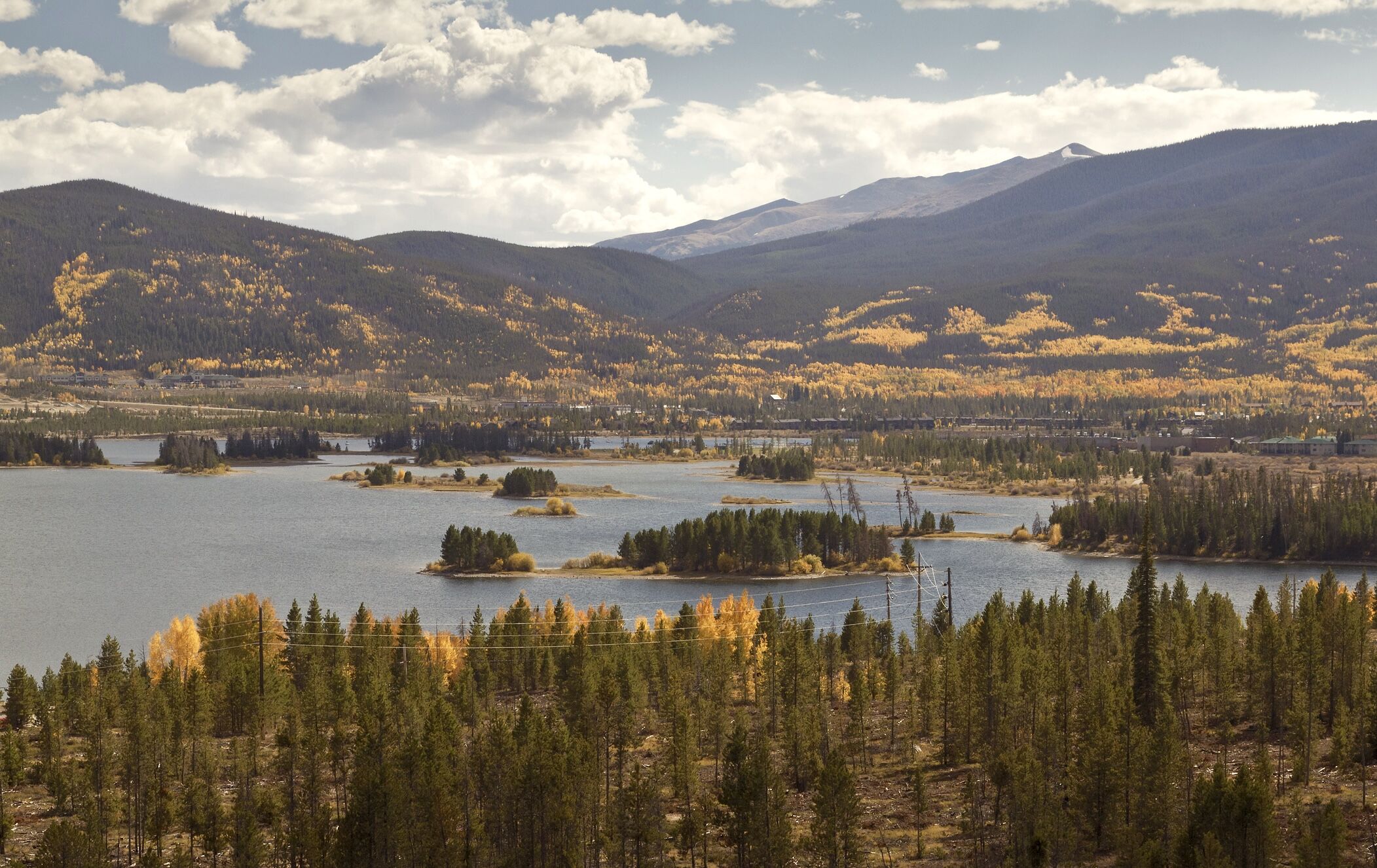
Residents of a Colorado mountain town were forced to permanently leave by April 1, 1961, told any remaining buildings would soon be engulfed in flames. After all, a damning flood was coming and it was no April Fool’s Day joke.
The history of Dillon, Colorado dates back to 1850s, when the humble community started to come together along what was set to be a planned railroad route along Snake River – a short tributary of the Blue River. According to Summit Daily, the town was formerly established in 1881 and named after railroad executive Sidney Dillon as a sort of persuasive effort aimed at getting Dillon to build a railroad through the town.
Unfortunately, plans changed soon after the town was founded and the railroad route was moved to an alternate canyon to the east, according to the Town of Dillon. Summit Daily pins the new route as traveling through Tenmile Canyon to Frisco.
The townspeople were surely disappointed, but they were resilient, opting to move the town to where the new route would be located just 16 months after the town was established. That didn’t last for long though, when a month later, another railroad announced another set of tracks that would be built to the west – the town again packed up and moved to its third location in a matter of a couple short years.
The town of Dillon would stay in this location for several decades, but life in Dillon would again be forever altered by the time the 1950s rolled around.
With the town now at a population of about 1,000 residents, the City of Denver “approached Dillon with a proposition.” As Denver continued to grow as a major Front Range hub, water demands increased, as well. In order to solve the city’s water woes, the city wanted to dam the Snake River in order to create a large reservoir but the town of Dillon “sat right in the middle of where the reservoir would be.”
The Denver Water Board was ahead of this proposal, too, already having purchased chunks of land in the area starting in the 1910s with some sources indicating that the impacts of the Great Depression made some of these land sales appealing for residents at the time. By the 1950s, necessary water rights were secured, and after many negotiations and deals, the project was financed. In 1956, Dillon residents were told that they must be out of Dillon’s third location, often referred to as Old Dillon or Old Town, by April 1, 1961.
“Residents either moved their buildings to the new town, built new homes, or used the money from land sales to move elsewhere,” says Summit Historical Society, “Everything in the town had to be moved or burnt down, including all flora and natural landscape. They even moved the cemetery; only the foundation and old road beds still exist under the lake today.”
By 1963, the project was completed and water filled the area, and as part of that effort, the town of Dillon was moved to the northeastern shore of Lake Dillon – also referred to as Dillon Reservoir. This also helped birth Silverthorne, described by All Summit County as “a convenient place to move old buildings from the site of Old Dillon.”
A popular Silverthorne steakhouse called The Mint is a living relic of Dillon’s tumultuous history over the last 150-plus years. First built in 1862 and called Jack Ryan’s Saloon at the time, it was located in the mining village of Kokomo, then relocated to Frisco, and then to Old Dillon by 1882 as the town started to boom. The Mint then made the move to the so-called convenient location of Silverthorne amid the Dillon Reservoir project of the 1960s, where it’s still a popular dining spot to this day.
So, there you have it – the next time you’re relaxing along the shoreline of Lake Dillon this summer or passing by on I-70, know that the scant remnants and the memories of a town lie beneath its surface.
One of the most popular aquatic destinations in the state of Colorado and home to a high-elevation marina, Dillon Reservoir is found at about 9,000 feet in Summit County with wraparound mountain views. Its shoreline stretches about 27 miles and with a surface acreage of 3,233 acres, Dillon Reservoir caters to motor and sail boats, kayakers, stand-up paddleboarders and more. Today, it’s a cherished outdoor recreation destination of the local area and has a major impact on the local economy – though it’s easy to imagine how its creation may have left Old Dillon residents a bit frustrated at the time.
STAY INFORMED: Get free Colorado news with our daily newsletter (Click here)
Get OutThere
Signup today for free and be the first to get notified on new updates.
PREV
PREVIOUS

Sleep 25 feet above the forest floor in luxury Colorado treehouses
Want to book a night in a luxury treehouse? Juniper Lodge & Treehouses is bringing you that chance. After building a fanbase since its opening as a mountain lodge in 2019, this adults-only mountain retreat has officially debuted two of eight planned treehouses at its sprawling and forested 10-acre property in Evergreen – just 30 […]

Fatal head-on collision closes canyon drive in Colorado
A fatal head-on collision that took place on Highway 119 in the area of Boulder Canyon resulted in a closure of the route on April 2. According to Colorado State Patrol, the crash occurred at about 9:23 a.m. in the area of Chapman Drive at mile marker 38. The crash involved two vehicles, a Lexus […]