







10th Circuit again dismisses ex-prison employee’s challenge to workplace DEI training
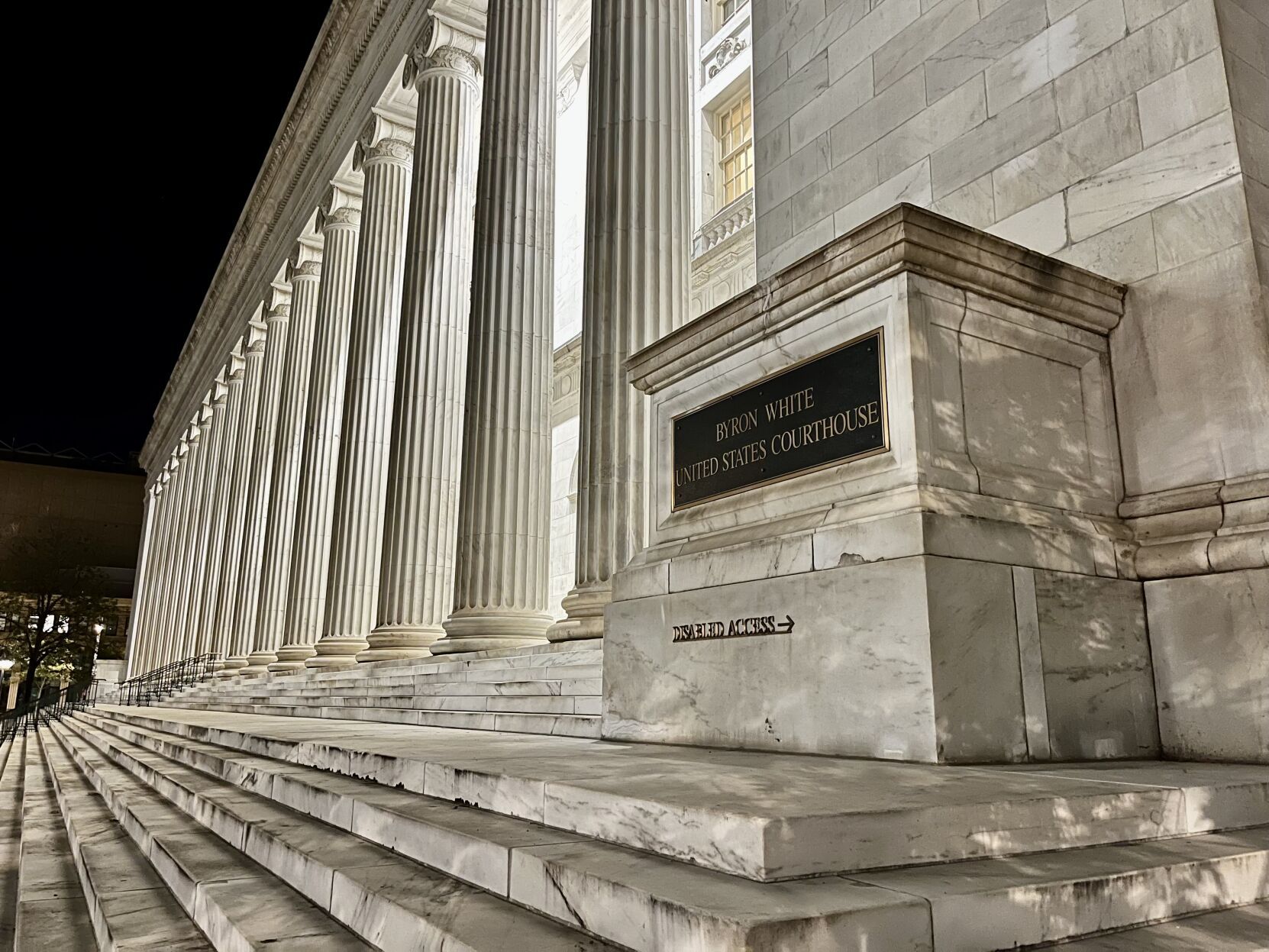
The Denver-based federal appeals court dismissed a second lawsuit on Monday brought by a former Colorado Department of Corrections employee who was offended by an equity training module and had alleged it created a hostile work environment.
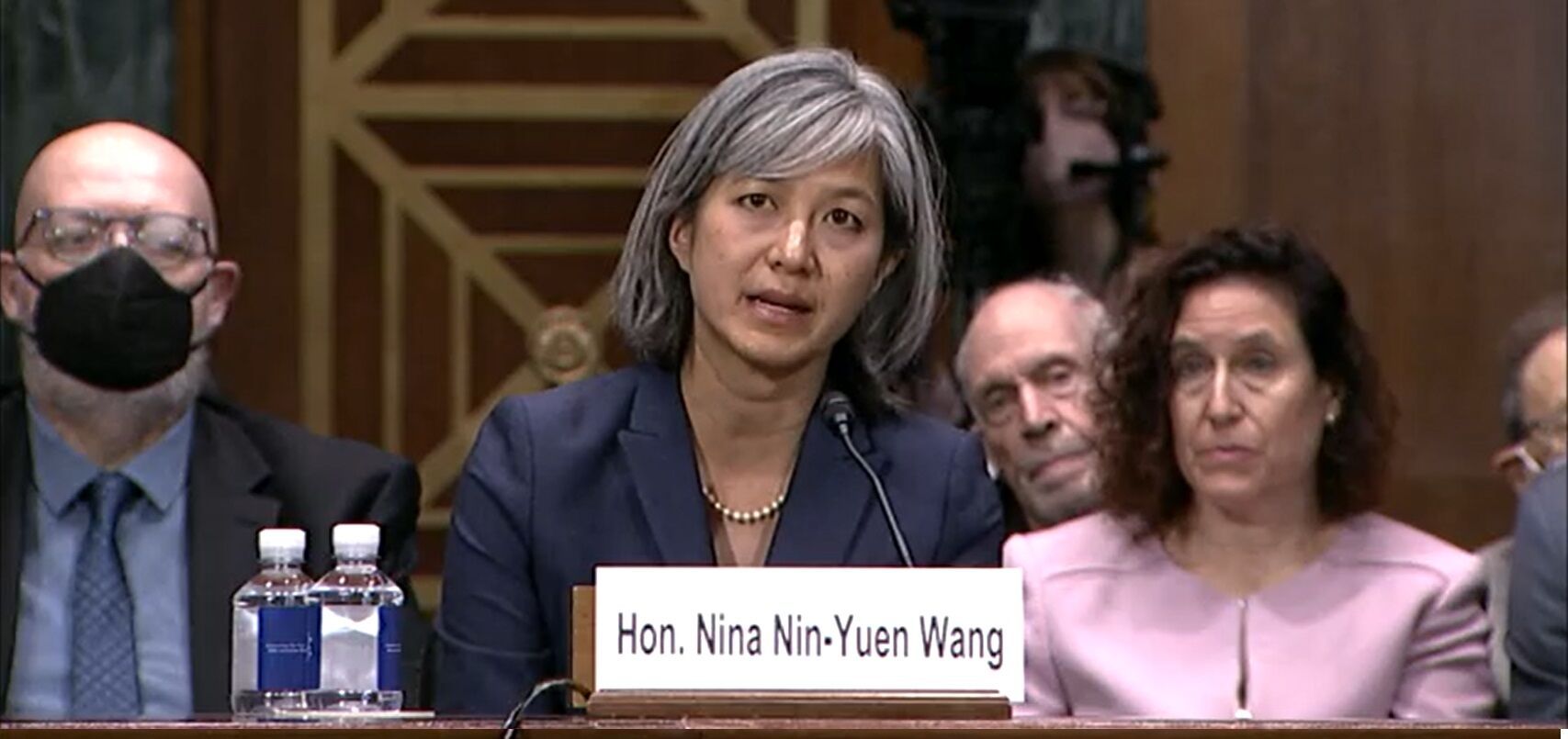
In 2023, U.S. District Court Judge Nina Y. Wang dismissed Joshua F. Young’s first lawsuit on the grounds that he failed to show how a computer-based module and related materials led to severe or pervasive harassment within his workplace. The following year, the U.S. Court of Appeals for the 10th Circuit upheld Wang’s order.
After Young amended his lawsuit in response to the guidance within the 10th Circuit’s decision, Wang again dismissed it. She found his allegations continued to fall short of establishing how the single training module created an “objectively severe hostile work environment” that was “infected” with racial discrimination.
Once again, a three-judge 10th Circuit panel agreed with her, permanently dismissing the case.
“Mr. Young experienced only a single training session and he quit four months later. His fears about future programming wouldn’t suggest that the workplace had turned ‘overtly hostile’ and ‘permeated with discriminatory behavior’ in this four-month period,” wrote Judge Robert E. Bacharach in the May 11 opinion.
Case: Young v. Colorado Department of Corrections
Decided: May 11, 2026
Jurisdiction: U.S. District Court for Colorado
Ruling: 3-0
Judges: Robert E. Bacharach (author)
Nancy L. Moritz
Robert J. Shelby* (district judge from Utah)
Young, a White man from Colorado Springs, alleged he was forced to resign from his job as a sergeant in the corrections department after suffering “severe and pervasive” discrimination from a training module focused on diversity, equity, and inclusion (known as DEI or EDI). The materials the department made available to employees included:
• a glossary of terms such as “white fragility” and “BIPOC”
• a video about redlining, which is a historical form of housing discrimination
• a message that “Caucasians have a feeling of superiority because of their racism”
The first 10th Circuit panel to dismiss his case suggested that some DEI trainings could rise to the level of a hostile work environment, even if Young’s allegations did not meet the requirements for such a claim. However, the two Republican-appointed judges on the panel still indicated the training that Young experienced was problematic.
“The rhetoric of these programs sets the stage for actionable misconduct by organizations that employ them,” wrote Judge Timothy M. Tymkovich. “Taken seriously by managers and co-workers, the messaging could promote racial discrimination and stereotypes within the workplace.”
Judge Scott M. Matheson Jr., the lone Democratic appointee on the panel, distanced himself from some of Tymkovich’s characterizations.
Back in Wang’s court, Young added new allegations about how the training module negatively affected him, in some cases quoting Tymkovich directly. Wang, a Joe Biden appointee, once again found the allegations insufficient. She concluded there were no specific allegations indicating Young was expected to change his beliefs in response to the training module or that any of his supervisors even spoke to him about it.
“And even taking these allegations as true — that the EDI training affected how Plaintiff performed his job and that Plaintiff’s hesitancy could have created an unsafe working environment — they are insufficient by themselves to plausibly allege that the workplace was so permeated with discriminatory ridicule and harassment that a reasonable employee would view the workplace as hostile,” she wrote last year.
On appeal for a second time, Young requested that the prior 10th Circuit panel hear his case again. He reasoned that “the parties are essentially the same, and the key issue — whether Mr. Young’s workplace constituted a hostile environment — is the same.”
The government defendants opposed the request, calling it “a run-of-the-mill case.” The 10th Circuit declined to put Young’s case back before the same panel, instead assigning it to two Barack Obama appointees and U.S. District Court Judge Robert J. Shelby of Utah, an Obama appointee who participated in the 10th Circuit’s renewed effort allowing trial judges to hear cases on the appellate bench.
“The EDI Training was not a one-time lesson, meant to be casually viewed between other work tasks, but then placed out of mind until the next year’s training,” Young’s attorneys wrote to the panel. “Rather, it was a comprehensive instruction list on how Young ought to interact with colleagues, do his routine tasks, and internalize negative messages about himself — whether it be about power, privilege, cultural appropriation, implicit bias, ideological oppression, his lack of merit-based accomplishments, or his ferocious hatred of African-Americans.”
Several conservative organizations, including 16 Republican attorneys general and the top GOP members of the Arizona legislature, also wrote in support of Young.
But during oral arguments in January, the panel continued to question how Young’s work environment changed after the training.
“I don’t think you have anything here beyond a single training,” said Judge Nancy L. Moritz. “What events or instances of harassment have you pointed to, in terms of his own experience, that could be looked at objectively, not subjectively, as to how he was feeling or what he felt this might mean to him?”
Attorney William E. Trachman said that Young felt “paranoid” that he might be called out for searching a Black person in light of the training.
“Is there anything objective there that anyone could’ve observed? Or someone said something to him that made him feel that way?” pressed Moritz.
Ultimately, the panel agreed that dismissal was appropriate.
“Granted, Mr. Young alleges that he thought that others had viewed him as a racist,” wrote Bacharach. “But he doesn’t allege that anyone said that he was racist after the training; his suspicions about unspoken attitudes wouldn’t create an abusive working environment.”
The case is Young v. Colorado Department of Corrections et al.