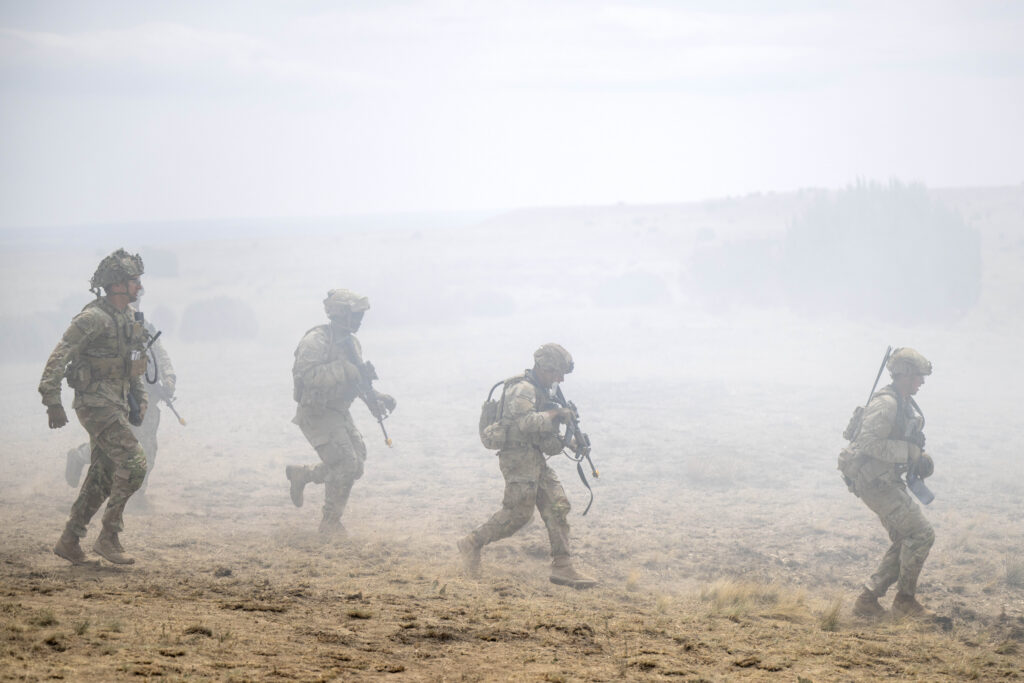
Fort Carson soldiers test new communications system for the battlefield at Piñon Canyon
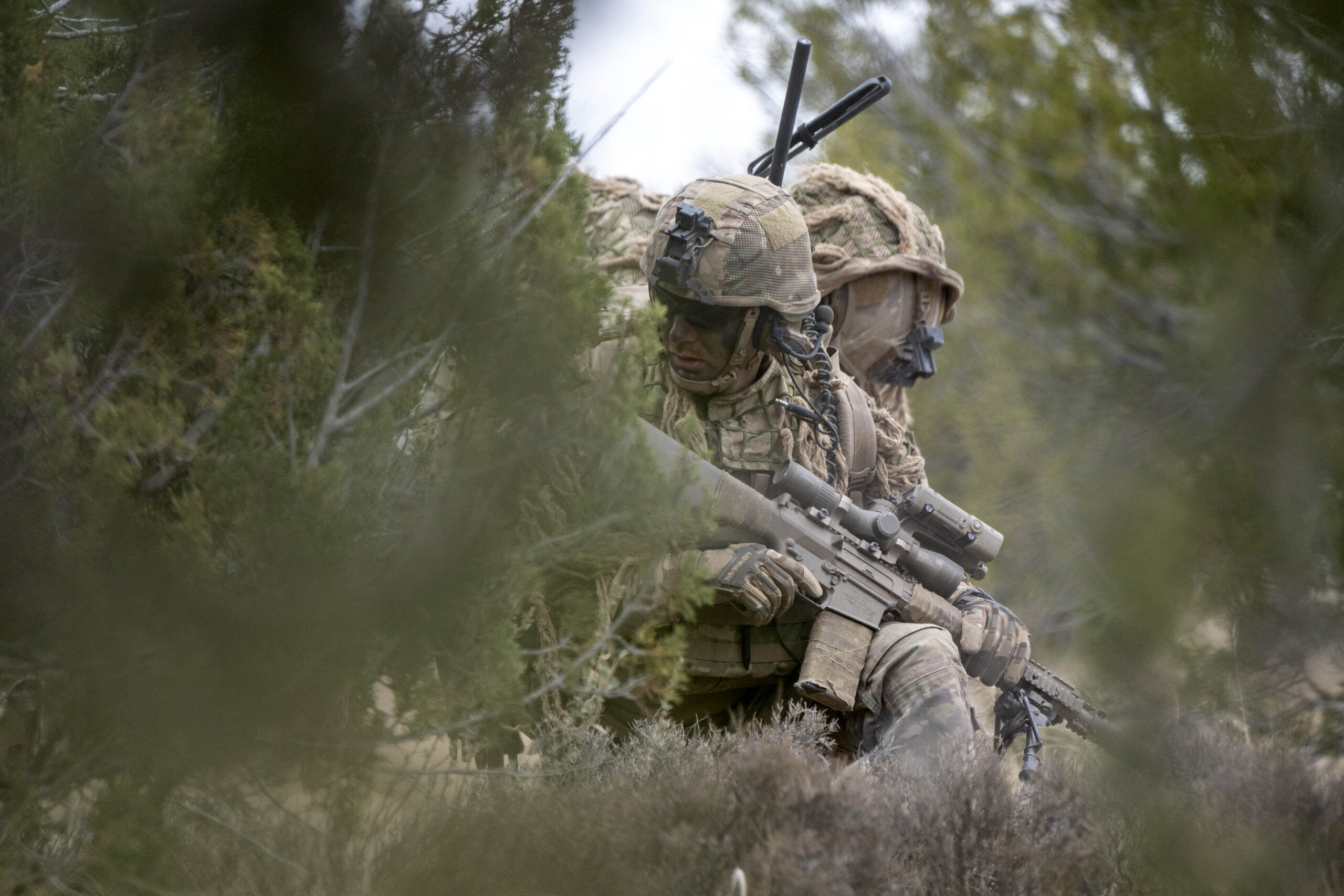
As Fort Carson soldiers made their way through shrubby evergreens, their boots sinking into the powder-dry soil, their task was to take an enemy trench. A small drone hummed above them, a monotone contrast to the sharp crack of their machine-gun fire.
The company of soldiers arrived at the battleground in hulking eight-wheeled Strykers. They were constantly surveilled as they made their way over the hills, not only via the drone that helped guide leaders on the ground but also through real-time digital mapping software made possible through the Army’s new communications system.
The 4th Infantry Division at Fort Carson is charged with working with California-based Anduril to prototype the new system that could be adopted across the entire Army.
The Army granted Anduril a $99.6 million contract to develop the Next Generation Command and Control System. The 25th Infantry Division in Hawaii is working with Lockheed Martin on a similar effort, as part of a $26 million contract.
Last fall at Fort Carson, the first demonstration of the system focused on firing a single M777 howitzer. Previously, artillery targeting relied on a 1995 system that was clunky, with numerous points of failure, and didn’t connect to any other system.
By May, the new communications system was the digital mesh across most of 2nd Stryker Brigade, a unit of thousands, as they trained at Piñon Canyon Maneuver Site northeast of Trinidad. It also connected the soldiers to their counterparts at Fort Carson more than 100 miles away.
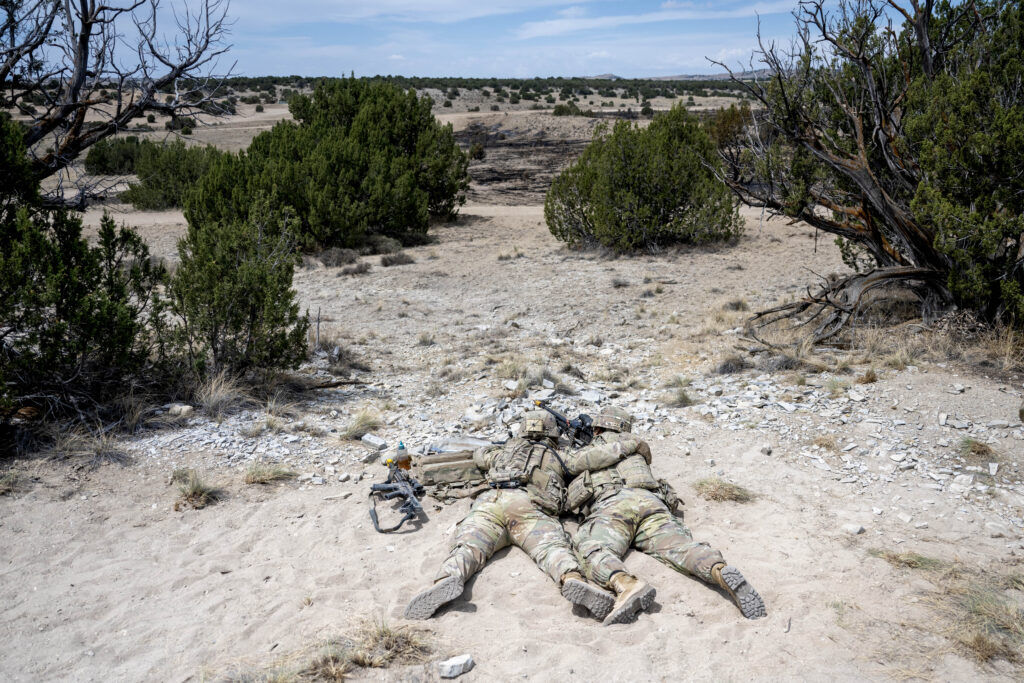
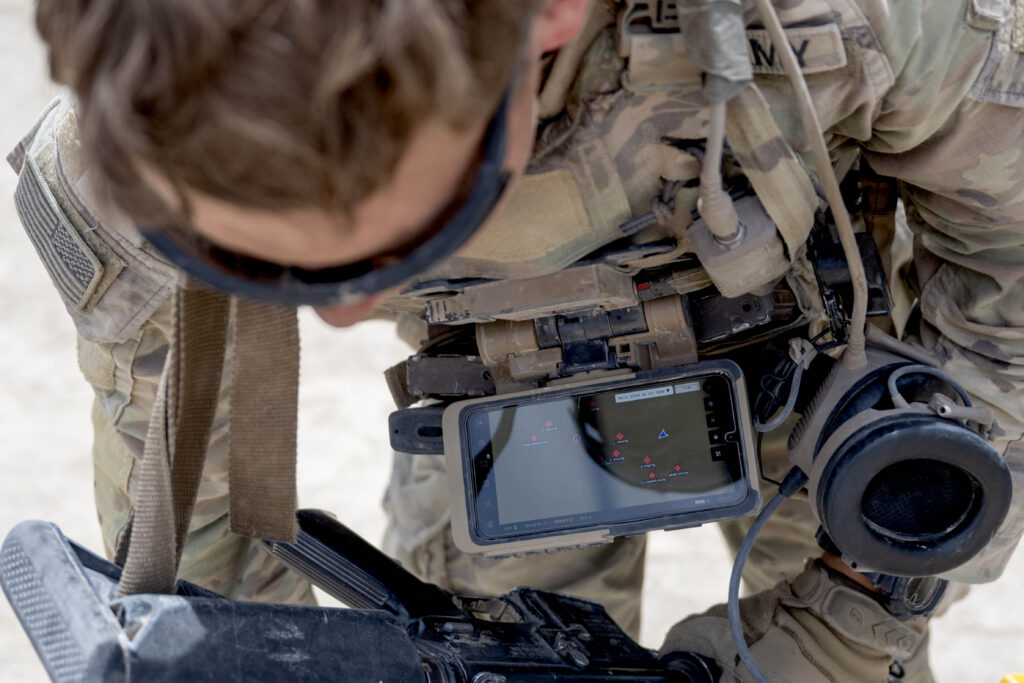
The system was supporting the radio chatter and running the phones soldiers carry on their chests, which allow them to send personal messages and view real-time maps, Fort Carson officers explained.
Through the new system, if an infantryman sees an enemy vehicle, he can mark it on the digital map through his phone. That information can be shared broadly and accurately with those planning the fight, said Maj. Michael Sheehan, a spokesman for the division. Previously, data was fragmented and frequently had to be taken from certain computer systems and put into others.
The smooth data sharing allows the lethal dance of artillery fire, drones and attack helicopters to be organized more quickly. It also helps prevent any friendly fire.
Earlier in May, workers with Anduril and partner companies helping to develop the system and associated computer apps visited the training area to talk with soldiers and take direct feedback, said Col. Ed Matthaidess, deputy commanding officer for support with the 4th Infantry Division.
Getting the system right for the long-term has been a major focus since the beginning for Fort Carson’s leader, Gen. Patrick Ellis.
“We all here feel it very acutely, the pressure to make sure that we get this right, not for any glory, personal glory, or unit glory. It’s actually because we know that our brothers and sisters are going to have to use whatever it is that we help build out here,” Ellis said last fall.
Much of the soldier feedback focused on usability, rather than adding new capabilities, Anduril said, on its website.
Taking the trench
For the soldiers with 1st Battalion 12th Infantry Regiment stalking through piñon-juniper trees, the system was a key tool in tough terrain, Matthaidess explained.
“There’s no shortcuts. There’s no cheats,” he said.
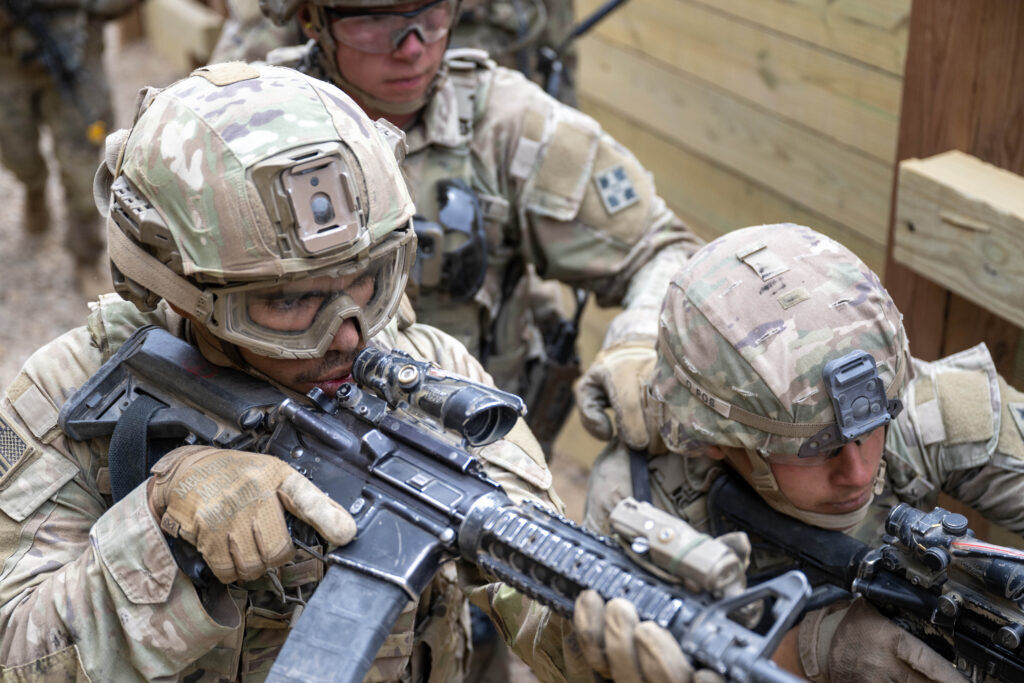
The new communications system provided the intelligence soldiers use to plan their attack and helped coordinate their movements in the field, he explained, and it was at their fingertips the whole time.
“The new tech is making us more lethal,” he said.
As part of the training, artillerymen practiced firing shells ahead of ground troops, marking the first time heavy artillery has been used at Piñon Canyon, although the training rounds contained only a half pound of TNT, far less than a real shell.
The artillery was used under a temporary approval. Fort Carson officials are working on long-term approvals to allow artillery to be used on an ongoing basis at Piñon Canyon as they develop plans to train more frequently at the expansive 236,000-acre site.
Matthaides said the area provides additional needed space that soldiers don’t have at Fort Carson to fight in larger groups. It is also a good area for soldiers to use electromagnetic warfare to shut down communication signals, a capability that could cause problems closer to neighbors on Fort Carson, he said.
In the new training area, soldiers needed to spot and take down targets replicating infantrymen and moving enemy vehicles, Matthaidess said, with some targets requiring several hits to take down.
During a fight, the new communication technology allows commanders to see if a single squadron is bogged down, or if they ran into an unanticipated enemy and plans must quickly change, Sheehan said.
It can also allow higher-level commanders to ask those on the front lines relevant questions such as: “What can you shoot that you couldn’t shoot before?” Sheehan added. “What can you no longer shoot that we thought you would be able to?”
When they stormed the trench, with a drone overhead, the scene was reminiscent of Ukraine, where trenches and drones are a mainstay of the ongoing war with Russia.
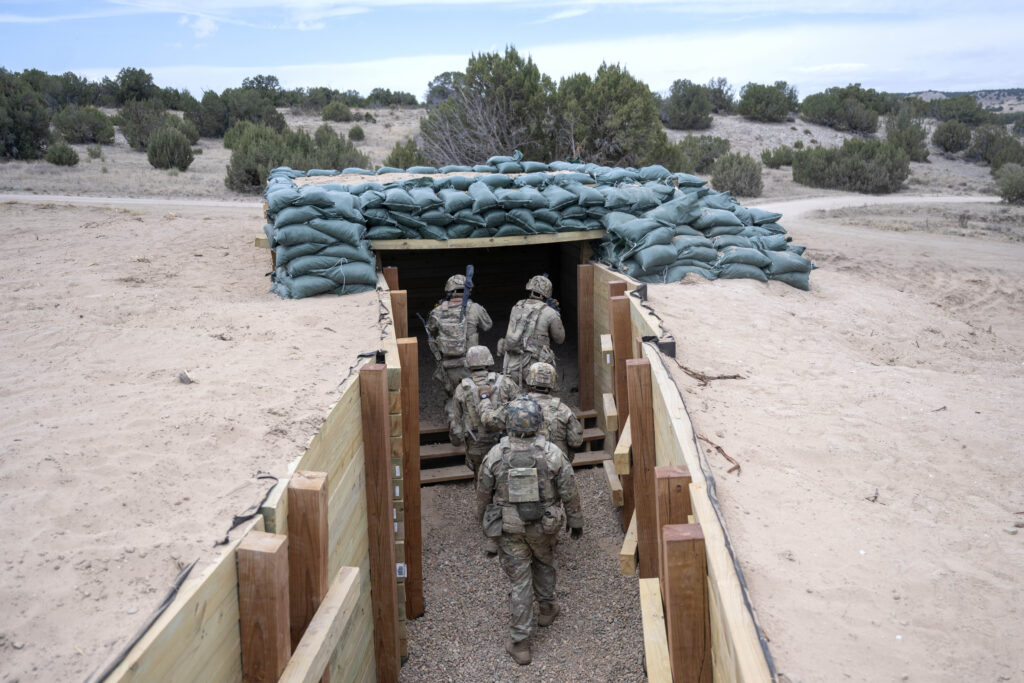
While trenches were staples of bygone wars, soldiers still need to dig in to protect themselves from artillery and drone attacks, Matthaidess said, and they must learn to take field fortifications.
“We know our enemies are going to be digging in, so we got to go in there and root them out,” Matthaidess said. “(Soldiers) got to fight their way in, they have to fight their way out, and then prepare for a counterattack.”
While the drone in this training was dedicated to surveillance, providing a view of the battlefield ahead for the squadron leader and others, Fort Carson soldiers are practicing with one-way attack drones and more are on their way, Matthaidess said.
While the trench was a finish line of sorts, it was only an end to one round of training for the company of about 140 soldiers who were practicing with blank ammunition. As part of their training, the companies of soldiers had to take the trench four times, once with live rounds and once at night, when it’s far more challenging, Matthaidess said. One night in May, soldiers couldn’t see beyond their hands without night vision goggles.
If they had been hit with electromagnetic jamming aimed at shutting down communications, the soldiers could have continued the fight on a local network that would have continued updating location information.
On their personal devices, soldiers can see their squad and platoon leaders, said Spc. Jason Quintana said.
“It’s really good, especially at night to see where your men are at all times,” he said. “It’s definitely safer.”
Triaging soldiers faster
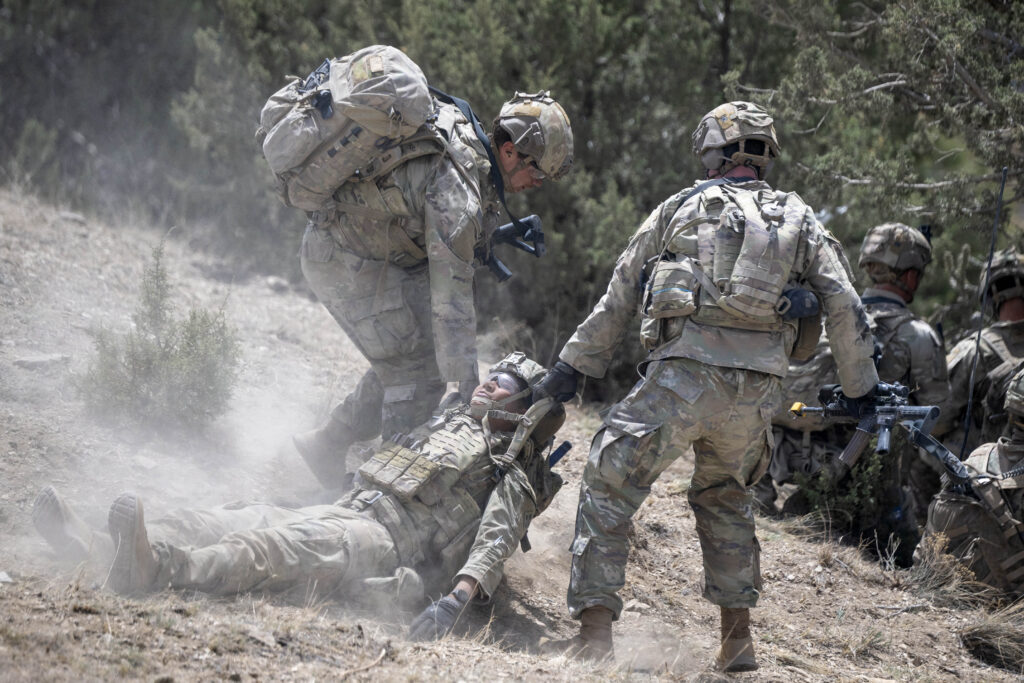
Just as in a real battle, some soldiers didn’t make it. Some “died” or were “injured,” providing training opportunities for medics and other medical personnel.
To help manage casualties, the new communications system facilitates the integration of biomedical sensors that track a patient’s heart rate, breathing and core temperature. The sensors also allow command staff to prepare to evacuate soldiers, get them to the correct level of care, and replace them on the battlefield, said Capt. Samantha Hatfield, the medical technology integration project manager for the new system, during a training in the spring.
In March at Fort Carson, the medical team practiced caring for soldiers with a variety of injuries, such as rolled ankles and bullet and shrapnel wounds and integrating the sensors into that work.
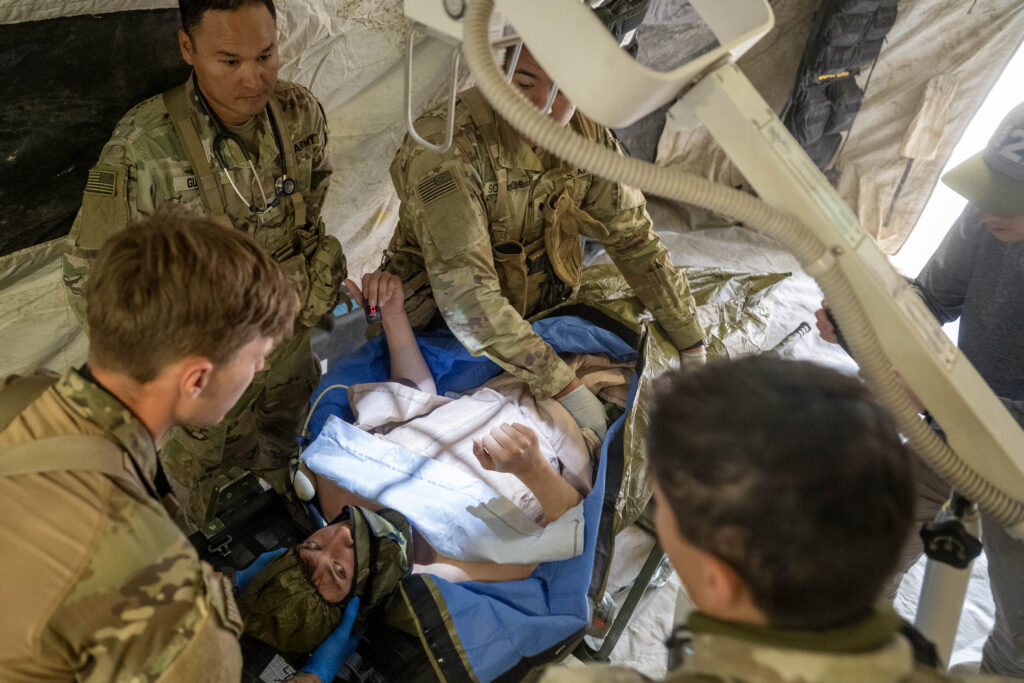
At that time, Maj. Laura Orlando, a doctor with 2nd Stryker Brigade, said she expected the new system would help manage patients who needed to move between field facilities and receive more care.
At a higher level, “role 2” mobile care unit, soldiers can be held overnight, and more medical providers are available, among other advantages.
Orlando, who has cared for wounded soldiers in the field, expected the sensors to make a difference, she said.
“We can better triage patients and track when they are coming to us,” she said.
Building out the system
The next big training challenges for Fort Carson soldiers and the communications prototype will be over the summer at the National Training Center in California’s Mojave Desert.
During that extended training, soldiers will have to troubleshoot the system on their own without industry partners, Sheehan said, with skills they have been developing throughout the process.
The prototyping work will continue after soldiers get back over the next year, he said.
While Ellis has committed to getting it right, he has also emphasized speed.
“If we want to be effective on the modern battlefield, we got to make some pretty significant changes pretty quickly,” Ellis said in the fall, noting he had recently found a 20-year-old radio still in use.