







Denver to host 12,000 participants for Transplant Games of America
When Mark McIntosh was diagnosed with a rare form of cancer just over three years ago, he was thrust into a fight for survival that would ultimately reshape his life.
Since becoming an organ recipient, McIntosh is now working to promote awareness of the transplant community as the chair of the 2026 Transplant Games of America Host Committee for the event taking place in Denver next month.
“I was immediately thrown into chemo to fight back against the cancer,” McIntosh said. “It’s in remission, but it destroyed my kidneys.”
After reaching remission, McIntosh received a kidney transplant from donor Kathy Hitchcock, a moment he said changed everything.
“I have trouble finding the words to describe the feelings that were flowing from my heart and soul, knowing that a piece of her sits in me,” McIntosh said.
Now, McIntosh is channeling that experience into advocacy.
The Transplant Games of America will be held June 18–23 in Denver and are expected to draw roughly 12,000 participants from across the country. Organized by the nonprofit Transplant Life Foundation, the six-day event brings together people touched by the transplant community for a week of athletic competition and education.
“It is a six-day sports and wellness festival,” McIntosh said. “There are three divisions of competitions for state teams, and we have 43 state teams from around the country. We all compete for gold, silver and bronze in events, like swimming, cycling and running, to darts, cornhole and trivia. There’s something for everybody.”
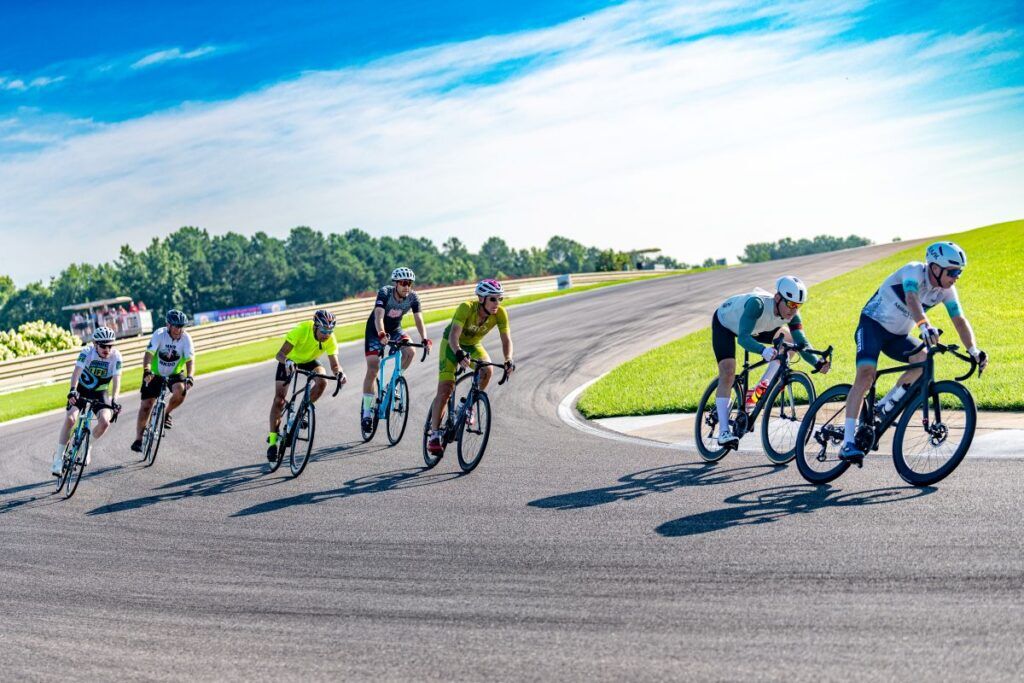
McIntosh said the “mini-Olympics” features more than 20 competitive events alongside more than 60 special programs. Participants include transplant recipients, living donors, donor families, future recipients and healthcare professionals, all connected by the transplant experience.
This year will also mark the first appearance of a team composed entirely of military veterans connected to transplantation.
“It’s a unique tribe of people,” McIntosh said. “A lot of people have faced near-death experiences, and there’s a bond there.”
The Transplant Life Foundation, founded in 2011, organizes the Games as part of its mission to support the transplant community. The organization serves transplant recipients, living donors, donor families, individuals on waiting lists, caregivers and medical professionals and partners with major transplant organizations nationwide.
The event is designed not only to celebrate life after a transplant but also to raise awareness about the ongoing need for organ donation.
“We’ve got 550,000 people on dialysis in America today, and it’s projected to go to a million in the next decade,” he said. “Kidney disease is the big elephant in the room.”
McIntosh hopes the Games will help dispel misconceptions about organ donation, particularly living donation.
“Most kidney and liver donors, in four to five weeks, are back to living their lives just like before,” he said.
For McIntosh, the mission is deeply personal. He still vividly remembers meeting Hitchcock, who donated her kidney at age 68.
“When I hugged Kathy for the first time, I had feelings I can’t fully describe,” he said.
That second chance has fueled his advocacy, from encouraging donor registration to promoting healthier lifestyles that may help prevent organ failure. He also emphasized the importance of reaching underserved communities, noting that end-stage renal disease disproportionately affects communities of color.
“We have to get healthier as a country,” he said. “High blood pressure, diabetes and excessive weight are all rising, and they’re terrible for your organs.”
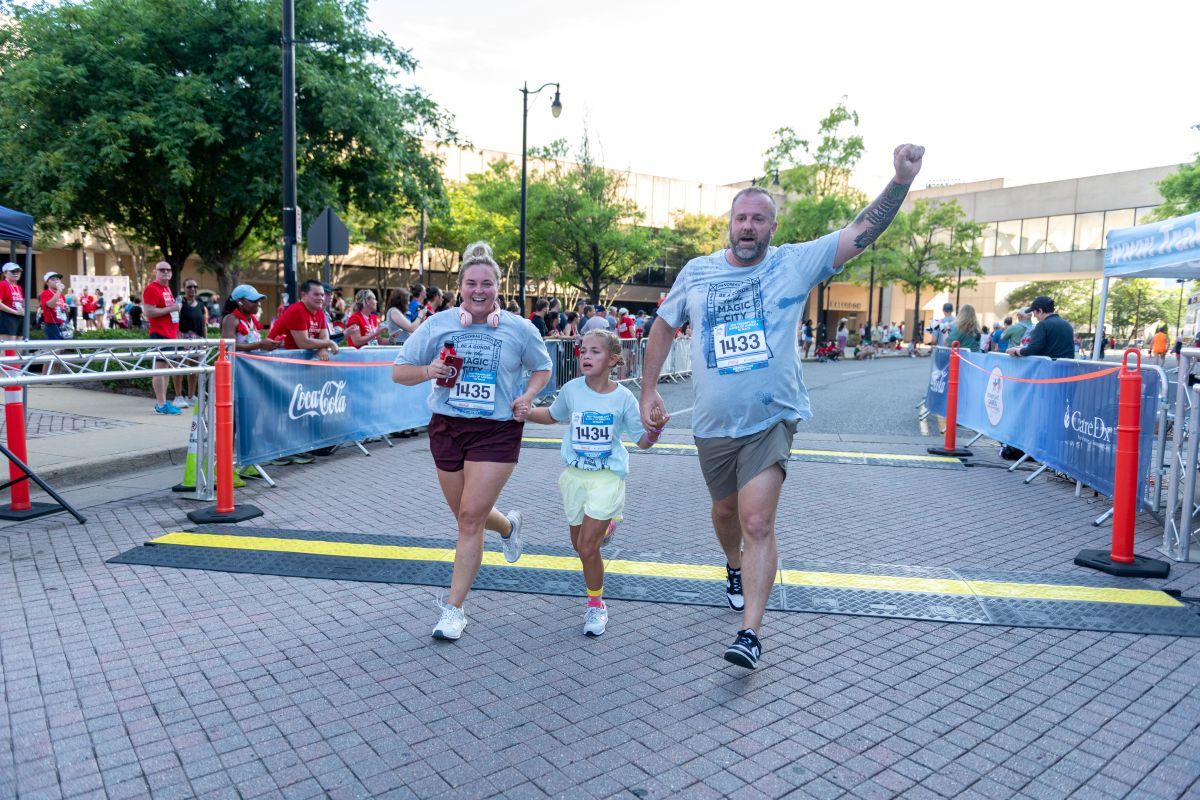
Beyond competition, organizers are encouraging the public to get involved by volunteering, attending events or participating in open activities like a 5K run and walk. More information is available on the organization’s website.
In a time often marked by division and uncertainty, McIntosh believes the transplant community offers something rare.
“There’s a lot of turmoil going on in the world,” he said. “But when you’re around people in the transplant community, there’s a special spirit there. It’s a real feel-good week.”