







11 players from 11 countries to know before kickoff — and Italy’s absence | 2026 World Cup Insider
Denver Gazette reporter Vinny Benedetto takes you around the World Cup:
The biggest stage of the beautiful game is back on American soil for the first time since Brazil bested Italy in penalty kicks to win the 1994 World Cup final at the Rose Bowl.
This year’s champion will be crowned July 19 at MetLife Stadium in New Jersey.
Here are 11 names to know from 11 countries before the action kicks off Thursday:

Forward
Erling Haaland, Norway
The last time the Norwegians qualified for the World Cup, a trip to the round of 16 in 1998, Haaland was yet to be born. Manchester City’s 25-year-old striker has scored goals in bunches everywhere he’s played and three times has led the Premier League in goals after bagging 27 this season. He became his country’s all-time leading scorer in 2024. With strength, speed, skill and a 6-foot-5 frame, Haaland is a complete player capable of using both his feet and his forehead to beat the keeper. The World Cup will be a new adventure, but Norway has legitimate star power thanks to Haaland and attacking midfielder Martin Odegaard.
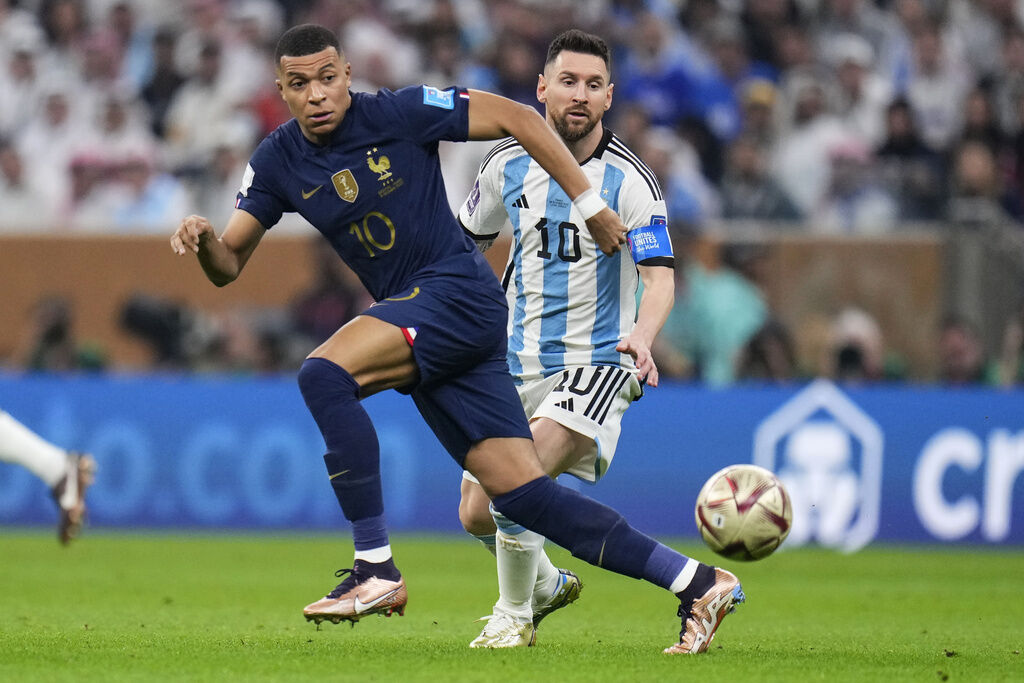
Lionel Messi, Argentina
A few weeks shy of his 39th birthday, this figures to be the greatest of all time’s sixth and final World Cup. His crowning achievement in international soccer came four years ago when he scored twice and converted a penalty kick to secure his country’s fourth World Cup. A couple of more big moments in this tournament will only strengthen Messi’s case to be the G.O.A.T. Those who watched him dazzle against the Rapids with Inter Miami a couple of months ago can attest Messi is still capable of producing brilliance.
Kylian Mbappe, France
Mbappe can’t be faulted for France’s shortcomings in the 2022 final. He scored all three of his team’s goals — two in the 90 minutes and an equalizer late in extra time — to force a shootout. He went on to convert France’s first penalty kick. At 27, the Real Madrid star is at the point of the career where he’s still got elite pace with plenty of experience in the biggest games. That’s a combination that makes Mbappe the most dangerous player on one of the favorites to win the tournament.
Midfield
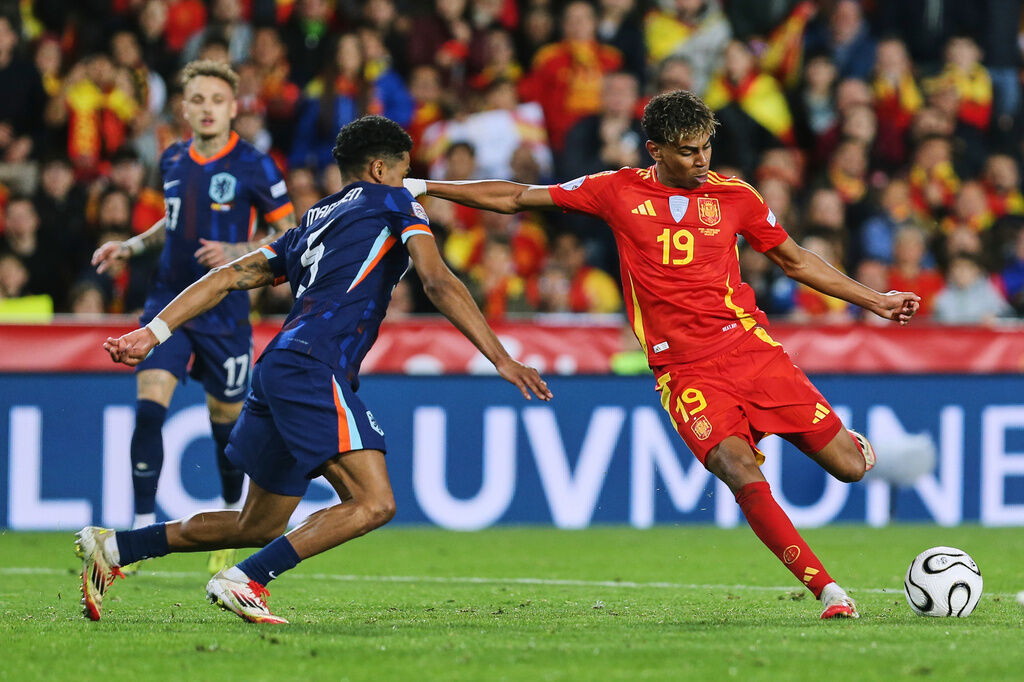
Lamine Yamal, Spain
The game is at good feet. At 18, Yamal is already one of the world’s most impactful players at Barcelona. He’s at his best slicing through defensive lines as an inverted winger playing on the right side of the field. A couple of years ago, he became the youngest player to appear, score and eventually win the Euro 2024. He assisted Spain’s first goal in an eventual 2-1 win over England in the final. If Yamal can avoid the trappings of stardom until his frontal lobe fully develops, this World Cup will serve as a pivotal early chapter in a long and illustrious career.
Bruno Fernandes, Portugal
The likelihood of this being Cristiano Ronaldo’s final chance to lead Portugal to World Cup glory will be the dominant storyline, but the success of what is likely the 41-year-old’s farewell tour will be most impacted by Fernandes. The Manchester United captain is one of the game’s most creative attacking midfielders and will surely supply his superstar teammate with ample opportunities to add to his record for goals in international play. The 31-year-old enters his third World Cup after being named Premier League Player of the Season and setting a record with 21 assists.
Declan Rice, England
The 27-year-old is one of the many reasons England is among the favorites to bring home the cup for the first time since 1966. Harry Kane, Bukayo Saka and Marcus Rashford headline the attack, while Rice does a lot of the necessary dirty work behind them. He’s capable of playing as a defensive or box-to-box midfielder and is coming off a career year with Arsenal, which won the Premier League and advanced to the Champions League final. That experience will benefit his country this summer.
Defender
Achraf Hakimi, Morocco
The Moroccans were the surprise of the last tournament, becoming the first African nation to reach the semifinals, and Hakimi was a big reason why. He converted the winning penalty to defeat Spain for a spot in the quarterfinals in Qatar. A clean sheet helped Morocco beat Portugal, 1-0, to reach the semifinals before a 2-0 loss to France ended the dream run. In the four years since, he’s continued to star for Paris Saint-Germain and played the entirety of PSG’s win over Arsenal to become the club champions of Europe. Hakimi is a blur down the right side of the field and will create chances for his strikers.
Gabriel, Brazil
For a country whose soccer history is littered with brilliant attacking players, the Arsenal center back provides the bite on the back line. At 6-3 he has the size paired with the mentality to win the ball in the box and snuff out scoring opportunities. He’s another player who will benefit from Arsenal’s successful season. Since setting the record with a fifth World Cup win back in 2002, Brazil has been to the semifinals once in the past five tournaments. Gabriel is a reason for optimism Brazil gets back where it belongs.
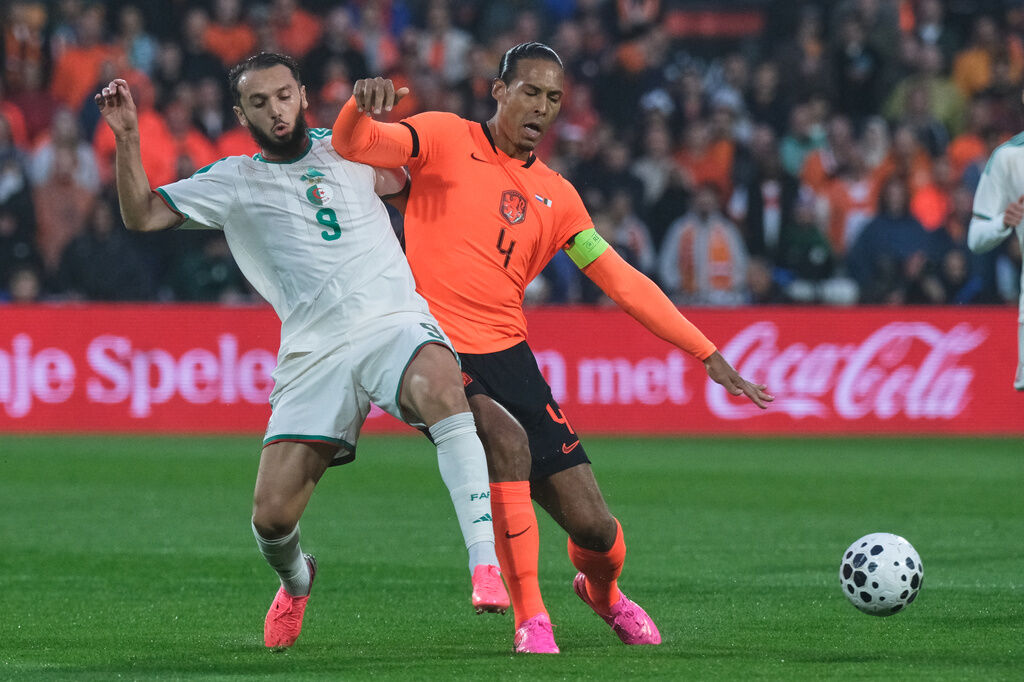
Virgil van Dijk, Netherlands
No list of the game’s best defensive players over the last decade goes without the Dutch center back. The captain of his national team and Liverpool is as good winning the ball in the air as he is with the ball at his feet. There’s plenty of quality in the Netherlands squad from Cody Gapko in the attacking third to Frenkie de Jong in the midfield, but the Oranje will rely on the center back’s calmness to continue the country’s proud tradition.
Alphonso Davies, Canada
Canada’s short history at the World Cup could get a little longer with a breakout tournament from its captain. Davies is one of the most electric wing backs on the globe. Few can keep up with the Bayern Munich star down the left side of the field. Davies and company qualified on their own for the 2022 tournament — Canada’s first appearance since 1986 — and are back as co-hosts this year. If Canada wants to reach the knockout stage for the first time, it will require massive contributions from Davies on both ends.
Goalkeeper
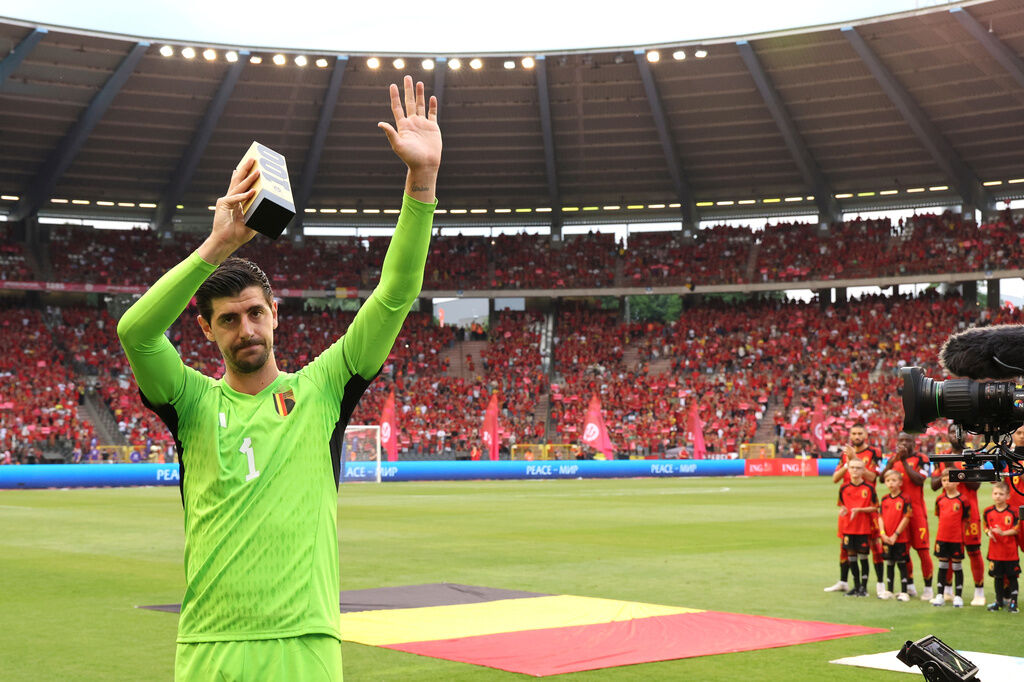
Thibaut Courtois, Belgium
The sun is setting on what was supposed to be a golden generation of Belgian soccer headlined by striker Romelu Lukaku, midfielder Kevin De Bruyne and their big man between the posts. Courtois has been in goal for the last three World Cups, including the dramatic win over the United States in 2014 and a third-place run in 2018. The 6-7 shot stopper has played in plenty of other big matches with Chelsea and Real Madrid in the last 15 years. One more deep run before a new crop takes charge will require more big moments from the 34-year-old keeper.
What I’m thinking
Soccer in the United States has come a long way since the last time the World Cup came stateside.
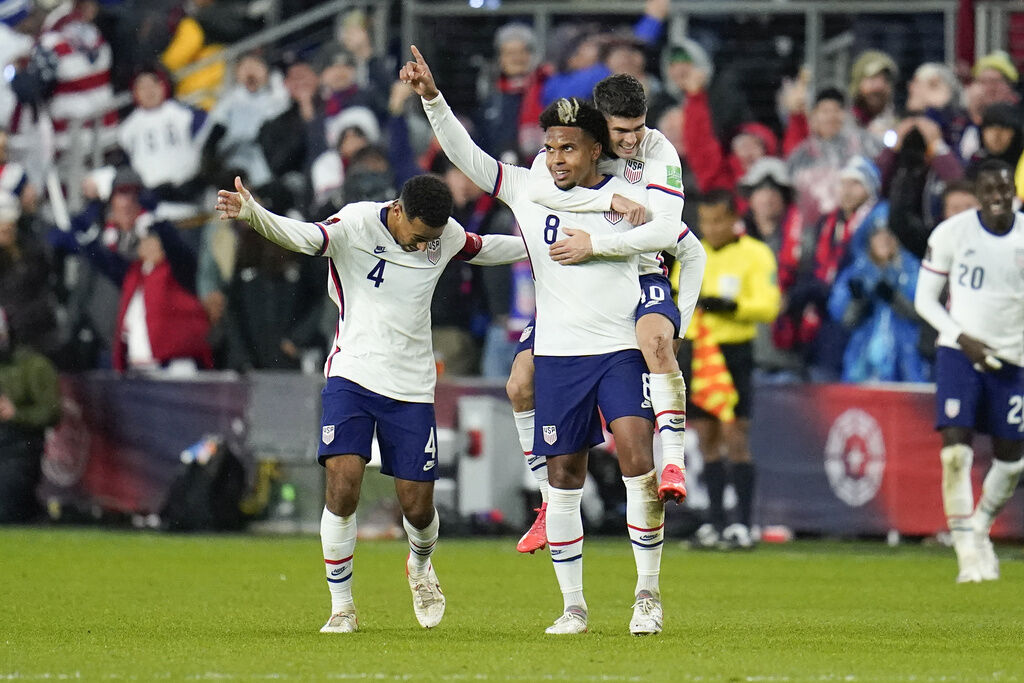
Back in 1994, Major League Soccer was still a couple of years away from playing its first match. Now, MLS and its academy system serve as a launching point for the best and brightest American footballers, who have found success at top European clubs with increasing frequency. It’s the route taken by half of the 26-man World Cup roster, including some of the team’s most impactful players.
Weston McKennie, now at Italian power Juventus, came out through the FC Dallas system. Bournemouth midfielder Tyler Adams progressed through the New York Red Bulls system. The same can be said of midfielder Gio Reyna and New York City FC and goalkeeper Matt Freese and Philadelphia Union.
Christian Pulisic, the face of American soccer who’s now with AC Milan, is the outlier. Though he briefly played for a Philadelphia Union youth team, his ability to obtain a Croatian passport allowed him to join Borussia Dortmund’s academy in Germany at 16 instead of 18.
Most of those players will be at the back end of their athletic primes by time the 2030 World Cup rolls around, putting extra emphasis on making the most of this opportunity on home soil. A favorable group featuring Paraguay, Australia and Turkey means reaching the knockout stage should be a minimum definition of success. A second-ever trip to the quarterfinals — joining the 2002 squad that put up a fight against eventual finalist Germany — should be the goal.
The United States still has a long way to go to catch up with the elite nations, but this summer should serve as a big step for American soccer.
What’s changed?
- The World Cup expands to 48 teams this year. Previous installations featured 32 teams from 1998-2022 with 24 teams competing from 1982-94.
- This year’s tournament marks the first time three countries — Mexico, Canada and the United States — split the hosting duties.
- Hydration breaks will be implemented for the first time with the game stopping midway through each half for a few minutes.
- The Video Assistant Referee (VAR) system has been tweaked to allow for more reviews to determine whether a corner kick or goal kick should be given or fix cards assessed to the wrong player.
- Players can also be shown a red card for covering their mouths in confrontational moments, an effort to curb racial abuse.
- There are new rules about the length of time it takes players to exit the pitch after an injury or substitution to fix popular time-wasting practices.
Who’s new and who’s missing?
Buy your favorite paisan a Peroni. Despite lifting the trophy four times, Italy will miss the World Cup for an unprecedented third consecutive tournament. The Azzurri lost a penalty shootout to Bosnia and Herzegovina with a spot in the tournament on the line.
Denmark, Nigeria, Poland and Chile are among the other notable countries that failed to qualify.
Cape Verde, Curacao, Uzbekistan and Jordan will make their World Cup debuts this week.