







Final Colorado reservoir removed from list of waters infested by invasive mussel species
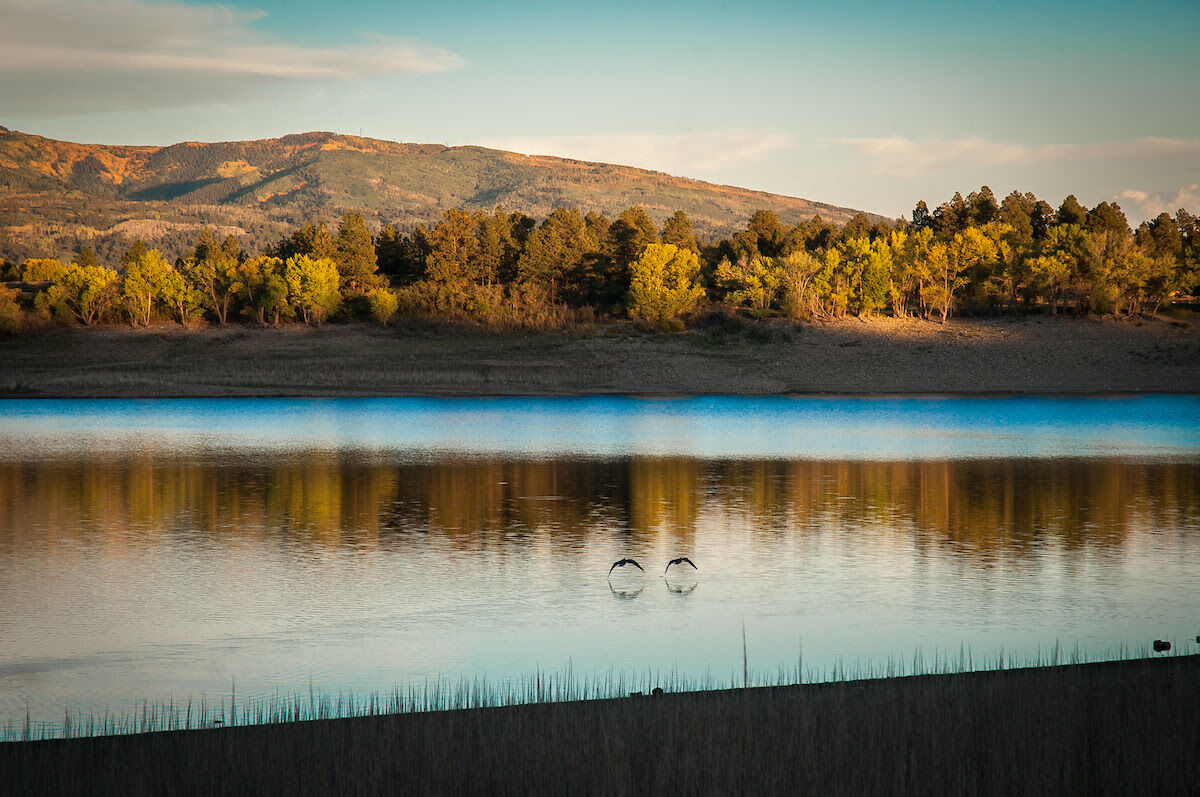
Christopher Stark, Colorado Parks and Wildlife
After three years in a row of testing negative for the prohibited quagga mussels, Colorado Parks and Wildlife removed Green Mountain Reservoir in Summit County from the invaded waters list.
Green Mountain Reservoir was the last in the state to contain the aquatic nuisance species, making Colorado a completely negative state for zebra and quagga mussels — the only state in the U.S. to de-list all mussel positive waters.
“We are confident that Green Mountain Reservoir is free of invasive mussels and does not pose a risk to other aquatic resources,” said Robert Walters with CPW.
Colorado ranchers see dividends in water for fish. Are they on to something?
“This is a testament to the fact that our mandatory watercraft inspection and decontamination procedures do work to protect Colorado’s waters from invasive species.”
Green Mountain Reservoir first tested positive for quagga mussel larvae in August 2017. No adult mussels were ever found in Green Mountain Reservoir or in any other Colorado body of water.
Bodies of water can become contaminated with the invasive mussels when boats enter infested waters and then unknowingly transport the mussels across state lines and into Colorado’s waters.
“By participating in cleaning, draining and drying your watercraft and gear between each and every use, we can continue to prevent the spread of invasive species,” Walters said.
Colorado Parks and Wildlife awards over $16,000 in grants to state rehabilitation efforts
To help prevent the spread of invasive species like the zebra and quagga mussels, the national Aquatic Nuisance Species Task Force approved Colorado’s Aquatic Nuisance Species Management Plan in December.
The plan, originally conceptualized in 2006, was developed by CPW staff and other state experts. It provides watercraft inspection and decontamination services, monitoring of state waters and management of existing populations.
“It sets a clear path forward on how we can prevent and manage aquatic nuisance species in Colorado,” said Reid DeWalt with CPW. “Invasive species have the potential to cause significant irreversible environmental impacts.”