







Colorado’s Jason Crow seeks EPA intervention in proposed and gas drilling proposal in Aurora

Timothy Hurst/Denver Gazette
U.S. Rep. Jason Crow effectively wants federal regulators to intervene in the proposal to operate oil and gas wells near the Aurora Reservoir, citing its proximity to a Superfund site.
Crow has been pushing the EPA since last year to interject in the matter.
In a letter on July 15, Crow asked the EPA if the agency has “evaluated the risks of the proposed oil and gas development near” the Lowry Landfill Superfund Site “using independent scientific studies.”
“If so, can EPA provide the sources of this information? If not, how can the agency be certain the drilling will not cause fractures and instability that threaten the mitigation strategies EPA has in place at LLSS?” the congressman said.
Civitas, which has cleared the technical requirements to complete its application, is encountering opposition from nearby residents and environmental groups.
The EPA has not objected to the drilling proposal, though it raised concerns regarding the proposed wells’ proximity to the Superfund site, which is owned by the City and County of Denver and operated by Waste Management of Colorado.
From 1965 to 1980, an estimated 138 million gallons of liquid industrial waste was disposed of in about 78 unlined pits over about 200 acres near Gun Club Road in Arapahoe County.
In the 1980s, the EPA found contamination from the site in groundwater, surface water, soil and sediments and put a remedial plan into place. It included adding underground barrier walls, constructing a water treatment plant to treat groundwater, and taking other measures to make sure the contaminants no longer affected health and safety.
Talk about the proposed drilling project started two years ago, when Civitas filed the Lowry Ranch Comprehensive Area Plan, which includes 32,000 acres of proposed subsurface mineral development. The company proposed eight locations with a total of 166 new wells and 14 existing horizontal wells. The development includes drilling about 7,000 feet under the Aurora Reservoir.
After several revisions sought by the Colorado’s Energy and Carbon Management Commission, the state body determined last February that the application is now complete and scheduled for a hearing on the proposal in late July.
In his letter to the EPA, Crow cited concerns by Aurora residents over the “lack of conclusive scientific review regarding an adequate seismic buffer zone to safeguard the LLSS remediation infrastructure.”
“My office has further heard concerns regarding the safety of the Aurora Reservoir Dam and the reservoir itself; the impact of the CAP on compliance with EPA environmental standards, exposure to hazardous pollutants, and the 3-mile plume; and ensuring nothing threatens the work EPA has done to ensure continued access to safe, clean drinking water across the community,” he said.
He also asked if the EPA plans to conduct PFAS testing in the area.
Last May, the EPA told Colorado’s Energy and Carbon Management Commission it is “concerned that minerals exploration, including fracking, could create releases of the hazardous waste from the landfill mass.”
The federal agency has discussed the matter with Civitas.
Rich Coolidge, a Civitas spokesperson, also there has not been any “reportable seismic activity caused by hydraulic fracturing in Colorado.”
Company officials promised to adopt a wide array of precautions, including building wells farther away from homes and adding air monitoring and sound barriers to protect residents and ensure the project does not negatively affect the area.
In addition to meeting the requirements to finally get a hearing from the state Energy and Carbon Management Commission, the company has assured the EPA that it would limit its wells to stay clear of a Superfund site.
Civitas added the project would yield an estimated $235 million in tax revenue for Arapahoe County.
In a letter to Civitas from the city of Aurora, officials said they are not concerned about seismic risk to the Aurora Reservoir or dam. Seismic studies have not showed any large faulting in the area or any evidence of a fault that could be re-activated through hydraulic fracturing, they said.
The controversy erupted even as policymakers are aggressively seeking to transition the state away from fossil energy. Indeed, while Colorado is one of the country’s top energy producers — in 2022, the state ranked No. 5 in crude oil production and No. 8 in natural gas — there has been a persistent effort to limit the industry’s footprint, a campaign that has intensified in the last several years.
Proponents of the transition argue it benefits the environment, creates a healthier environment for people and saves Coloradans money, anticipating that, over the long term, renewable energy would be more economical to produce. Critics, meanwhile, say the transition is happening too quickly, that it would be financially costly to people and businesses alike and that a diverse energy portfolio that incudes fossil-fired and renewable energy is more reliable and sustainable
The Energy and Carbon Management Commission will hold a hearing on the proposal on July 30 and Aug. 2.
“Local community members remain concerned over the lack of conclusive scientific review regarding an adequate seismic buffer zone to safeguard the LLSS remediation infrastructure,” Crow wrote in the letter. “My office has further heard concerns regarding the safety of the Aurora Reservoir Dam and the reservoir itself; the impact of the CAP on compliance with EPA environmental standards, exposure to hazardous pollutants, and the 3-mile plume; and ensuring nothing threatens the work EPA has done to ensure continued access to safe, clean drinking water across the community.”


Cleo Parker Robinson Dance studio shines in Denver’s Five Points neighborhood
Dennis Huspeni
dennis.huspeni@gazette.com
Updated 11 hours ago
When people walk by the new Cleo Parker Robinson Dance Center for the Healing Arts expansion building, they’ll pass colorful dots they might not realize are instructions of how to dance Parker Robinson’s “Mary Don’t You Weep” — a tribute...

Dennis Huspeni
Reporter

Denver’s newest professional team meets in person for the first time
9News
9news@denvergazette.com
Updated 8 hours ago
DENVER — For the first time since its roster began taking shape, Denver Summit FC brought its players, coaches and executives into the same room. The gathering on Saturday marked the club’s first full-team media availability — and, for many...

9News
Reporter
Denver Zoo investigating Malayan tapir deaths
9News
9news@denvergazette.com
Updated 16 hours ago
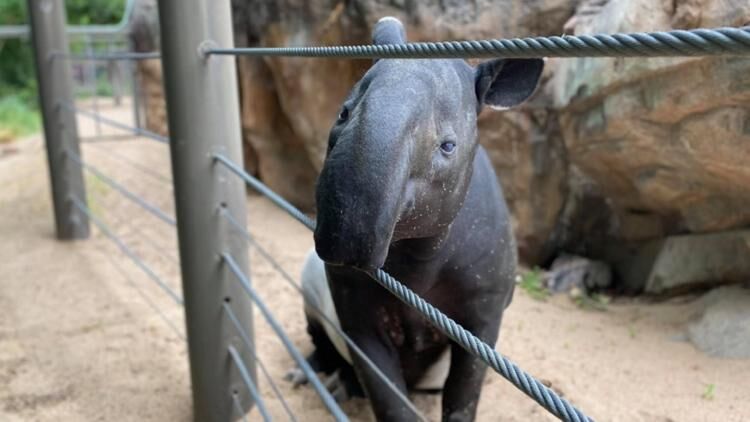
The zoo said its animal care and health teams were investigating the recent deaths of two Malayan tapirs, as they happened in a short period of time. DENVER — Teams at the Denver Zoo are working to determine what happened...
9News
Reporter
Aurora City Council member arrested on suspicion of DUI
Dennis Huspeni
dennis.huspeni@gazette.com
Updated 15 hours ago
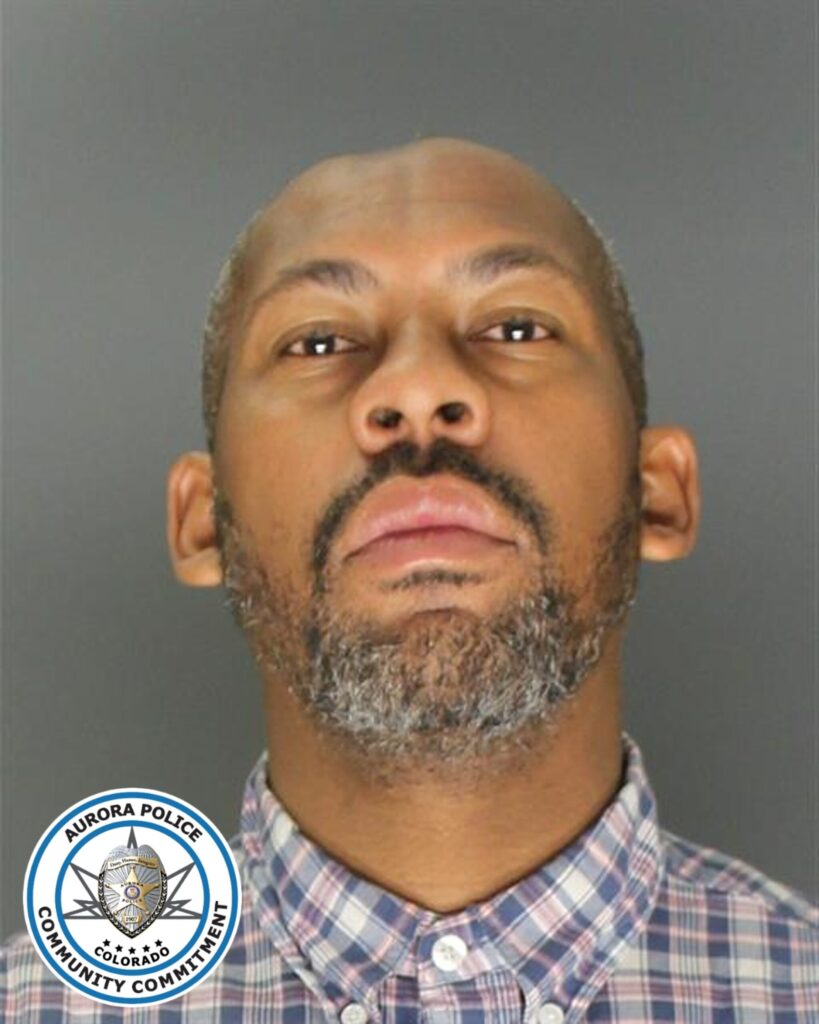
Aurora police on Saturday arrested recently elected Aurora City Council member Robert Andrews. Aurora Police Department officials confirmed Andrews, 41, was arrested after patrol officers noticed a truck that was weaving. The incident started about 9:30 p.m. Saturday, when “officers...
Dennis Huspeni
Reporter
As ICE arrests rise in the U.S., one detainee was eager to leave the country
Mackenzie Bodell
mackenzie-bodell@denvergazette.com
Updated 14 hours ago
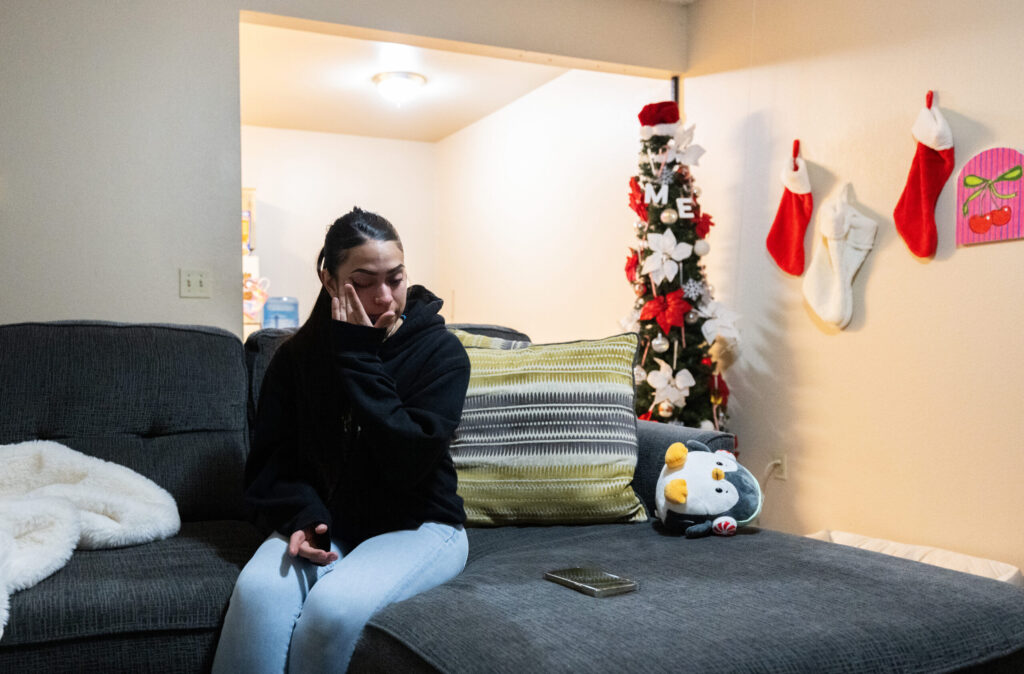
Marivel Azpeitia was driving from their home in Colorado Springs to Dallas with her fiancé to pick up her stepchildren for Christmas when the pair was pulled over by Texas law enforcement. It would be some of the last moments Azpeitia would see her fiancé,...

Mackenzie Bodell
Reporter

Long-awaited Cleo Parker Robinson Dance Center opens in Five Points
Michael Braithwaite
michael.braithwaite@gazette.com
Updated 22 hours ago
After 55 years of teaching dance in Five Points, Cleo Parker Robinson finally has a permanent home for her Denver dance ensemble. Located at the intersection of North Washington Street and Park Avenue and directly adjacent to the Historic Shorter...

Michael Braithwaite
Reporter

The wedding of the two widows
John Moore
john.moore@denvergazette.com
Updated 21 hours ago
The marriage of Wendy Ishii and Bo Dimon is the story of creative conflict resolution, forgiveness and financial pragmatism LAPORTE – When Bo Dimon learned that Wendy Ishii keeps a voodoo doll of her on her fireplace mantle – and she...

John Moore
Reporter
Colorado oilmen may play key role in Trump’s Venezuelan oil takeover plan
Vince Bzdek
vince-bzdek@denvergazette.com
Updated 2 days ago
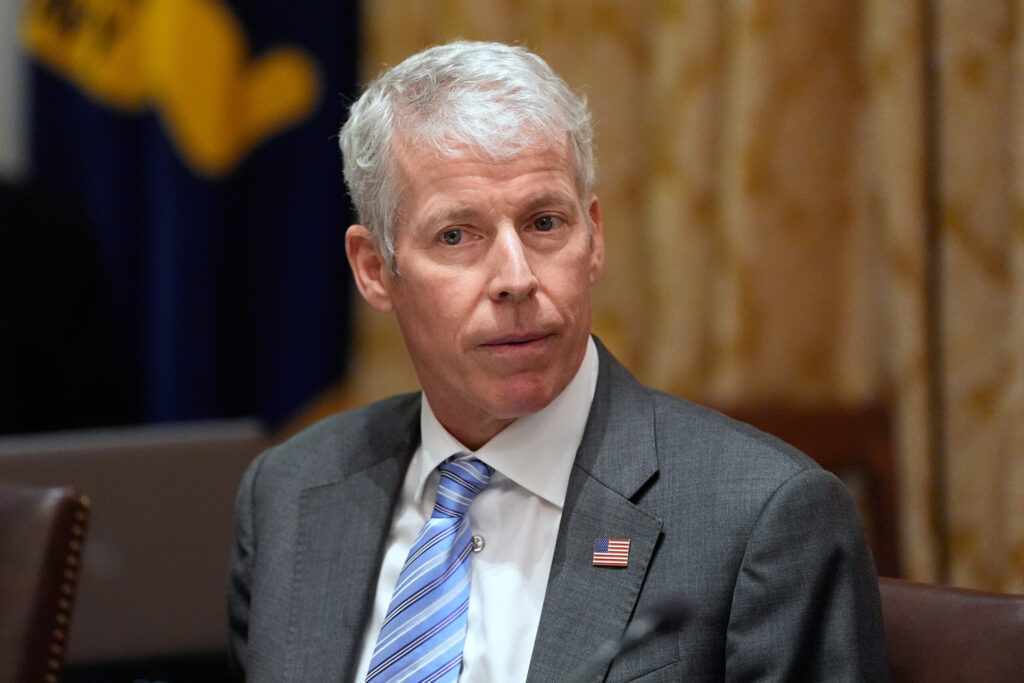
When President Donald Trump summoned oil executives to the White House recently to push for major investment in Venezuela, an interesting sprinkling of smaller independent companies from Denver was invited along with the big names of American oil. One of...

Vince Bzdek
Reporter

Denver’s Florence Crittenton prepares teen moms for self-sufficient futures
HAP FRY Special to The Gazette
hap-fry-special-to-the-gazette@denvergazette.com
Updated 15 hours ago
For a first-time visitor, there is a lot to process at 96 South Zuni Street in Denver, where the omnipresent kinetic energy and stimulation can best be described as electric. On this particular mid-December Thursday, there are no fewer than...

HAP FRY Special to The Gazette
Reporter
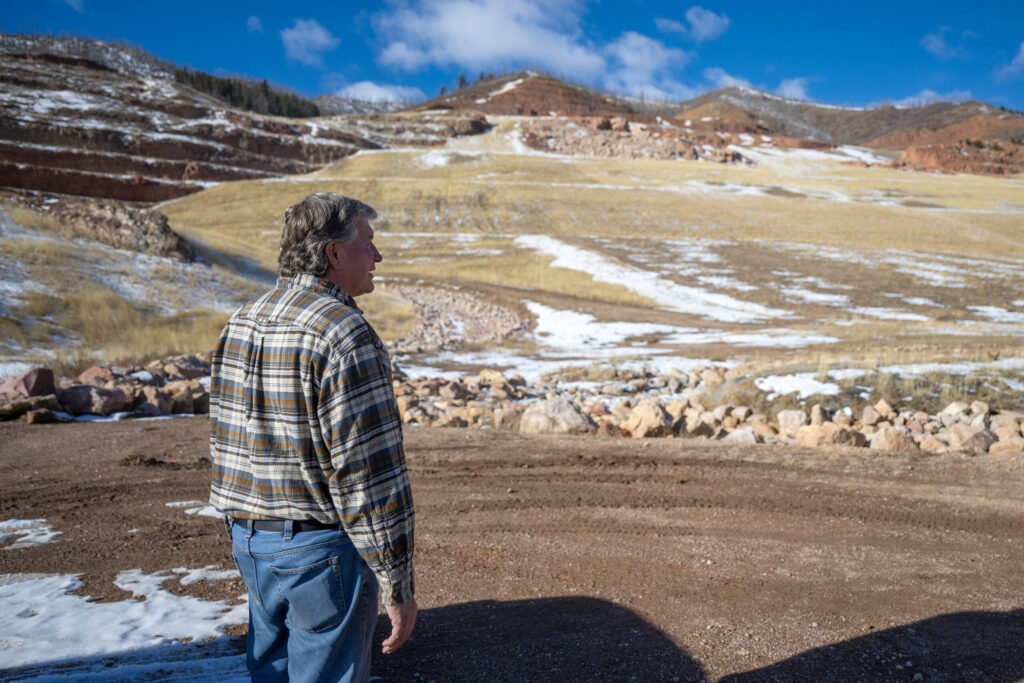
Reclamation of historic Pikeview Quarry complete: ‘A great day for Colorado Springs’
Seth Boster
seth-boster@denvergazette.com
Updated 3 days ago
It began small, as some wounds begin ー something like a scratch on Colorado Springs’ northern mountainside. But over 100 years the people below watched it fester, that scratch becoming a scar that would grow and grow along with a...

Seth Boster
Reporter