







Live Well: Regular or diet soda? Either one is no friend to your body
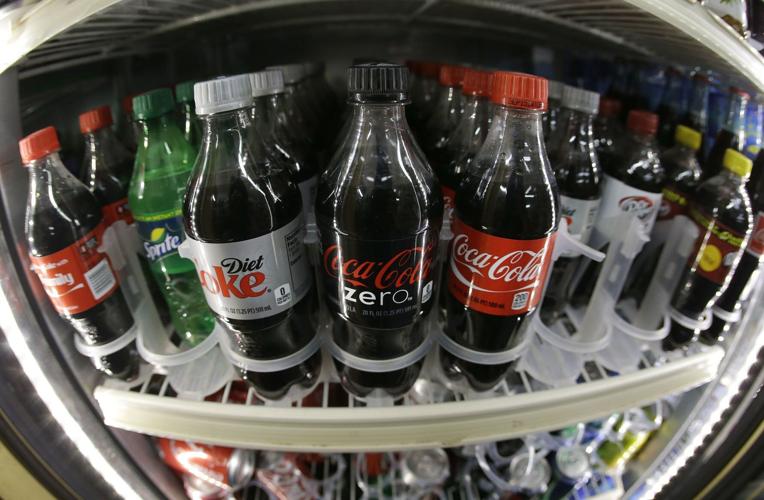
When it comes to a choice between regular soda or diet soda, neither option is much better than the other.
The Associated Press

Pick your poison: regular soda or diet soda. One is not better than the other. They’re both terrible for you, just in different ways.
But which one would a dietitian choose, if forced to pick?
Kelly Smith, a registered dietitian nutritionist at Springs Nutrition and Wellness, can’t even answer that question.
“I just drink water,” Smith said. “Every once in a while I’ll have a LaCroix sparkling water. Occasionally I’ll have an Izze with real juice.”
And when it comes to her patients, she has them transition off regular soda to diet soda, and eventually to sparkling water with no sweetener, such as Hint, which is sweetened with fruit essence, or Bubly Sparkling Water, flavored with essences or extracts found in spices, fruits, fruit juices, vegetables and herbs.
You don’t need to look far to find evidence either variety of soda can wreak havoc in your precious body. In addition to potentially providing hundreds of extra calories per day, drinking sugary beverages increases the chance of developing Type 2 diabetes, heart disease and other diseases. And in diet soda, the sweeteners, called nonnutritive sugars, such as aspartame and sucralose, are no friends to your belly.
“In large quantities — more than two servings a day — it (sweeteners) can contribute to a change in the gut biome, which is not great,” Smith said. “We’re seeing some evidence that it’s contributing to Type 2 diabetes and obesity in the way the gut signals.”
Here are the scary stats: A 12-ounce can of soda clocks in at 10 teaspoons of sugar, which works out to 40 grams, and 150 calories. Just for fun, picture yourself counting out 10 teaspoons of the white stuff, and plopping them into a glass of water. Mmmm, yucky. Orange juice, another non-healthy beverage that many have been bamboozled into thinking is healthy, boasts the same amount of sugar as cola and 170 calories, according to the Department of Nutrition at Harvard School of Public Health. Sports drinks have 5 teaspoons of sugar and 90 calories.
If you’re aiming to lose a little weight, eliminating sugary drinks would go a long way toward achieving that goal.
“You’re supposed to get not more than 10% of your calories from sugar each day,” Smith said. “That’s 25 grams total. That includes mayonnaise, ketchup, yogurt, anything else you would add sugar into.”
Live Well: Age is nothing but a number, but often a younger number
That number is low for many reasons, one of which is the affect sugar has on our immune systems, which seems pretty important these days. All sugar depresses our immune system. It causes inflammation in our body, and ingesting lots of it can lead to chronic inflammation, something we don’t want. Messing with white blood cells, which make up a chunk of our immune system and help fight infection and other diseases, will lower their morale. They might not do their job as well.
“When you have spikes in sugar intake, that can suppress and temporarily weaken the immune system,” Smith said. “Too much sugar allows bacteria or viruses to propagate because initial immunity doesn’t work as well.”
It takes only 75 grams of sugar to weaken your immune system, she said, and it lasts for about five hours. That means two cans of soda, at 40 grams of sugar apiece, will set your immune system back for a good bit of time. And if you consume even more sugar periodically throughout your day, as many do, because it’s in so much of our processed foods and restaurant meals, consider what that’s doing to your insides. No wonder so many of us get sick — we’re constantly suppressing the system that’s trying to keep us healthy.
And what about those sweeteners? A 2019 study published by National Library of Medicine’s National Institutes of Health looked at the effects of sweeteners on the gut microbiota. It found saccharin, sucralose (Splenda) and stevia change the composition of the microbiota.
Another study, published in the peer-reviewed journal Molecules, reported the six common artificial sweeteners approved by the U.S. Food and Drug Administration, including aspartame, sucralose, saccharine and acesulfame potassium-k, were toxic to the digestive gut microbes of mice.
Colorado Springs woman paints, teaches Buddhist art
And then there’s the interesting thing our brains do when it comes to diet soda. Our noggin expects calories when we drink diet soda, but when it doesn’t get them, it wants them in some other form.
“Those who drink diet will have a higher intake of calories later in the day because they didn’t get the sweet calories their brains were expecting,” Smith said.
So what’s a thirsty human to do? Well, water, for one. It might be time to guzzle it even if you think it doesn’t taste like anything. A squeeze of lemon or lime or a slice of cucumber can go a long way. Smith also likes iced or hot tea, such as a decaf or regular green tea. Coffee is even fine, she said, up to a point, as long as you’re not putting tons of sweetener in it.
“We’re chronically dehydrated as Americans,” she said. “We don’t drink enough water. We don’t even drink enough fluids.”
Contact the writer: 636-0270
Contact the writer: 636-0270