





State to construct wildlife overpass, underpass across U.S. 160 to prevent collisions
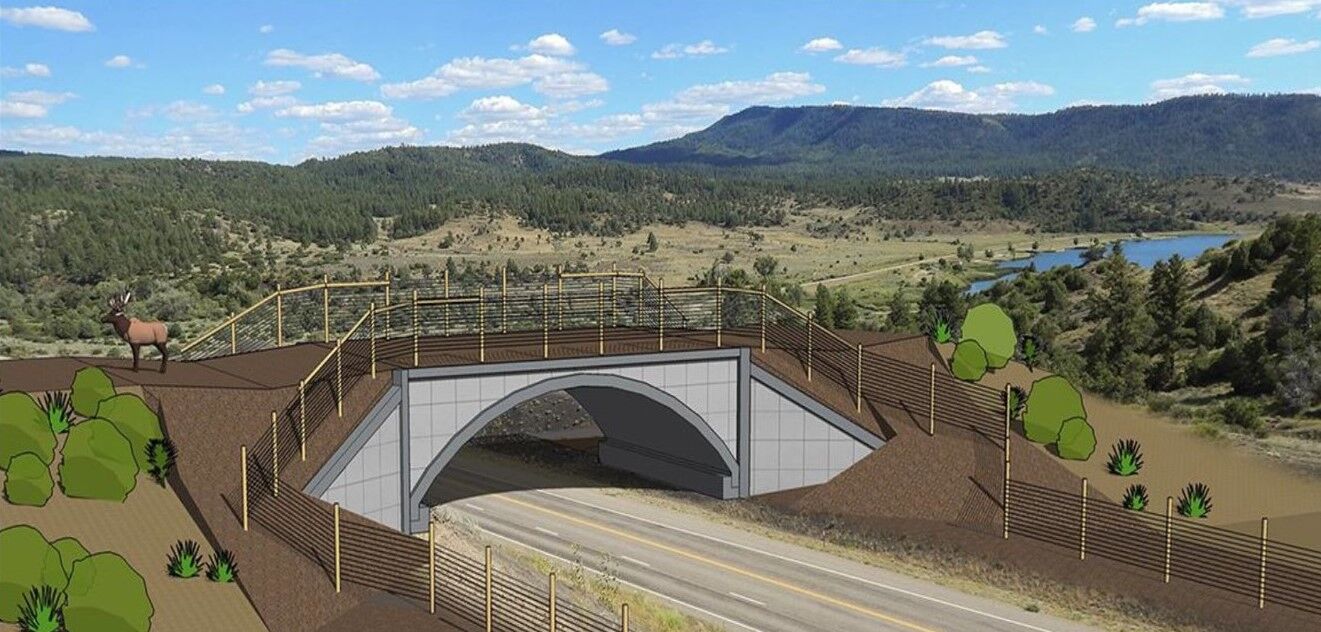
Photo courtesy of Colorado Parks and Wildlife
Wildlife crossing areas and safety measures will be constructed for U.S. Highway 160 between Durango and Pagosa Springs as part of a wildlife mitigation project, Colorado Parks and Wildlife announced Tuesday.
The project, including an underpass and overpass, will allow wildlife to cross the highway safely to help prevent animal-vehicle collisions.
“This is a heavily used corridor by vehicles and an important area in the San Juan Basin for big game,” said CPW biologist Scott Wait. “Most big game move to the important winter range areas south of the highway during the winter.”
In the project area, more than 60% of vehicle crashes are attributed to wildlife, CPW said. The project is expected to reduce animal-vehicle collisions in the area by at least 85%.
Colorado poaching case ends in 5 guilty pleas, over $10,000 in fines
The $11.3 million project will span two miles on U.S. 160 between mile markers 126 and 128, about 13 miles west of Pagosa Springs and 37 miles east of Durango.
Work includes the construction of a wildlife underpass, a wildlife overpass and an 8-foot-tall fence along both sides of the highway.
The project is a collaborative effort among CPW, the Southern Ute Indian Tribe, the Colorado Department of Transportation and several other organizations.
While designing the project, the Southern Ute Indian Tribe provided researchers with critical biological information, including seasonal migration patterns and habitat in the area, that influenced design and construction.
“Hunting is an extremely important component to the Southern Ute Indian Tribe and culture and it is considered vital to keep these traditions alive,” said Steve Whiteman, acting director of natural resources of the Southern Ute Reservation.
On heels of wolf debate in Colorado, could wolverines be next?
The tribe also contributed $1.3 million to help fund the project.
Other financial contributions include $8.6 million from CDOT, $750,000 from CPW, $317,000 from the National Fish and Wildlife Foundation, $100,000 from Mule Deer Foundation and $75,000 from the Rocky Mountain Elk Foundation.
“We are extremely grateful for the phenomenal partnerships that have made this project feasible,” said Tony Cady with CDOT.
Construction of the project is scheduled to break ground in the spring and conclude by the fall.
This will add to the more than 60 wildlife mitigation structures CDOT has constructed above and below highways throughout the state.

After Colorado reintroduction, wild turkeys are a common urban encounter
Savannah Eller
savannah-eller@denvergazette.com
Updated 1 week ago
Since moving into her neighborhood in 2017, Fountain resident Nicole Henderson has sighted her feathered neighbors like clockwork. She’s taken videos of them scratching at front lawns and bobbing their heads as they make meandering road crossings. “They are out...

Savannah Eller
Reporter
Colorado regulators target oil and gas emissions anew
Scott Weiser
scott-weiser@denvergazette.com
Updated 4 days ago
A Colorado commission is mandating an additional 50% cuts in nitrogen-oxide emissions from oil and gas operations by 2030. The Denver basin has a serious problem with summer ozone, though more than half of that comes from wildfires, pine trees...

Scott Weiser
Reporter
Colowyo coal mine near Craig lays off 133 workers as mine closes
Scott Weiser
scott-weiser@denvergazette.com
Updated 4 days ago
Neil McCandless sat in a Craig coffee shop, reminiscing on his 94 years in a town that has gone from sheep ranching to coal mining to power production but which is now moving toward an uncertain future. Coal mining is...
Scott Weiser
Reporter
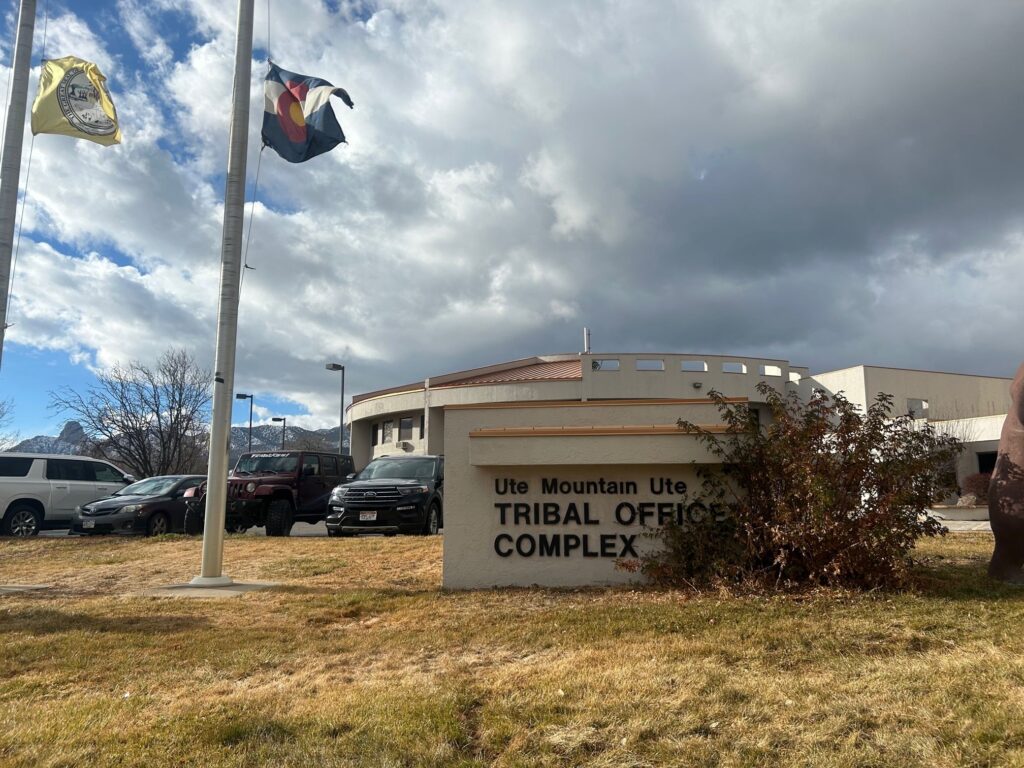
EPA takes joint control of gasoline spill cleanup on Southern Ute land
Scott Weiser
scott-weiser@denvergazette.com
Updated 3 days ago
The U.S. Environmental Protection Agency has assumed joint oversight of the cleanup from a 97,000-gallon gasoline pipeline rupture on Southern Ute lands, the tribe announced on Friday. The move, nearly a year after the Dec. 5, 2024 leak, comes after...
Scott Weiser
Reporter
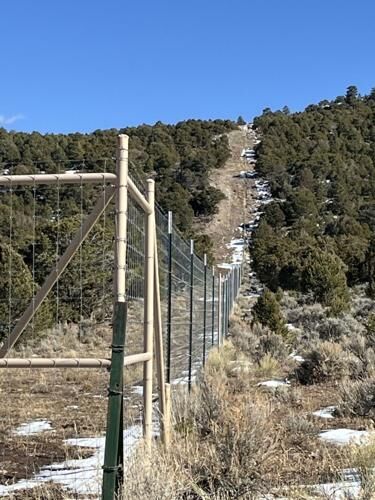
Ranch owner who built 8.5-foot fence in Colorado faces $66K per day fine
R. Scott Rappold
r-scott-rappold@denvergazette.com
Updated 1 week ago
SAN LUIS • A Texas businessman who built an 8.5-foot-high fence partially around his ranch in Colorado’s San Luis Valley could face fines of up to $65,544 per day after state regulators determined runoff from the disturbed land could contaminate...

R. Scott Rappold
Reporter
Ranch owner who built 8.5-foot fence in Colorado faces $66K per day fine
R. Scott Rappold
r-scott-rappold@denvergazette.com
Updated 1 week ago
SAN LUIS • A Texas businessman who built an 8.5-foot-high fence partially around his ranch in Colorado’s San Luis Valley could face fines of up to $65,544 per day after state regulators determined runoff from the disturbed land could contaminate...
R. Scott Rappold
Reporter
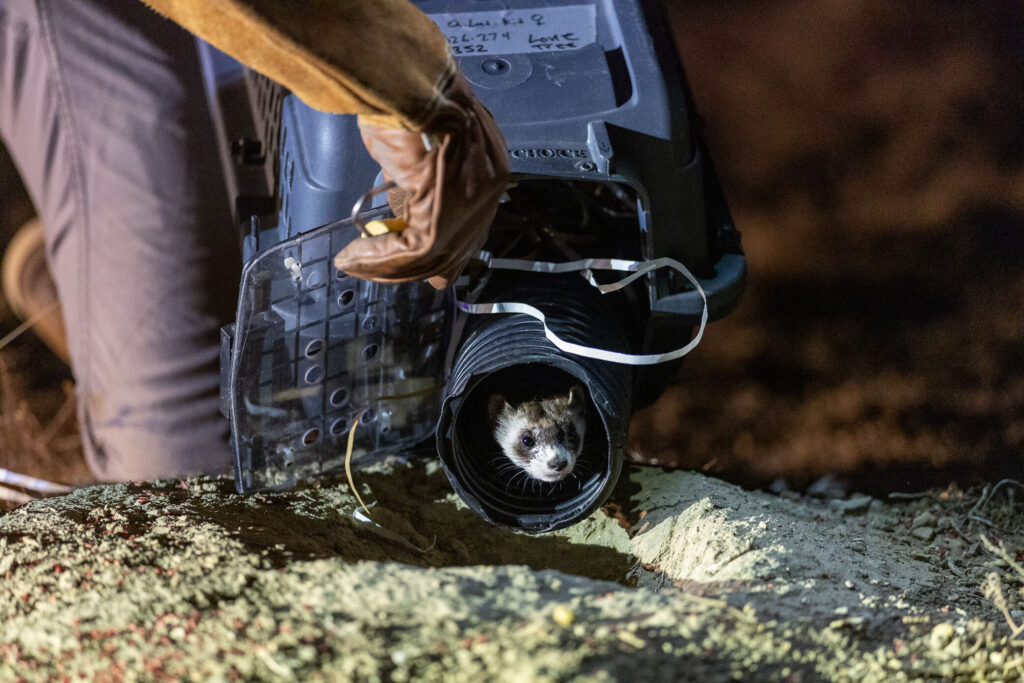
Researchers in Colorado using cutting-edge tech to track the continent’s most endangered mammal
Savannah Eller
savannah-eller@denvergazette.com
Updated 2 weeks ago
LAMAR — Hours after being released into a prairie dog town on the vast Southern Plains Land Trust, a game camera picked up on one of five captive born black-footed ferrets finding a burrow for the night. So far, so...
Savannah Eller
Reporter
Denver opens ’embodied carbon’ pilot program
Scott Weiser
scott-weiser@denvergazette.com
Updated 1 week ago
Denver has begun accepting applications for an incentive program that offers funding and technical support to reduce the “carbon footprint” of building materials in large commercial projects. Applications for the city’s “Embodied Carbon Pilot Program” are open through Dec. 2....
Scott Weiser
Reporter
Colorado rolls out plan to supercharge clean-energy jobs boom
Scott Weiser
scott-weiser@denvergazette.com
Updated 2 weeks ago
A new state analysis released Tuesday warns that Colorado will face significant shortages of skilled trades workers, threatening the state’s ability to meet Gov. Jared Polis’ greenhouse gas reduction goals unless it dramatically ramps up training. The report shows gaps...
Scott Weiser
Reporter

Cotton in CO? Southeast farmers test if crop has potential to take hold
Brennen Kauffman
brennen-kauffman@denvergazette.com
Updated 5 days ago
BENT COUNTY — It’s easy to spot Caleb Wertz’s fields along the farmland east of Las Animas. About half of the Wertz family’s land is growing corn but the other half is filled with scraggly, foot-high plants dotted with soft...

Brennen Kauffman
Reporter
PREV
PREVIOUS

Colorado poaching case ends in 5 guilty pleas, over $10,000 in fines
Facebook Twitter WhatsApp SMS Email Print Copy article link Save A poaching case from 2019 was finally resolved Monday as Colorado Parks and Wildfire announced the five suspects had pleaded guilty to the charges. The suspects, two of whom are juveniles, must pay more than $10,000 in fines and $2,500 in donations to Operation Game […]

Boulder County passes strictest fracking regulations in the state
Facebook Twitter WhatsApp SMS Email Print Copy article link Save The Boulder County Board of Commissioners unanimously voted Thursday to pass strengthened rules and regulations for oil and gas development, including increasing setbacks for fracking sites. From now on, oil and gas well pads in the county will generally have to be at least 2,500 […]