Mellon grant will honor ‘Gang of 19,’ audit controversial Civic Center monuments
$2.3 million will determine what to do about Christopher Columbus, Kit Carson commemorations
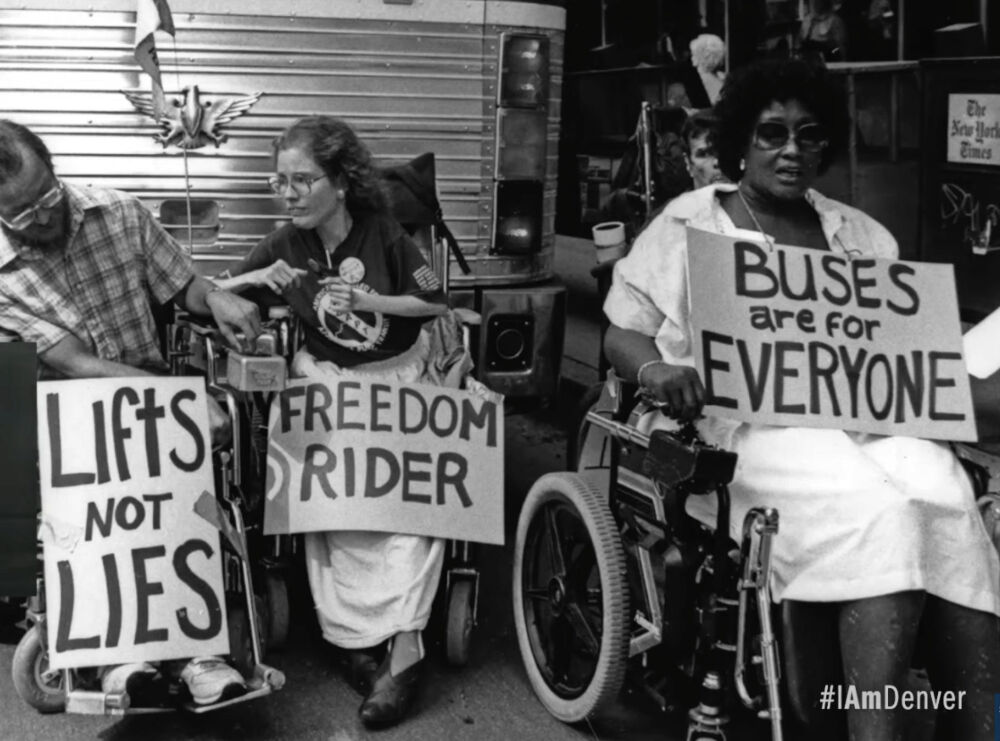
Back in 1978, Denver’s “Gang of 19” threw themselves in front of city buses in protest of RTD’s lack of disability services.
“We will ride!” they chanted, blocking the intersection of Colfax Avenue and Broadway for two days – effectively launching a foundational movement that called attention to many kinds of discrimination and abuse faced by the disabled community.
Last week, the Andrew W. Mellon Foundation committed $2.3 million to support The Denver Civic Center Monument Project, in part to commemorate that pivotal act of necessary rebellion, which took place at one corner of Civic Center Park.
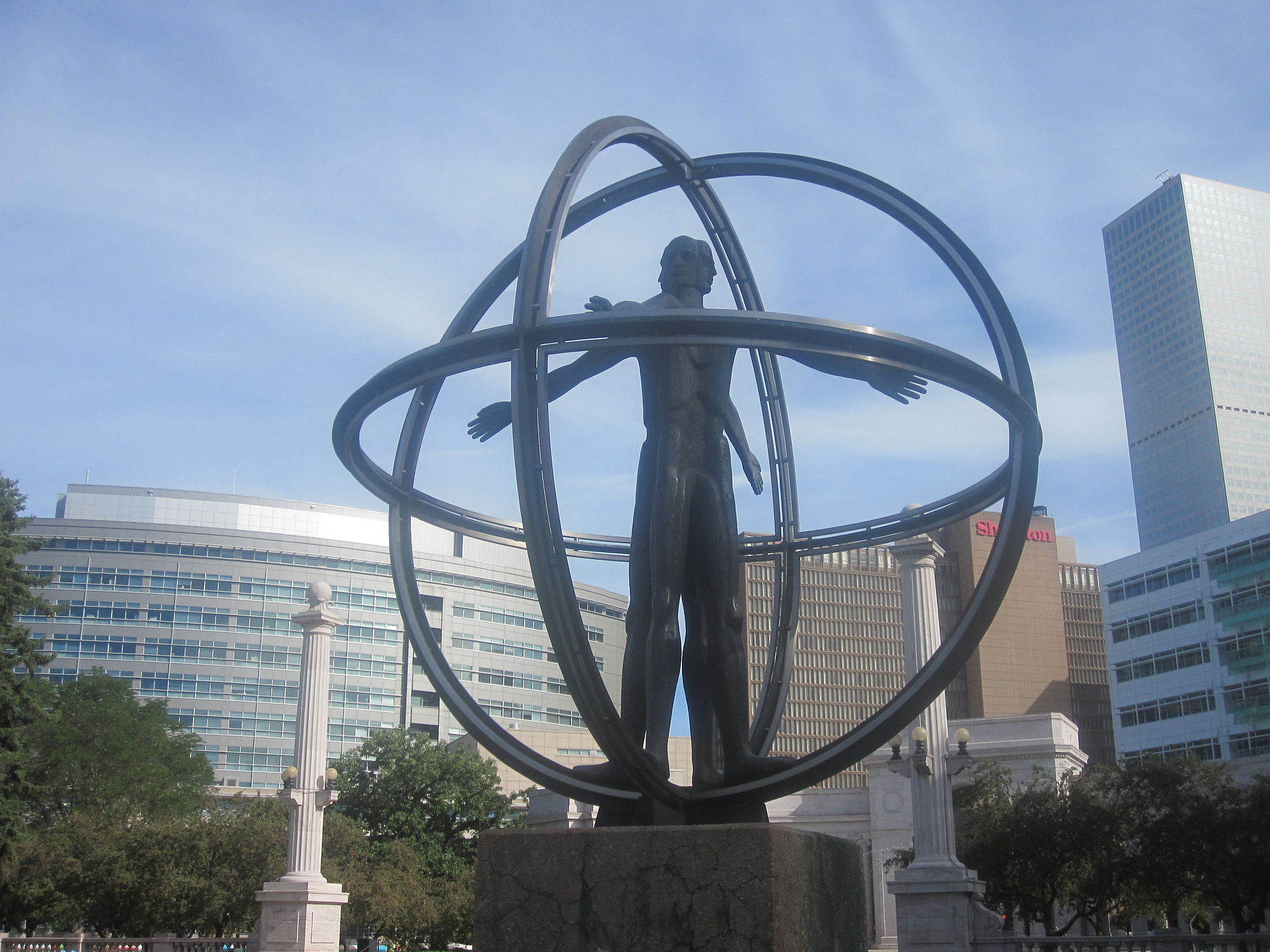
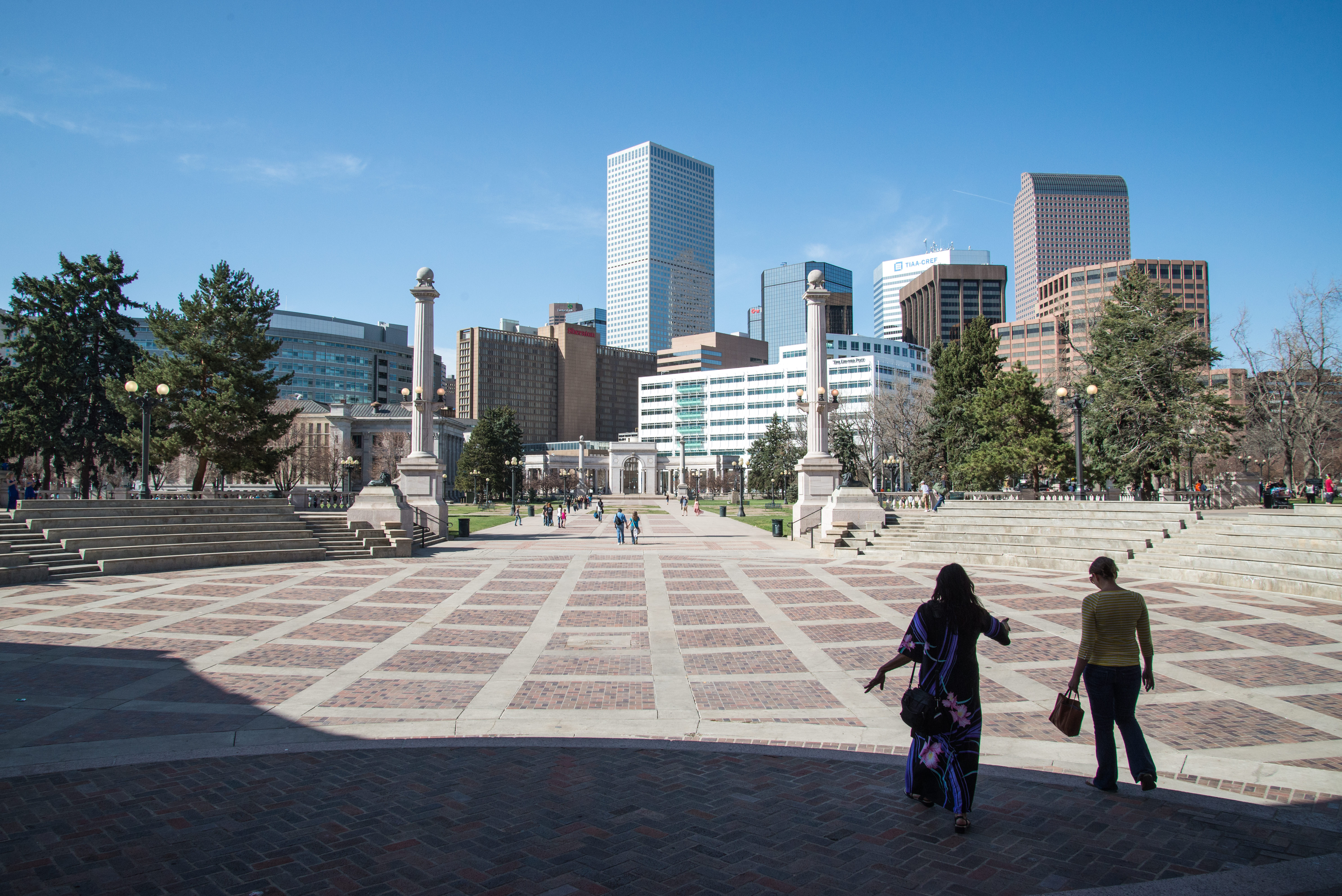
The Mellon grant will support two efforts centered around the park, which was Denver’s first national historic landmark.
The first involves the design and construction of an installation that will immortalize the pivotal “Gang of 19’ and the local disability rights movement with an installation of some kind in the Greek Theater South Plaza behind the amphitheater. Along with that, the theater will be made legally accessible for the first time in its 100-year history.
The second project includes a “monuments audit” of Civic Center Park, which involves a review of how the city handled the removal of controversial monuments in 2020 at the height of the civil unrest surrounding the murder of George Floyd by police in Minnesota.
Denver was one of nine cities chosen by the Mellon Foundation to share in its latest $25 million grant in support of “publicly oriented initiatives.” Locally, Denver’s $2.3 million will be administered through its Parks & Recreation and Arts & Venues departments.
According to the city, the new funding “will provide crucial resources to conduct a thoroughly researched audit of existing monuments and artworks in and around Civic Center Park.”
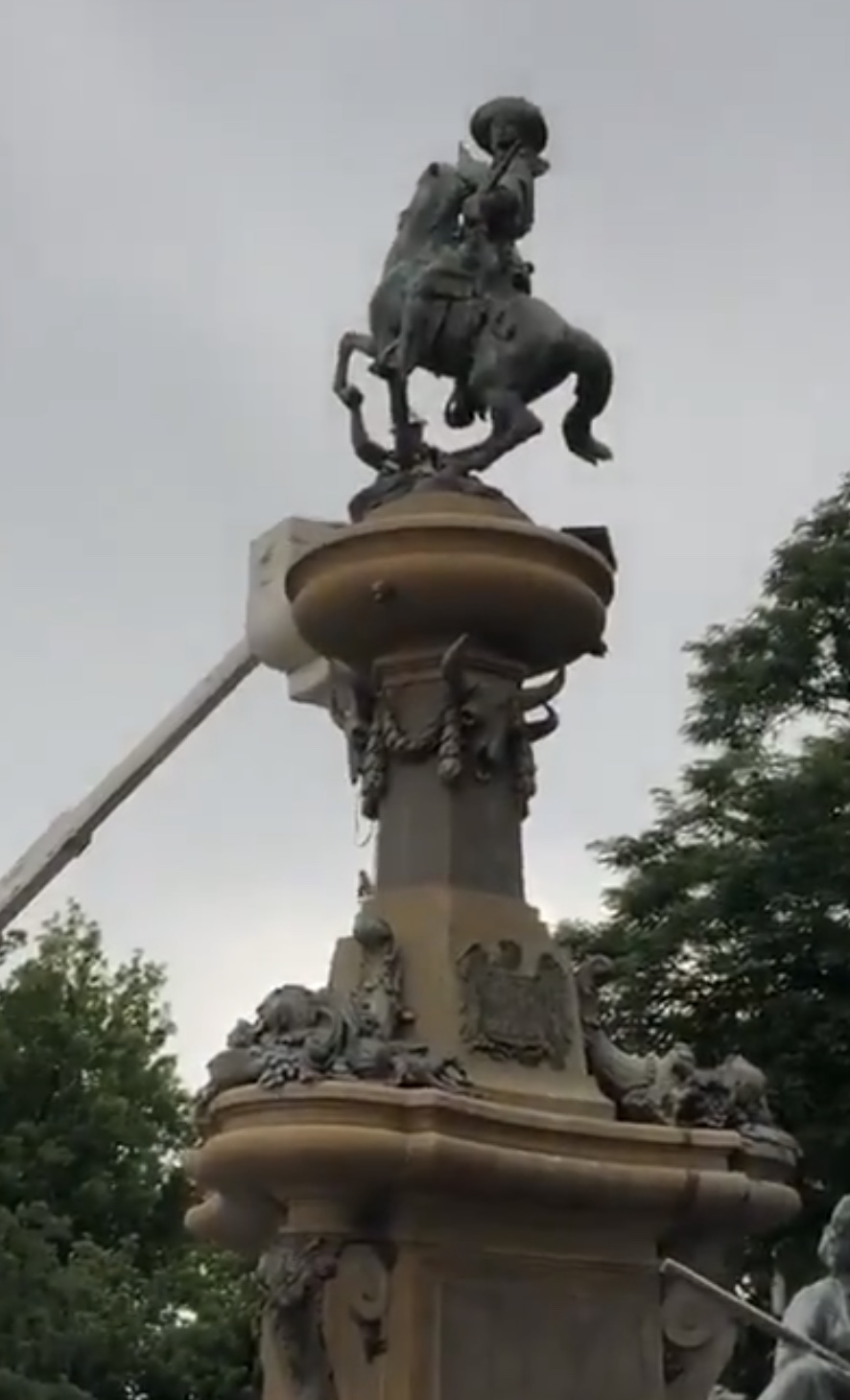
That includes the sculpture currently titled “Christopher Columbus” by William F. Joseph, installed in 1970; and the Kit Carson figure atop the “Pioneer Monument” by Frederick MacMonnies (1911). Using ropes, protesters tore down the Columbus statue on June 25, 2020, one day after a commemoration of the Sand Creek Massacre also came down. That same day, city crews preemptively took down the Kit Carson statue before protesters could do it themselves. All the affected statues are currently in storage at undisclosed locations.
“The audit will inform a subsequent community engagement and reconciliation facilitation process focused on representing a diversity of communities and perspectives to gain a deep and thorough understanding of the histories of all monuments and artwork in Denver’s most prominent public space,” the city said in an uncredited statement.
“As the city agencies responsible for the stewardship of Denver’s public art collection and park system, our shared hope and determination is to strengthen our communities’ feeling of belonging and love for the place we all call home,” said Ginger White, executive director of Denver Arts & Venues. “Our overarching goals for the work are to gain a deeper understanding of the history and community interpretations of monuments in Civic Center Park, and prioritize social justice and underrepresented voices in future monuments.”
White promised that the two designated Denver agencies will work with other city agencies, community groups, organizations that support and advocate for civil and disability rights, and community representatives connected to the history of Civic Center Park and its monuments.
Happy Haynes, executive director of Denver Parks and Recreation and Denver’s former deputy mayor, said she is “thrilled” about the upcoming collaborations.
“Civic Center Park is living out its historic intention to be a gathering place inspiring civic involvement and pride, and with that comes the powerful opportunity and responsibility to steward Civic Center to grow and evolve as a public space,” said Haynes.
The Gang of 19 protest, which took place July 5-6, 1978, came after two years of futility and ended when the city and the Regional Transportation District mutually agreed to changes that would make buses wheelchair accessible.
That made Denver one of the first cities in the country with accessible mass transit.
Historians have said the rebellion set in motion major policies that were included in the Americans with Disabilities Act of 1990 and other civil-rights advances.
“People have come to understand that the ADA came out of the Gang of 19 and the protest movement that began here in Denver,” civil rights attorney John Holland said in a city of Denver documentary marking the law’s 30-year anniversary in 2021.
The initiative to honor the Gang of 19 with a monument is part of a larger plan to make needed improvements to the Greek Theater and South Plaza area as outlined in the city’s “Civic Center Next 100 Concept Design,” which outlines a vision for the next 100 years of the park.
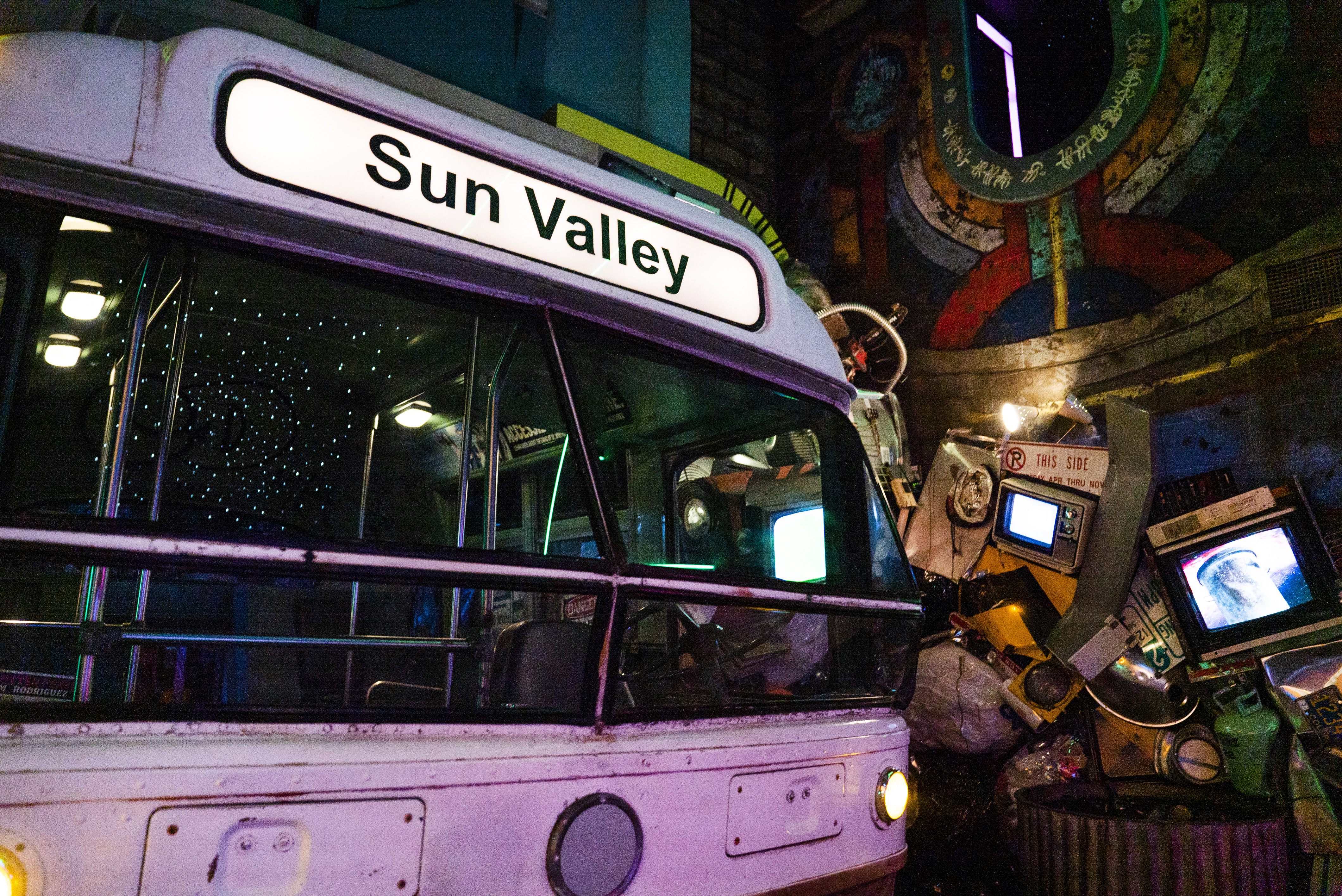
But this won’t be the first artistic commemoration of the Gang of 19. Meow Wolf’s permanent multiverse art installation, which opened in 2021, includes a replica of a 1960s Sun Valley RTD bus that not only reveals clues to the larger underlying fictional story, but also serves as a means of telling visitors that it is inspired by the far more important, real-life story that took place here in Denver in 1978.
Other cities to benefit from the Mellon Foundation’s latest grant are Asheville, N.C.; Boston; Chicago; Columbus, Ohio; Los Angeles; Portland, Ore.; Providence, R.I.; and San Francisco.
Since 2020, Mellon has sent out $152 million “to support public projects that more completely and accurately represent the multiplicity and complexity of American stories.”