







As bears emerge hungry, bill sets stiffer fines for negligent feeding
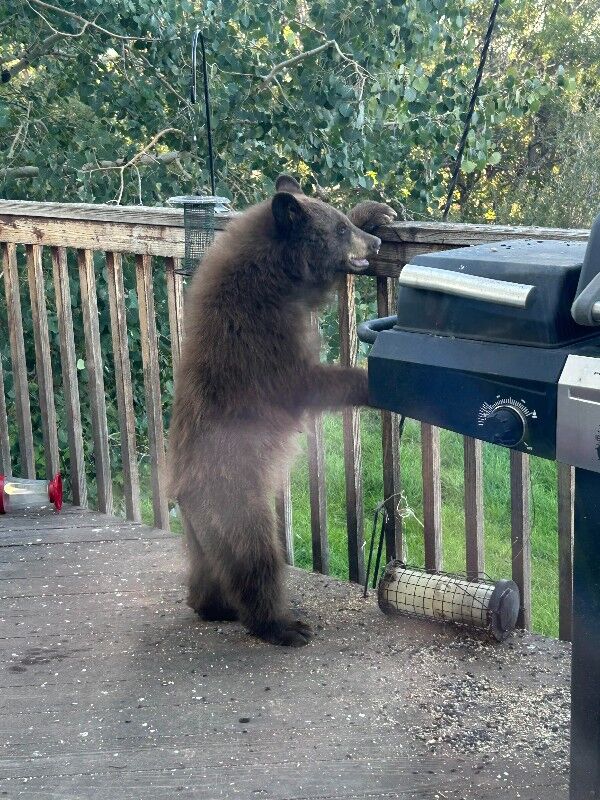
Black bears are emerging from winter dens across Colorado, and wildlife officials are encouraging residents to lock up garbage, remove bird feeders and eliminate other food sources before the animals learn that people mean easy meals.
At the same time, the Colorado legislators on Tuesday passed a bill dubbed “Negligently Luring Bears” that would make it easier to cite people whose negligent behavior lures bears and would raise fines for repeat offenders to $5,000.
Colorado Parks and Wildlife has logged 98 reports of bear activity in 22 counties so far this year, compared with 127 reports in the same period last year. Numbers are expected to climb as more bears, especially family groups, leave their dens in the coming weeks.
“Every time a bear gets food from or near humans, whether from a bird feeder, a hummingbird feeder, or trash, it teaches the bear that people equal food,” said Tim Kroening, area wildlife manager for the Colorado Springs area, in a news release. “Bears are extremely intelligent and we can’t unteach a bear that becomes habituated to a human-provided food source. It is vital that we as humans take responsibility to prevent them from learning this in the first place by keeping food sources secured.”
Males usually emerge first, followed by females without new cubs. Sows with this year’s cubs are typically last, often in late April. Early natural foods such as grasses, aspen buds and sprouting vegetation help the animals ease out of hibernation through a “walking hibernation” phase.
“Their bodies need to adjust to the fact that they haven’t consumed anything for up to five or six months,” said Mark Vieira, CPW’s carnivore and furbearer program manager, in the release. “There is a phase in the spring called ‘walking hibernation’ that refers to bears who are out on the landscape moving slowly and eating almost exclusively vegetative material that starts to pass through their system to get their bodies ready for early summer food sources.”
More than 90% of a bear’s natural diet consists of grasses, berries, fruits, nuts and plants that depend on adequate moisture. Years with good forage typically see fewer conflicts, while dry conditions can drive bears into residential areas.
House Bill 26-1342, passed on third reading 40-25, lowers the criminal standard from intentionally luring a bear to criminal negligence — knowingly placing food or edible waste where there is a reasonable probability of attracting a bear. It eliminates the mandatory first-offense warning and allows citations up to $200 at an officer’s discretion. Fines for a third or subsequent offense would increase from $2,000 to $5,000. It now moves to the Senate.
The bill, sponsored by Reps. Katie Stewart, D-Durango, and Meghan Lukens, D-Steamboat Springs, and Sen. Janice Marchman, D-Loveland, aims to give CPW and law enforcement stronger tools against the human behaviors that cause most conflicts.
“We can’t do much more to educate the bears, but we can do more to educate the humans, said Stewart in an April 14 article in the Durango Herald. “The financial penalty brings out awareness, and they’ll think twice about not having a secure trash can and securing their food.”
Colorado Parks and Wildlife promotes BearWise practices, including securing garbage and recycling, removing bird feeders when bears are active, feeding pets indoors, cleaning grills and alerting neighbors to sightings. Officials said starting these habits in spring can prevent bears from returning to the same neighborhoods all year.