







Backcountry Safety Starts With 10 Essential Items
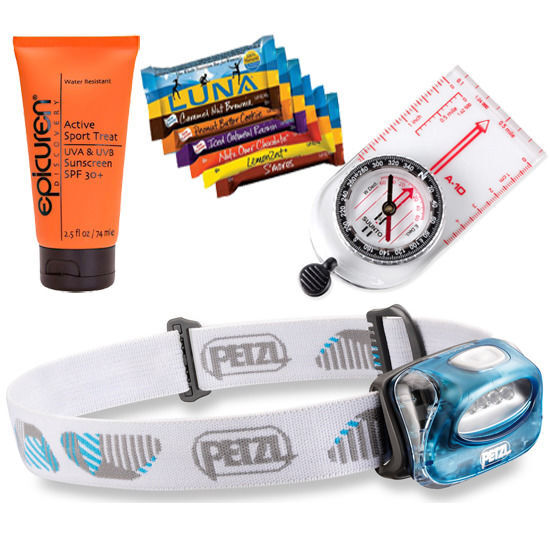
A hike in the backcountry – whether a few hours’ jaunt or a series of overnighters – always should begin with thorough research of the trail system and a check of the weather, says Teresa Burgess of El Paso County Search and Rescue.
The physical gear you carry should always include these “10 essentials”:
“If you’re lost or hurt, your voice can’t carry far, and yelling for help, you’re going to lose your voice really fast,” she said. “A whistle has a nice high pitch that stands out from any ambient noise.” The universal sign for help is three sharp blows of the whistle, she added.
To conserve battery power, cellphones should be turned off or set to airplane mode.
“If you’re out in the wilderness and your phone’s searching and searching for a signal, it doesn’t take long to die so that when you need it, it’s not going to work,” she said.
Recognizing and responding to your body’s signals of distress – even if you’d prefer to power through – are key to a safe backcountry excursion.
“Altitude sickness can happen very quickly, especially for people who don’t understand altitude,” Burgess said. “When I go hiking, I always try to pay attention to my body. If I feel tired or bad, I will turn around and go back. The mountain’s not going anywhere.”