







Conservation group launches ballot drive for constitutional right to hunt and fish
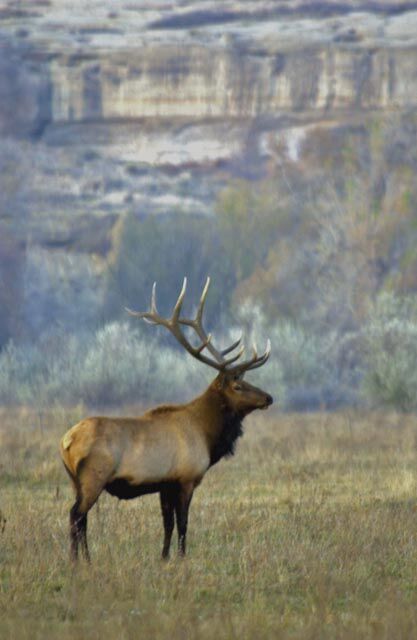
The T. Roosevelt Conservation Alliance announced the launch of a campaign to place Initiative 302 on the November ballot, which would amend the Colorado Constitution to enshrine the right to hunt, fish and harvest wildlife using traditional methods if approved by voters.
The newly formed issue committee reported an initial $1 million commitment from T. Roosevelt Action, the political arm of the International Order of the T. Roosevelt, where campaign chairman Luke Hilgemann serves as chief executive officer.
“Coloradans value the state’s long-standing hunting and fishing traditions,” Hilgemann said in the May 6 news release. “This measure is intended to provide constitutional clarity and long-term protection for those practices, consistent with science-based wildlife management.”
Colorado’s 300,000-plus hunters and 950,000-plus anglers generate $3.25 billion in annual economic impact and support more than 25,000 jobs, according to Colorado Wildlife Council materials.
Hunters and anglers contribute the majority of CPW’s funding — 58 percent of the agency’s annual revenue comes from licenses, passes, fees and permits, supplemented by the federal Pittman-Robertson Wildlife Restoration Act excise taxes on hunting and fishing gear and ammunition paid by those same users. In fiscal year 2025, Colorado received nearly $25 million through the Pittman-Robertson program.
The announcement comes amid ongoing controversy over the direction of Colorado Parks & Wildlife policy. Sportsmen groups have criticized recent governor-appointed members of the 11-member CPW Commission, arguing they tilt toward animal-rights priorities rather than science-based management funded largely by hunters and anglers.
“It’s a crying shame that rural folks in Colorado have to resort to a ballot initiative to protect the traditions that Colorado was founded on,” Rick Enstrom, past chairman of the Colorado Wildlife Commission, told the Denver Gazette. “Three counties on the Front Range essentially control the state legislature and the governor’s office, and all of the interests are in rural Colorado, but their voices get drowned out.”

In April, the Senate Agriculture & Natural Resources Committee rejected two Polis appointees — one with ties to wolf advocacy and another lacking big-game experience — citing insufficient qualifications for sportsmen-designated seats.
Colorado’s wolf reintroduction program has added to the tensions, with 2025 depredation compensation payments exceeding $1.07 million — far above the dedicated fund.
Opposition from animal welfare groups
Animal welfare organizations have opposed similar right-to-hunt-and-fish measures in other states. They argue the amendments are unnecessary and could constitutionally favor hunting and fishing over other approaches.
In Florida’s 2024 campaign, the Humane Society of the United States called a nearly identical amendment “a dangerous power grab that strips away the protections safeguarding our critically important marine sciences and wildlife, enshrining cruel and unnecessary activities in our state’s most sacred document.”
The group and its allies described “traditional methods” as “intentionally vague” language that would protect practices such as body-crushing traps, strangling snares, bear hunting with hounds and gill nets — methods many states have already restricted on animal welfare grounds.
The Sierra Club warned that declaring hunting and fishing the “preferred means” could “tie the hands of state officials to protect animals.” In Colorado, Wolf and Wildlife Advocates offered an early critique of Initiative 302.
The group stated it would lock “one tool — hunting and fishing — into the state constitution and elevate it above coexistence, habitat protection, ecological science, and non-lethal wildlife management. Wildlife belongs to all Coloradans, not just the loudest special interests.”
Proponents say statutes alone are not enough
If approved, Initiative 302 would declare hunting, fishing and wildlife harvest a protected right subject to regulation under Colorado law. It designates those activities as the preferred means of responsibly managing fish and wildlife populations while preserving Colorado Parks & Wildlife and legislative authority to set seasons, bag limits, licenses and safety rules.
Proponents maintain that statutory protections are vulnerable to shifting politics, activist litigation and ballot-box biology. A constitutional amendment, they argue, provides a higher and more durable safeguard — echoing the broad right to hunt presumed in early America, where colonial charters and Vermont’s 1777 constitution treated hunting on open lands as a fundamental liberty.
Twenty-four other states have enacted similar constitutional provisions since the push started in Alabama in 1996.
The campaign says the initiative is defending the North American Model of Wildlife Conservation, the framework that has guided wildlife management in the United States and Canada since the late 1800s.
Hilgemann, Dan Gates of Coloradans for Responsible Wildlife Management, and The 76 Group are leading the effort to gather the required signatures by the 5 p.m. Aug. 28 deadline.