







Denver sees 5% inflation after surge in fuel prices
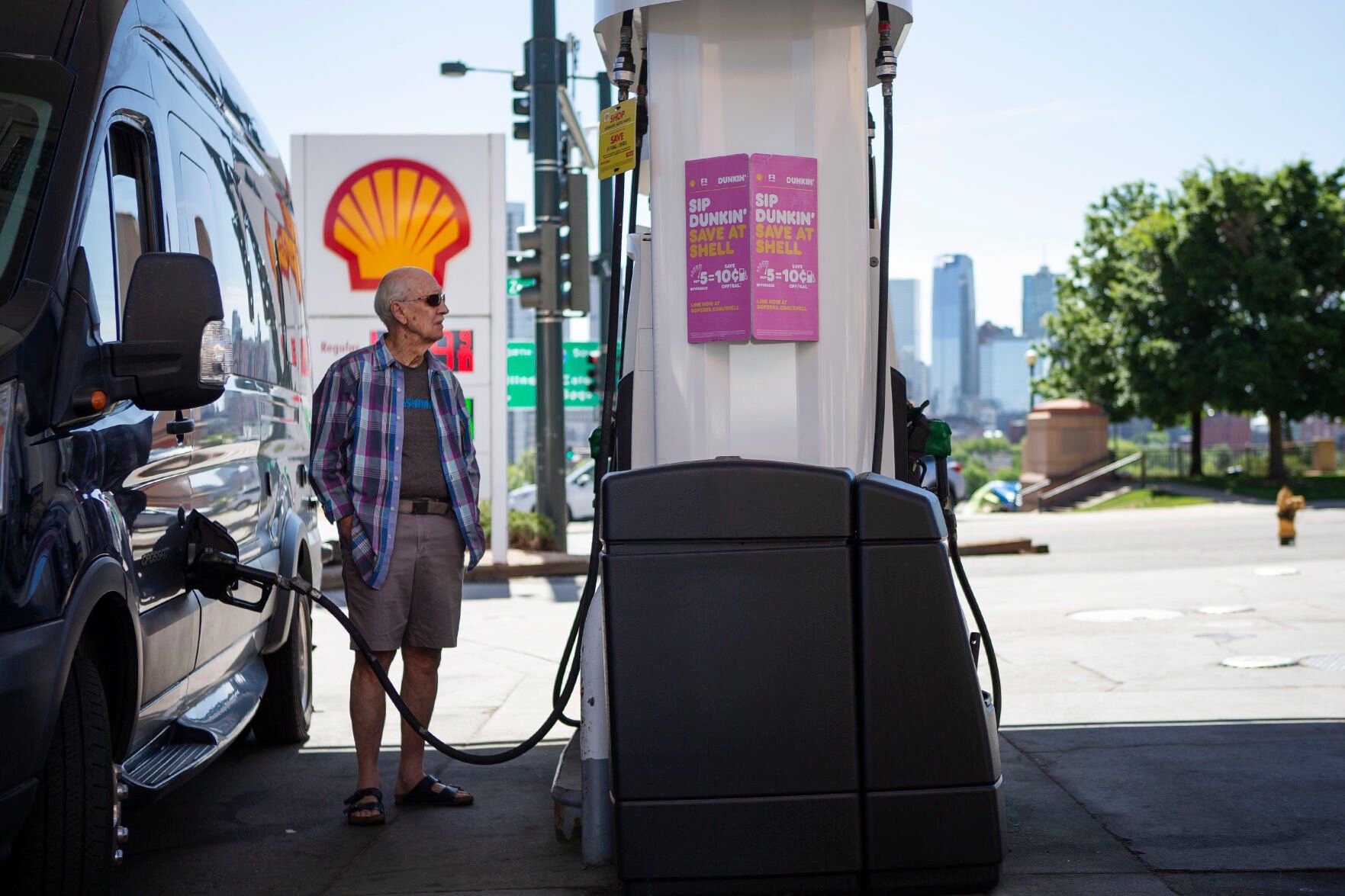
The Denver-Aurora-Lakewood metro area recorded a 5% rise in prices in the last year, according to federal data released Wednesday for the month of May from the Bureau of Labor Statistics, the highest level seen since 2023.
Denver is trending higher than the national annual average of 4.2%.
Denver’s inflation was the second-highest among 12 metropolitan regions in the nation after Urban Hawaii in May, according to the BLS.
The federal agency tracks inflation across 23 cities. Data from the three biggest cities — New York, Los Angeles and Chicago — are released monthly. Meanwhile, the federal agency releases data from the rest of the cities like Denver every other month.
A surge in prices following the pandemic pushed inflation to 8% across the Denver metro region in 2022. It fell to 5.2% in 2023 and finally fell below 2% in 2024, considered the Federal Reserve’s target rate for a healthy economy.
But even as inflation stabilized, prices of food, housing and more were at new highs because of the surge in the first half of the decade — causing widespread concern about affordability that was a central message during President Donald Trump’s campaign to get reelected.
Inflation slowly started to rise again in 2025 as tariffs started to roll across the economy, but inflation barely went over 3% in Denver.
By March, inflation rose to 4.2% as the price of oil climbed after the U.S. and Israel began a war against Iran that made it incredibly difficult for oil tankers to pass through the Strait of Hormuz.
It’s evident in May’s report that the price of fuel was the main source of high inflation in the metro area.
BLS Acting Regional Commissioner Jerome Watters noted in Wednesday’s release that inflation that doesn’t include food and energy only went up 1.4% but the index for energy was up 15%. Gasoline prices in Denver were up 42% compared to the same time last year in May, federal data shows.
The cost of food and beverages in the Denver region rose 2.2%, with alcohol prices up the highest at 8% year-over year. The cost of housing was up 3.7% and the cost of apparel was up nearly 14%.
When asked about the inflation report, Trump told reporters Wednesday that the “numbers were great,” The Associated Press reported. He said the data showed energy prices were a large driver of rising costs and said inflation would improve once the war is over.
“I love the inflation,” Trump said.
It’s unclear when the war will end as the U.S. and Iran began to carry out strikes in the region again amidst a ceasefire. On Thursday afternoon, Trump canceled more strikes against Iran and claimed a new deal was pending.
When pressed by Ohio Democrat Rep. Emilia Sykes about Trump’s comments, Energy Secretary Chris Wright — the Denver businessman and CEO of oilfield services firm Liberty Energy — said Wednesday he loves “ending Iran’s ability to have a nuclear weapon” but later added he would “prefer lower inflation.”