







EDITORIAL: Aurora’s template for success on homelessness
With homelessness more or less unchanged over the past year in Colorado’s largest urban centers — numbers released this week show a slight dip in metro Denver and a small uptick in the Colorado Springs area — it’s worth another look at the innovative approach underway in Aurora.
Colorado’s No. 3 city has been ramping up a groundbreaking, comprehensive agenda for addressing the chronic homelessness that has blighted parts of the city for years. It culminated in the opening of the city’s Regional Navigation Campus last November, a renovated, former hotel that now serves as a “one-stop-shop” for homeless services and shelter.
The campus, in turn, is the hub of a “tough love” agenda for action on homelessness that includes a ban on the crime-ridden camps as well as a court system to handle low-level offenses by the homeless.
The idea is to tackle underlying causes of life on the streets — notably, addiction — and restore a sense of responsibility through work, rehab-inspired sobriety and personal accountability.
It all amounts to a template for the rest of Colorado’s population centers to learn from.
Aurora Mayor Mike Coffman, among the effort’s most ardent champions, is so committed to it he offered a first-person testimonial last week in his annual State of the City address to civic leaders. As reported by The Gazette, he told his audience he leaves work every Friday and goes straight to the Regional Navigation Campus, where he then sleeps in its low-barrier homeless shelter and helps serve breakfast in the morning.
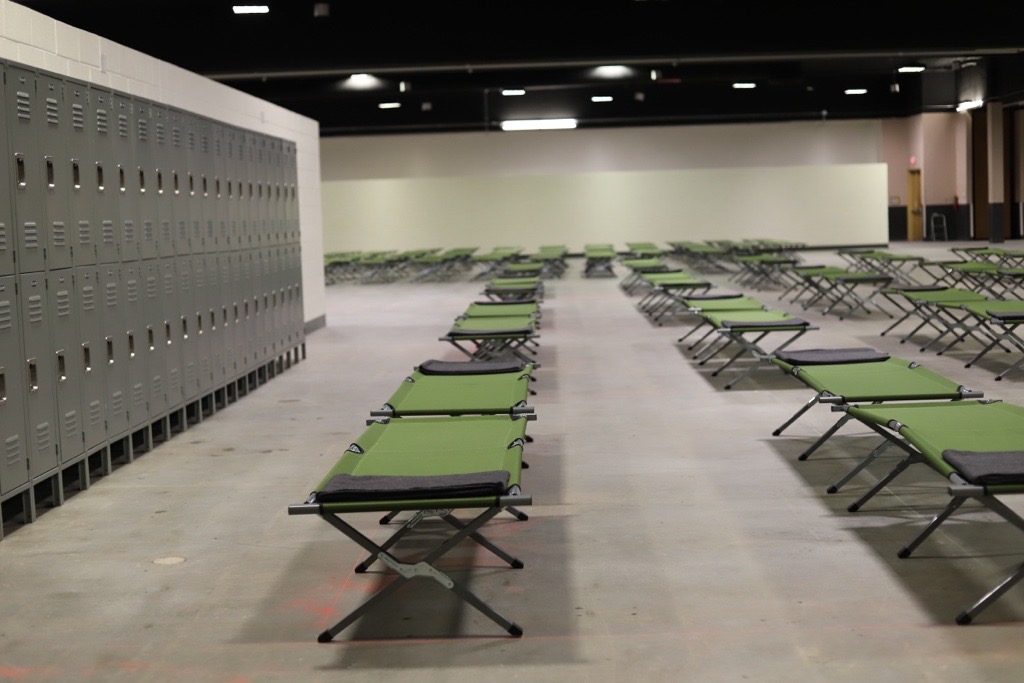
The 600-person facility, operated by Advance Pathways, has three tiers of shelter space for residents, depending on the services, treatment and career development they receive.
The first tier, where the mayor sleeps Friday nights, is a low-barrier shelter — consisting of large rooms on the first floor filled with 285 cots — for those who have not yet engaged in homeless services but need a place to stay. As residents engage with more services and seek out job opportunities — displaying motivation, commitment and accountability — they move to tiers No. 2 and 3. Those offer better and more private living conditions.
Coffman said the new program is making strides and scoring successes. He cited examples of residents who entered with little to show for themselves and in no time were getting job training followed by employment. The mayor vowed to continue spending his Friday nights at the campus “until this program is exactly the way I think it should be.”
In other words, the endeavor is a work in progress, like any significant effort that challenges conventional thinking in tackling a major social issue. And it hasn’t been welcomed in all quarters, especially in a homeless-services sector that is used to doing things one way.
That way is to dole out help without expectations for accountability. It especially has meant a tried-and-repeatedly-failed “housing first” policy that shelters the chronically homeless without conditioning housing on a willingness to get help for the addiction and mental-health issues that are responsible for keeping so many of the homeless on the streets.
Aurora’s approach turns that upside-down thinking right side up by reintroducing personal responsibility. And Coffman says the campus is on its way to serving as an example of how to address homelessness “not just for Colorado, but for this country.”
Very encouraging — and inspiring. Let’s look forward to other Colorado communities giving it a try.