







EDITORIAL: Robbing TABOR to pay pols
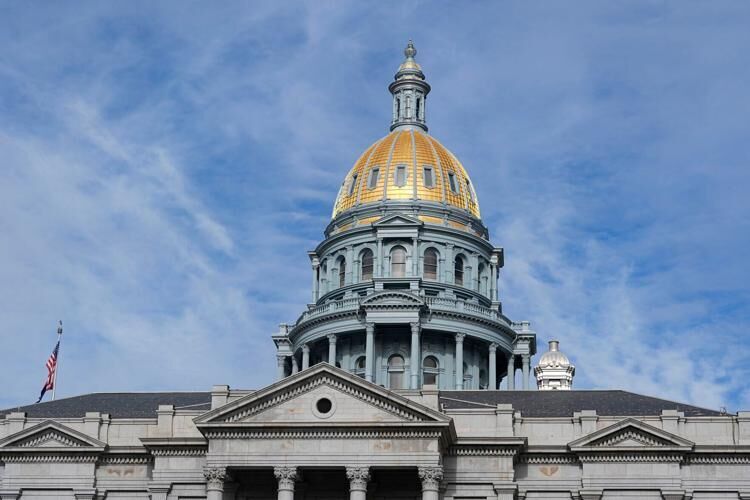
The Taxpayer’s Bill of Rights, or TABOR, has served as a wise and workable limit on government growth in Colorado ever since the policy was amended into the state constitution by voters in 1992.
Which of course means politicians and special interests have toiled tirelessly for decades to outflank TABOR — sometimes cleverly, other times clumsily — in their never-ending attempts to dig deeper into taxpayers’ pockets.
This year, they’re trying something a bit different — outright theft. Perpetrated by our own legislature.
As reported by The Gazette, state lawmakers have concealed the ripoff in the pending, $46.8 billion state budget for 2026-27. At the direction of Gov. Jared Polis, they are canceling refunds of $306 million in surplus state tax revenue that TABOR requires the state to return to taxpayers this year and next.
And their staffers have advised them against it because it’s illegal.
Naturally, lawmakers have decided to carry out their heist anyway. They insist their cause is just — using the extra cash to help cover a huge budget deficit that they had created on their yearslong spending spree. And they’re falling back on the Polis administration’s rationale that they’re just offsetting the overpayment of previous years’ TABOR refunds.
The governor’s office contends the overpayment was due to federal budgetary changes that affected how the state calculated revenue for 2024–25. Those revised calculations led to outsized refunds being issued in 2025–26. The administration says if the federal budget’s impact on 2024–25 state revenues had been known at the time, the state would have fallen below the TABOR cap that year, and those refunds wouldn’t have been issued.
But staff analysts for the legislature’s Joint Budget Committee told lawmakers in a Feb. 20 memo that keeping the $306.1 million nevertheless flouts the law. The memo urged lawmakers to “weigh the potential legal risks” before going further down that path.
The technical details, involving the law and accounting rules, are pretty complicated — just the way lawmakers like it, in hopes of making prying public eyes glaze over. But the upshot is the legislature is pulling a stickup on taxpayers by reneging on their refunds. And it looks like the legislature will get away with it even at the risk of facing a legal challenge down the road.
It gets worse. Pilfering taxpayers’ refunds also stands to have a multiplier effect — a bad one — on the state’s economy.
Colorado’s Common Sense Institute released a new report this week on the economic impact of what it diplomatically calls, “an unprecedented retention of excess revenue without voter approval.” It found, “… the boost to government spending in 2027 results in temporary economic benefits — between 795 and 1,994 jobs and up to $250 million in GDP, depending on the state’s use of resources. When the first year of lost refunds hits taxpayers’ earnings in 2028, however, the benefit diminishes … and reverses …”
The report continued, “By 2029, when the lost refunds are fully realized and the spending boost has expired, job losses peak between 1,687 and 1,818 and economic output bottoms out between $117 million and $143 million below its baseline. Afterwards, the impacts stay negative for another two years before the economy fully recovers from the disturbance.”
In a better world, Coloradans could file a police report. In the present world, it’ll take an advocacy group to file suit and haul the state to court.
Until taxpayers can ensure their TABOR refunds against theft — the way homeowners’ and renters’ policies cover burglary — they’ll likely be left holding the bag.