







Golden startup wins $220M contract to build first fleet of lunar rovers for NASA’s moon base
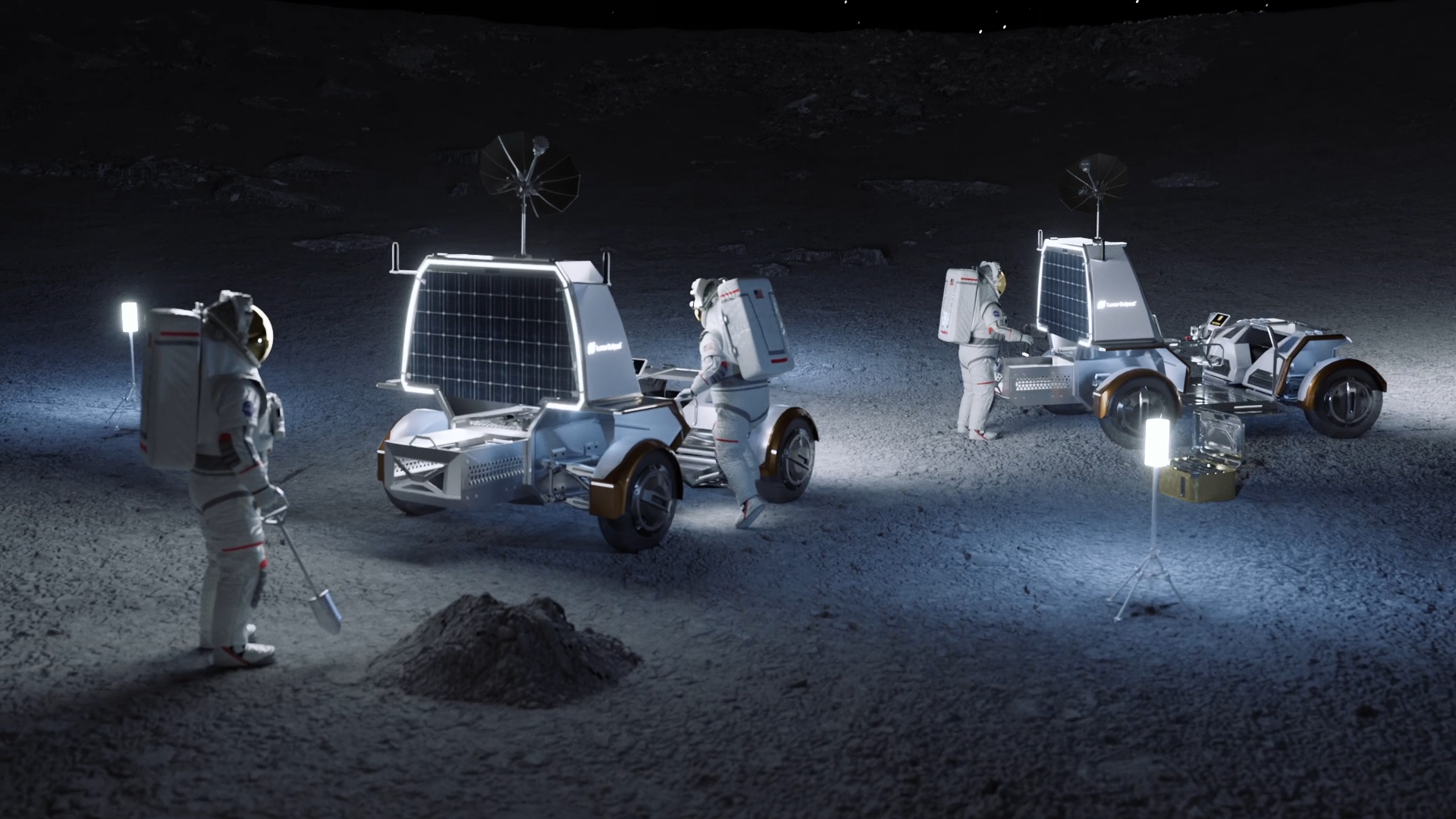
An aerospace startup company based in Golden is going to help build the first fleet of lunar rovers to support the Artemis IV mission and NASA’s plans to build a permanent base on the moon.
The federal space agency selected Lunar Outpost for a $220 million contract to build and deliver lunar terrain vehicles (LTVs) to the moon by 2028, ahead of the arrival of the first astronauts on the moon since the Apollo missions, NASA announced Tuesday as it unveiled more detailed plans for its base.
Alongside Lunar Outpost, NASA also awarded a $219 million contract to California-based Astrolab for the first fleet of LTVs.
The mission is part of a recent push from President Donald Trump and NASA Administrator Jared Isaacman to get a permanent presence on the moon, significantly shifting the scope of the Artemis missions by cancelling plans for a lunar space station and putting all of NASA’s focus on the base.
Trump signed an executive order in 2025 directing NASA to build the moon base by 2030 and start the groundwork for Mars missions, hoping to stay ahead of China before it sends its own astronauts to the moon in 2030.
American astronauts are scheduled to return to the moon in 2028 during the Artemis IV mission.
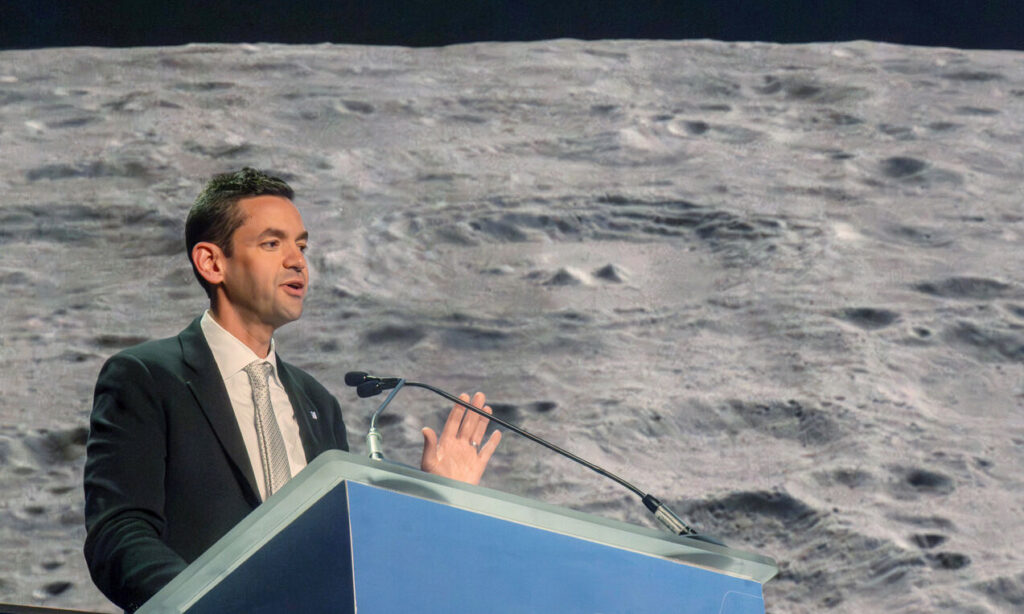
“We will go for the science, for all we stand to gain from an economic and technological perspective, for the innovations that will make life better here on Earth, and to prepare for where we will inevitably go next,” Isaacman said in a statement on Tuesday.
The U.S. is planning to set up humanity’s first outpost outside of Earth in three phases: The first will focus on securing reliable access to the moon; the second will start building the infrastructure of the base and the third will focus on setting up human habitation.
A timeline on NASA’s website on Tuesday showed a semi-permanent human presence is set to be established by 2032.
The lunar rovers will be one of the first pieces of the puzzle.
Lunar Outpost was founded in 2017 by Justin Cyrus, an alumnus from the Colorado School of Mines and University of Colorado at Boulder. The company is headquartered in Golden and opened a mission control center in Arvada last year.
The company has made waves with its rover technology by winning multple NASA contracts, attempting to make a symbolic first commercial sale of lunar regolith (though Intuitive Machine’s lunar lander holding Lunar Outpost’s robotic spacecraft tipped over on the surface and it was unable to get out) and partnering with LEGO for its first toy set featuring a commercial aerospace company.
The company’s Pegasus rover selected by NASA was made in partnership with General Motors, The Goodyear Tire & Rubber Co. and Leidos.
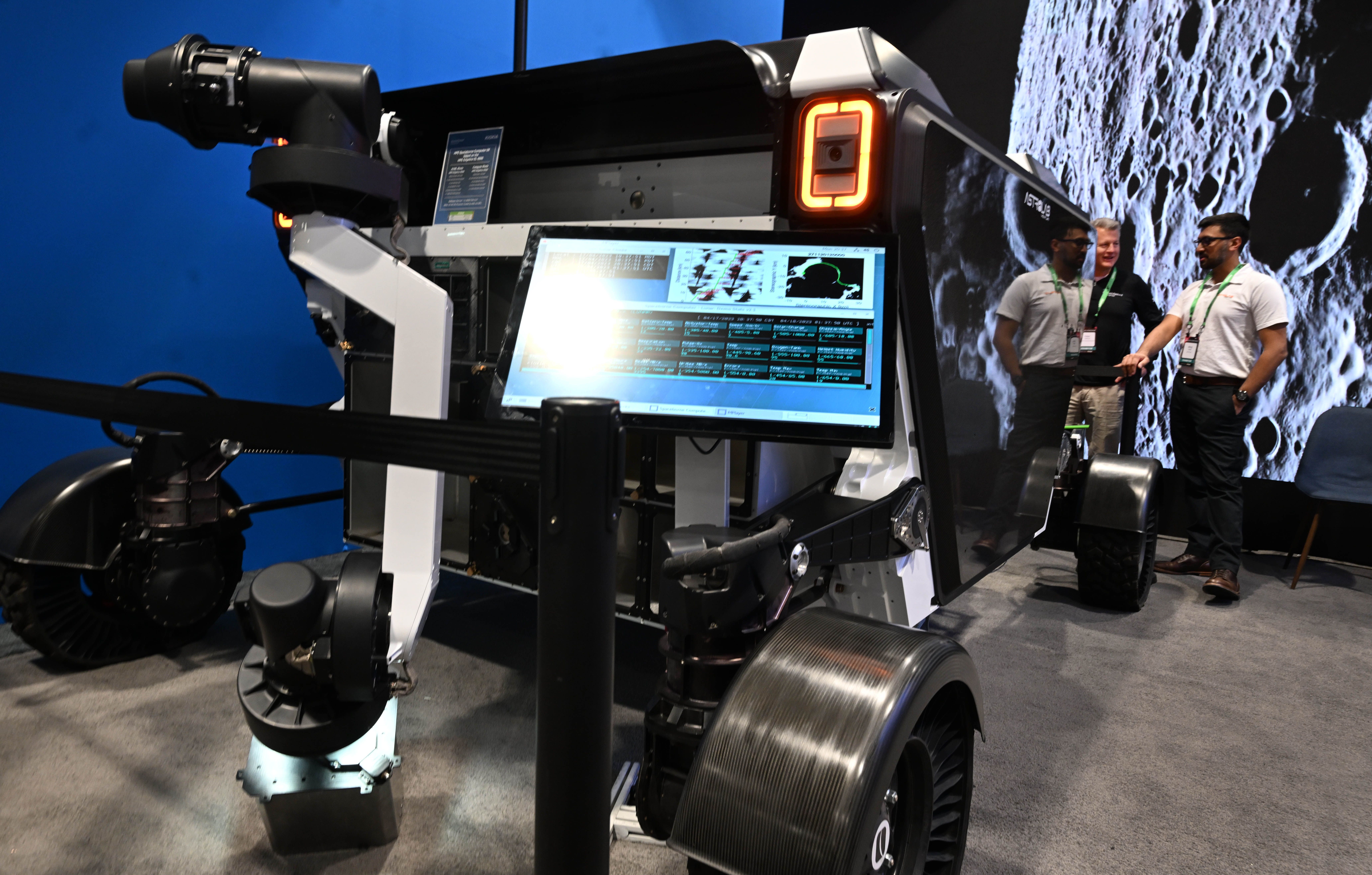
“We’ve spent the better part of the past decade engineering advanced mobility solutions designed for the realities of operating and building on the lunar surface,” Cyrus, Lunar Outpost’s CEO, said in a press release. “Pegasus gives astronauts the range, reliability, and flexibility needed to thrive in new terrain as we identify and prepare the sites that will become the first permanent lunar outpost.”
NASA highlighted Lunar Outpost’s vehicle being lighter than the company’s previous Eagle rover. The agency said the LTV uses “Apollo-heritage” technology and will make it easier for astronauts on the moon to travel further on the surface near the lunar south pole.
The rovers from Astrolab and Lunar Outpost will also be responsible for helping with site planning, finding potential hazards on the terrain, moving materials and pre-stage resources for the moon base.
The Pegasus rover is able to operate for one year, travel 900 km and can be controlled either manually or autonomously, according to Lunar Outpost.