







GUEST OPINION: Hemp beverages pose new peril on Colorado Roads

Patrick Sneddon was sentenced in October to 30 years in the Department of Corrections prison for vehicular homicide that occurred in Mesa County.
Sneddon’s actions killed three people, including his wife and two Colorado Department of Transportation workers. Trent Umbarger was a father of five and the other man, Nathan Jones, was a 23-year-old who helped care for his disabled mother. An analysis of Sneddon’s blood after the crash showed he had 30 nanograms of tetrahydrocannabinol (THC) in his system, six times the state’s definition of impairment, as well as Oxycodone, a powerful narcotic.
This traffic safety violence is part of a growing trend. In the span of a decade, Colorado went from having one in six to almost one in three drug-tested drivers in fatal crashes test positive for THC in their system.
Evidence shows THC impairs driving in ways just like alcohol: difficulty with perception of speed and distance, decreased inhibitions, slower response time, decreased coordination, and compromised decision-making.
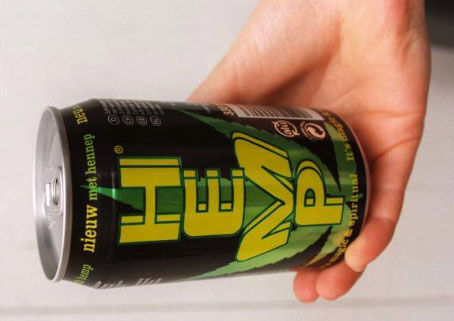
Despite this, a bill being considered by the Colorado Legislature would allow the sale of hemp-derived THC beverages in restaurants, bars, grocery stores, and liquor stores — anywhere that can now sell alcoholic beverages.
THC is the psychoactive ingredient in cannabis and hemp that causes a user to feel “high” and causes driving impairment. These beverages, delivering up to 10mg of THC per serving, would be as potent as products sold through recreational cannabis dispensaries. For consistency’s sake, let’s call these “cannabis-infused beverages”.
Senate Bill 26-164 is sponsored by state Sen. Julie Gonzales and state Reps. Matthew Martinez and Steven Woodrow. The Colorado Hemp Beverage Coalition is supporting the effort. Colorado Leads, a cannabis industry trade association, opposes the bill.
Expanding the sale of these cannabis-infused beverages into establishments with liquor licenses would dramatically increase the number of locations where cannabis can be sold from approximately 700 to over 13,000, based on current liquor licenses listed by the Colorado Department of Revenue. This is a bad idea that will adversely impact the safety of all Colorado roadway users.
Evidence has shown that the present level of cannabis commercialization in the state has already significantly and negatively impacted road safety. The Colorado Department of Public Safety recently released the legally mandated report, “Impacts of Marijuana Legalization in Colorado, 2025: A Report Pursuant to C.R.S. 24-33.4-516,” which contains traffic safety data only through 2022.
Between 2013 and 2022, fatal vehicle crashes in Colorado increased 62%, and the number of traffic-related fatalities increased 58%. The percentage of drug-tested vehicle operators in fatal crashes that tested positive for THC alone or in combination with another drug(s), including alcohol, increased over 80% from 16% of vehicle operators in 2013 to 29% of vehicle operators in 2022.
Fatalities where a vehicle operator had THC and alcohol present increased 250%. Fatalities where a vehicle operator had ANY amount of THC increased 240%. Fatalities where a vehicle operator had ONLY THC present increased 148%. Fatalities where a vehicle operator had more than the legal limit of 5ng/mL of THC increased 94%.
The reality is these figures likely vastly under-report the impact of cannabis on traffic safety in Colorado. The report describes all the ways the data is imperfect, including that the number of Drug Recognition Experts in Colorado law enforcement has not kept pace with the increase in licensed drivers and remains the same as it was in 2006. Additionally, cannabis is generally not tested during traffic stops if alcohol use is suspected. In fact, less than half of drivers involved in a fatal crash in 2022 were drug tested.
Since sales of recreational cannabis first began in 2014, Colorado’s elected leaders have wisely maintained mutually exclusive regulatory structures for sales and consumption of alcohol and marijuana to protect the public. This is a sensible policy for two impairing substances that are metabolized differently in the body.
Consuming cannabis and alcohol together enhances the effects of each and sets up a dangerous outcome. Research shows that alcohol increases marijuana impairment because the body absorbs higher levels of THC. So, if a consumer also drinks alcohol at a bar or restaurant, which is reasonable to expect (and not prohibited by the bill), a perfect storm of impairment could brew.
The Colorado Department of Transportation (CDOT) recommends consumers wait at least eight hours after drinking 18mg of THC or less before driving. This means consuming less than two of these cannabis beverages in a bar or restaurant is all it would take to exceed the guidelines provided by CDOT to not just drive home from the restaurant or bar, but to drive anywhere for hours.
There are significant dangers to consuming marijuana and alcohol together, and the state should not make it easier and more socially acceptable to consume them together.
Glenn Davis, of Behavioral Traffic Safety Consulting, served 25 years in Colorado law enforcement and 21years as the highway safety manager at the Colorado Department of Transportation (CDOT). Davis was the chair of the Colorado Task Force on Drunk and Impaired Driving and Motorcycle Operating Safety Advisory Board,