Finger pushing
weather icon 70°F


The rise, fall and resurrection of Colorado’s ‘Castle of the Plains’
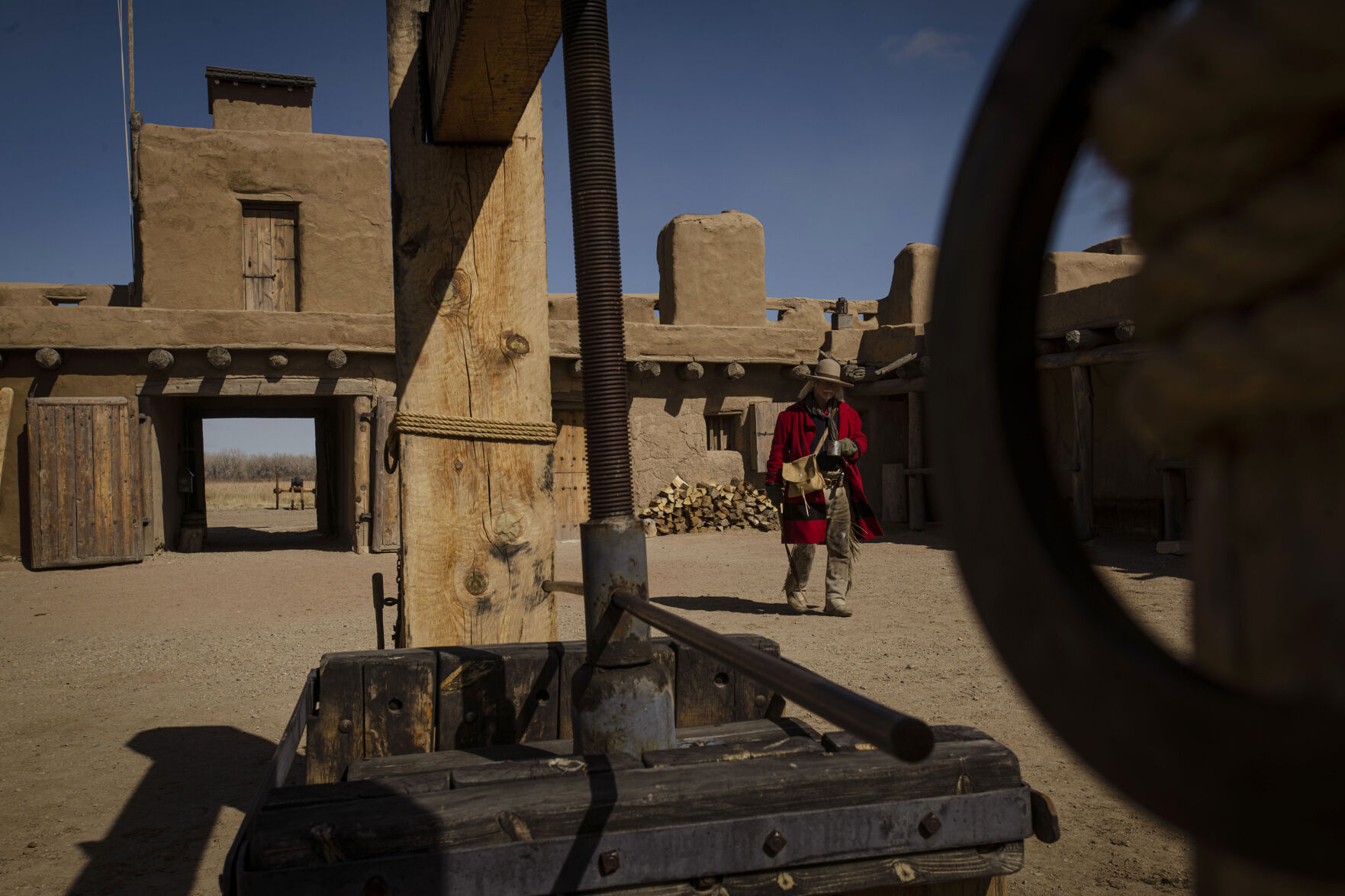
LA JUNTA It is out near a crossroads in southeast Colorado, somewhere between parched fields and dusty towns abandoned by industries that built them, between struggling farms and crumbling homes and wide-open grasslands that go unchanged, preserved, appearing just as they did in the days of wagons over the Santa Fe Trail.

It is like a fortress. “Like a ship on the sea,” one says here. “A Castle of the Plains,” Bent’s Old Fort National Historic Site calls itself.

It is a two-story adobe compound, constructed in 1976 in the proud, precise likeness of the major trading post that rose in the 1830s.

“It’s a different experience than almost every museum you go to,” Bob Kisthart says of Bent’s Old Fort National Historic Site. (Chancey Bush/ The Gazette)

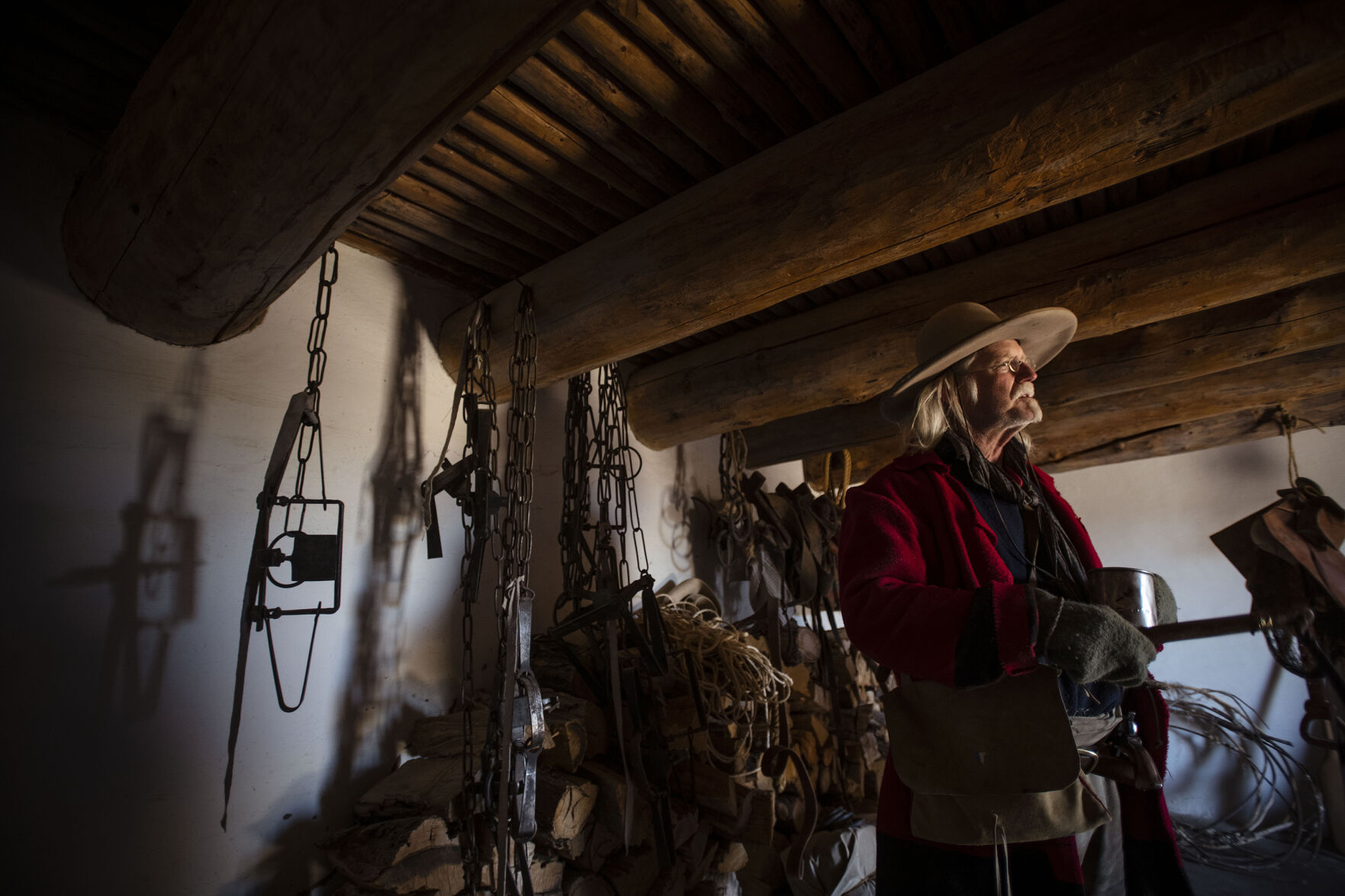
“It’s a different experience than almost every museum you go to,” says Bob Kisthart, a longtime historic interpreter here, often dressed as one of the old hunters or fur trappers.

Different, he explains, for how you just about step back in time.

The sight from afar remains “striking,” as explorer George Frederick Ruxton depicted Bent’s Fort almost two centuries ago — “standing as it does hundreds of miles from any settlement on the vast and lifeless prairie … far out of reach of intercourse with civilized man.”

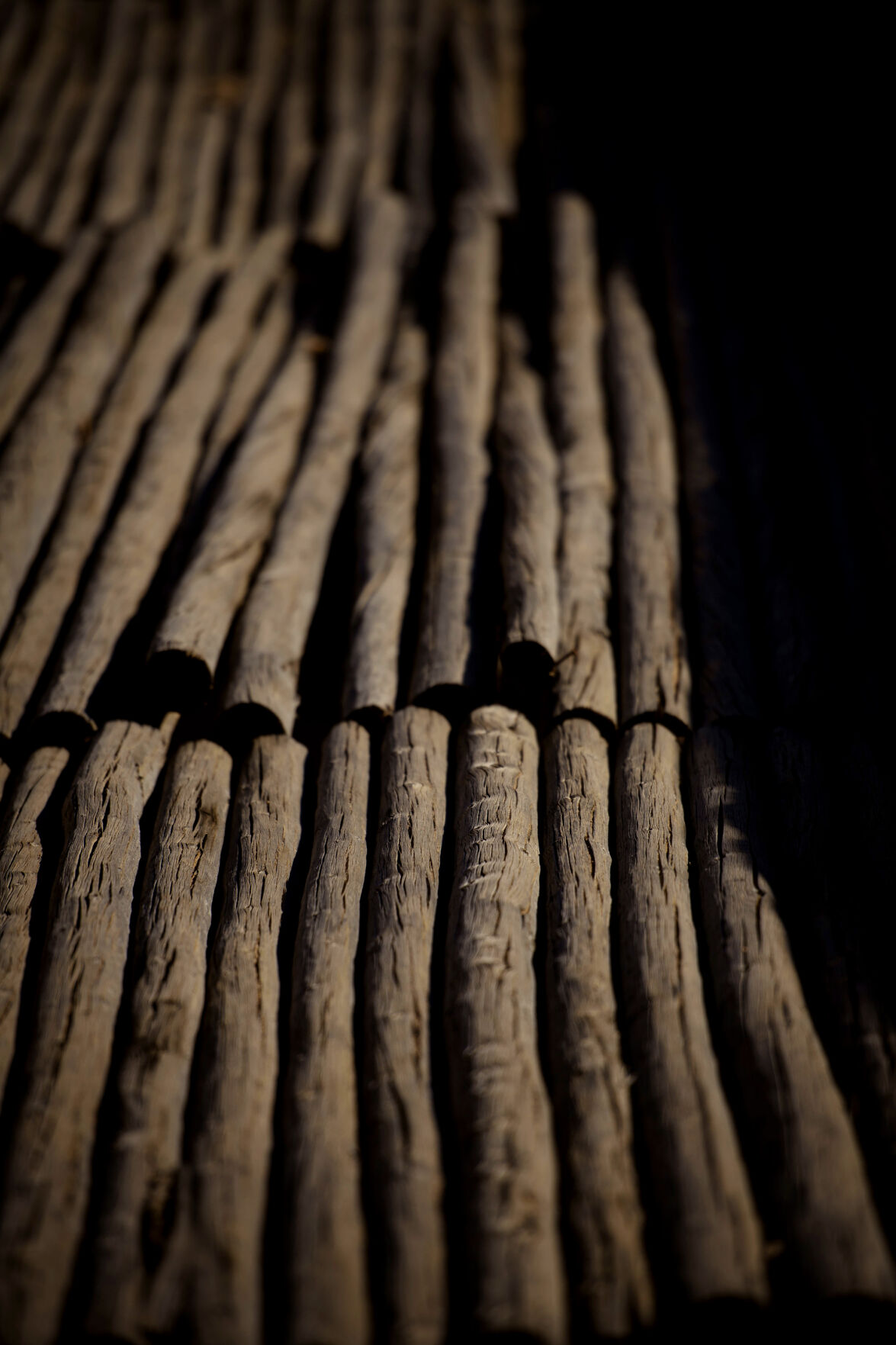
Bent’s Old Fort is complete with log beams and wool insulation, with cactus-topped walls and guard towers that kept cannons (in the fort’s 16 years, they were never fired in defense, the National Park Service says). As they did back then, horses, mules, goats and chickens lounge in the corral today. Cats still patrol for rodents inside.
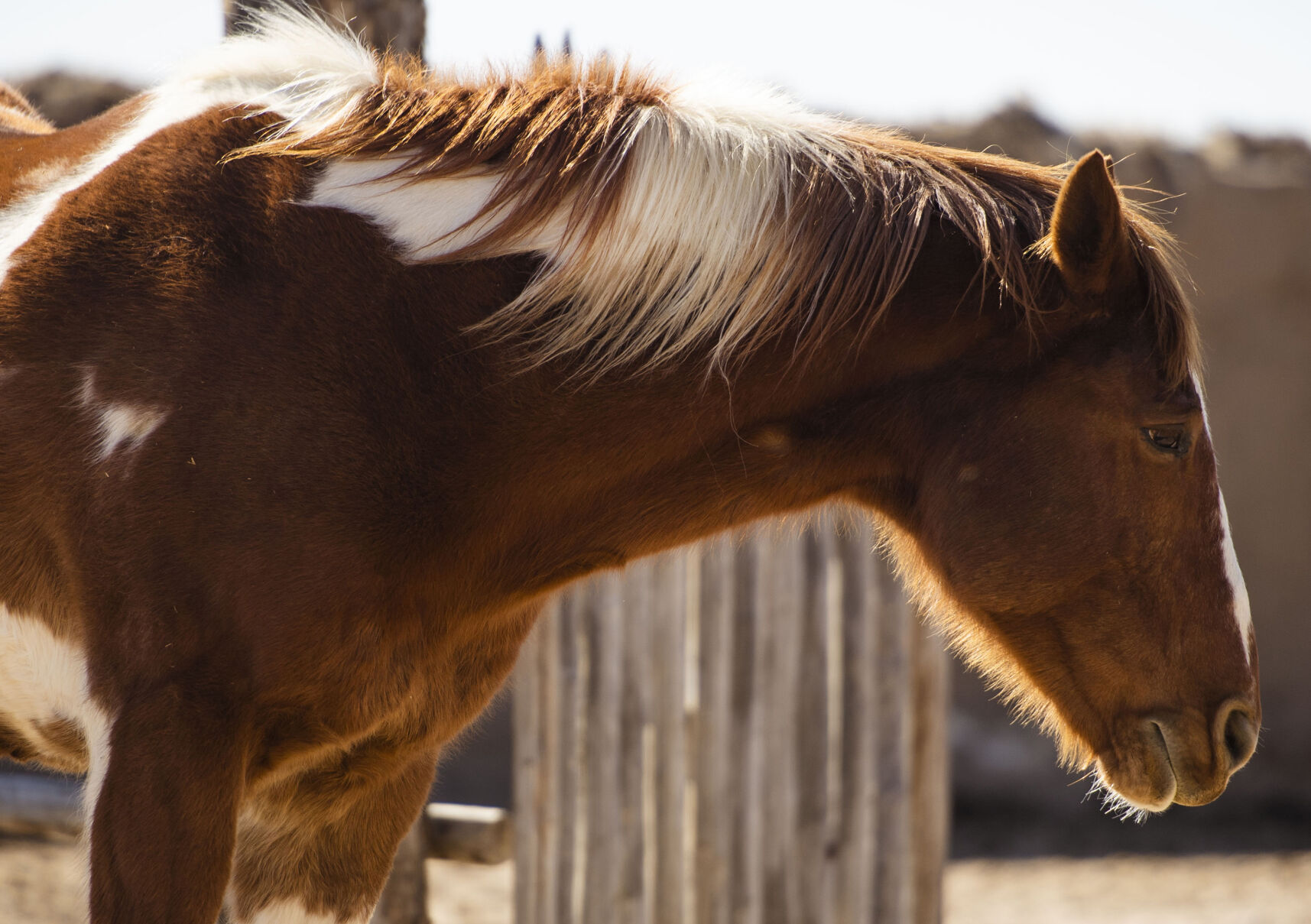
A horse at Bent's Old Fort National Historic Site in La Junta, Colo., on Feb. 23, 2022. The two-story adobe fort was reconstructed in 1976 to bring back the history of the largest fur trading outfit in the southwest of the Santa Fe Trail. The fort was established around the 1830’s and during the beginning of the “chaotic soap opera,” as historical interpreter Bob Kisthart described it, the main business was trading with plains Indians for buffalo robes. (Chancey Bush /The Gazette) (Chancey Bush/ The Gazette)
A horse at Bent’s Old Fort National Historic Site in La Junta, Colo., on Feb. 23, 2022. The two-story adobe fort was reconstructed in 1976 to bring back the history of the largest fur trading outfit in the southwest of the Santa Fe Trail. The fort was established around the 1830’s and during the beginning of the “chaotic soap opera,” as historical interpreter Bob Kisthart described it, the main business was trading with plains Indians for buffalo robes. (Chancey Bush /The Gazette) (Chancey Bush/ The Gazette)

Shelves are stocked with the same provisions: gunpowder, saddles, boots, knives, pots, pans, coffee, tea, sugar, salt, molasses and more desired by bold travelers to the West, which was only beginning to capture imaginations across the nation in the fort’s heyday. Today in the central courtyard, the fur press represents the greatest good to be wheeled over the plains and shipped to eastern markets: Native American-made buffalo robes.
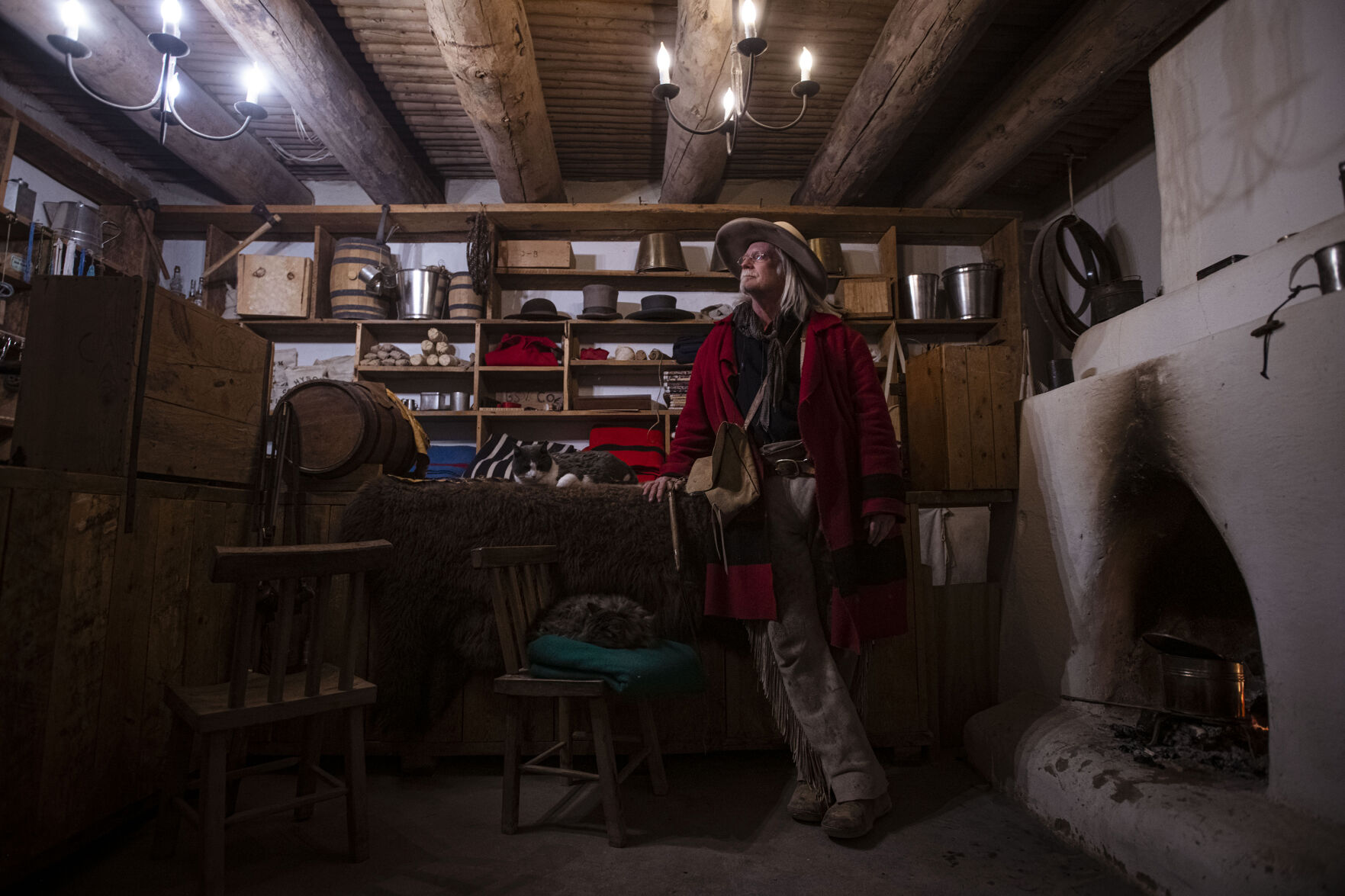
Bob Kisthart, a historical interpreter, poses recently at Bent’s Old Fort National Historic Site in La Junta. Kisthart likes to say Bent’s Fort represents the wild West before “the wild, wild West.” “As soon as civilization gets to Colorado,” Kisthart says, “that’s when uncivilized behavior really gets going.” (photos by Chancey Bush, The Gazette)

Fires still burn as they did in hearths, still cooking beans and flour and game, emitting rustic smells. Also, one can still smell that burn and timber from the blacksmithing and woodworking shops. One might even hear ghostly raucous from the billiards room, where raggedy men drank and gambled.

A flag flies not far from the pool table, displaying the 27 stars prior to the Mexican-American War. The Arkansas River is in close view, serving as the old border that was fought over for much of today’s American southwest.

Bent’s Fort was an epicenter of life decades before Colorado was a state, before homesteading and mining and railroading and the likes of surrounding La Junta, Pueblo and Trinidad came to be. Before life as we know it came to be all around Colorado.

Telling the story here for two decades now, Kisthart likes to say Bent’s Fort represents the wild West before “the wild, wild West.” It represents a critical junction, he says. A time before another time.
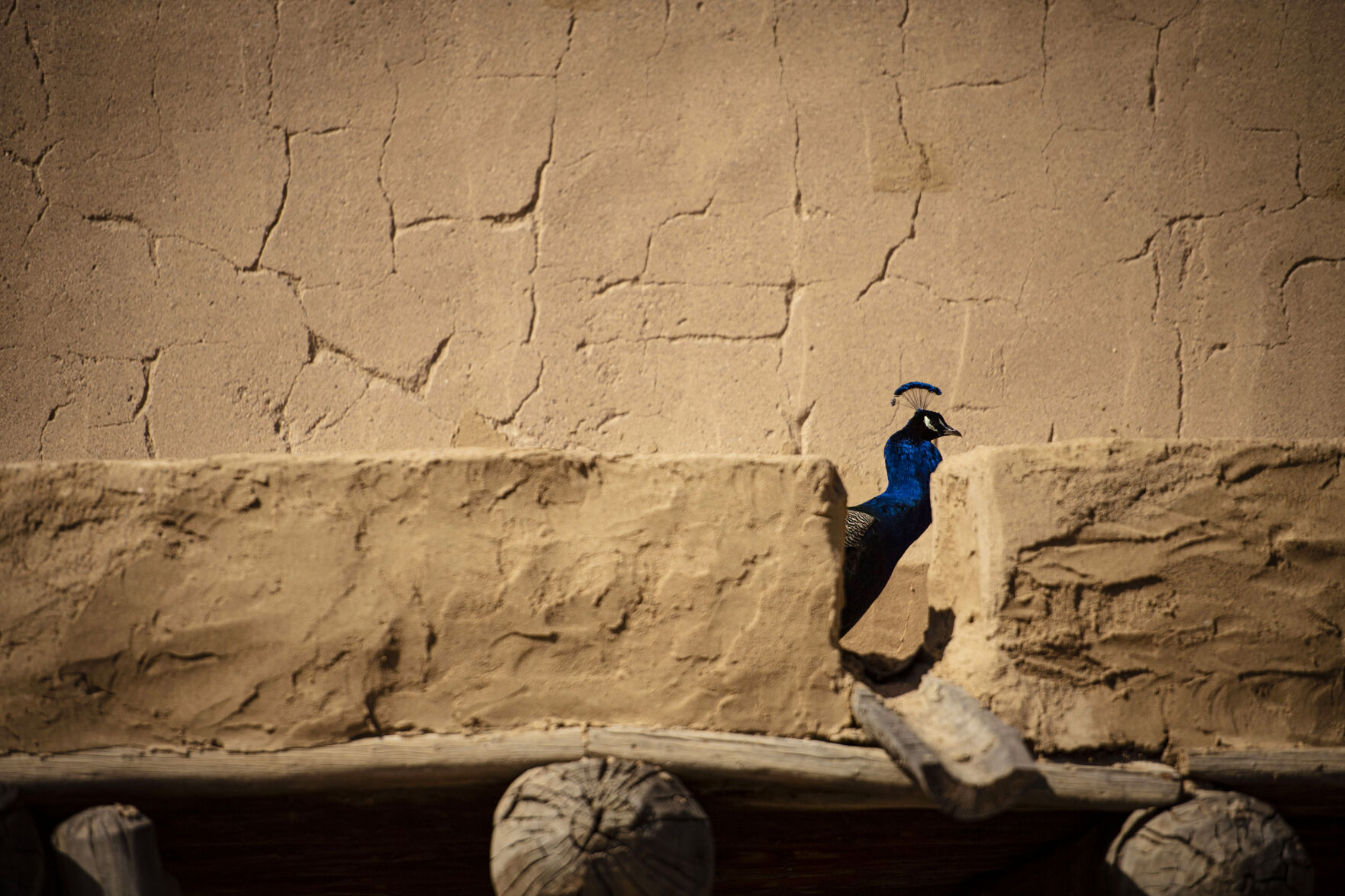
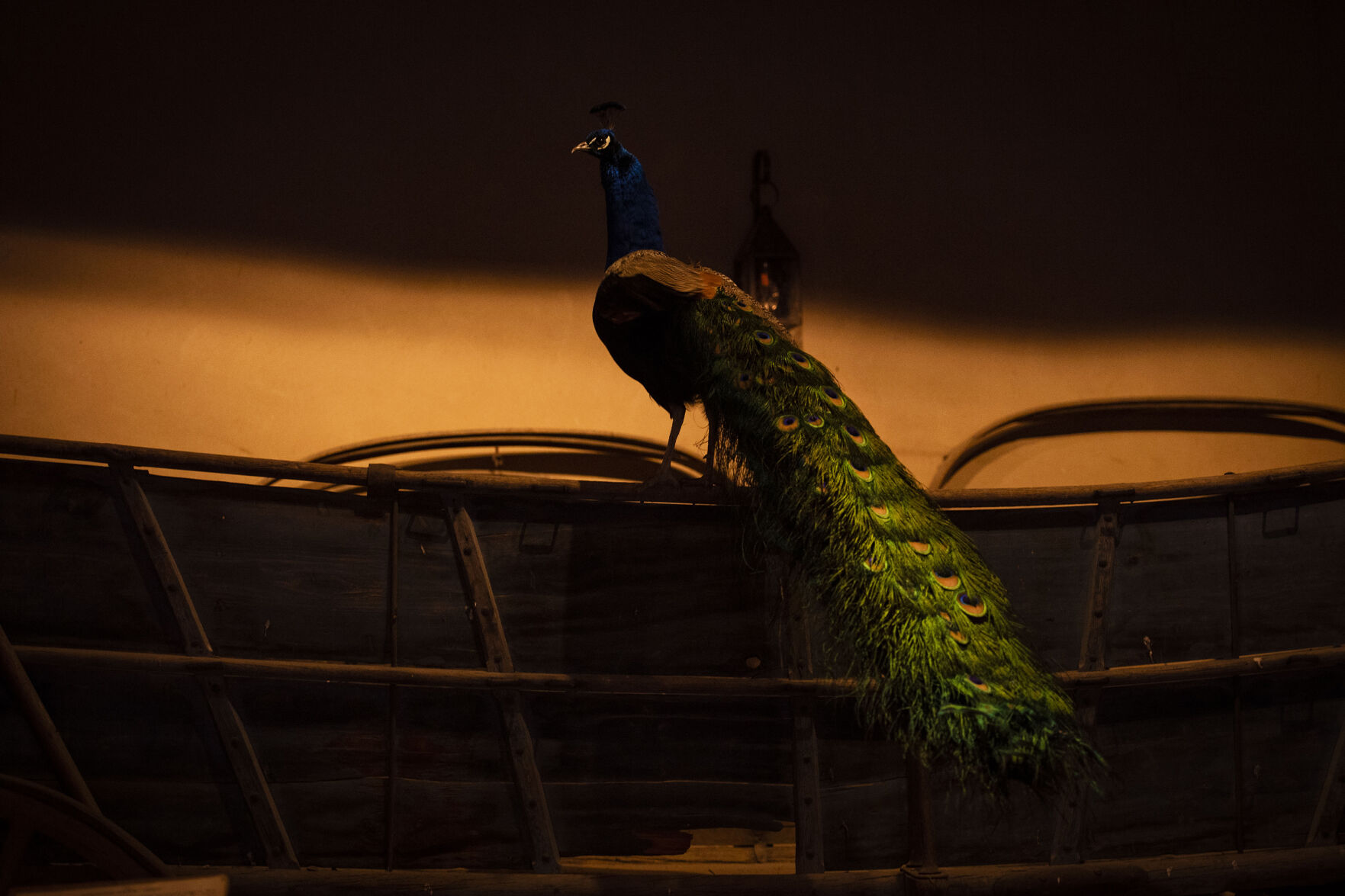
A peacock wanders Bent's Old Fort National Historic Site in La Junta, Colo., on Feb. 23, 2022. The two-story adobe fort was reconstructed in 1976 to bring back the history of the largest fur trading outfit in the southwest of the Santa Fe Trail. The fort was established around the 1830’s and during the beginning of the “chaotic soap opera,” as Kisthart described it, the main business was trading with plains Indians for buffalo robes. (Chancey Bush /The Gazette) (Chancey Bush/ The Gazette)
A peacock wanders Bent’s Old Fort National Historic Site in La Junta, Colo., on Feb. 23, 2022. The two-story adobe fort was reconstructed in 1976 to bring back the history of the largest fur trading outfit in the southwest of the Santa Fe Trail. The fort was established around the 1830’s and during the beginning of the “chaotic soap opera,” as Kisthart described it, the main business was trading with plains Indians for buffalo robes. (Chancey Bush /The Gazette) (Chancey Bush/ The Gazette)

“As soon as civilization gets to Colorado,” Kisthart says, “that’s when uncivilized behavior really gets going.”

Manifest Destiny was coined toward the end of Bent’s business. Waves of gold-dreaming white men would decimate the buffalo, and battles would intensify with native tribes, ultimately leading to massacres such as Sand Creek and reservations.

The Pikes Peak gold rush “helped create a society based on racially exclusive notions of politics, economics and family,” writes historian David Beyreis in “Blood in the Borderlands,” which traces the family of William Bent prior to him building his fort in 1833 and after his burning it in 1849.

There came a “new vision for the West,” Beyreis writes — “based on ideas of proper land usage and family formation that had deep cultural and racial consequences for mixed-race families.”

Families such as Bent’s.

Coming from privilege in St. Louis and embarking into the fur trade alongside his brother, Charles, William Bent married a Southern Cheyenne woman. In doing so, he inherited a respected, spiritual leader as a father-in-law and “solidified his social, political and economic ties with the Southern Cheyenne in the most intimate way,” Beyreis writes.

The goal was to maintain labor — “the female muscle and skill that went into” bison robes, Beyreis notes — and good faith with neighboring tribes. Tensions and rivalries flared, but Bent’s Fort managed a reputation for producing thousands of robes every year.
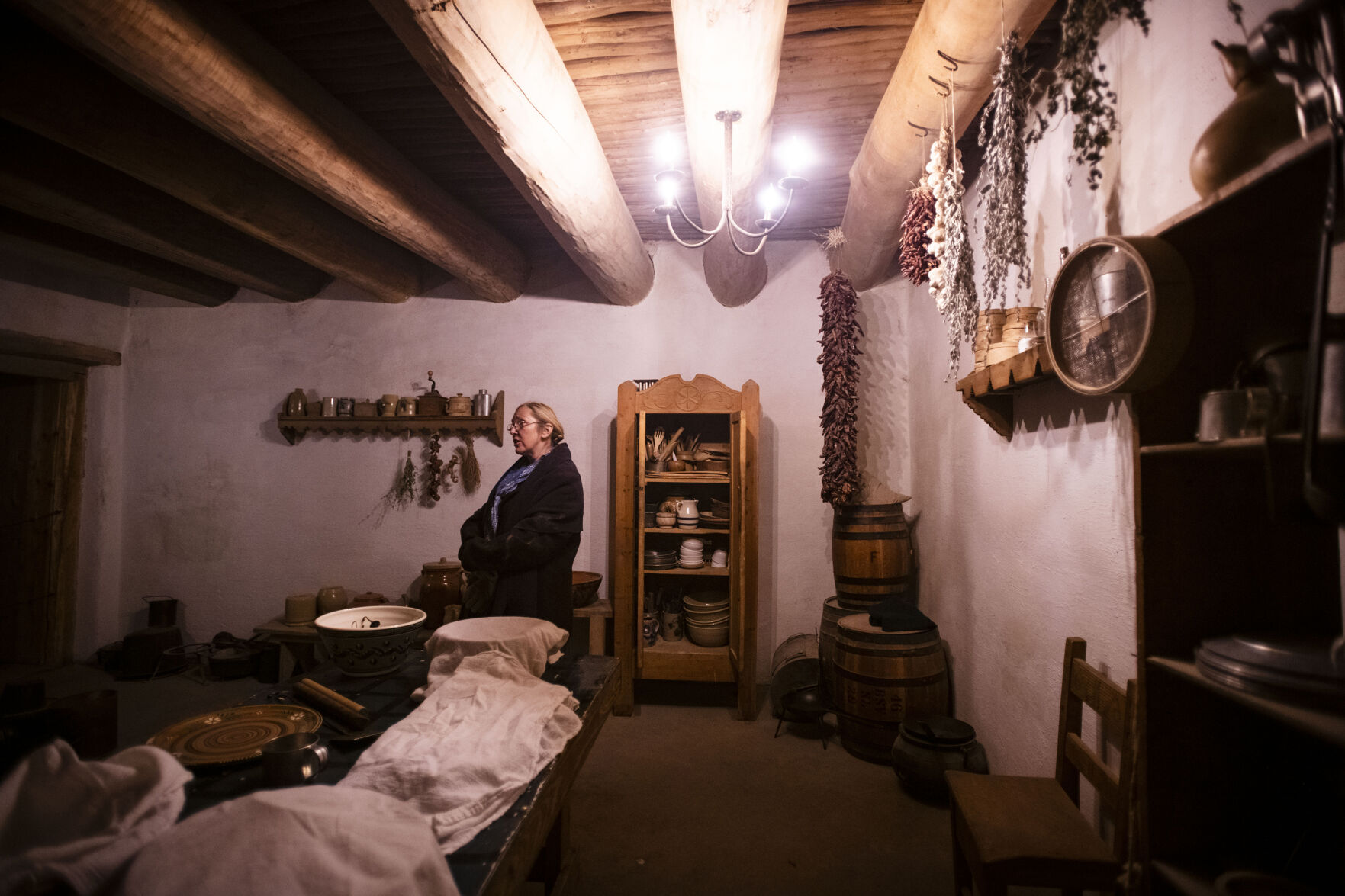
Beth Dodd, a historical interpreter portraying a Mexican labor woman that would have been working at the fort in the 1800’s, at Bent's Old Fort National Historic Site in La Junta, Colo., on Feb. 23, 2022. The two-story adobe fort was reconstructed in 1976 to bring back the history of the largest fur trading outfit in the southwest of the Santa Fe Trail. The fort was established around the 1830’s and during the beginning of the “chaotic soap opera,” as historical interpreter Bob Kisthart described it, the main business was trading with plain Indians for buffalo robes. (Chancey Bush /The Gazette) (Chancey Bush/ The Gazette)
Beth Dodd, a historical interpreter portraying a Mexican labor woman that would have been working at the fort in the 1800’s, at Bent’s Old Fort National Historic Site in La Junta, Colo., on Feb. 23, 2022. The two-story adobe fort was reconstructed in 1976 to bring back the history of the largest fur trading outfit in the southwest of the Santa Fe Trail. The fort was established around the 1830’s and during the beginning of the “chaotic soap opera,” as historical interpreter Bob Kisthart described it, the main business was trading with plain Indians for buffalo robes. (Chancey Bush /The Gazette) (Chancey Bush/ The Gazette)

Natives worked and traded here alongside Mexican laborers, French-Canadian hunters and trappers, and well-to-do executives. Bent had a Black slave, Charlotte, recalled as “the grand center of attraction, the belle of the evening” by Lewis Garrard in his journal chronicling his 1846 venture to the fort.

By the National Park Service’s description, Bent’s Fort was “a cultural crossroads.” It also could be seen as grounds for the kind of ethnocentric and exploitive attitudes that prevailed in the West.
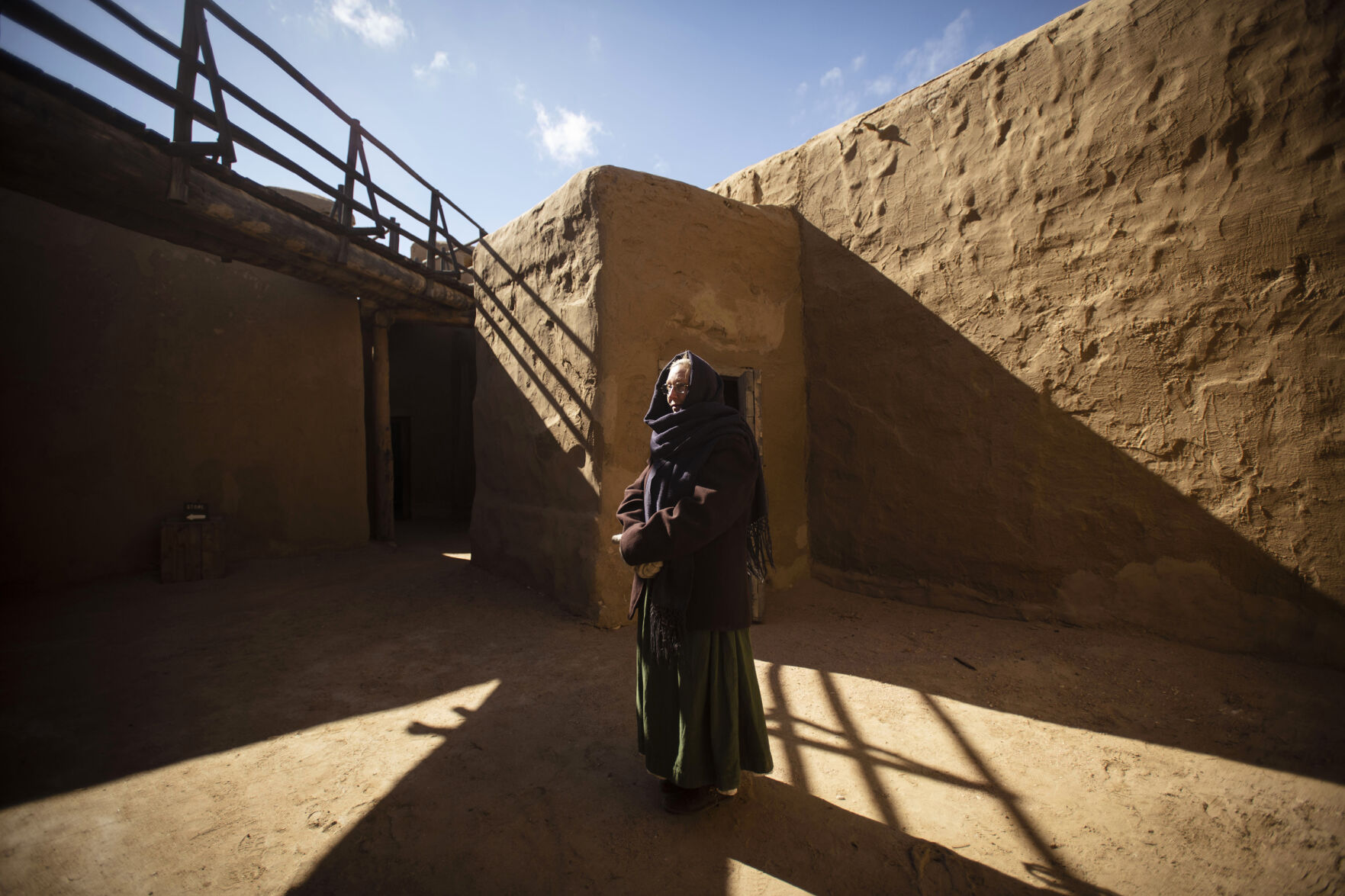
Historical interpreter Beth Dodd poses for a portrait at Bent’s Old Fort National Historic Site. (Chancey Bush/ The Gazette)

Beth Dodd, another historic interpreter at the fort, sees social overtones around the rooms. That includes the dining hall, with decorative wallpaper and squared-off beams and impressive furniture around a wood stove. Meat, vegetables and breads went down with booze — for those deemed worthy.
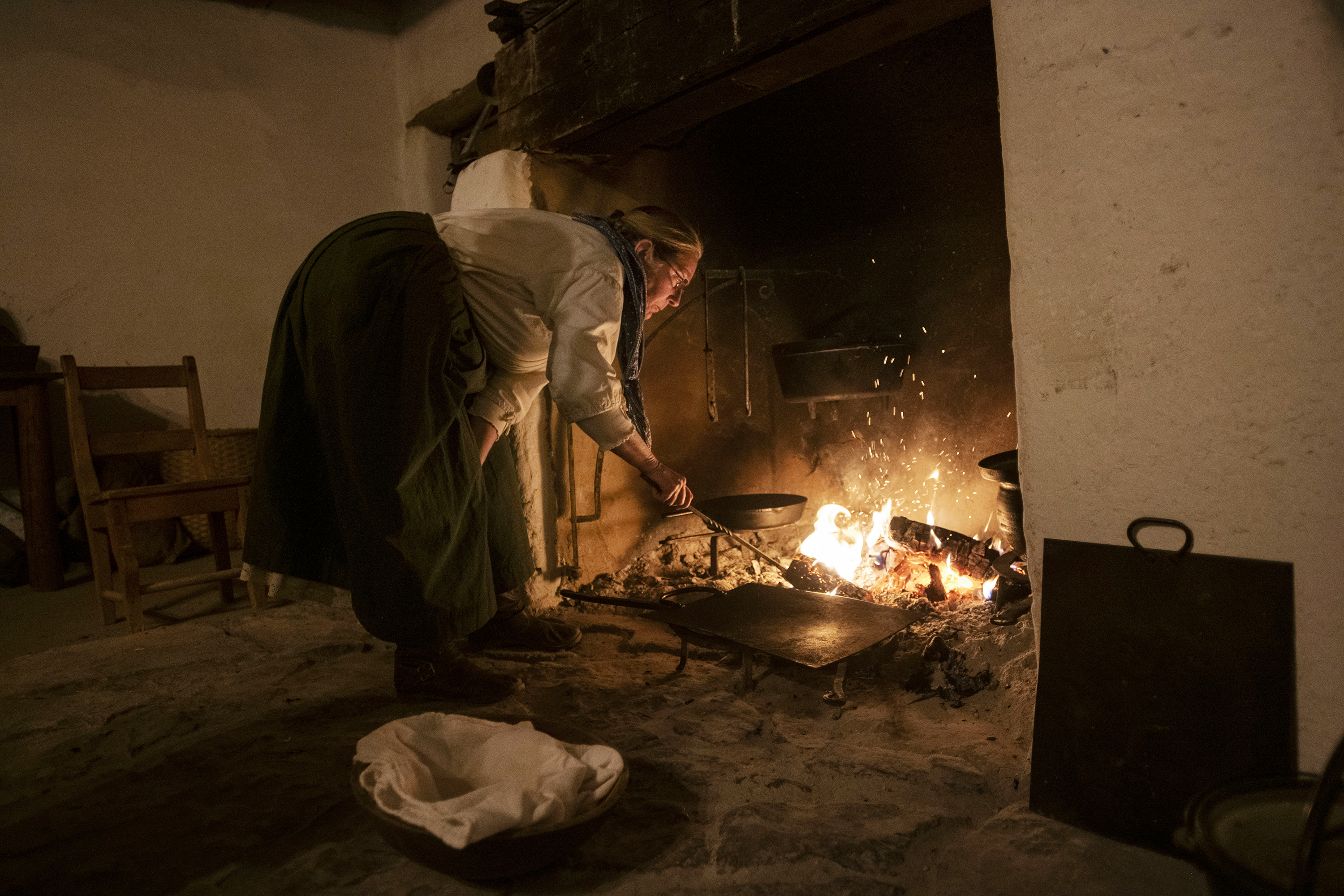
Beth Dodd, a historical interpreter portraying a Mexican labor woman, stokes the fire to prepare a meal at Bent’s Old Fort National Historic Site. (photos by Chancey Bush, The gazette)

“Not everyone got to eat in that dining hall,” Dodd says. “The owners of the fort and their upper-level employees ate there. Their meal was prepared for them and served to them, whereas other people in the fort probably made a pot of beans in their quarters or ate out the back door. What you ate and where you ate showed your wealth and privilege and your status.”

Beth Dodd, a historical interpreter portraying a Mexican labor woman that would have been working at the fort in the 1800’s, prepares a pot of buffalo meat with beans at Bent's Old Fort National Historic Site in La Junta, Colo., on Feb. 23, 2022. The two-story adobe fort was reconstructed in 1976 to bring back the history of the largest fur trading outfit in the southwest of the Santa Fe Trail. The fort was established around the 1830’s and during the beginning of the “chaotic soap opera,” as historical interpreter Bob Kisthart described it, the main business was trading with plains Indians for buffalo robes. (Chancey Bush /The Gazette) (Chancey Bush/ The Gazette)
Beth Dodd, a historical interpreter portraying a Mexican labor woman that would have been working at the fort in the 1800’s, prepares a pot of buffalo meat with beans at Bent’s Old Fort National Historic Site in La Junta, Colo., on Feb. 23, 2022. The two-story adobe fort was reconstructed in 1976 to bring back the history of the largest fur trading outfit in the southwest of the Santa Fe Trail. The fort was established around the 1830’s and during the beginning of the “chaotic soap opera,” as historical interpreter Bob Kisthart described it, the main business was trading with plains Indians for buffalo robes. (Chancey Bush /The Gazette) (Chancey Bush/ The Gazette)

Garrard’s account is a glimpse into sentiments harbored across the Great American Desert. He, too, traveled from Missouri, eager at 17 to join Bent’s company partner, Ceran St. Vrain. It’s a mission told in vivid detail in “Wah-to-yah and the Taos Trail.”

Garrard’s journal finds him occasionally reflecting on right and wrong, such as when he encounters legendary Black mountain man James Beckwourth. “He was a large, good-humored fellow,” Garrard writes, “and, while listening to the characteristic colloquy, I almost forgot that he was of a race who, in the much-boasted land of liberty, are an inferior, degraded people.”

From other nonwhite encounters, Garrard wavers between envy and scorn.

He seems to appreciate sharing coffee, tobacco and prayer space with Native Americans — he even describes “great love” from a hug — but considers it “strange that these people remain the same untutored, blood-thirsty savages as ever.” That’s while excusing his fellow companions, whose “manners are blunt” and “speech is rude” and “yet these aliens from society, these strangers to the refinements of civilized life, who will tear off a bloody scalp with even grim smiles of satisfaction, are fine fellows, full of fun, and often kind and obliging.”
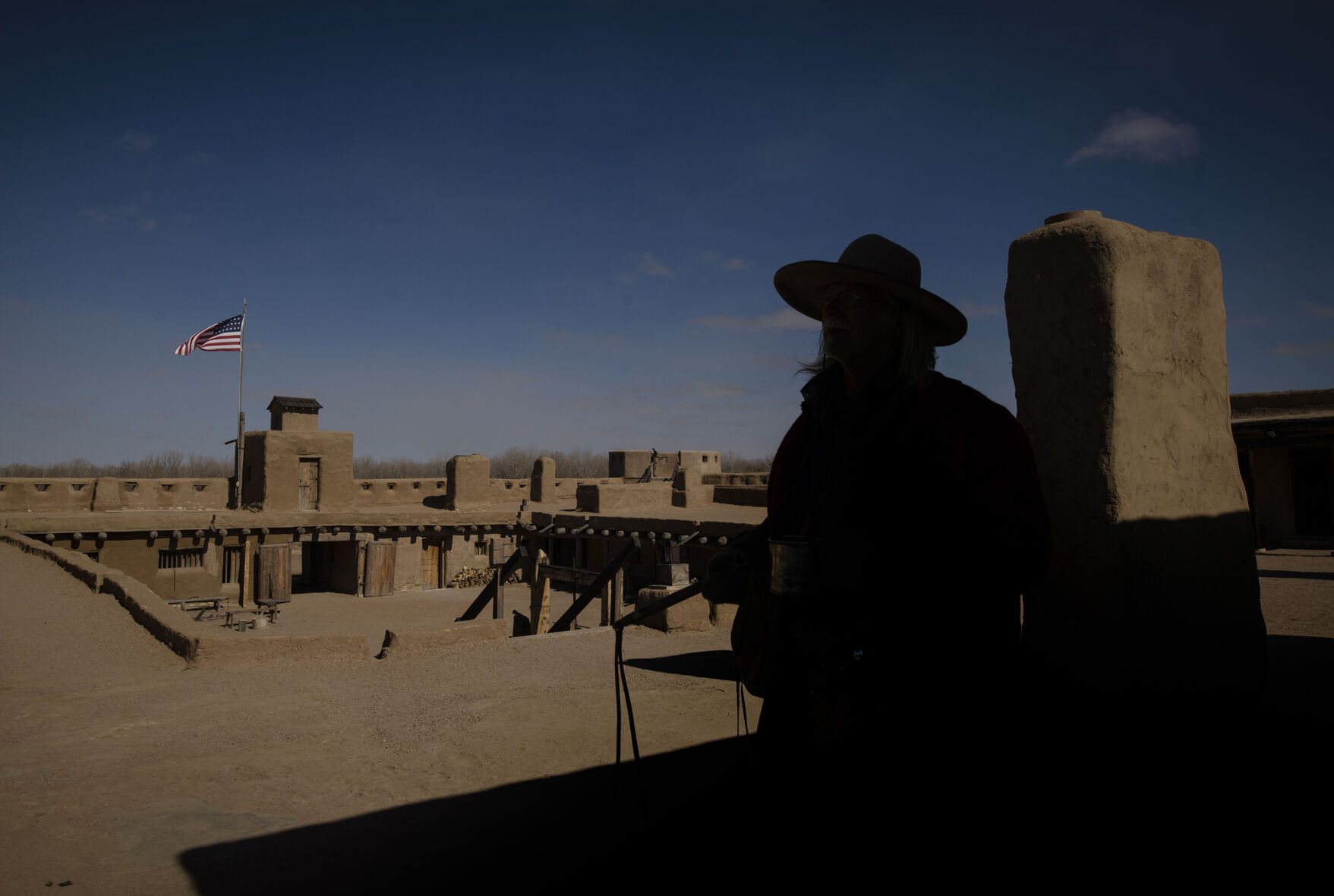
Bob Kisthart, a historical interpreter, looks out on Bent’s Old Fort National Historic Site in La Junta. (Chancey Bush/ The Gazette)

Garrard is similarly contradictory toward Mexicans. He counts them as skilled at one point, tough in another — “these rancheros can undergo that which would kill a dozen respectable white men,” he observes. But then they are “an injured people, possessed with vindictive tempers” and also “depraved of moral education.”

These were encounters along Garrard’s assigned mission to avenge the death of William Bent’s brother.

Following an incursion led by Stephen Watts Kearny’s Army of the West that saw Charles Bent appointed governor of the New Mexico territory, he was killed in a revolt in 1847. Charles Bent’s demise followed clear loathing toward the Mexican locals — “made up of stupidity, obstinacy, ignorance, duplicity and vanity,” he wrote in an 1845 letter.

Back along the Arkansas River, William Bent hosted Kearny and his troops for a time; the fort by the border became base at the dawn of the Mexican-American War. William Bent “felt Kearny’s men abused the company’s hospitality,” Beyreis writes. “The Army of the West had swarmed over the fort, eaten up the post’s supplies, taken up valuable storage space and frightened away Indians who tried to trade.”

Bent's Old Fort National Historic Site in La Junta, Colo., on Feb. 23, 2022. The two-story adobe fort was reconstructed in 1976 to bring back the history of the largest fur trading outfit in the southwest of the Santa Fe Trail. The fort was established around the 1830’s and during the beginning of the “chaotic soap opera,” as Kisthart described it, the main business was trading with plains Indians for buffalo robes. (Chancey Bush /The Gazette) (Chancey Bush/ The Gazette)
Bent’s Old Fort National Historic Site in La Junta, Colo., on Feb. 23, 2022. The two-story adobe fort was reconstructed in 1976 to bring back the history of the largest fur trading outfit in the southwest of the Santa Fe Trail. The fort was established around the 1830’s and during the beginning of the “chaotic soap opera,” as Kisthart described it, the main business was trading with plains Indians for buffalo robes. (Chancey Bush /The Gazette) (Chancey Bush/ The Gazette)

This might’ve contributed to Bent’s apparent frustration later, when the military tried to buy the fort. Bent declined. He at least partially ruined the place by setting it aflame. He then fled to a new home down river, “where his family would try to adjust to a new life in a changing world,” reads Beyreis’ book, which recounts Bent’s later struggles to make peace between tribes and his government.

The once-rich Bent was known to die poor in 1869. A century later, his big dream of adobe was resurrected.

It stands to show a complicated dream, says local Jose Frausto. He’s a longtime interpreter at the national historic site.

“It represents, I guess, the American dream,” he says.
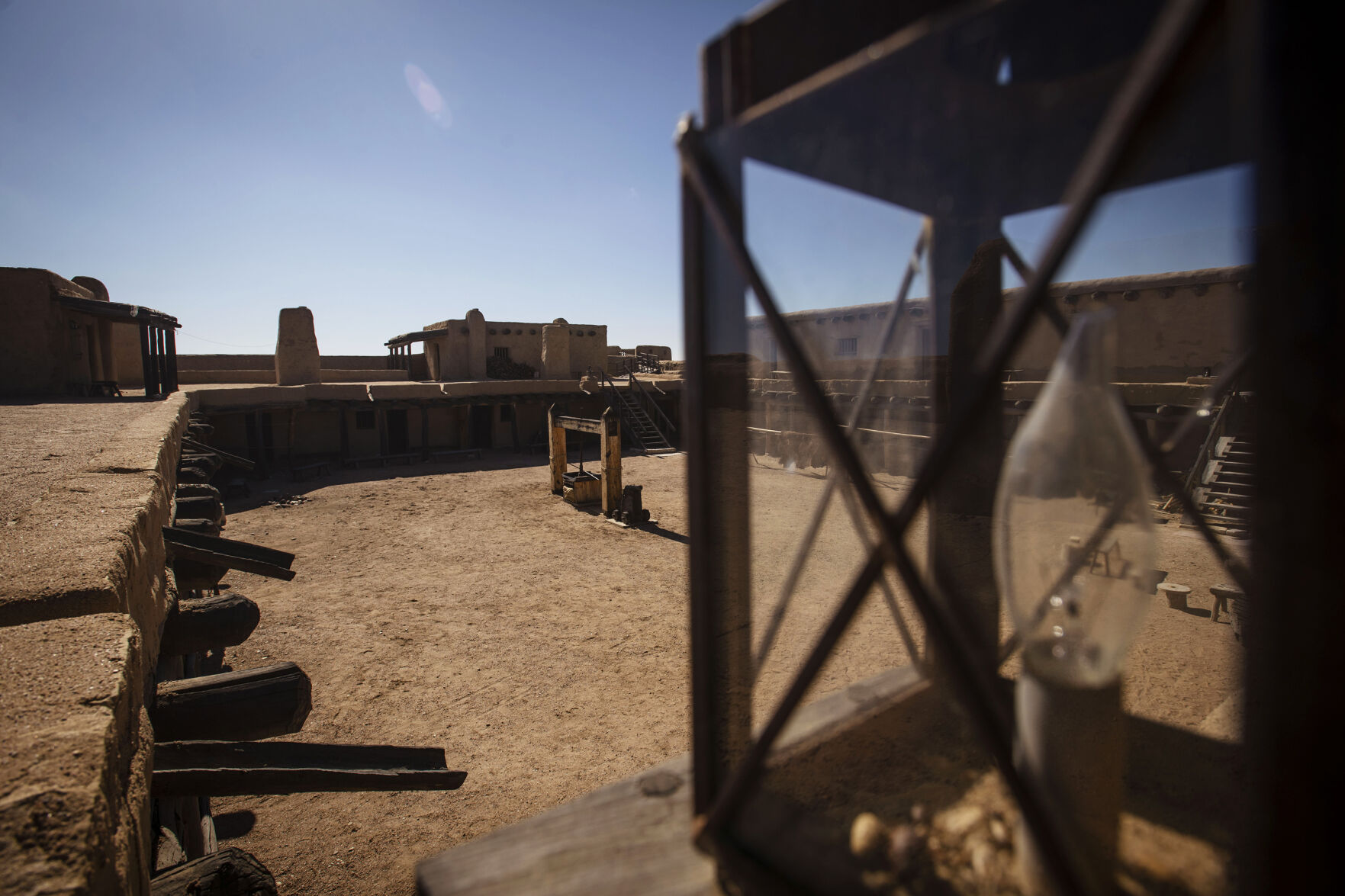
The past comes to life at Bent’s Old Fort National Historic Site in La Junta. (Chancey Bush/ The Gazette)

Frausto portrays a laborer who would’ve worked on the adobe for long hours, if only for something to eat at the end of the day. A laborer might’ve looked to the Arkansas River, that border defined by cottonwoods, and contemplated the future of life and home, what would be won, what would be lost.

The river provides a lesson still today for visitors, Frausto says.

“What people have to realize is, a border has two sides, right?”
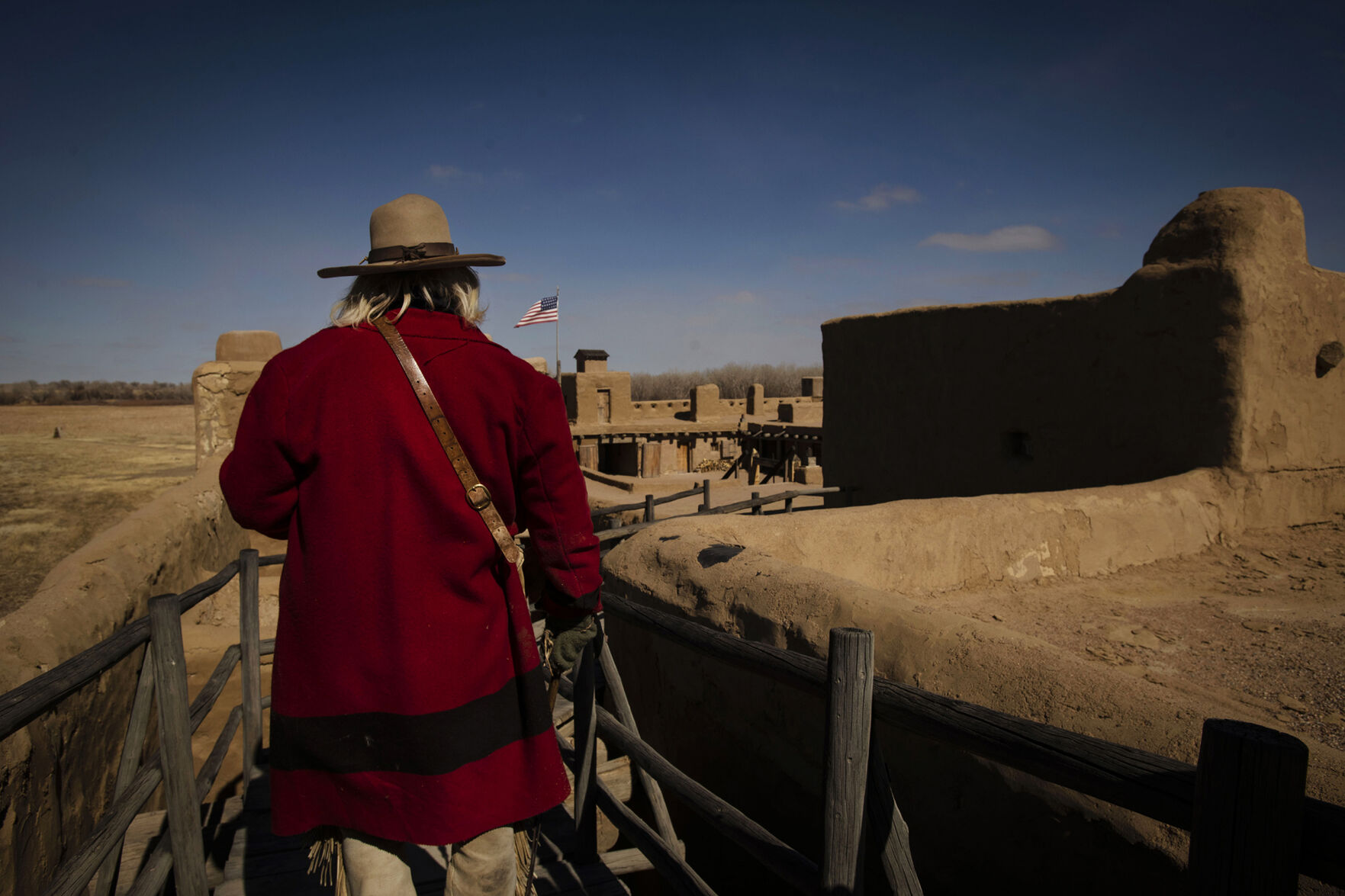
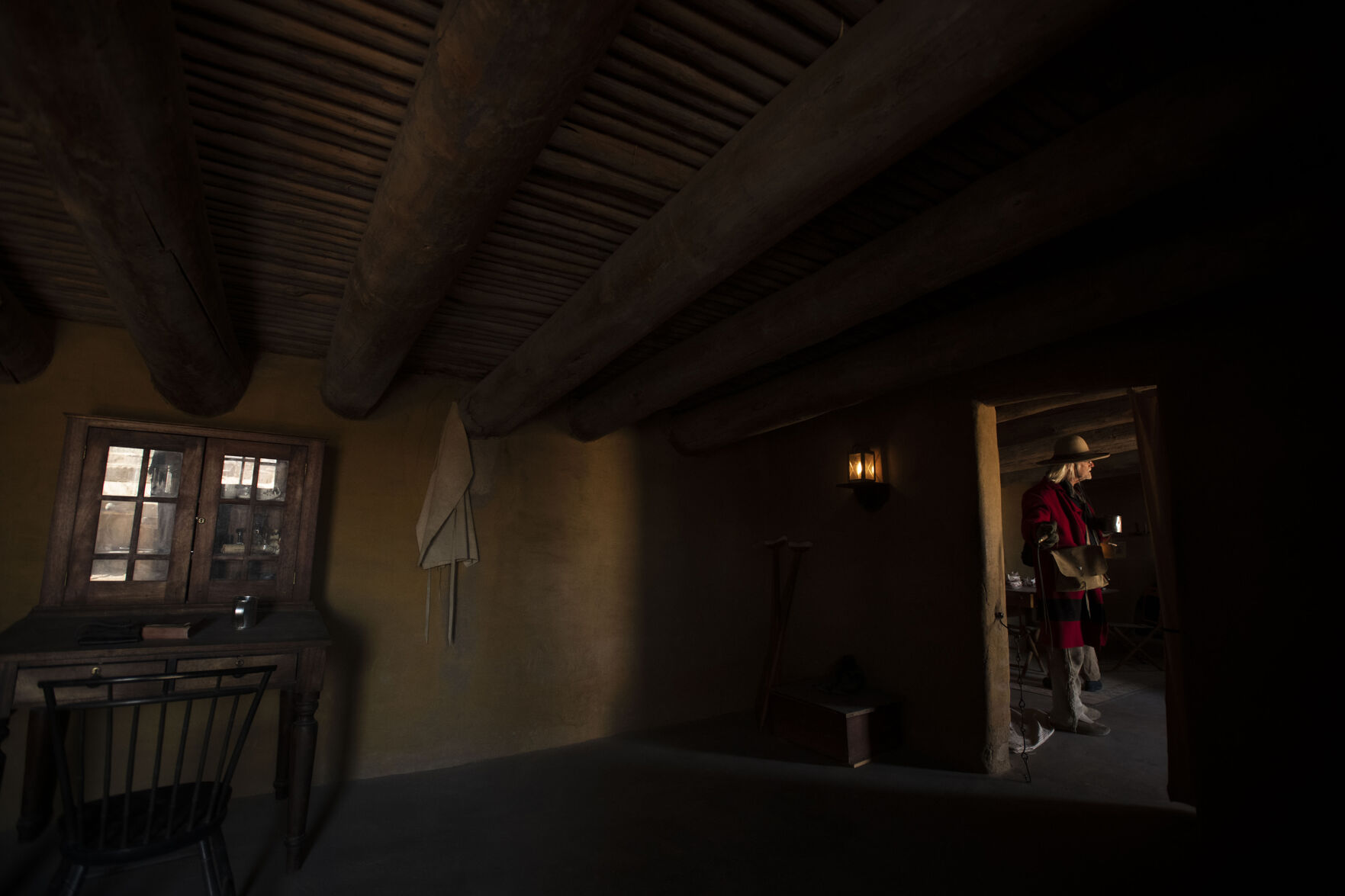
Bob Kisthart, a historical interpreter, is often dressed as one of the old hunters or fur trappers at Bent’s Old Fort National Historic Site in La Junta. The two-story adobe fort was constructed in 1976 to bring back the history of the major trading post that rose in the 1830s. (photos by Chancey Bush, The Gazette)
A visit to Bent’s Old Fort National Historic Site is like stepping back in time, complete with Bob Kisthart, a historical interpreter who is often dressed as one of the old hunters or fur trappers. (photos by Chancey Bush, The Gazette)
Bob Kisthart, a historical interpreter, is often dressed as one of the old hunters or fur trappers at Bent’s Old Fort National Historic Site in La Junta, Colo., on Feb. 23, 2022. The two-story adobe fort was reconstructed in 1976 to bring back the history of the largest fur trading outfit in the southwest of the Santa Fe Trail. The fort was established around the 1830’s and during the beginning of the “chaotic soap opera,” as Kisthart described it, the main business was trading with plains Indians for buffalo robes. (Chancey Bush /The Gazette) (Chancey Bush/ The Gazette)
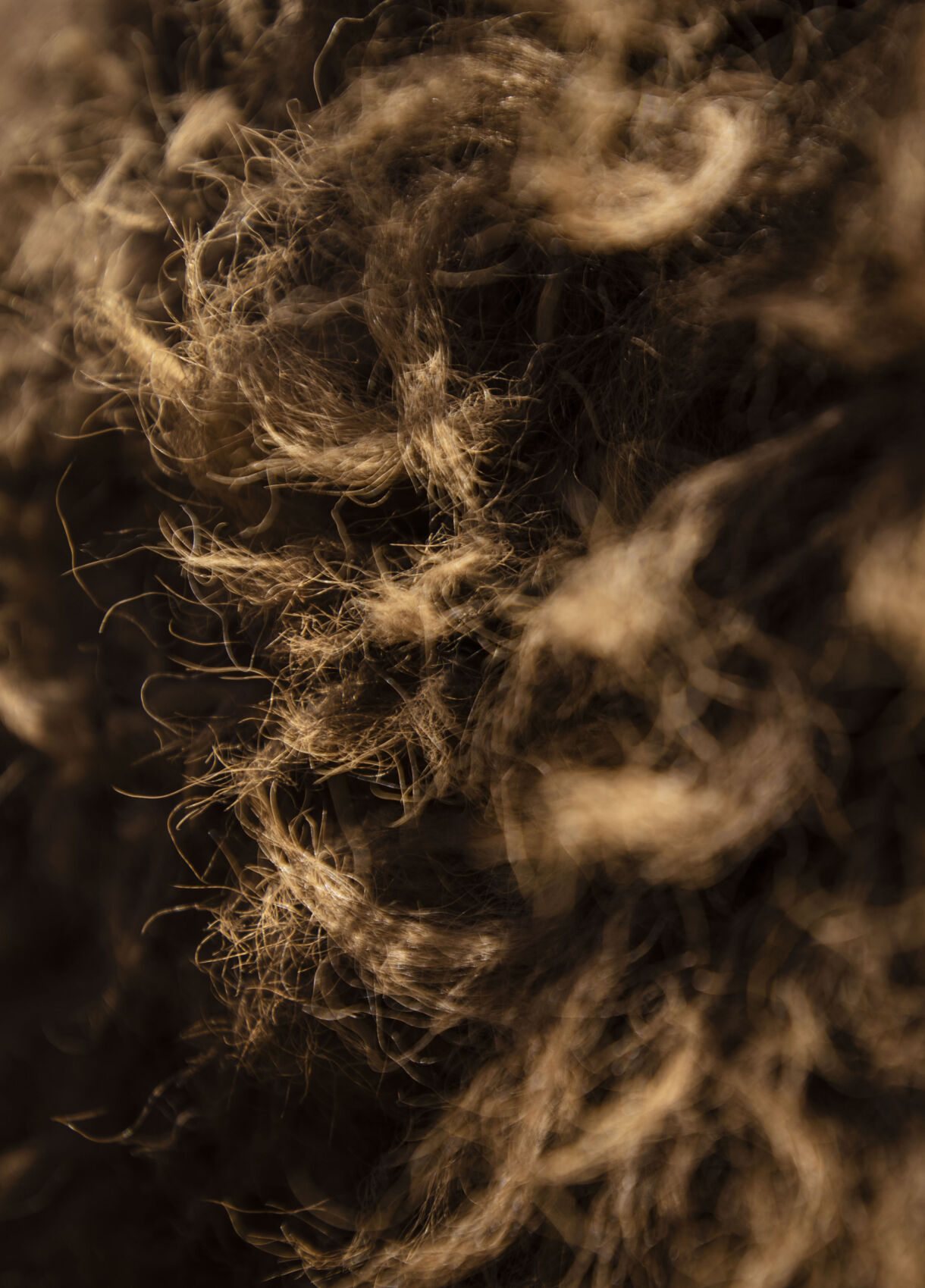
Detail of buffalo hair at Bent’s Old Fort National Historic Site in La Junta, Colo., on Feb. 23, 2022. The two-story adobe fort was reconstructed in 1976 to bring back the history of the largest fur trading outfit in the southwest of the Santa Fe Trail. The fort was established around the 1830’s and during the beginning of the “chaotic soap opera,” as Kisthart described it, the main business was trading with plains Indians for buffalo robes. (Chancey Bush /The Gazette) (Chancey Bush/ The Gazette)
A peacock perches on a wagon at Bent’s Old Fort National Historic Site last month in La Junta. (Chancey Bush/ The Gazette)
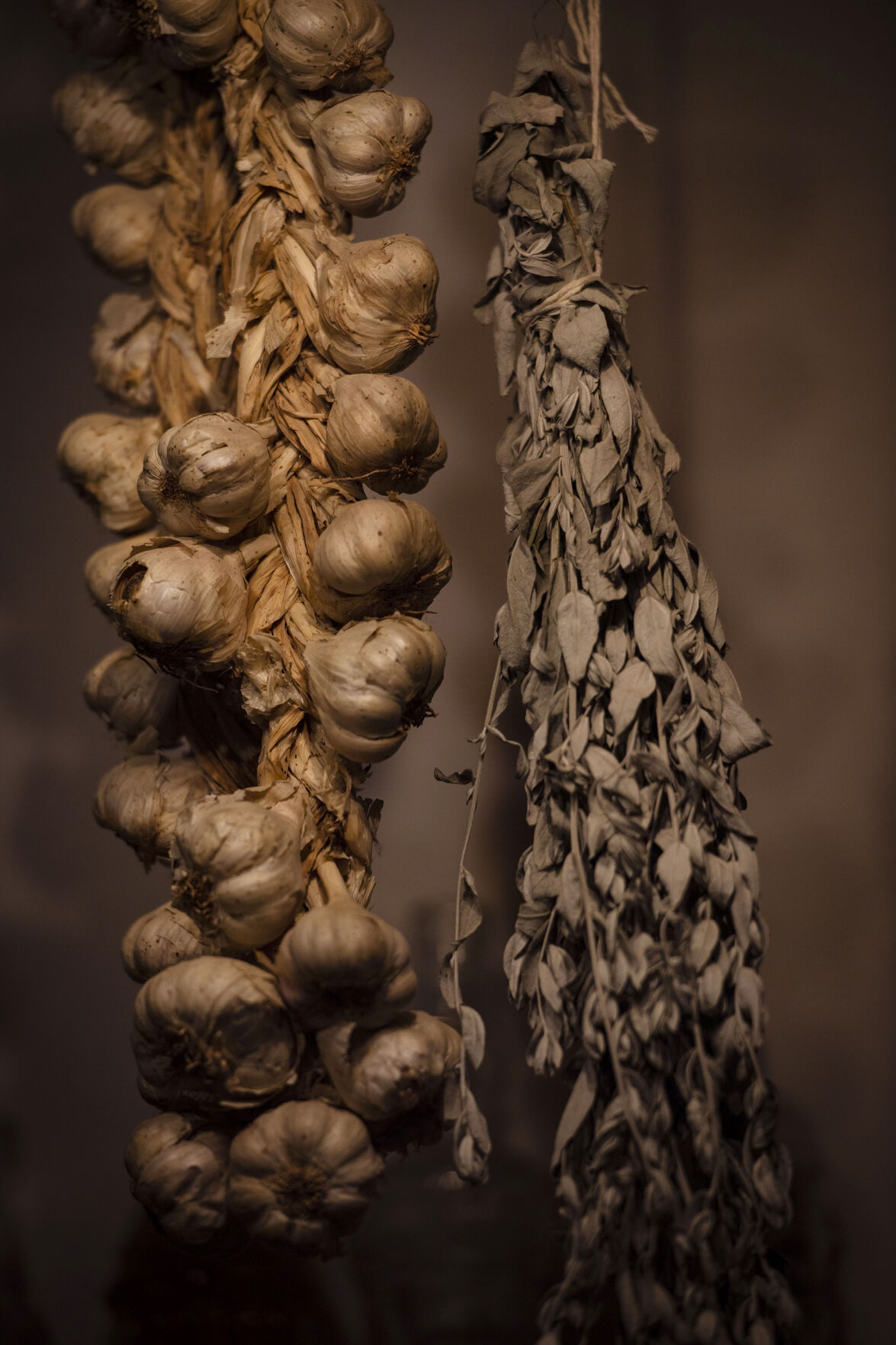
Dried garlic and herbs hang inside the kitchen at Bent's Old Fort National Historic Site in La Junta, Colo., on Feb. 23, 2022. The two-story adobe fort was reconstructed in 1976 to bring back the history of the largest fur trading outfit in the southwest of the Santa Fe Trail. The fort was established around the 1830’s and during the beginning of the “chaotic soap opera,” as historical interpreter Bob Kisthart described it, the main business was trading with plains Indians for buffalo robes. (Chancey Bush /The Gazette) (Chancey Bush/ The Gazette)
Dried garlic and herbs hang inside the kitchen at Bent’s Old Fort National Historic Site in La Junta, Colo., on Feb. 23, 2022. The two-story adobe fort was reconstructed in 1976 to bring back the history of the largest fur trading outfit in the southwest of the Santa Fe Trail. The fort was established around the 1830’s and during the beginning of the “chaotic soap opera,” as historical interpreter Bob Kisthart described it, the main business was trading with plains Indians for buffalo robes. (Chancey Bush /The Gazette) (Chancey Bush/ The Gazette)
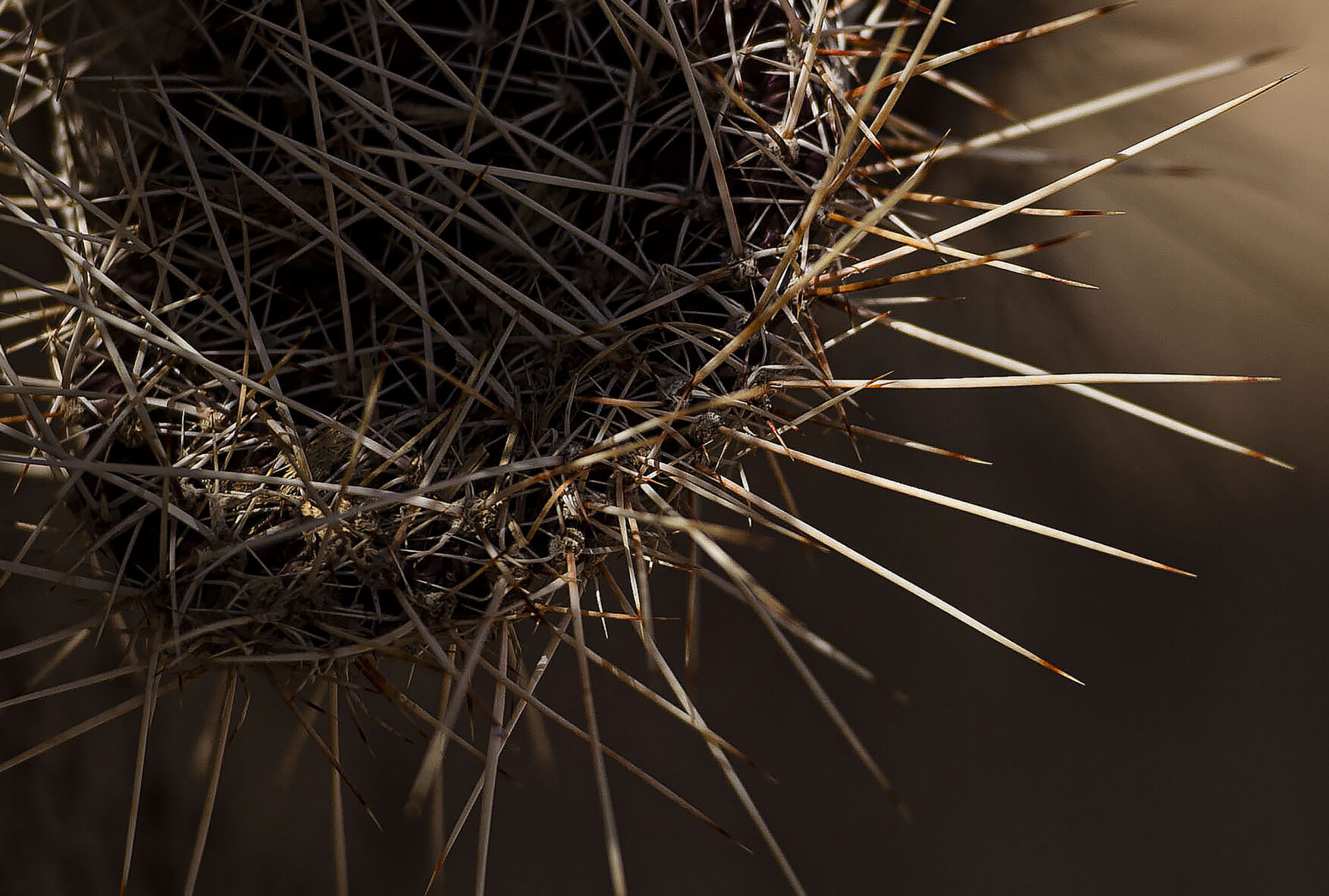
Cactus lines the top wall of the entrance into Bent's Old Fort National Historic Site in La Junta, Colo., on Feb. 23, 2022. The two-story adobe fort was reconstructed in 1976 to bring back the history of the largest fur trading outfit in the southwest of the Santa Fe Trail. The fort was established around the 1830’s and during the beginning of the “chaotic soap opera,” as Kisthart described it, the main business was trading with plains Indians for buffalo robes. (Chancey Bush /The Gazette) (Chancey Bush/ The Gazette)
Cactus lines the top wall of the entrance into Bent’s Old Fort National Historic Site in La Junta, Colo., on Feb. 23, 2022. The two-story adobe fort was reconstructed in 1976 to bring back the history of the largest fur trading outfit in the southwest of the Santa Fe Trail. The fort was established around the 1830’s and during the beginning of the “chaotic soap opera,” as Kisthart described it, the main business was trading with plains Indians for buffalo robes. (Chancey Bush /The Gazette) (Chancey Bush/ The Gazette)
Bent's Old Fort National Historic Site in La Junta, Colo., on Feb. 23, 2022. The two-story adobe fort was reconstructed in 1976 to bring back the history of the largest fur trading outfit in the southwest of the Santa Fe Trail. The fort was established around the 1830’s and during the beginning of the “chaotic soap opera,” as historical interpreter Bob Kisthart described it, the main business was trading with plains Indians for buffalo robes. (Chancey Bush /The Gazette) (Chancey Bush/ The Gazette)
Bent’s Old Fort National Historic Site in La Junta, Colo., on Feb. 23, 2022. The two-story adobe fort was reconstructed in 1976 to bring back the history of the largest fur trading outfit in the southwest of the Santa Fe Trail. The fort was established around the 1830’s and during the beginning of the “chaotic soap opera,” as historical interpreter Bob Kisthart described it, the main business was trading with plains Indians for buffalo robes. (Chancey Bush /The Gazette) (Chancey Bush/ The Gazette)


Welcome Back.

Streak: 9 days i

Stories you've missed since your last login:

Stories you've saved for later:

Recommended stories based on your interests:

Edit my interests