People love spending on Valentine’s Day, but it’s getting pricier and pricier each year
A Denver flower shop had its biggest price increase in several years for a dozen roses as inflation hits every aspect of business. But they're still ready for hundreds of customers.
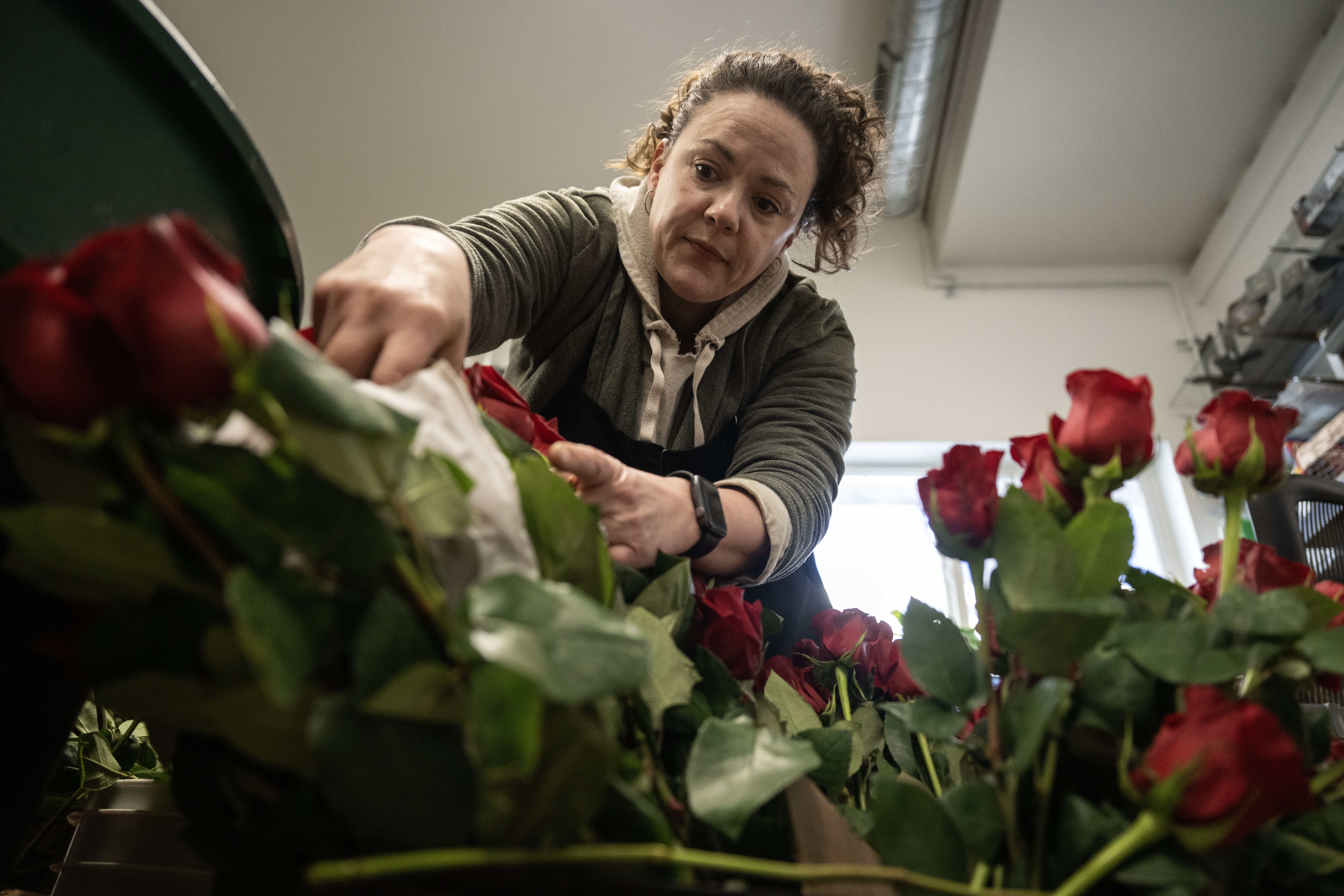
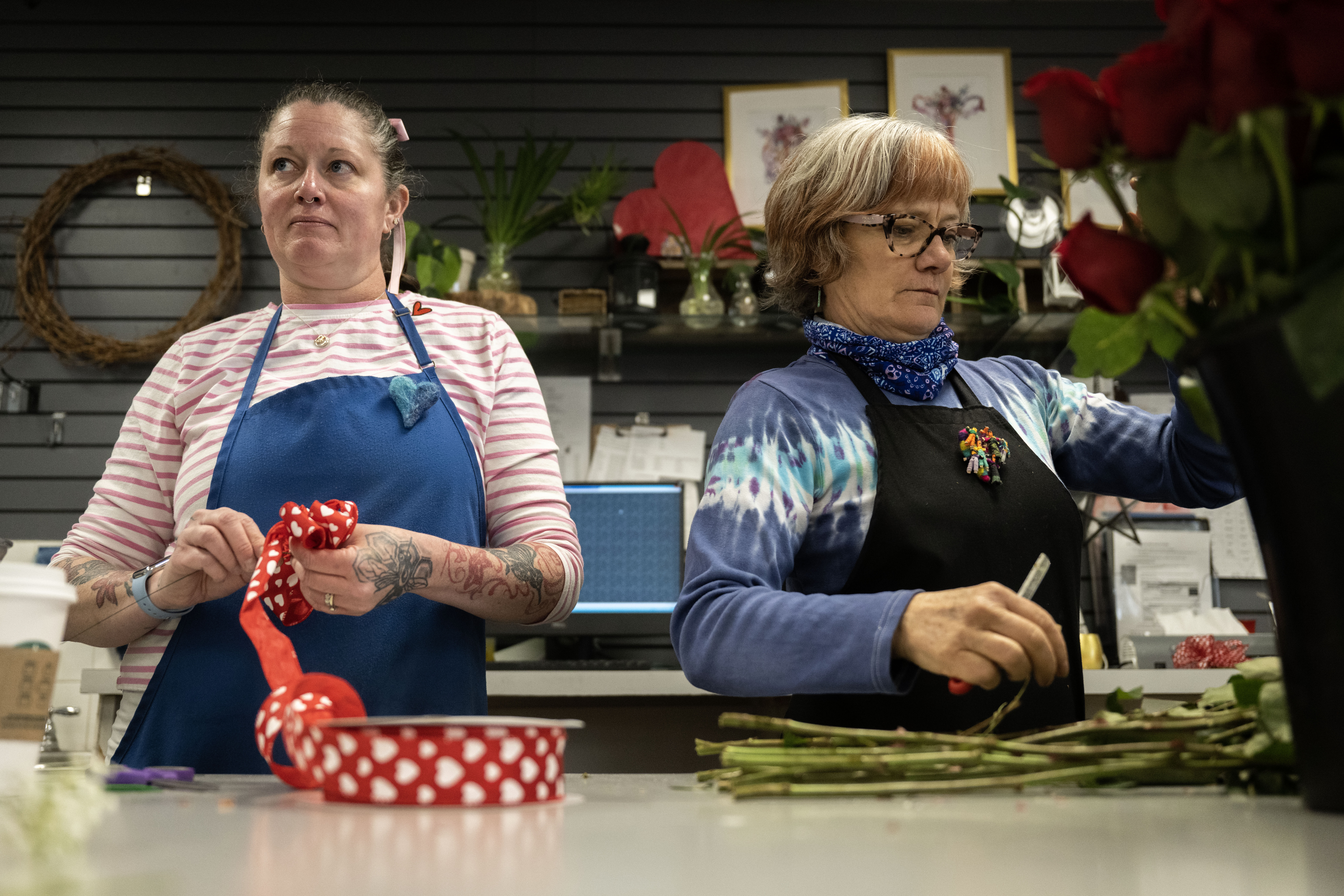
A handful of workers arranged bouquets Thursday morning at Bonnie Brae Flowers in anticipation of a rush of customers coming in to shop for Valentine’s Day.
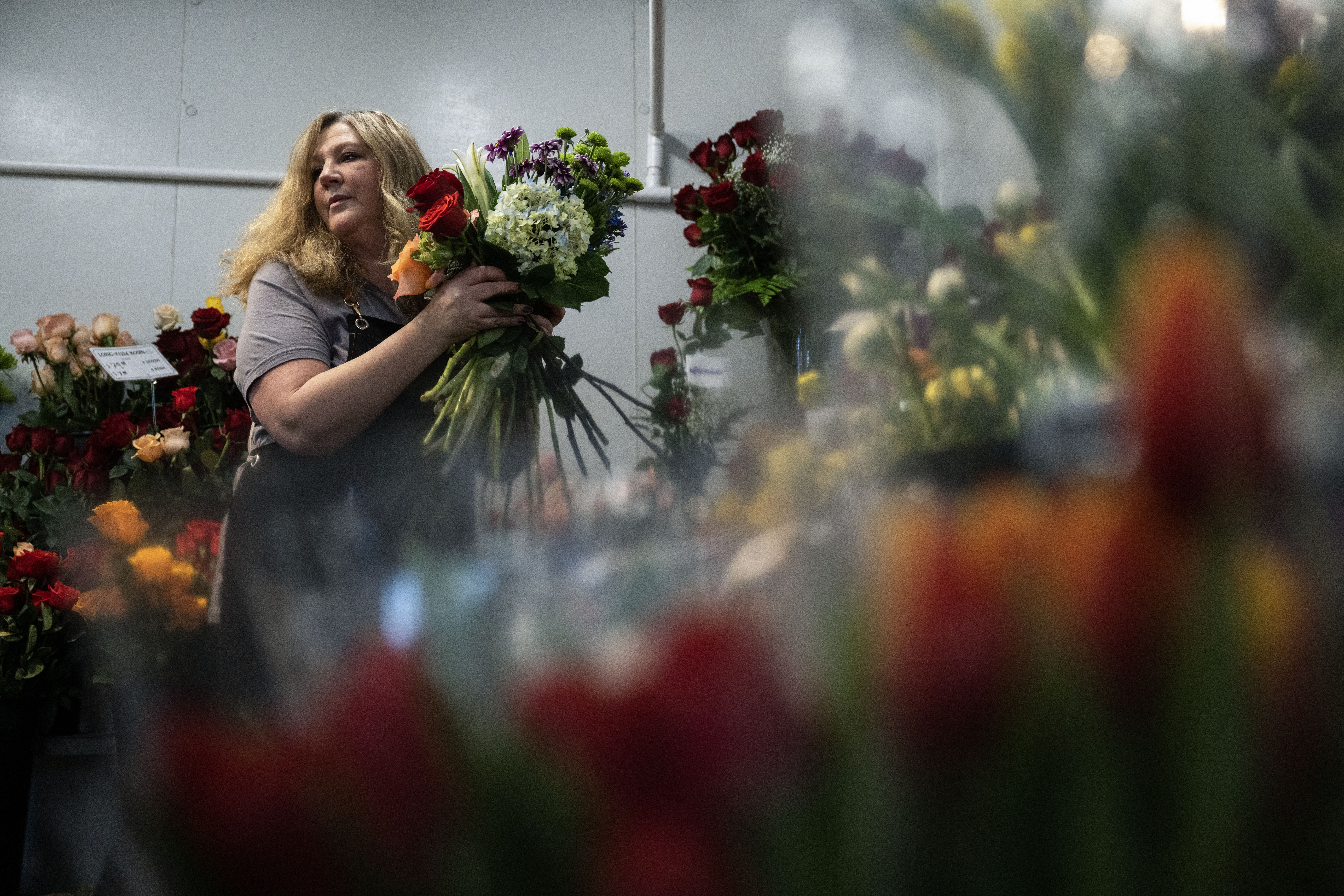
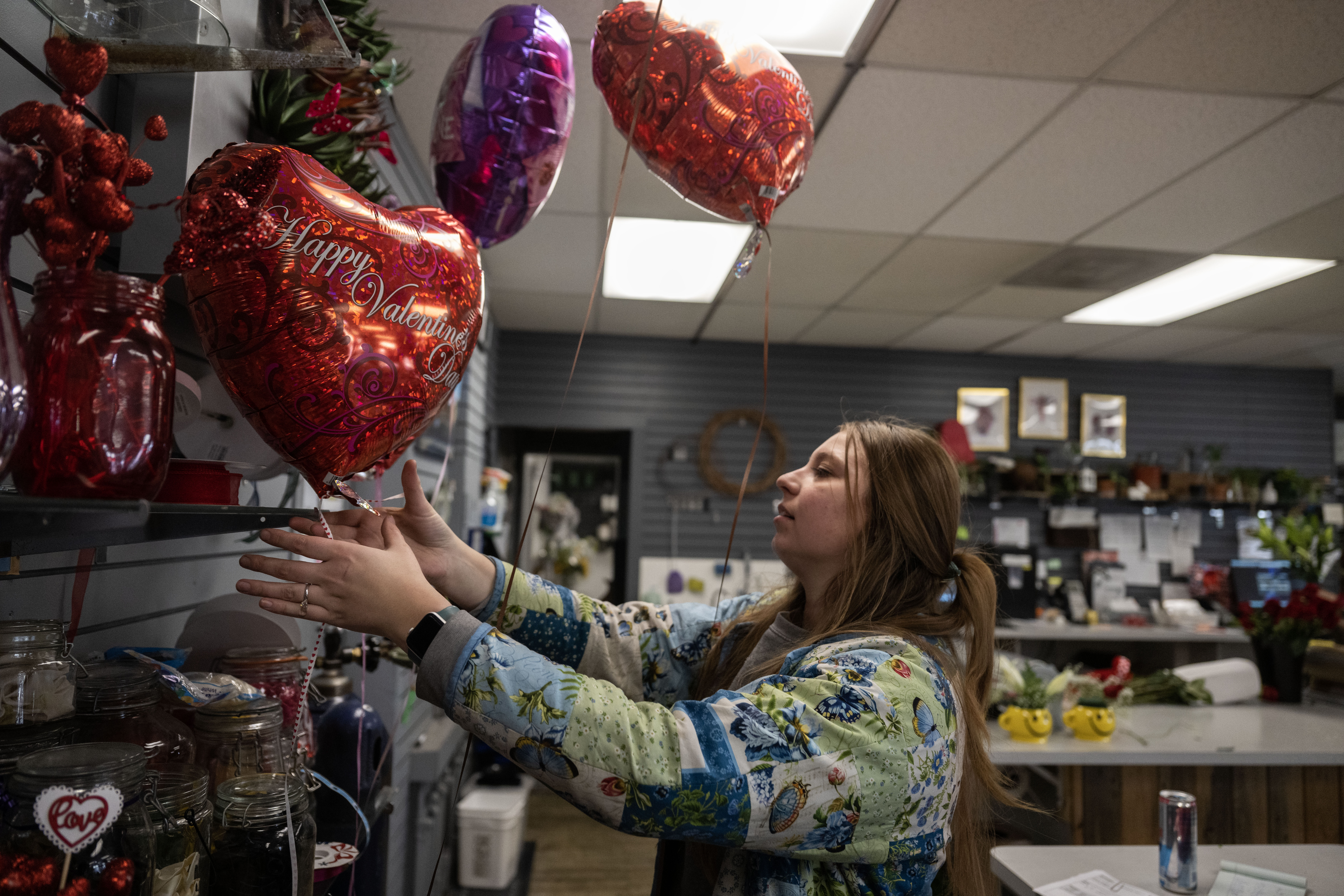
The shop is fully stocked with flowers, candles, chocolates, balloons and gift cards. Valentine’s Day is the single busiest day of the year for the Denver flower shop of 84 years on Evans Avenue.
While the shop typically gets about 20 to 25 customers a day, manager Belle Mendenhall said the number of visitors on Valentine’s Day can reach the hundreds.
Since the pandemic, sales for Valentine’s Day have been “unprecedented,” she said. It’s begun to normalize, she added, but they still expect sales this year to be better than last.
However, costs keep blooming for the flower shop.
The flowers. The vases. Shipping.
“Everything has gone up substantially,” Mendenhall said. “Just like everything else, right?”
Bonnie Brae Flowers sold a dozen roses for $94.99 in 2024, she said. Now they cost $99.99.
“That’s the most that we’ve raised it in three or four years,” Mendenhall said.
Americans are expected to spend a record $27.5 billion for Valentine’s Day this year, according to estimates from the National Retail Federation. The last record was set in 2020 at $27.4 billion.
The average person plans to spend more in 2025, nearly $189, for the holiday, according to the NRF’s survey of 8,000 U.S. adult consumers.
The most popular gifts for Valentine’s Day include candy, flowers, greeting cards, going out to eat and jewelry, in that order. Americans plan to spend nearly $3 billion on flowers.
“You want to try to keep your prices to where customers feel that they can come in and still have purchasing power here,” Mendenhall said. “We’re doing our best.”
Years of high inflation have caused costs to soar, in Denver and nationwide.
Denver’s inflation began to normalize to a healthier 2% in 2024, but ticked back up in January to 2.3%, according to data from the Bureau of Labor Statistics released Wednesday.
Food has been a large driver of inflation as egg prices are soaring. The category including meats, poultry, fish and eggs is up 6.6% over the year.
That feeds into the cost of eating out at a restaurant for Valentine’s Day. Prices of food away from home rose 5.8% since last year, according to the bureau.
Some consumers are cutting back spending on dating in 2025, according to data from Bank of America.
About 14% of people are planning to go on fewer dates over the year, the bank’s study found. It’s higher among Generation Z, where 28% are planning to go out less.
“With the data that we have around dating less, that’s just an opportunity for folks to invest in themselves,” said Breanna Skeets from Denver’s Better Money Habits division at Bank of America.
Whether it’s a spa day or going to Colorado’s hot springs, she said Valentine’s Day doesn’t have to revolve around romance. But like any holiday, it’s not a surprise that it comes and budgeting is becoming more important for seasonal events.
“You can plan for fun things in there, too, knowing that holidays are a predicted time of year,” Skeets said.