How Tattered Cover plans to survive
The new webpage gets straight to the point.
“Tattered Cover is NOT going out of business!”
Yes, some locations are closing, but the ones remaining open are business as usual. Events are being rescheduled, locations at the Denver International Airport are humming along, and new inventory is flowing in again.
When news broke that the Tattered Cover had filed for Chapter 11 bankruptcy on Oct. 16, it came with the revelations that Colorado’s treasured independent bookstore chain would shutter three of its seven locations and lay off at least 27 people. The company’s financial picture was dire, and it was struggling to put books on the shelves. Chapter 11 bankruptcy, leadership said, was its best chance.
Now the bookstore is in the thick of a reorganization effort that it hopes will keep those last four stores alive for the long haul.
By the time the chain filed, inventory wasn’t just less than ideal, said CEO Brad Dempsey. The drought showed. On sparse shelves and in understocked stores.
“We were at the point where our inventory was a third or more less than where we were last year and the year before,” he said.
The Monday that Tattered Cover filed for Chapter 11 bankruptcy also meant filing a flurry of motions seeking to reject the leases for the three closing stores, continue payments for employees’ wages and benefits, approval of severance packages and permission to use financing made available through the bankruptcy process, Dempsey said.
“We got pretty much all the relief we were asking for on the first day,” he said, minus the motion to approve severance packages, which was delayed a few days for further review.
The week after Tattered Cover filed, a mad rush to replenish inventory at the remaining locations unfolded, bringing over materials from the company’s closed-up shops and new inventory from publishers that Tattered Cover has been able to reforge relationships with.
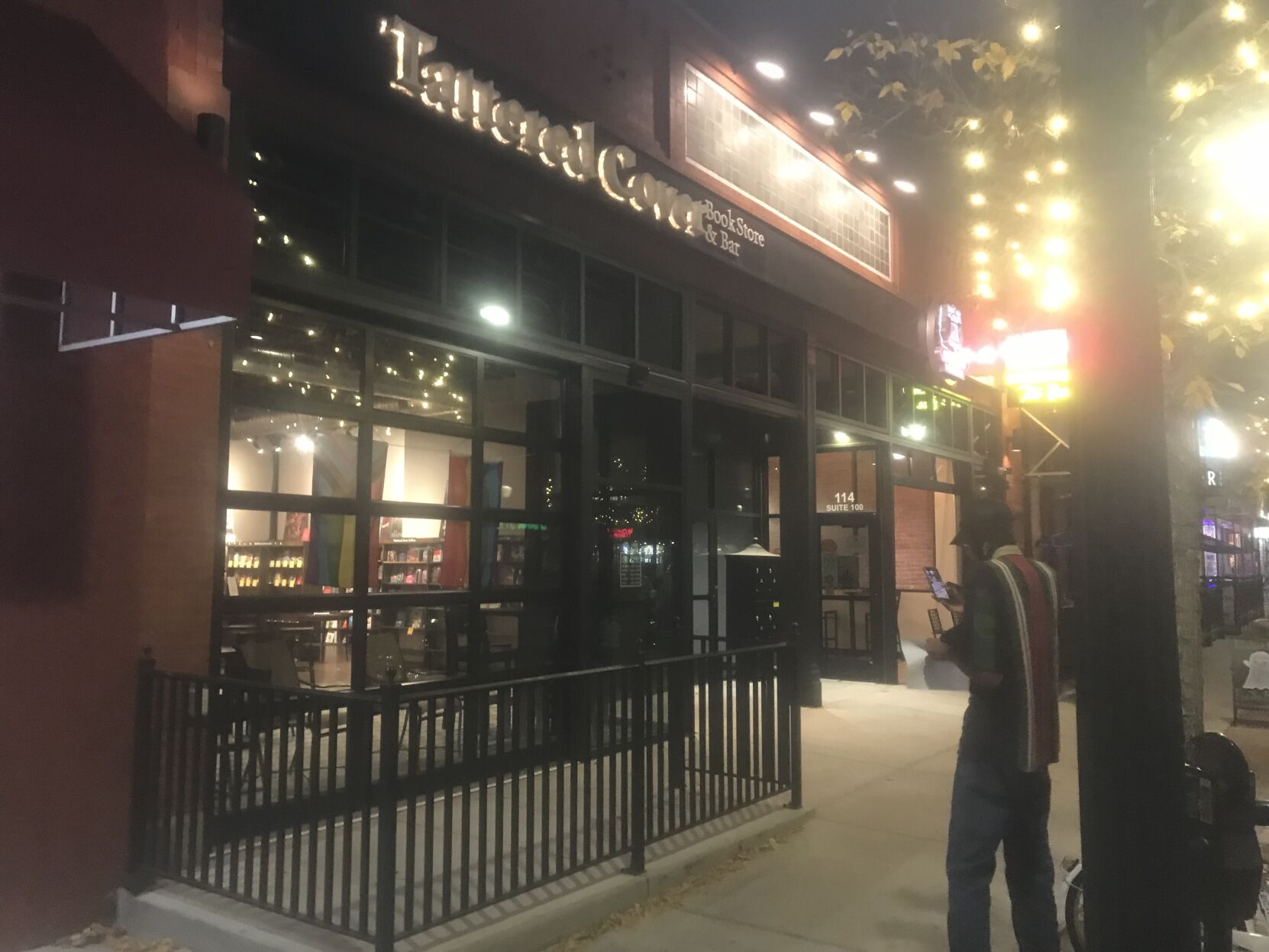
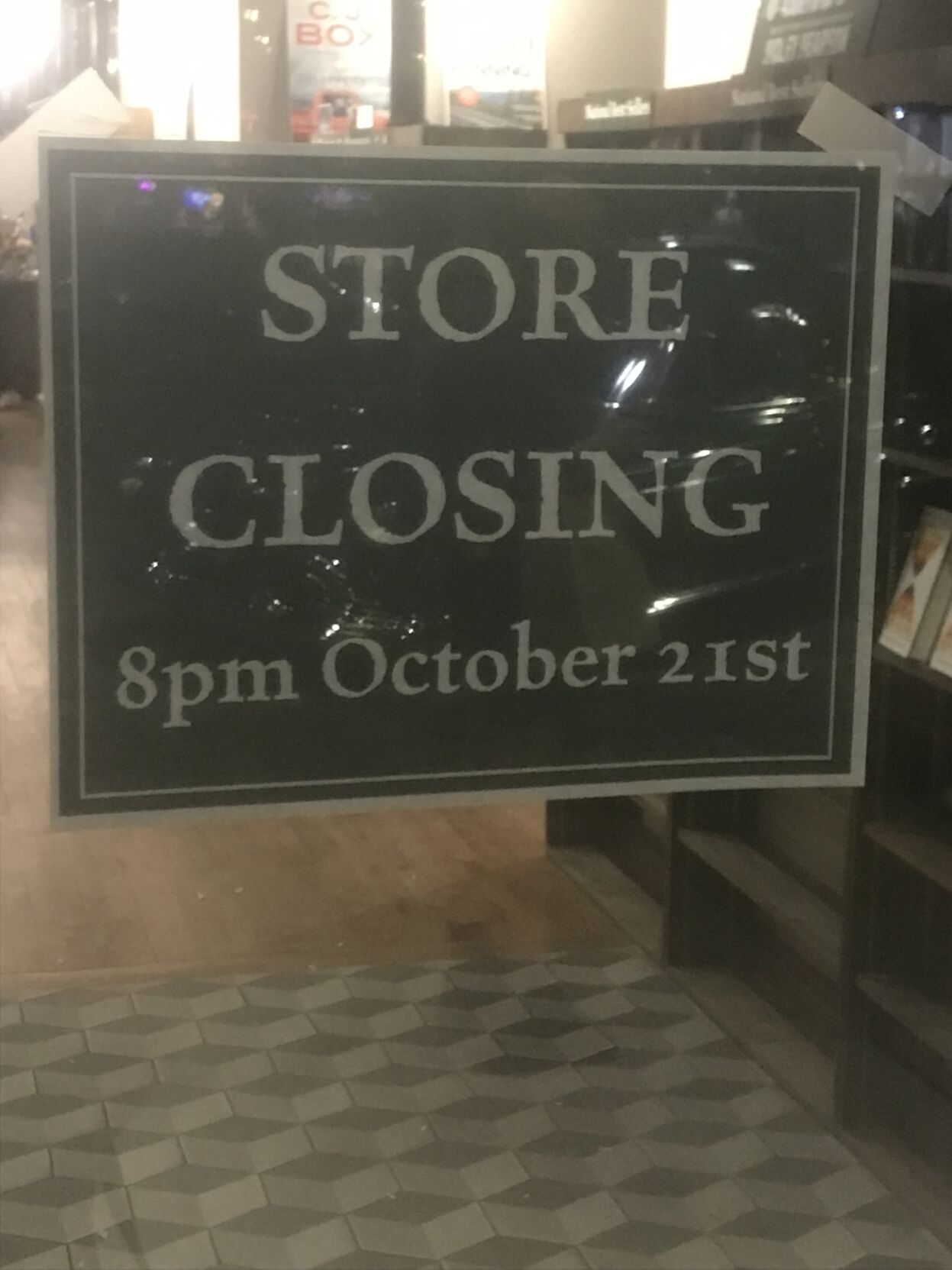
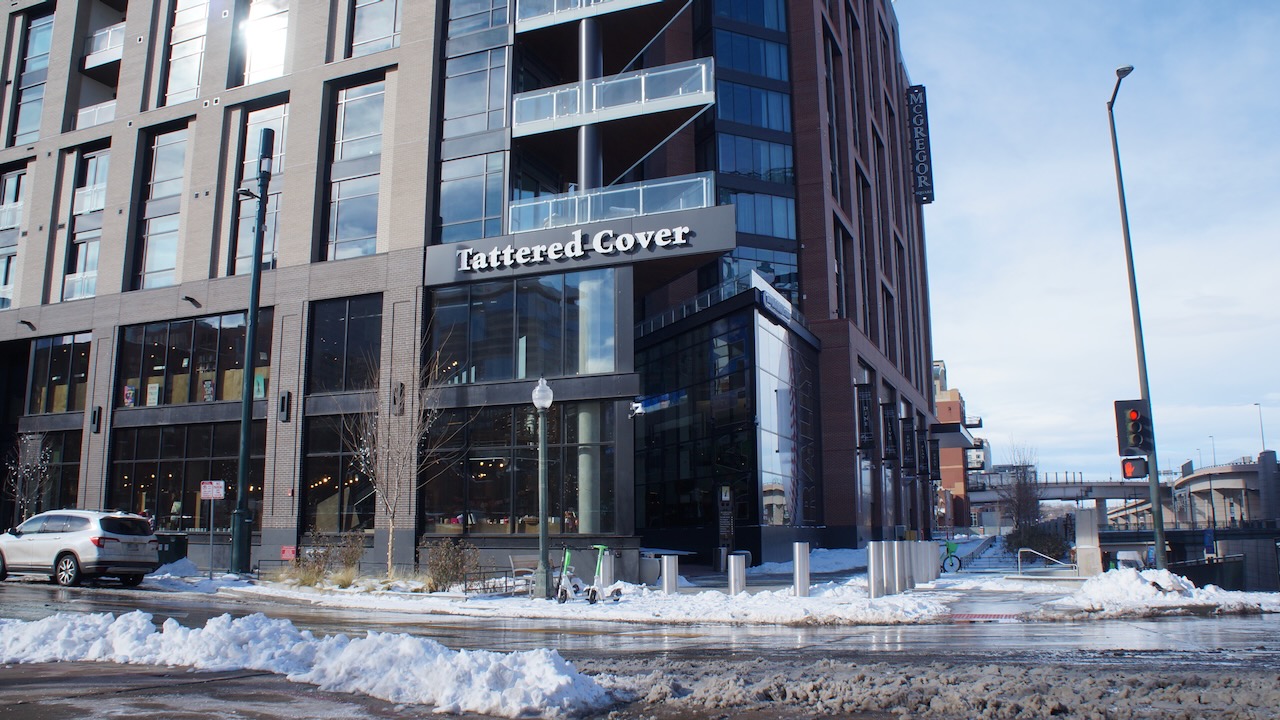
All inventory from the company’s Westminster and McGregor Square stores would be moved to the East Colfax location. Everything from Colorado Springs would being taken to Aspen Grove in Littleton. The McGregor Square location will likely stay open through late October, although the stores in Colorado Springs and Westminster closed their doors on Oct. 21.
“We’re expecting a deluge of books, both from our own stores and from publishers here,” he said. “For some publishers, it will be the first time we are able to work with them in several months.”
Dempsey cited inflation, high interest rates, rapid company expansion and changes in ownership as some reasons for Tattered Cover’s current situation.
Another part of the multi-layered leadup to bankruptcy stems from the pandemic’s economic fallout, he said.
“I think people may already be forgetting how impactful that was on small businesses and how disruptive it was particularly to retailing companies,” he said.
The pandemic’s affect on Tattered Cover also demonstrates a paradox between large and small businesses in the independent bookstore industry, however.
Because of its size, its overhead, and its staffing levels, Tattered Cover experienced the pandemic much differently from how many other independent bookstores did, Heather Duncan said. She’s the executive director of the Mountains & Plains Independent Booksellers Association.
The association represents more than 200 bookstores in 14 states, including Colorado. Roughly 95% of those stores have 20 employees or fewer. The overwhelming majority employ five people or fewer.
Smaller operations have been defying expectations for economic downturns. While the COVID-19 pandemic landed most retailers a significant blow, the independent bookstore industry has watched more shops open, the diversification of independent bookstore ownership, and different models of bookstores began to flourish. Small businesses have turned to new online and digital platforms, bookmobiles, pop-up shops, and opened brick-and-mortar operations, she said.
The pandemic galvanized consumers around a mission the industry had been trying to drive home for 20 years, she said. If people don’t support small and local businesses, they will die.
Book lovers used their wallets to help small and local shops survive the economic turbulence. Social media has helped by driving younger people to read and buy books too, she said, creating new fan base for authors leveraging virality on apps such as TikTok.
As for the Tattered Cover, keeping its seven stores stocked would be a difficult endeavor, Duncan said. Bookselling is a low-margin business, and even profitable businesses tend to be marginally profitable, she said.
“It’s just a different world for them,” she said.
Given the company’s turbulent past few years, the news that it filed for bankruptcy came as little surprise to colleagues in the industry, she said. Still, the independent booksellers industry is not necessarily competitive, she said. Stores know that a rising tide lifts all boats. Other stores in the Denver metro region need Tattered Cover to thrive, she said.
“It matters to other bookstores who want authors to come on tour. All the boats are lifted when the Tattered Cover is doing well,” she said.
That was echoed by at least one bookseller located around the block from Tattered Cover’s location in Colorado Springs. James Ciletti, owner of Hooked on Books, told The Colorado Springs Gazette he never saw Tattered Cover as a competitor. Rather, its expansion south was “a blessing,” he said.
“Bookstores that are closely located are symbiotic to one another. They have sent customers to us, and we’ve sent customers to them. So I’m very disappointed to hear that they will be closing, because we don’t consider them a competitor. We consider them a brother and sister in the book business,” Ciletti said after news broke that Tattered Cover filed for bankruptcy.
Beyond the pandemic, Duncan pointed to turnover within Tattered Cover leadership since its longtime owner Joyce Meskis stepped down.
In 2015, Meskis began transitioning out of her role at the business she had helmed since 1974. Book industry veterans Len Vlahos and his wife Kristen Gilligan took over in 2017 after working under Meskis for two years.
Then in 2020, Tattered Cover sold to the Colorado-based investment group Bended Page, LLC, founded by Kwame Spearman and David Back.
Spearman would ultimately leave his role as CEO at Tattered Cover as he pursued a political career. He made an unsuccessful run for Denver mayor earlier this year and is now running for a seat on the Denver Public Schools Board of Education.
Although he is no longer CEO or involved in the chain’s operations, Spearman remains a minority equity holder in the company. Before Spearman moved on from his CEO post, he was a vocal proponent of the expansion efforts that Tattered Cover is now winding back.
Tattered Cover was insolvent when he and Back stepped in, Spearman said.
“Not the bankruptcy that people are talking about right now. Literally like, come get furniture. It’s free because there’s no more business,” he said.
Spearman said he is proud of his time with the company, adding he “jumped into the fire and gave 130%.” He hopes the community is encouraged that he was willing to take on the low-margin independent bookstore business in the age of Amazon.
Although he did support the growth theory, he was not responsible for all of the new leases – two were signed before the pandemic — and would not have chosen to expand to Westminster, he said. Losing the Colorado Springs location is unfortunate, he said, but he’s keeping faith in current leadership’s decision making.
The growth strategy may not have worked out, but that’s part of doing business, and part of life, Spearman told The Denver Gazette.
“Tattered Cover isn’t going anywhere,” he said. “We went from seven locations to four. So, for everyone that wants to support Tattered Cover, you can go and support Tattered Cover and I encourage you to do that.”
Dempsey said growth strategies are “extremely challenging for any small business” and require substantial support, capitalization and marketization to work.
“What we know today is that strategies of the past were not successful. I can’t really judge how those decisions were made because I wasn’t involved,” he said. “I wasn’t apprised of the circumstances that the company was facing at those times.”
Tattered Cover has a legitimate shot at being profitable in 2024, he said, and that is its overarching goal. The strategy for the upcoming holiday season is to get Tattered Cover’s booksellers books to sell, put employees in front of customers and let them do what they do, he said, calling booksellers “the magic of Tattered Cover.”
Tattered Cover will continue working on its relationship with publishers, he said, and aims to build up its events program. Bringing in heavy-hitting authors and local events is part of the company’s heritage, he said.
“We’re going to be approaching the community to ask for their continued support — activating our loyal customers, our local authors, and community support — to really help us get through this period,” he said. “They’ve supported us for 50 years, 52 years, and we look forward to hopefully surprising people with some remarkable changes in the next few months.”
Gazette reporter O’Dell Isaac and Denver Gazette reporter Sage Kelley contributed to this report.