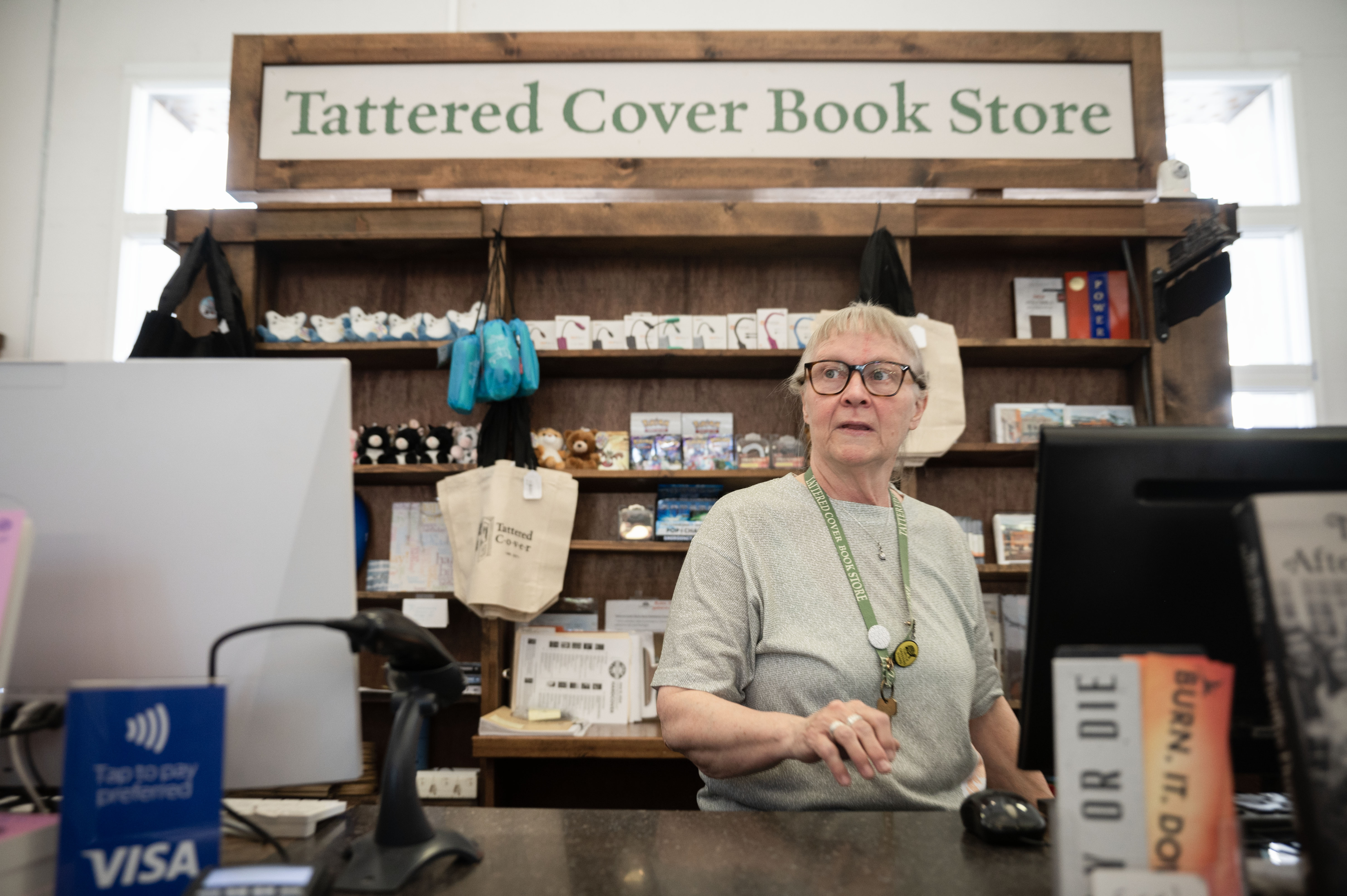
Barnes & Noble to buy Tattered Cover for $1.8M and keep Denver bookstore’s name
It marks the end of the iconic bookstore's legacy of being independently-owned.
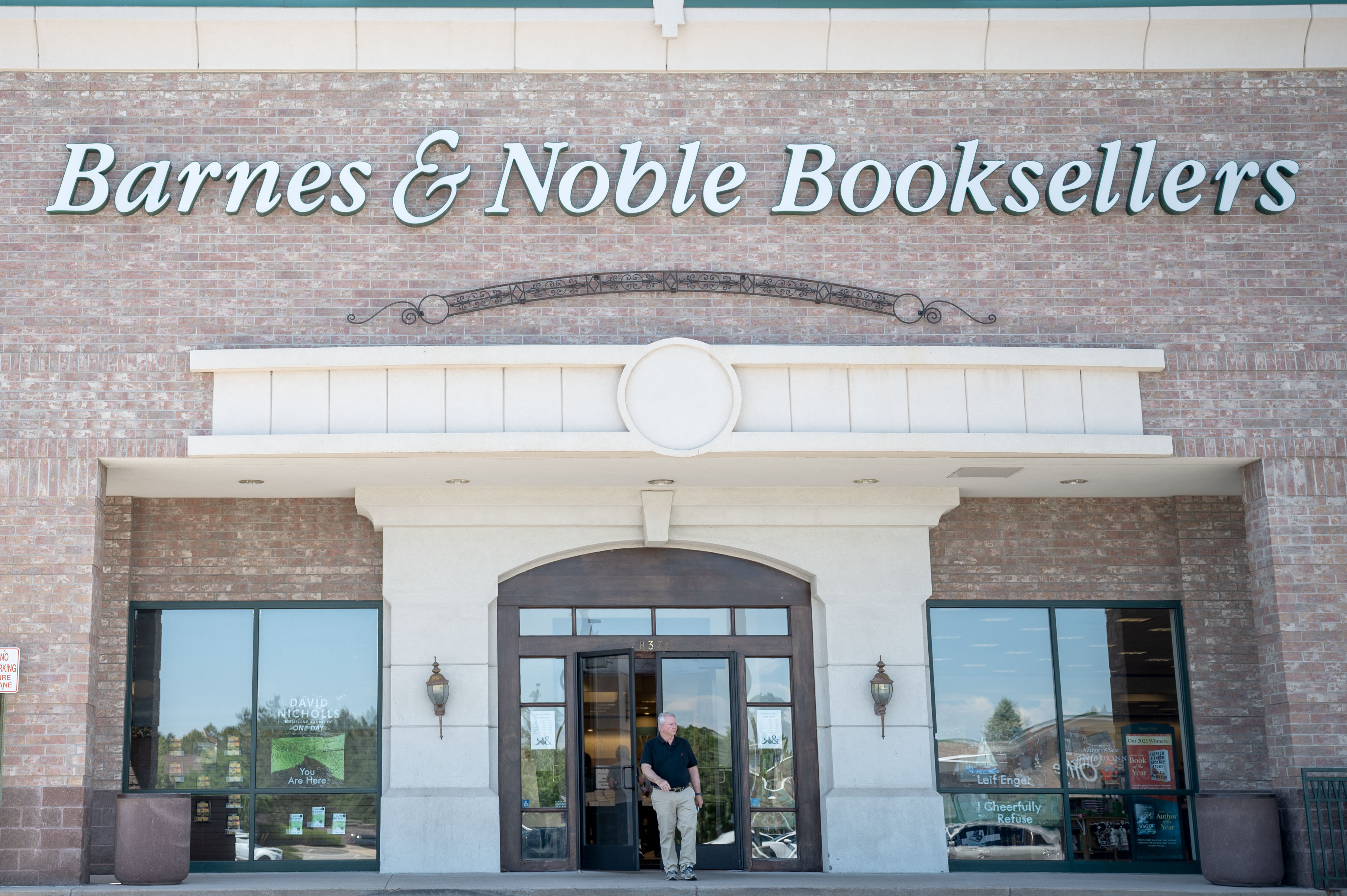
Denver’s Tattered Cover may no longer be an independent bookstore soon.
Barnes & Noble, one of the country’s largest booksellers, plans to buy Tattered Cover for more than $1.8 million, according to court filings Monday.
Once the sale closes, it will be the end of its indie bookstore era, though the Denver institution will still keep its name, according to the deal. Barnes & Noble is expected to keep all of Tattered Cover’s locations open.
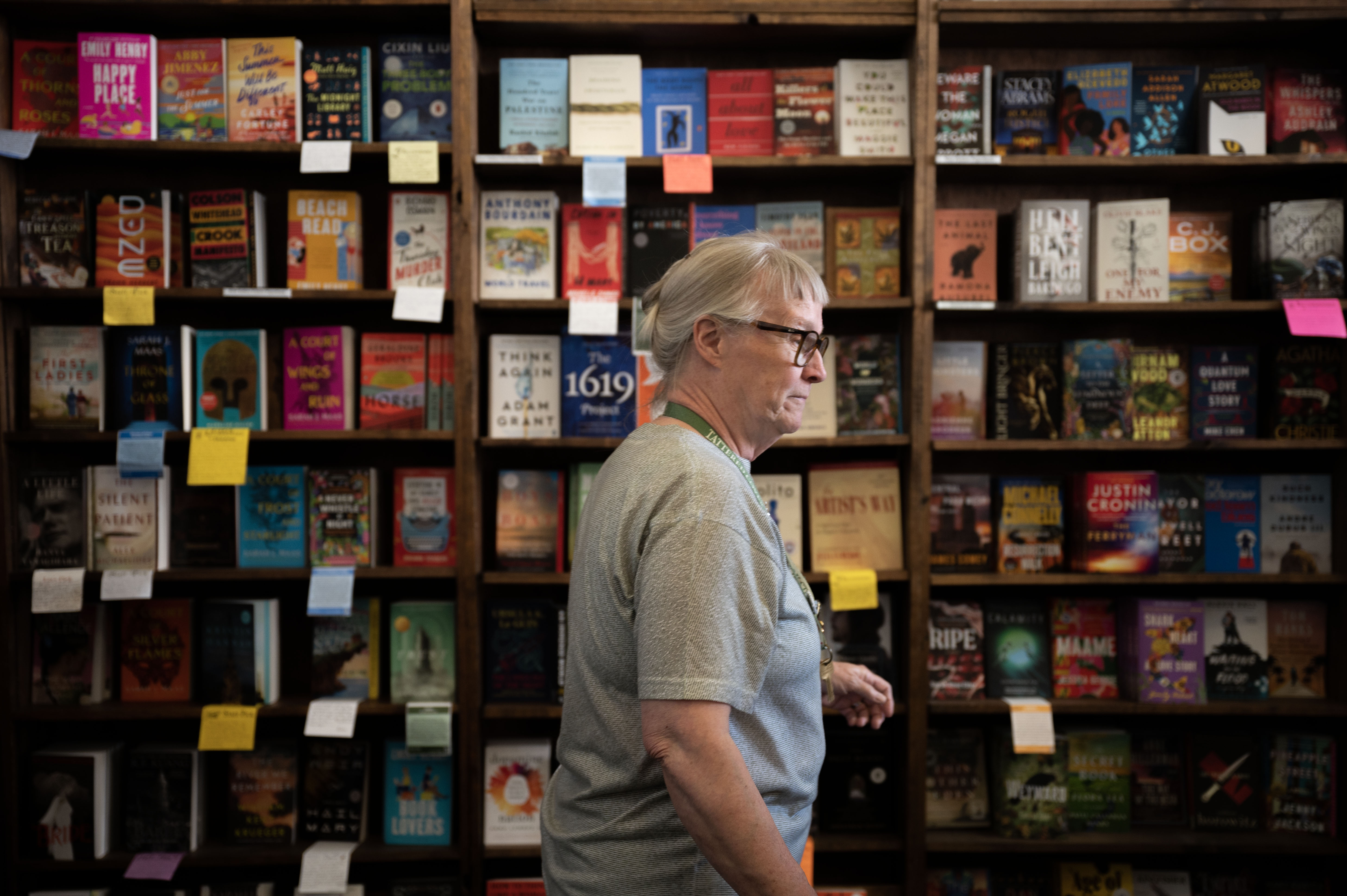
Tattered Cover has locations in Aurora, Littleton, Denver’s Union Station and Colfax Avenue. It also licenses its name to shops at Denver International Airport.
Barnes and Noble did not immediately respond for comment.
How the deal came about
The big-box retailer, which has been bucking trends against declining brick and mortars and is expanding nationwide, seeks to bring the Denver-based indie bookstore out of bankruptcy. About $1.6 million of the purchase price will be used to pay off Tattered Cover’s debts.
Tattered Cover had at least eight interested parties in a confidential bidding process, and Barnes & Noble put in the highest offer, the Denver Gazette reported Thursday.
But by the time it came to bidding for an auction scheduled last week, court filings say, only three parties submitted a bid. One bidder later dropped out and the other didn’t want to participate in an auction. Bended Page then canceled the auction.
Barnes and Noble was the only bidder with an offer to keep all of the bookstore’s operations going, according to a Tattered Cover spokesperson.
“Other bids did not contemplate the continuation of our operations at all existing locations,” the Tattered Cover spokesperson said in an email.
Tattered Cover filed for bankruptcy last year, citing mounting debt from navigating the pandemic’s evolving marketplace and increased competition from online sellers. The bankruptcy also follows the exit of Tattered Cover’s former CEO, Kwame Spearman, who shifted to focus on his political career in failed races.
After filing for bankruptcy, the company closed three stores in Westminster, McGregor Square and Colorado Springs, all which opened during Bended Page’s leadership. The company laid off 25 employees.
As the bookstore was climbing out of bankruptcy, Bended Page pivoted in March to look for another owner to run the four stores it had left.
The board of Bended Page LLC., Tattered Cover’s parent company since 2020, approved Barnes & Noble’s bid without the auction.
The deal still needs to be approved by the bankruptcy court and is expected to close no later than July 31.
The sale would include all of Tattered Cover’s assets such as intellectual property, furniture, books, records, and assumption of its leases.
The buyer “anticipates” keeping all of Tattered Cover’s more than 60 employees, the Tattered Cover spokesperson said.
Barnes & Noble put in a condition in the deal to have two five-year lease extensions for Tattered Cover’s Colfax location lasting until 2038 and for the Littleton’s store lease to be amended to have a five-year renewal term to 2030, the spokesperson added.
Barnes & Noble asks court for updates on Tattered Cover’s bankruptcy
Just before the court filings confirming the sale were released, in a related development, Barnes & Noble wants updates on the bankruptcy case, according to court documents filed Monday afternoon.
The major book retailer and its acquisition firm filed a motion asking the federal bankruptcy court in Colorado to send all notices, motions and documents filed in the case to its lawyer.
It was the first sign confirming Barnes & Noble will play a major role in Tattered Cover’s future.
What will happen to Tattered Cover?
While Barnes & Noble has yet to say how it will run Tattered Cover, it’s not the first time a big-box retailer took over an indie bookseller.
Waterstones, the U.K. equivalent of Barnes & Noble, acquired two century-old indie booksellers in London: Foyles in 2018 and Blackwell’s in 2022.
Both stores kept their original names. Though no longer technically an independent bookstore, Foyles’ website said it plans to stay “independent in spirit, with a future ensured.”
Blackwell’s website has little mention of Waterstones except for a disclaimer on the bottom of the page calling the store a “trading name of Waterstones Booksellers Ltd.”
Those U.K. deals were spearheaded by James Daunt, who became the CEO of Barnes & Noble when Waterstone’s parent company Elliot Investment Management acquired the U.S. retailer in 2019. Daunt has been an independent bookstore owner since 1990 and still runs nine locations of Daunt Books in the London area.
Daunt himself is credited with helping Waterstones turnaround back to profitability, getting the attention of Elliot Investment to acquire the chain.
How Barnes & Noble is mimicking indie stores
Under his leadership at Barnes & Noble that started right before the pandemic hit, the retailer started to grow despite pressure from Amazon’s dominance in book sales.
Last year, Barnes & Noble announced it would start its biggest expansion in over a decade. It planned to open 30 stores in 2023 and 50 more in 2024, according to Publisher’s Weekly. It has more than 600 stores nationwide.
Part of the retailer’s strategy is taking inspiration from indie booksellers.
One of the main changes Daunt made to get Barnes & Noble competing against Amazon was rearranging the store’s layout to encourage book browsing.
People don’t shop as much at a physical store looking for specific books when they have the convenience of Amazon. Daunt said there’s less need to shelve books alphabetically now and prefers placing books by subject matter to encourage shoppers to find other books within their interest.
The company also shifted power within the chain toward store managers, Daunt said, who have more influence in deciding which books are ordered and displayed to cater to local tastes, much like how indie bookstores operate.
“You leave the decision-making to the store teams themselves,” he said, “because each store is responding to its own physical space and to its customer base.”
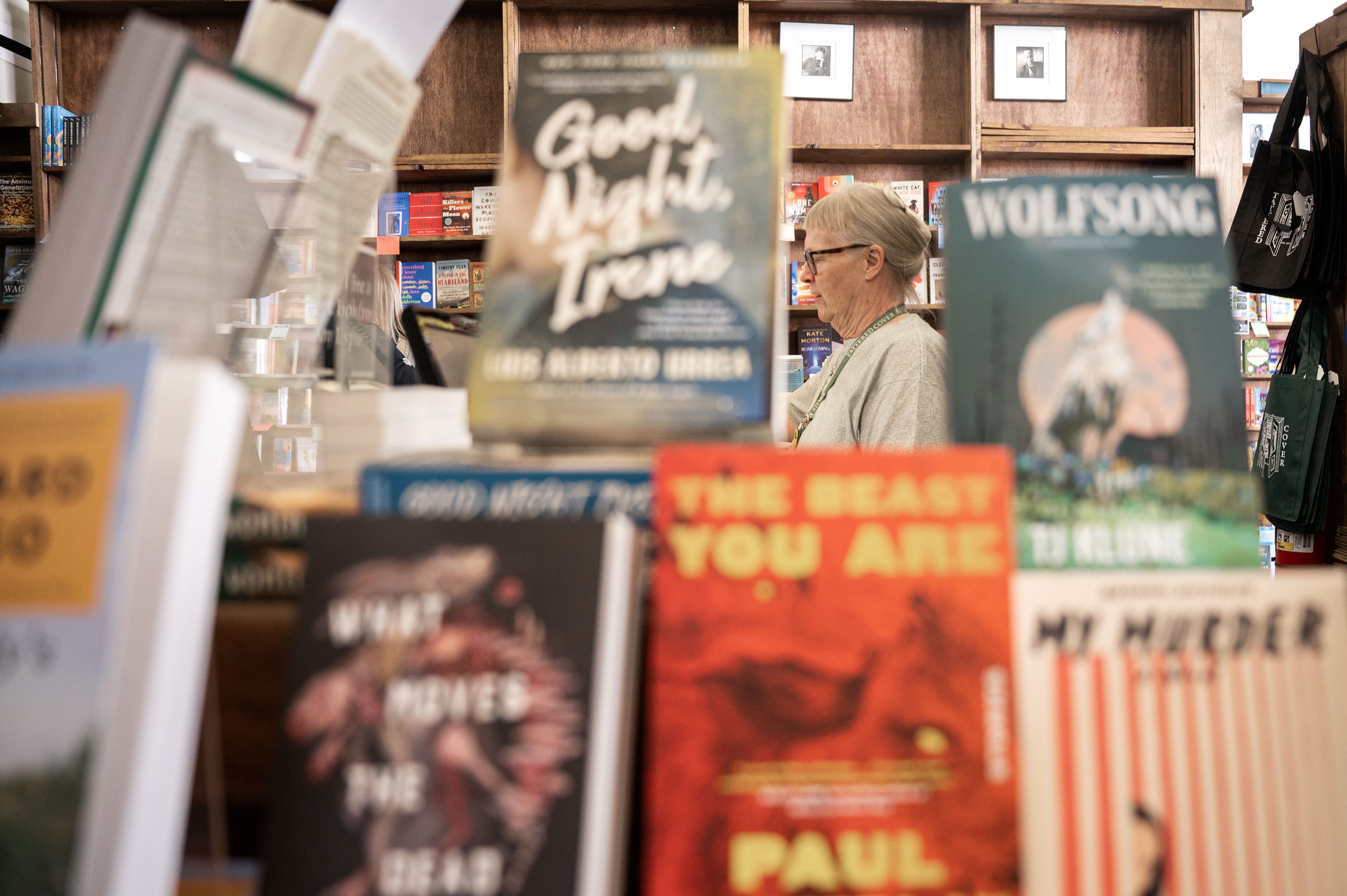
Closing Tattered Cover’s chapter of being local and independent
The sale would not only mark the end of Tattered Cover being an independent bookstore, but locally-owned as well.
Tattered Cover was founded in 1971 as a basement shop in Cherry Creek.
It was the late Joyce Meskis who took it over in 1974 and expanded the brand into an acclaimed bookstore chain.
Meskis won two landmark cases implicating free speech rights. The first case she won was against a 1984 Colorado law criminalizing sales of “sexually oriented material,” which the state’s Supreme Court ruled was unconstitutional. The second law she challenged in 2002 ensured book sellers have the right to protect a buyer’s purchase history.
Meskis sold a stake of Tattered Cover in 2015 to Len Vlahos and Kristen Gilligan before retiring in 2017. Meskis died in 2022 at 80 years old.
It was Meskis who “built the Tattered Cover into one of the most successful independent bookstores in the country,” according to her obituary in the New York Times.
Meskis’ successors sold Tattered Cover to a Colorado-based investment group Bended Page in 2020 during the midst of the pandemic, when many retailers struggled to survive.
Bended Page was originally run by local investors Kwame Spearman and David Back, who said at the onset of its ownership that the chain needed an infusion of capital. Spearman resigned as CEO to run for Denver’s mayor in 2023.
Back worked at the now-closed Tattered Cover store in Cherry Creek as a cashier when he was 15. The chain nearly doubled its footprint, including its first location outside the Denver metro area in Colorado Springs.
But the leadership shook up after Spearman began dabbling in politics.
Tattered Cover looked to Dempsey, the bankruptcy attorney and former Republican congressional candidate, to lead the company when it went under bankruptcy.
Instead of consulting fees, according to court filings, Dempsey was paid $10,000 a month plus expenses to take on the role of CEO.
The owners of Bended Page will no longer be associated with Tattered Cover once the deal closes.
“The sale will provide Tattered Cover with a stable financial and technological platform, enabling us to not only maintain but also enhance our role and legacy as Colorado’s most iconic bookseller,” the spokesperson said.