JeffCo Sheriff’s Office demonstrates new forensic ballistics technology
The NIBIN (National Integrated Ballistic Information Network) BrassTrax was installed in June 2024
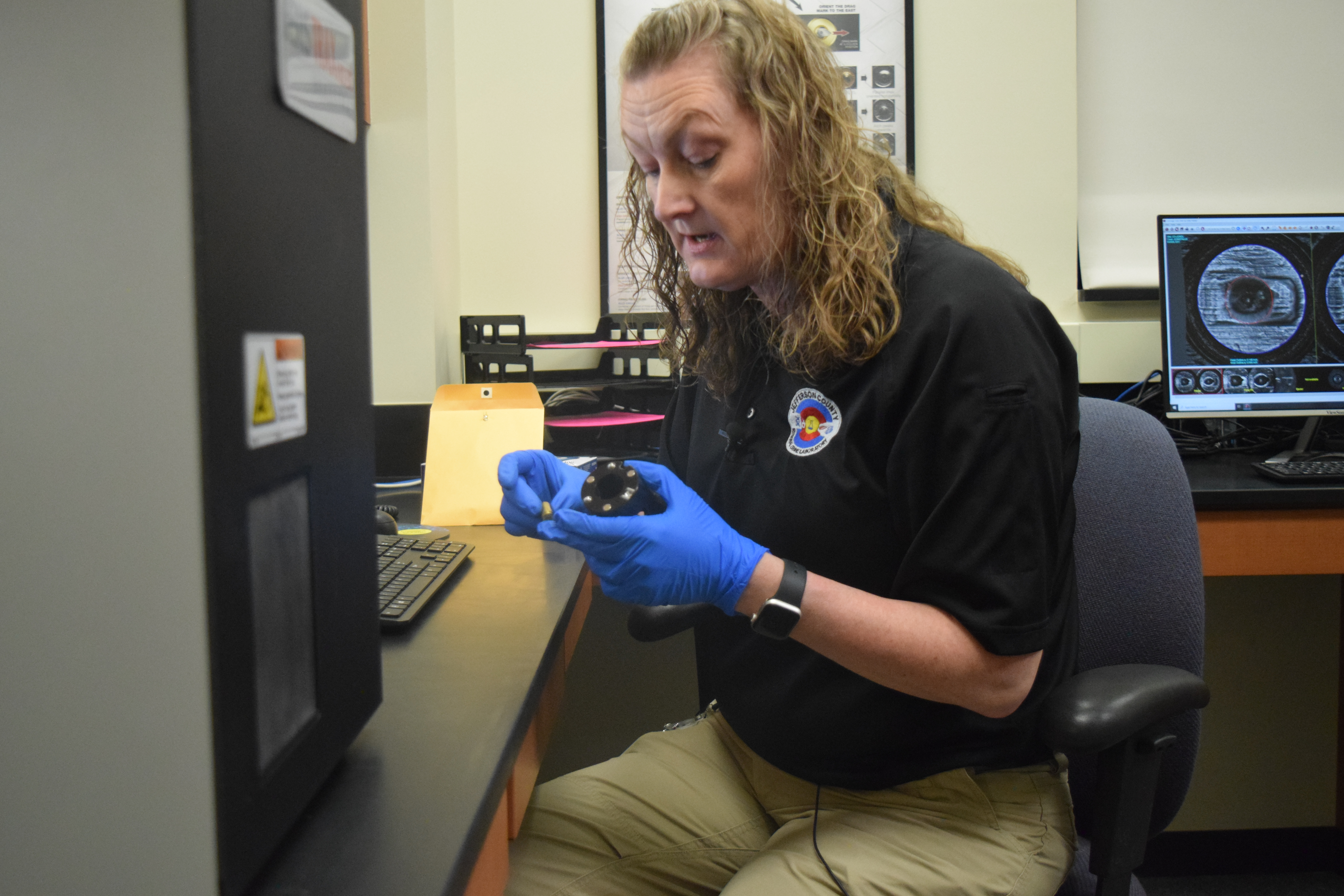
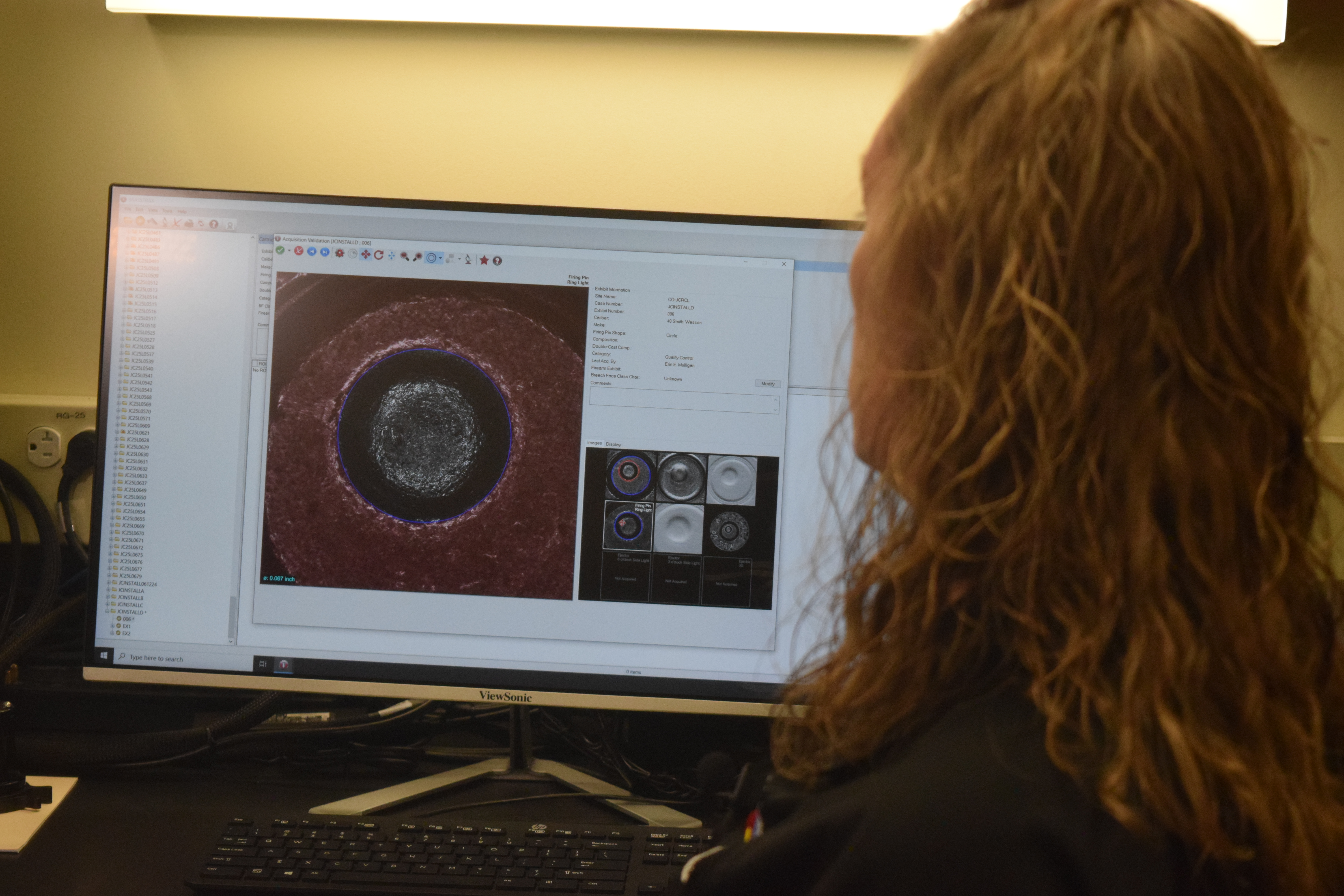
The Jefferson County Sheriff’s Office’s new ballistic 3D rendering machine will help the county solve gun-related crimes a bit faster.
“This is a huge success to have this machine in place. Citizens will be safer because of it,” Brent Beavers, the special agent in charge for the Bureau of Alcohol, Tobacco, Firearms and Explosives (ATF) Denver Field Division, told the media during a tour of the county’s crime laboratory on Monday morning.
The sheriff’s office acquired a National Integrated Ballistic Information Network (NIBIN) BrassTrax machine in June 2024 after being awarded $368,866 from the Bureau of Justice Assistance (BJA) under the 2023 Local Law Enforcement Crime Gun Intelligence Center Integration Initiative in September 2023.
The machine takes detailed images of ammunition cartridge casings and uploads them to the NIBIN’s database, allowing for law enforcement to quickly compare the casings to other casings throughout the country.
While the Colorado NIBIN quickly accesses the state and surrounding state’s database within 20 minutes to an hour, it can then be uploaded to the national database, if necessary.
Casings, unlike the actual bullets, are not damaged in the process of firing and are often left behind by semi-automatic handguns and rifles. They then have a distinct texture and mark on the back due to different firing pins and manufacturing techniques, giving them a unique “fingerprint” that can then be identified and connected to various incidents.
“When our law enforcement agencies have incidents occurring in their cities, and they get these evidence items in to us, they can link to other incidents in other areas and share information,” Jefferson County Regional Lab Forensic Scientist Erin Mulligan said during a demonstration.
While the technology has been around since 2003, the only BrassTrax machines in the area were in Arvada at the Colorado Bureau of Investigation and in Denver, according to Mulligan. Multiple agencies throughout metro Denver using two machines caused a significant amount of slowdown, losing the quick-acting information necessary to catch criminals.
Now, law enforcement agencies around the county can quickly access results at the Jefferson County location, speeding up processes.
While new cartridges uploaded to the system could help investigators find leads in past crimes, the laboratory is mostly focusing on present incidents, according to Beavers.
“It’s important to have those leads at the beginning of the investigation,” he said. “But it can work in reverse and provide solves for older crimes that are outstanding.”
In 2024, 13,213 pieces of evidence were submitted to the NIBIN database in Colorado, leading to 60.1% leads in criminal investigations.
From January to May 2025, 4,740 pieces of evidence have been submitted, leading to leads in 48.8% of cases, according to ATF.
In April, the Jefferson County lab averaged result times in four-and-a-half days, where before, casings had to be taken to a different lab, producing slower results, according to Mulligan.
There have been more than 5 million pieces of evidence uploaded to the national database during its history.
The Arvada Police Department, for example, has already seen success with the usage of the BrassTrax machine.
In 2022, a suspect followed a victim in their car and shot at the victim’s vehicle on 57th Avenue. One of the bullets came close to the victim’s head, going into the car’s headrest.
The police department never found a gun, according to the department’s public information officer, Dave Snelling, but the casing was placed into the NIBIN database.
Then, in 2023, the Denver Police Department responded to an incident where a suspect shot at a bar on Sheridan Boulevard. The casings at the scene were also ran through the database, connecting the casings directly to the shooting in Arvada.
In the first incident, a witness identified the vehicle. In the second, the bullets matched up. The investigators were then able to connect the leads and arrest 24-year-old Michael Esardcida, who later pleaded guilty to attempted first-degree murder and was sentenced to 16 years in prison in February 2025.
While the Arvada Police Department did not use Jefferson County’s BrassTrax machine in that incident, they can now — creating faster result times.
“This technology is absolutely amazing; to be able to match one-to-one,” Snelling said. “We’re getting a lot more calls than, say, 10 to 15 years ago. Just this weekend, we had many rounds fired at a house party, and we are collecting those casings, and we’re going to be submitting them probably in the next day or so here.”