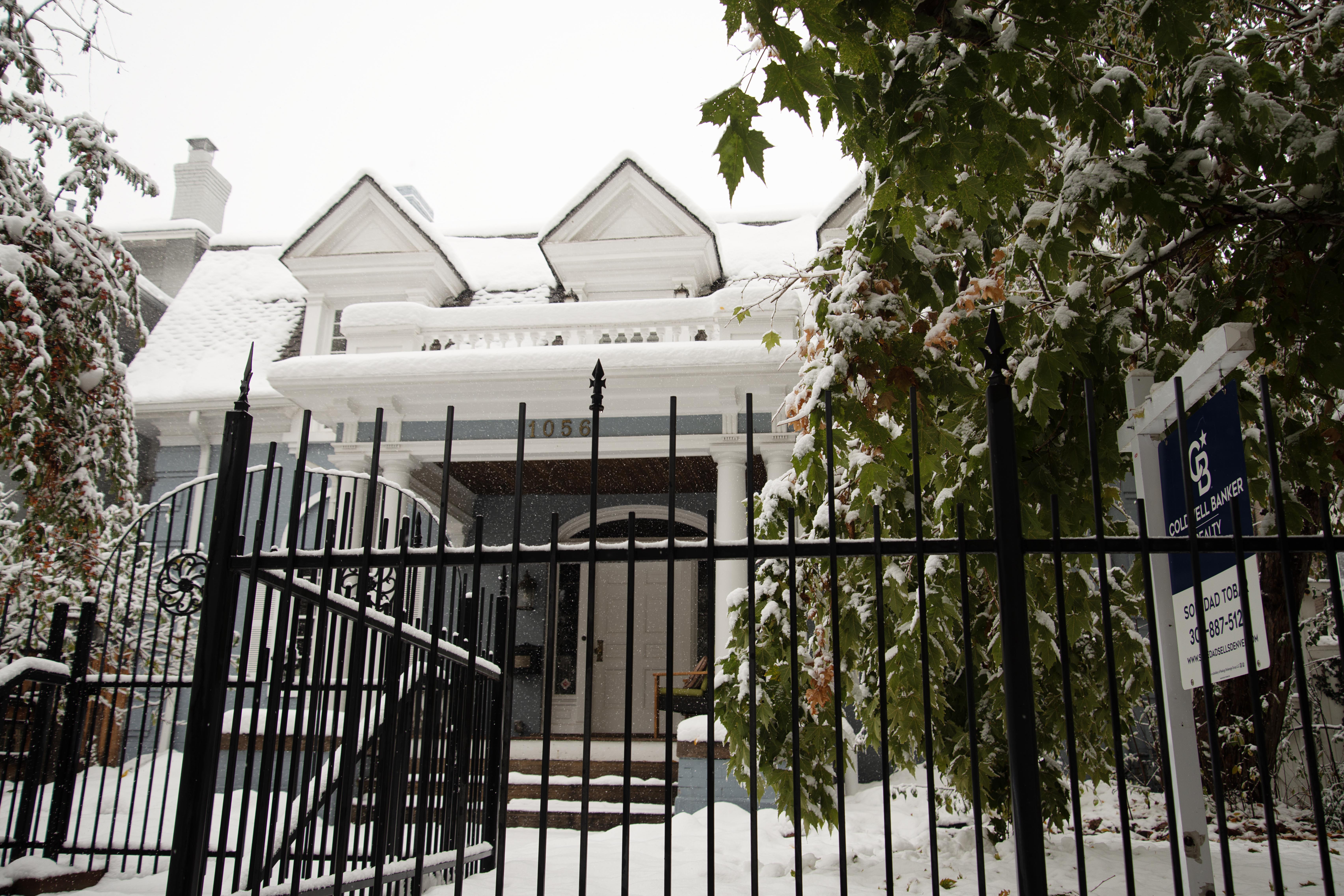
After a mixed year, will Denver metro’s housing market pick up with elections over?
Historical trends show a little volatility typically precedes an election. Then there's falling interest rates.
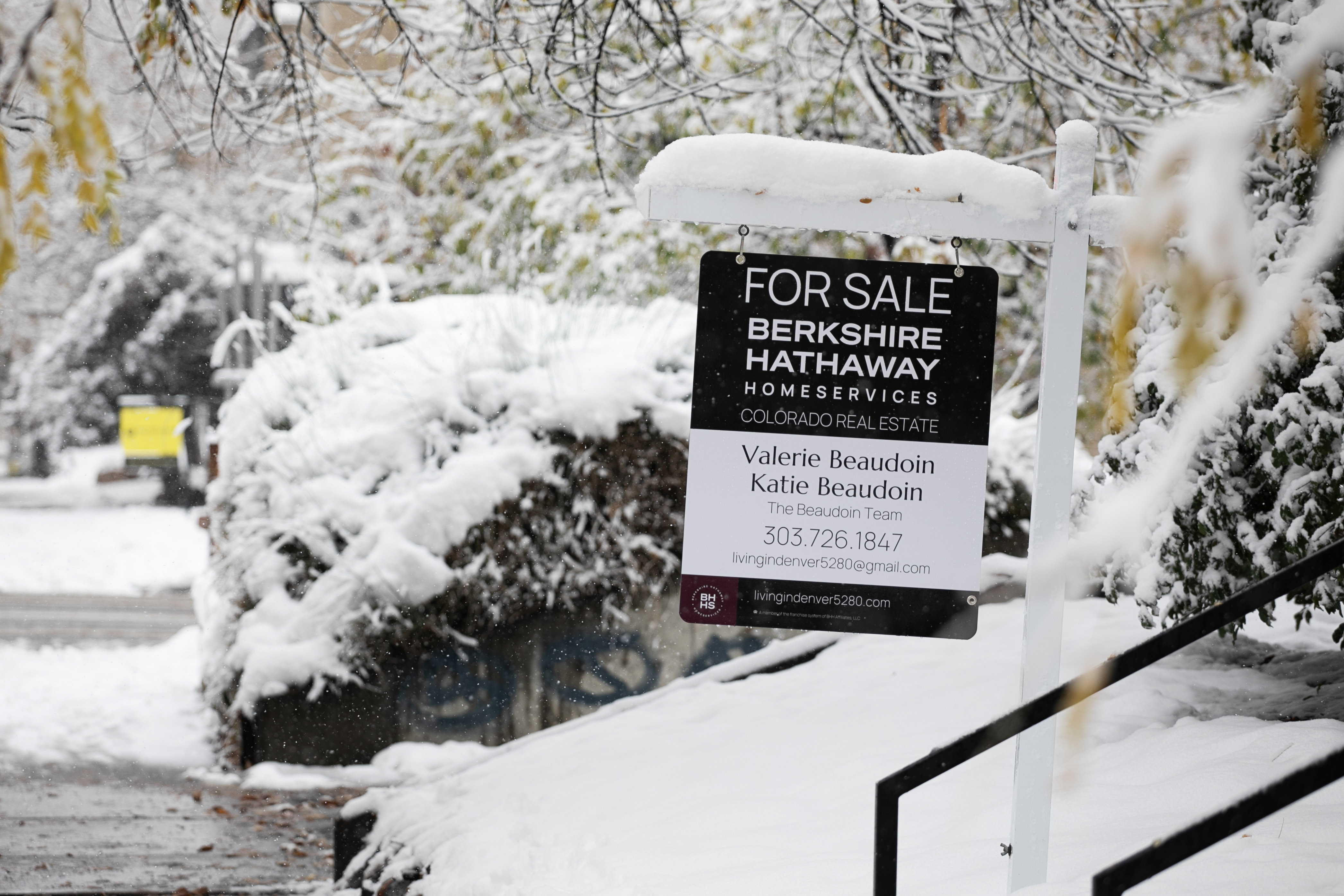
Over the past few months, the Denver metro region’s housing market has been described by the local association of real estate agents as “topsy-turvy,” “unpredictable” or “sluggish.”
This year saw a rapid influx of homeowners listing their properties for sale, but buyers have been hesitant to close sales despite the amount of choices on the market due to higher interest rates and stubborn housing costs. A few price ranges and ZIP codes across Denver were considered to be buyer’s markets.
Still, prices have mostly kept up.
Most homes in the region sold for nearly $600,000 in October, up 4% from September and up 3% from 2023, according to the Denver Metro Association of Realtors
It’s also been a presidential election year, which can partially explain some of the turbulence as elections have historically led to more volatile prices in the months leading up to voting day.
“In the 11-county Denver metro area over the last three election cycles, we’ve seen more month-to-month home price volatility leading up to an election, followed by increased price stability and a return to traditional seasonal patterns post-election,” said Michelle Schwinghammer, DMAR Market Trends Committee member, in the report released Nov. 5.
Once results are tallied, she added, the housing market typically goes back to “business as usual.”
The association didn’t specify what their expectations for the housing market would be if Donald Trump or Kamala Harris won the election in their monthly report released before voting booths closed. It mostly described historical data showing buyers and sellers are more likely to wait out until after election season to engage with the housing market.
In October, the association noted seeing a “tale of two markets.”
The beginning of the month saw brief relief as mortgage rates dropped to a 19-month low of 6.1% ahead of the Federal Reserve’s first major rate cut since it began fighting soaring inflation. The association saw a home sales boost in October as buyers started to come back.
The region saw more than 3,400 closed sales last month, up nearly 8% from the same time last year.
But rates started to climb back up in the later half of the month to 7% as stronger-than-expected economic data rolled in, according to the association.
“The swift rise in rates created a ‘pause’ effect, amplifying the anticipated election-related paralysis among buyers in the latter half of the month,” said Libby Levinson-Katz, DMAR Market Trends Committee chair and Realtor, in the report.
The surge of new listings slowed down in October ahead of the election as many sellers delayed listing their homes, the association said.
The number of new listings fell 7% last month with 4,700 homes added to the market, though it’s still up 22.5% from 2023.
Many association members have noted they’ve heard some sellers are preparing to place their homes on the market next year, Levinson-Katz said.
“If the Federal Reserve does lower rates this month and again in December,” she explained in Tuesday’s report, “we may be set on a path for a strong 2025 as conditions normalize and home prices stabilize post-election.”
On Thursday, the Federal Reserve cut interest rates again by a quarter-point.
With interest rates coming down, Denver-based homebuilder Oakwood Homes is seeing more interest from buyers.
“We’re encouraged by the rates continuing to come down incrementally. I think that just opens the market for more potential homebuyers,” said Ariel Knobbe, senior director of marketing of Oakwood Homes.
During the higher rate environment, Knobbe said the company began offering rate buy downs as low as 3.99% to attract buyers who are holding out due to high costs across the market.
But with rates dropping, prices could also go up.
“In the home building industry, the supply can’t respond as quickly as the shifts in rates,” Knobbe explained.
It’s still yet to be seen how a Trump administration could affect housing.
On the campaign trail, Trump said he’d push for tax incentives for homebuyers, wanted to end “unnecessary” environmental regulations on construction and open up federal land for homebuilding, the Associated Press reported. He also campaigned on lowering inflation and stopping illegal immigration as a means to lower housing costs.
The association declined a request for comment on how Trump’s win could affect Denver’s housing market.
Fed Chair Jerome Powell didn’t answer questions on whether the nation’s central bank will drop rates again — which impact mortgage rates — by a quarter-point or more in December as Wall Street expects fast growth in the economy under Trump, larger budget deficits or higher inflation due to tariffs proposed by Trump.
Trump has also stated he wants more influence as president on the Fed’s interest rates policies, an organization that aims to be non-political to make economic decisions without deterrence from a party. When asked at a news conference about whether Powell would step down under pressure from Trump, he said he would stay in the job and believed Trump wouldn’t have the legal authority to fire him.
With interest rates, he added “in the near term, the election will have no effects on our decisions.”
The Associated Press contributed to this report.