







Rocky Mountain DEA on pace to break fentanyl seizure records
Nearly 1.8 million fentanyl pills have been seized by the DEA so far this fiscal year
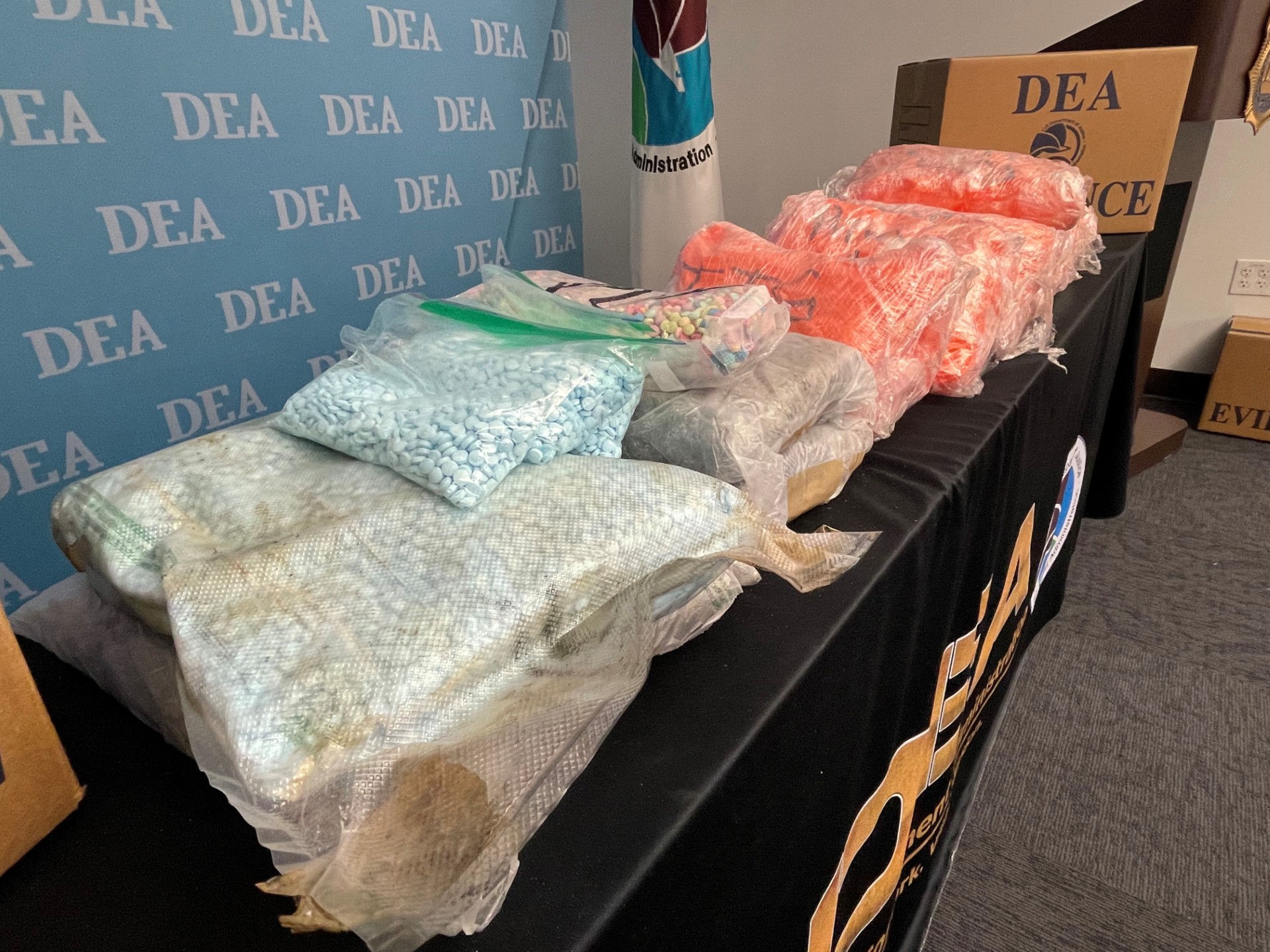
The U.S. Drug Enforcement Administration’s Rocky Mountain Field Division seized a record-breaking number of 2.61 million fentanyl pills in Colorado in the 2023 fiscal year.
That record may soon be rewritten.
Nearly 1.8 million fentanyl pills have been seized by the DEA Rocky Mountain Field Division in the 2024 fiscal year. With four months left in the time period, the department expects to break 2023’s record.
“It is an unfortunate reality that seizures of fake fentanyl pills across our Division – Colorado, Utah, Wyoming and Montana – continue at unprecedented levels,” DEA Rocky Mountain Field Division Acting Special Agent in Charge David Olesky said in a press release. “Fentanyl poisonings are the leading cause of death for Americans 18 to 45 years of age. We need parents, grandparents, teachers, siblings, friends, and neighbors to join us in having the discussion on the deadly dangers of this poison being peddled by the cartels in our country.”
The DEA has previously stated the fentanyl epidemic is the deadliest drug threat to face the United States in its history — and Colorado is no exception to the rule.
While new data from the Centers for Disease Control and Prevention found that overall overdose deaths dropped nationally between December 2022 and December 2023 compared to the year prior, Colorado overdose deaths rose.
Colorado, which showed a 3.9% spike in what’s called “predicted” data, was ranked No. 10 among the states with the highest rate of increase. This “predictive” method takes into account and adjusts for incomplete, provisional drug overdose data, which often undercounts the final numbers.
CDC data put the predicted cases through December 2023 in Colorado at 1,928. That number was 1,856 through the same period in 2022.
DEA lab testing has shown seven out of every 10 fentanyl pills contain a potential lethal dose.
“As we head into the summer and kids are out of school, let’s not fail to continue to educate our family and friends on the dangers of fentanyl. The more we talk about fentanyl, the better,” Olesky added.
