







INSIGHTS | Energy still lights up elections near and far

When it comes to how we power America, not to mention Colorado’s economy, energy is no candle in the wind.
The women and men running for the nation’s highest office have been more than likely to keep it burning, which only speaks to what an existential question this is.
I don’t think we can figure out where we’re going until we address energy and the planet as a single question but with a compromise that works for both sides.
This was supposed to be Colorado’s year to sit one out, while the Polis administration works on its playbook for regulations that allow fossil fuels to make a peaceful passage to a renewable energy future.
The questions are parked for the moment before a new commission with the power to do what voters rejected just two years ago: creating larger mandatory setbacks from homes, schools and businesses.
Energy and the environment never left the nation’s debate stages, however.
They debated it as “climate change” not commerce in the U.S. Senate debate last week in Denver.
“This is a transition that’s going to take a significant period of time, and there’s going to be three, four, five times as many jobs created as we transition to a clean energy economy,” said former Gov. John Hickenlooper, once a fossil fuel worker himself.
Incumbent Sen. Cory Gardner, who drips with oil and gas support, saw Hickenlooper’s glass jaw exposed.
“John Hickenlooper just admitted that if you work in oil and gas he’s going to take your job, 230,000 Coloradans are going to lose their job because he’s decided their job isn’t good enough for him,” he jabbed
Gardner was with Donald Trump in Colorado Springs last February, talking up the GOP’s energy outlook.
“We have ended the war on American energy,” Trump said. “It was a war, and we’re up here and we’re doing it. We are right now energy independent, can you believe it?”
He could have stopped there.
“They want to use wind, wind, wind. Blow wind, please, please blow,” Trump continued. “Please keep the birds away from those windmills, please. Tell those beautiful bald eagles, oh, a bald eagle. You know, if you shoot a bald eagle, they put you in jail for a long time, but the windmills knock them out like crazy. It’s true.”
When the vice presidential candidates squared off in Utah last week, energy was again on the menu, approved by both running mates. The amount of assurance depends on one’s faith in campaign promises, I suppose.
“The American people know that Joe Biden will not ban fracking,” Sen. Kamala Harris pledged. “That is a fact. I will repeat that Joe Biden has been very clear what he thinks about growing jobs.”
The Biden/Harris ticket, then, has moved to the center. However, Harris can’t debate away the sight of her standing with Rep. Alexandria Ocasio-Cortez last year to introduce the Green New Deal, Democrats’ aggressive strategy to end the use of fossil fuels.
Mike Pence also wobbled on his facts.
“What’s remarkable is the United States has reduced CO2 [emissions] more than the countries that are still in the Paris Climate Accord, but we’ve done it through innovation,” he said. “And we’ve done it through natural gas and fracking.”
As with eagles, that’s sort of true. EPA-reported carbon emissions have decreased by 10% since 2005, but they’ve crept up since 2016, after Trump pulled the nation out of the Paris Climate Accord in 2017. There’s a whole volume of fuzzy math on the percentage of raw carbon reductions.
This debate is built on faith, though. Take the next green frontier: electrified transportation.
The biggest question is still outstanding, and that’s whether automakers can deliver enough vehicles to meet government mandates at vehicle prices that everyday people can afford. That’s a price barrier that stands in the way of the promised windfall in fuel savings — chicken and egg.
Between trucking and transit industries, that has the undeniable potential to be expensive, and much more evolutionary than green beings want you to believe.
One way or another, it will boil down to money and risk.
The message writ large to investors this year is that no matter who’s in the White House in 2021, Colorado’s oil and natural gas industry has some degree of economic assurance, for the time being.
Though renewable energy might someday be a major money saver, it’s not there yet, and a steady utility bill is better than rising prices when household dollars and economic investment are at a premium.
“As Coloradans recover from the pandemic-induced economic downturn, the last thing we need is an energy bill increase, especially for those on fixed incomes or unemployed due to COVID-19,” Laurie Cipriano, spokesperson for the pro-industry Coloradans for Responsible Energy Development, told me. “Clean-burning natural gas is abundant in Colorado and will play a key role in helping Colorado achieve its efficiency goals without sacrificing energy reliability and affordability.”
Where the line between the green of cash and the green of earth will not be found on the ballot this year. It will never be answered with a silver bullet or a lightning bolt.
The question will be answered along a path of good intentions, smart compromises and solutions everyday people can afford.
INSIGHTS | Energy still lights up elections near and far
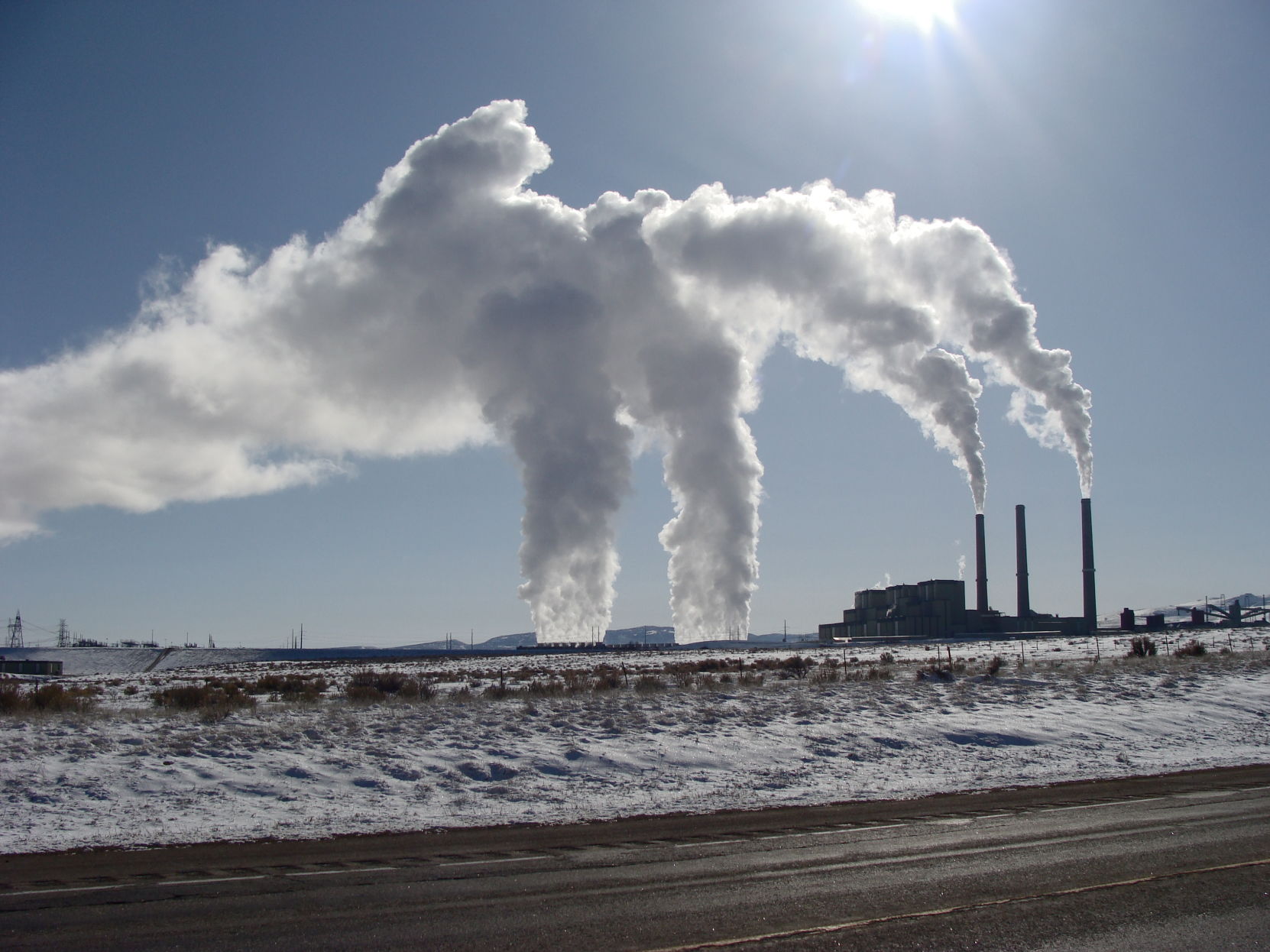
When it comes to how we power America, not to mention Colorado’s economy, energy is no candle in the wind.
The women and men running for the nation’s highest office have been more than likely to keep it burning, which only speaks to what an existential question this is.
I don’t think we can figure out where we’re going until we address energy and the planet as a single question but with a compromise that works for both sides.
This was supposed to be Colorado’s year to sit one out, while the Polis administration works on its playbook for regulations that allow fossil fuels to make a peaceful passage to a renewable energy future.
The questions are parked for the moment before a new commission with the power to do what voters rejected just two years ago: creating larger mandatory setbacks from homes, schools and businesses.
Energy and the environment never left the nation’s debate stages, however.
They debated it as “climate change” not commerce in the U.S. Senate debate last week in Denver.
“This is a transition that’s going to take a significant period of time, and there’s going to be three, four, five times as many jobs created as we transition to a clean energy economy,” said former Gov. John Hickenlooper, once a fossil fuel worker himself.
Incumbent Sen. Cory Gardner, who drips with oil and gas support, saw Hickenlooper’s glass jaw exposed.
“John Hickenlooper just admitted that if you work in oil and gas he’s going to take your job, 230,000 Coloradans are going to lose their job because he’s decided their job isn’t good enough for him,” he jabbed
Gardner was with Donald Trump in Colorado Springs last February, talking up the GOP’s energy outlook.
“We have ended the war on American energy,” Trump said. “It was a war, and we’re up here and we’re doing it. We are right now energy independent, can you believe it?”
He could have stopped there.
“They want to use wind, wind, wind. Blow wind, please, please blow,” Trump continued. “Please keep the birds away from those windmills, please. Tell those beautiful bald eagles, oh, a bald eagle. You know, if you shoot a bald eagle, they put you in jail for a long time, but the windmills knock them out like crazy. It’s true.”
When the vice presidential candidates squared off in Utah last week, energy was again on the menu, approved by both running mates. The amount of assurance depends on one’s faith in campaign promises, I suppose.
“The American people know that Joe Biden will not ban fracking,” Sen. Kamala Harris pledged. “That is a fact. I will repeat that Joe Biden has been very clear what he thinks about growing jobs.”
The Biden/Harris ticket, then, has moved to the center. However, Harris can’t debate away the sight of her standing with Rep. Alexandria Ocasio-Cortez last year to introduce the Green New Deal, Democrats’ aggressive strategy to end the use of fossil fuels.
Mike Pence also wobbled on his facts.
“What’s remarkable is the United States has reduced CO2 [emissions] more than the countries that are still in the Paris Climate Accord, but we’ve done it through innovation,” he said. “And we’ve done it through natural gas and fracking.”
As with eagles, that’s sort of true. EPA-reported carbon emissions have decreased by 10% since 2005, but they’ve crept up since 2016, after Trump pulled the nation out of the Paris Climate Accord in 2017. There’s a whole volume of fuzzy math on the percentage of raw carbon reductions.
This debate is built on faith, though. Take the next green frontier: electrified transportation.
The biggest question is still outstanding, and that’s whether automakers can deliver enough vehicles to meet government mandates at vehicle prices that everyday people can afford. That’s a price barrier that stands in the way of the promised windfall in fuel savings — chicken and egg.
Between trucking and transit industries, that has the undeniable potential to be expensive, and much more evolutionary than green beings want you to believe.
One way or another, it will boil down to money and risk.
The message writ large to investors this year is that no matter who’s in the White House in 2021, Colorado’s oil and natural gas industry has some degree of economic assurance, for the time being.
Though renewable energy might someday be a major money saver, it’s not there yet, and a steady utility bill is better than rising prices when household dollars and economic investment are at a premium.
“As Coloradans recover from the pandemic-induced economic downturn, the last thing we need is an energy bill increase, especially for those on fixed incomes or unemployed due to COVID-19,” Laurie Cipriano, spokesperson for the pro-industry Coloradans for Responsible Energy Development, told me. “Clean-burning natural gas is abundant in Colorado and will play a key role in helping Colorado achieve its efficiency goals without sacrificing energy reliability and affordability.”
Where the line between the green of cash and the green of earth will not be found on the ballot this year. It will never be answered with a silver bullet or a lightning bolt.
The question will be answered along a path of good intentions, smart compromises and solutions everyday people can afford.
INSIGHTS | Energy still lights up elections near and far
When it comes to how we power America, not to mention Colorado’s economy, energy is no candle in the wind.
The women and men running for the nation’s highest office have been more than likely to keep it burning, which only speaks to what an existential question this is.
I don’t think we can figure out where we’re going until we address energy and the planet as a single question but with a compromise that works for both sides.
This was supposed to be Colorado’s year to sit one out, while the Polis administration works on its playbook for regulations that allow fossil fuels to make a peaceful passage to a renewable energy future.
The questions are parked for the moment before a new commission with the power to do what voters rejected just two years ago: creating larger mandatory setbacks from homes, schools and businesses.
Energy and the environment never left the nation’s debate stages, however.
They debated it as “climate change” not commerce in the U.S. Senate debate last week in Denver.
“This is a transition that’s going to take a significant period of time, and there’s going to be three, four, five times as many jobs created as we transition to a clean energy economy,” said former Gov. John Hickenlooper, once a fossil fuel worker himself.
Incumbent Sen. Cory Gardner, who drips with oil and gas support, saw Hickenlooper’s glass jaw exposed.
“John Hickenlooper just admitted that if you work in oil and gas he’s going to take your job, 230,000 Coloradans are going to lose their job because he’s decided their job isn’t good enough for him,” he jabbed
Gardner was with Donald Trump in Colorado Springs last February, talking up the GOP’s energy outlook.
“We have ended the war on American energy,” Trump said. “It was a war, and we’re up here and we’re doing it. We are right now energy independent, can you believe it?”
He could have stopped there.
“They want to use wind, wind, wind. Blow wind, please, please blow,” Trump continued. “Please keep the birds away from those windmills, please. Tell those beautiful bald eagles, oh, a bald eagle. You know, if you shoot a bald eagle, they put you in jail for a long time, but the windmills knock them out like crazy. It’s true.”
When the vice presidential candidates squared off in Utah last week, energy was again on the menu, approved by both running mates. The amount of assurance depends on one’s faith in campaign promises, I suppose.
“The American people know that Joe Biden will not ban fracking,” Sen. Kamala Harris pledged. “That is a fact. I will repeat that Joe Biden has been very clear what he thinks about growing jobs.”
The Biden/Harris ticket, then, has moved to the center. However, Harris can’t debate away the sight of her standing with Rep. Alexandria Ocasio-Cortez last year to introduce the Green New Deal, Democrats’ aggressive strategy to end the use of fossil fuels.
Mike Pence also wobbled on his facts.
“What’s remarkable is the United States has reduced CO2 [emissions] more than the countries that are still in the Paris Climate Accord, but we’ve done it through innovation,” he said. “And we’ve done it through natural gas and fracking.”
As with eagles, that’s sort of true. EPA-reported carbon emissions have decreased by 10% since 2005, but they’ve crept up since 2016, after Trump pulled the nation out of the Paris Climate Accord in 2017. There’s a whole volume of fuzzy math on the percentage of raw carbon reductions.
This debate is built on faith, though. Take the next green frontier: electrified transportation.
The biggest question is still outstanding, and that’s whether automakers can deliver enough vehicles to meet government mandates at vehicle prices that everyday people can afford. That’s a price barrier that stands in the way of the promised windfall in fuel savings — chicken and egg.
Between trucking and transit industries, that has the undeniable potential to be expensive, and much more evolutionary than green beings want you to believe.
One way or another, it will boil down to money and risk.
The message writ large to investors this year is that no matter who’s in the White House in 2021, Colorado’s oil and natural gas industry has some degree of economic assurance, for the time being.
Though renewable energy might someday be a major money saver, it’s not there yet, and a steady utility bill is better than rising prices when household dollars and economic investment are at a premium.
“As Coloradans recover from the pandemic-induced economic downturn, the last thing we need is an energy bill increase, especially for those on fixed incomes or unemployed due to COVID-19,” Laurie Cipriano, spokesperson for the pro-industry Coloradans for Responsible Energy Development, told me. “Clean-burning natural gas is abundant in Colorado and will play a key role in helping Colorado achieve its efficiency goals without sacrificing energy reliability and affordability.”
Where the line between the green of cash and the green of earth will not be found on the ballot this year. It will never be answered with a silver bullet or a lightning bolt.
The question will be answered along a path of good intentions, smart compromises and solutions everyday people can afford.