




Snapping rope led to climber’s 70-foot-fall in Colorado, says report
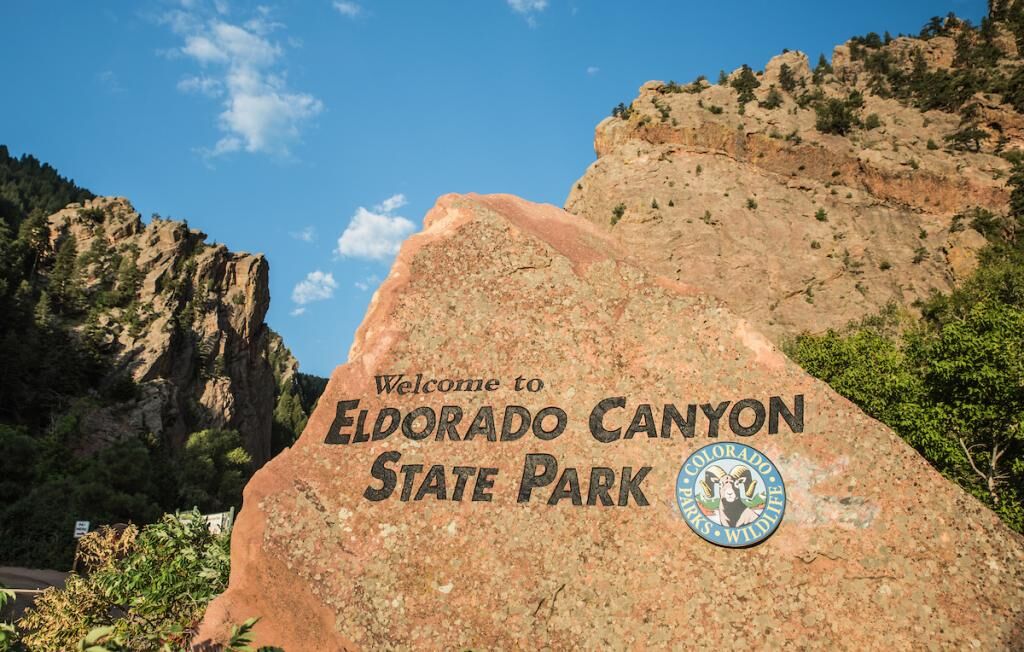
Last weekend, a 69-year-old rock climber took a big fall while on the Chockstone 5.10a route at Eldorado Canyon State Park. Despite dropping 70 feet to the ground, the climber miraculously survived, albeit with serious injuries.
While it was known the climber was on a trad-style route – which involves climbers placing their own safety gear as they go opposed to utilizing pre-installed bolts, not many details were initially available regarding what happened that caused the fall to occur.
Days later, Climbing.com has released a breakdown of the accident, indicating that a fall on the route caused the climber’s rope to slide across sharp rock, which resulted in the rope snapping. The climber then fell 70 feet to the ground and through a 15-foot-tall pine tree.
The full Climbing.com report about the incident can be found here, and it’s worth reading, as it highlights an often-overlooked risk related to rock climbing – the failure of gear.
While gear failure is quite rare and most climbing accidents are the result of a mistake being made, ropes can and do fail, especially when friction becomes a factor. While it’s highly unlikely that a maintained rope from a reputable company that’s still within its labeled lifetime of use would fail in the standard fall at a climbing gym, outdoor climbing brings additional risk of this potential.
Many rocks are sharp – duh – and while climbing ropes are durable, certain types of falls can put more stress on a rope and can do more damage. For example, if a climber falls, but the rope isn’t able to extend straight down because it’s caught on a rock, that additional friction can do more damage to a rope. This is one reason why it’s crucial to pay attention to your line while climbing, being highly aware of potential hazards that could snag a rope during a fall – something that doesn’t allow for a clean fall to take place.
In general, ropes from reputable companies are said to last about 10 years after their manufacturing date – most ropes have a tag where this date can be found. That said, watch for wear and tear, too. Many climbers prefer to replace ropes every year or so if they’re using them outside on a regular basis – after all, the rope is your lifeline and failure tends to mean serious injury or death. Cough up the cash if there’s any doubt – it’s not worth the risk.
Read the full report on this accident from Climbing.com here.
Get OutThere
Signup today for free and be the first to get notified on new updates.
PREV
PREVIOUS

Report highlights the highest-rated IPA-style craft beer in Colorado
Everyone knows Colorado loves its IPAs – almost to the point where it’s a bit cliche now, to be honest. But hey, I’m a fan of a good IPA. Short for India Pale Ale, this craft beer variety is crisp and hoppy, originating in the United Kingdom with the higher hop content serving as a […]

All Lakewood City Council incumbents re-elected, still focusing on affordable housing
The Lakewood City Council looks mostly the same following the Nov. 4 elections. With that, the council’s goals remain the same: affordable housing for the missing middle — or families that don’t qualify as low-income but don’t earn enough to obtain a mortgage on a single-family home. The city had four incumbents running for re-election […]