




Where did the ‘Denver omelette’ come from and what’s the reason for its Mile High namesake?
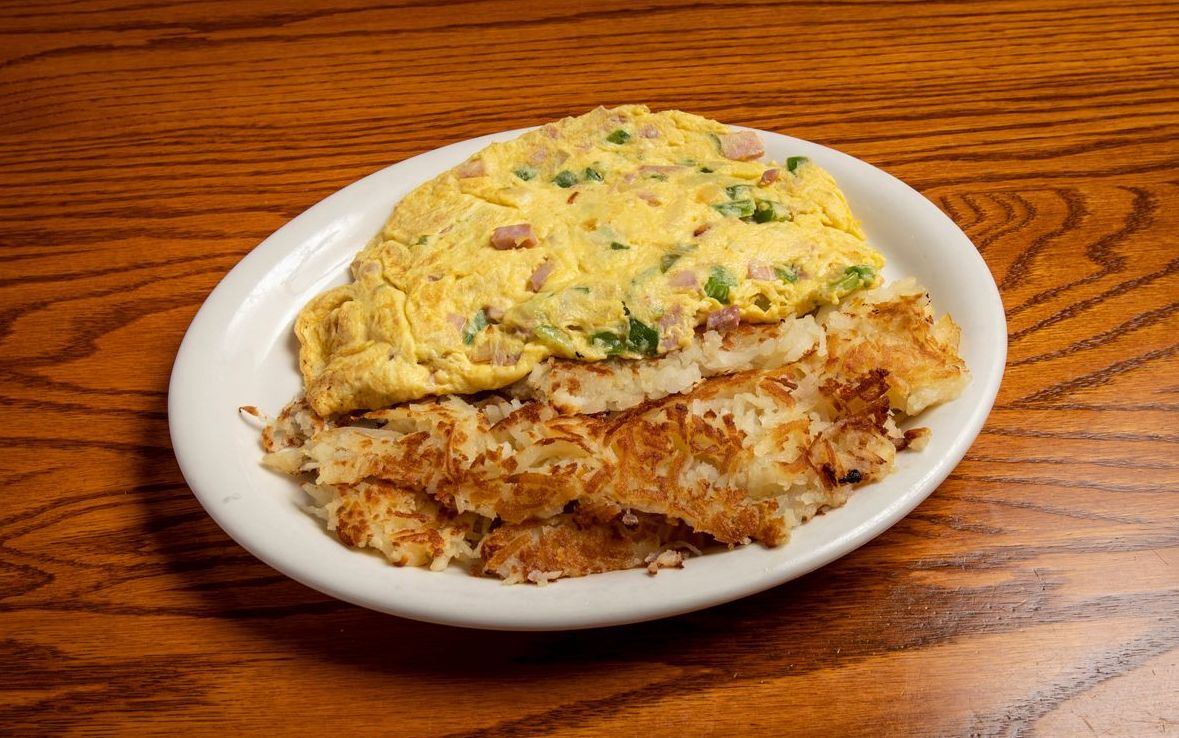
By now, the ‘Denver omelette’ is considered a classic staple when it comes to diners across America, sometimes even found on the menu elsewhere around the world. An omelette variety that’s typically filled with diced ham, sautéed onions, diced green bell peppers, and melted cheese, the dish has reached a level of popularity that allows fans order it like a favorite cocktail – the chef will always know what it takes. That being said, the seemingly random mix of ingredients may leave the consumer wondering what it is about the dish that deems it worthy of its Mile High moniker – and to find that answer, it means taking a trip back to the days of the Wild West.
Most claims related to the creation of the Denver omelette seem to date back to the early 1900s, with The Big Apple blog – a publication that investigates the origin of various American words and phrases – noting that this omelette is directly tied to the Denver sandwich and its similar ingredient make-up. Records indicate that the name of this handheld dish appeared in print at least as early as 1903 with multiple Denver restaurants taking credit for its creation around the same time. That said, the dish was likely being served prior to the turn of the century, just perhaps without the Denver namesake attached.
The Denver omelette is said to be based on the sandwich of the same namesake, with its origins coming about when the aforementioned sandwich started to be served sans the bread. The big question, however, is how its ingredients got lumped together in the first place.
As if the story behind the omelette’s inventor wasn’t murky enough, there’s also not a truly definitive answer when it comes to the Denver omelette’s ingredient list. According to Britannica, historians have speculated that the ham-onion-bell pepper combo can be traced back to the 19th century and Chinese railroad workers looking for a way to transport the popular egg foo young dish. Considered a staple of Chinese-American cuisine during this period, egg foo young resembled a sort of fluffy pancake-style omelette, filled with vegetables and bits of protein, then served on a bed of rice. By assuming its ‘Denver sandwich’ form, something reminiscent of the egg foo young dish was easier to consume on the go, and once it settled in Denver, it eventually lost its buns again.
A chapter of history that’s not discussed much in the modern era, Chinese immigrants played a major role in the early development of Colorado, building large portions of the state’s railway infrastructure that the mining industry depended on to thrive. Denver even used to have a Chinatown district that boomed until a tragic race riot took place in 1880, resulting in widespread destruction. Given the prominent role of Chinese-American residents in Denver during the years just before the ‘Denver sandwich’ hit headlines, its roots in the egg foo young dish seem to make sense.
Granted, Britannica also notes that the Denver sandwich may have been created to be a portable meal by cattle drivers of the same era, too. Meanwhile, others have posed that its potent ingredients may have been used to mask the flavor of eggs that had gone bad, though as Denver’s iconic Sam’s No. 3 diner notes, “many historians have balked at this claim.”
Unfortunately, it seems like any certain origin of Denver’s namesake dish has been lost to time, but that doesn’t make it any less delicious. Its simple ingredients and quick cook time make it easy to throw together at home, too.
Want to try the Denver omelette for yourself? You’re sure to find it at most diners around the state – or country, for that matter. Want to make it at home? Here’s a 4.9-star recipe that people seem to love.
STAY INFORMED: Get free Colorado news with our daily newsletter (Click here)
Get OutThere
Signup today for free and be the first to get notified on new updates.
PREV
PREVIOUS

8 tips for spring skiing in Colorado
Spring skiing offers, arguably, some of Colorado’s most entertaining and exciting runs of the year. With slushy snow and sunny skies, the spring means plenty of fun if you know how to adapt to the warming conditions. Here are some tips to make the most out of the end of ski season: Prime skiing time […]

Four killed in plane crash that took place above Colorado's oldest ski area
Four people died after a plane crashed into a Steamboat Springs mountain on the night of February 12, according to Routt County Sheriff Doug Scherar. The crash took place on Emerald Mountain, also known as Quarry Mountain, which is above Howelsen Hill ski area and across Highway 40 from Steamboat Resort. According to a report […]