




Seven ways that mental shortcuts can lead to trouble in the backcountry
Written by: Anna DeBattiste; Colorado Search and Rescue Association
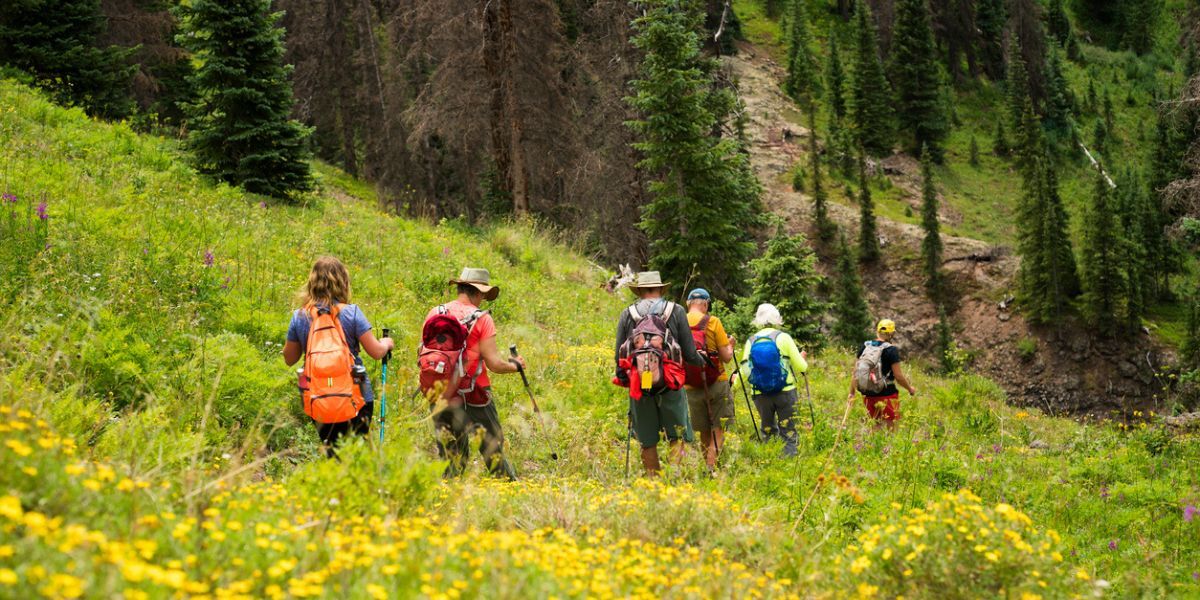
Sarah was beginning to have some doubts about her new Meetup hiking group. It had seemed like such a good idea at first; she was new to the area and it was a great way to meet like-minded people in Denver who enjoyed the outdoors. But as the group toiled toward the summit of Torreys Peak, she was increasingly nervous.
First, Walter, their self-appointed leader, appeared hell-bent on making the summit today, regardless of what happened within the group. As one or another of the group brought up a concern, he would respond by downplaying it and refocusing everyone on their goal.
“I’m not sure we’re going to make it before noon,” Lacey had said about an hour ago. “And thunderstorms are forecast between 1:00 and 3 p.m. We would still be above tree line then.”
“Don’t worry!” Walter had replied. “Our pace is good, I think we’ll be OK. You don’t want to get back home today, after all this effort and know that you didn’t make the summit, do you?”
Even more concerning was Ron’s increasing symptoms of altitude sickness. He had been fairly quiet about it, but he looked pale and queasy and had mentioned nausea to Sarah.
Sarah picked up her pace to catch up with Jill, who also seemed to notice Ron’s illness.
“I’m worried about Ron,” she told her in a low voice. “He’s getting quieter and his pace is slowing.”
“Yeah, I’ve noticed that too,” said Jill. “But Walter is a nurse. I know he talked to Ron during our last rest break and asked him a few questions. I’m sure if we should truly be concerned, Walter would have flagged it.”
Sarah shrugged, feeling helpless. She looked up at the sky and noticed clouds were beginning to form. She estimated they still had at least an hour to reach the summit. Then she saw Ron drop to his knees, holding his head in his hands.
Heuristics are mental shortcuts people take to solve problems and make decisions quickly and efficiently. In and of themselves, heuristics are not good or bad — in fact, they’re necessary for us to get through the routines of daily life. We make hundreds or even thousands of decisions every day. What should you have for breakfast? What should you wear? What time should the dog go out for a walk? Heuristics allow you to make such decisions with ease and without much thinking, researching or agonizing.
But in some situations, heuristics can lead us astray. Here are some common heuristics and how they apply to backcountry recreation.
Familiarity — People make riskier choices when they are more familiar with the terrain. “I’ve hiked this trail many times before. I don’t need to put any extra gear in my pack, I’ll be done in the usual amount of time.” But what about the “stuff happens” factor? Anyone can twist an ankle or blow out a knee, anytime.
Commitment/summit fever — Walter, the group leader in our story above, demonstrates this thinking trap. He’s so goal-oriented that he’s determined to get to the summit of Torreys no matter the potential risks. Commitment to a goal is a good thing, in many situations, but taken too far in the backcountry it can be deadly.
Scarcity — We often assign more value to experiences that are rare, and we’ll take more risk for them. For example, you got a rafting permit in a lottery against very high odds and it causes you to ignore the fact that water levels are extremely high this year and perhaps exceed your paddling experience and capabilities.
Expert halo — We often defer to the person in the group perceived to have the most experience and/or knowledge, even if it is minimally more than others. But this ignores the fact that even if that person is truly an expert, no one is infallible. When Lacey says Walter is a nurse and the group shouldn’t worry about Ron’s altitude sickness since Walter doesn’t seem worried, that’s an example of expert halo. And since Walter may be overly influenced by summit fever, he may not be taking Ron’s illness as seriously as he should be.
Conformity/acceptance — Most people want to be liked. Research tells us that in groups, especially coed groups, people often “go along to get along” so they will be accepted by the group or to avoid conflict. This might describe almost everyone in our Torreys Peak scenario.
Social proof/popularity — When there is evidence that others have done something without mishap, we sometimes assume that means it’s safe. The classic example is that when we see lots of tracks into an area with Avalanche risk, we are more likely to follow them without truly assessing the risk. Another example might be that we assume a popular 14er route must be safe because so many people have done it.
Sunk cost fallacy — This is a critical thinking error in which we decide we’ve expended too much time or effort to turn back or change course now, no matter what new circumstances present themselves. Many backcountry search and rescue calls in Colorado are caused by hikers getting “cliffed out”; stuck in steep, rocky terrain where they can no longer descend or ascend. It often happens because they continued climbing or descending into gradually more technical terrain, ignoring signs that they might eventually be stuck, reluctant to turn around because they had already invested so much effort. In the Torreys story, Walter appeals to others’ tendency toward sunk cost fallacy when he says, “You don’t want to get back home today, after all this effort and know that you didn’t make the summit, do you?”
How do you avoid these thinking traps? The good news is, you’ve already taken the first step by reading about them and becoming more aware of how they can increase your risk. Here are some other things you can do:
- For group trips, especially ones in which the members don’t know each other well, talk with the group in advance to understand individuals’ differing endurance levels, experience, risk tolerance, goals, etc.
- When possible, create groups with similar levels of experience and risk tolerance who have similar goals.
- Create a thorough trip plan that includes turnaround times, decision-making rules for the group and alternate routes.
- Propose a rule that anyone can veto a decision or ask that the group turn around. Most backcountry search and rescue teams have a protocol that anyone can call for a “stop” during a technical operation, because anyone might suddenly notice a safety hazard, regardless of their experience level or role on the team.
- During the outing, have regular stops where decisions can be revisited and people can check on each other.
- Keep your head on a swivel, watching for concerning signs of changing weather, terrain, conditions and people’s physical and emotional states.
- Ask lots of questions — both of yourself and of the group. Questions to ask yourself: Am I still comfortable with this? Am I ignoring anything? Am I being overly influenced by someone? Questions to ask the group: What hazards should we be talking about? Is anyone feeling uneasy about anything? What assumptions are we making based on past experiences?
Remember, a backcountry outing is only successful if everyone returns to the trailhead alive and uninjured. Knowing how to avoid these thinking traps will help ensure that success.
STAY INFORMED: Get free Colorado news with our daily newsletter (Click here)
Get OutThere
Signup today for free and be the first to get notified on new updates.
PREV
PREVIOUS

Injured mountain biker rescued after 200-foot fall
An injured mountain biker was recued after taking a 200-foot fall on the Calico Trail west of Rico on Saturday. According to a post from the San Miguel County Sheriff’s Office, San Miguel County Search and Rescue responded to Dolores County at around 2:30 p.m. on Saturday to help Dolores County Search and Rescue with […]

"Aggressive bear activity" shuts down popular park in Colorado
As bears have started to get more active in recent weeks, several outdoor recreation impacts have been seen around the state of Colorado. From a campground that recently banned tent camping to a park that was shut down due to bear aggression, wildlife can tend to throw a curveball when it comes to making summer […]