




Training for the Pikes Peak Ascent? Here are four things not to overlook
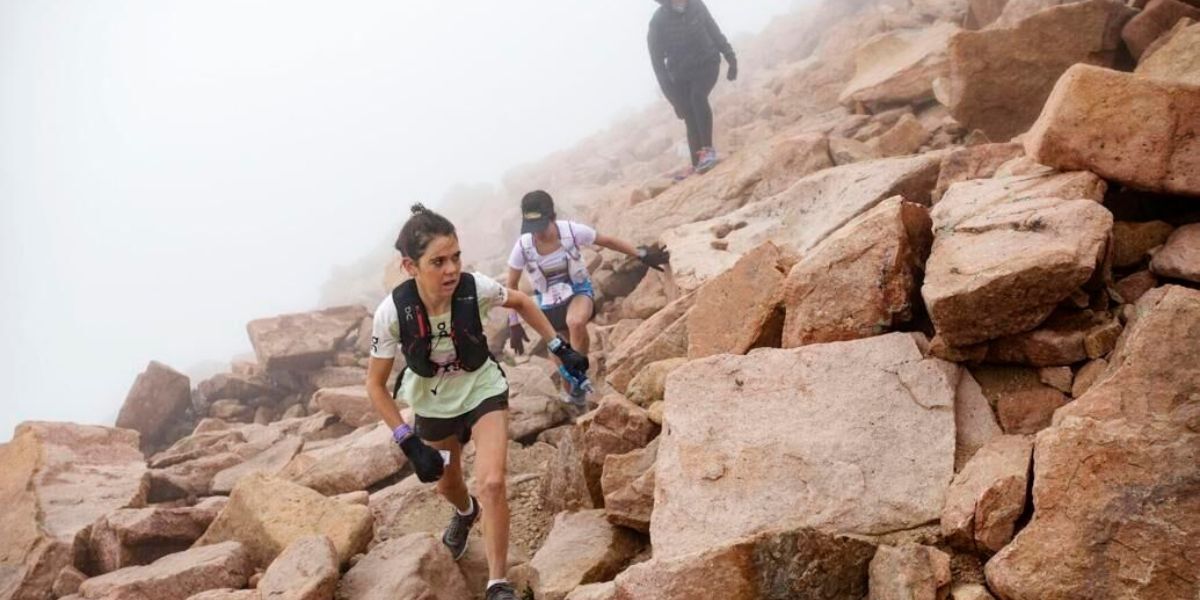
Known as one of the most difficult foot races in the country, the Pikes Peak Ascent travels 13.3 miles up its namesake peak with a climb of around 7,800 vertical feet. There’s essentially no vertical loss throughout the route, with this trail race being an uphill charge to the finish line with few points of relief. Because of its wild stat line, training for this race tends to be a bit different compared to the typical half-marathon.
After training for and running this race several times, here are four things that you should make sure not to overlook in your training plan:
1. The Elevation
You’re summiting Pikes Peak, obviously that means hitting 14,115 feet of elevation. That said, while you’re packing on the training miles around town to build up your endurance, make sure you’re including routes above treeline, too. When it comes to excelling in strenuous activities above treeline, the body requires acclimatization. In general, the more you responsibly expose yourself to these conditions, the less noticeable the impact of these conditions will be on race day. Add a few fourteener climbs into the training mix and consider taking the road to the Pikes Peak summit for a few training days on higher elevation trails.
It’s also worth noting that elevation is something to ease into. Don’t plan your biggest run for an ‘above treeline’ day, just take your wins where you can get them and know that any work above treeline is better than no work about treeline.
Another big benefit of elevation training is increased awareness of how elevation effects your body. This will let you better manage energy expenditure if you start to notice impacts, preventing the infamous ‘wall’ from rearing its head.
2. The Vertical Gain
On the Pikes Peak Ascent, the vertical gain is truly relentless. So much so that even during stretches that feel ‘downhill’ you’re still going uphill, it’s just not quite as steep. With that said, it’s important to mentally prepare for the uphill grind and to train specifically for it. Seek out trails where sustained climbs are a key feature. Train on the Barr Trail and Manitou Incline ahead of time and if you’re headed to Colorado Springs from elsewhere for the race, find whatever steep hill you’re able to and train on that. Training on the state’s fourteeners will help with this aspect of the race, too.
3. Hydration and Electrolyte Management
While you’re training for steep terrain and above-treeline running, work to find electrolyte products that work well with your body. Keep in mind that while dry and cool mountain conditions might not have you feeling so hot, you’re still sweating a lot. With so many uphill steps, cramping can be a common issue for Pikes Peak Ascent runners and one way to prevent cramping is through proper hydration and electrolyte management. Products from Nuun, LMNT, and SaltStick can be great options for a quick electrolyte fix. Carry these products with you and don’t skimp on the amount of fluids you’re carrying either.
4. The Weather (and the Gear)
Expect to encounter hot temperatures, rainfall, sleet, snow, incredibly strong winds, and everything in between. Because of this, packing the right clothing on race day is important, but ensuring success in that regard starts long before leaving the start line behind. Practice with different gear ahead of time to see what works best for you in various conditions and don’t forget to train with the pack you plan to carry. Nothing is worse than throwing on your pack to realize it’s heavier than you thought it would be or that it’s rubbing in a weird spot with miles to go.
As far as the weather goes, it’s important to know how your body will react in various conditions and prepare for that both mentally and in what you carry. A lot of the battle against weather is mental and race organizers will make the call to turnaround the race if conditions above treeline are too dangerous, but still, it’s a good idea to be as prepared as you can be for whatever Mother Nature throws at you.
STAY INFORMED: Get free Colorado news with our daily newsletter (Click here)
Get OutThere
Signup today for free and be the first to get notified on new updates.
PREV
PREVIOUS
Four Colorado hot springs rank among 'top 10' in the U.S.
Soaking in hot springs provides many benefits, including boosting blood circulation, reducing stress and alleviating skin conditions. In Colorado, a trip to a hot spring is often accompanied by views of some of the state’s most stunning mountains and scenery. USA Today 10Best recently published its list of the best hot springs in the country, […]

Colorado Springs home to some of 'best drivers' in U.S. says AllState, but another city ranked higher
Contrary to what one might believe after traveling around the Centennial State, AllState says two Colorado cities are actually home to some of the ‘best drivers’ nationwide. In order to create their ranking of which cities had the best drivers, the insurance company analyzed damage claim frequency, expressed as average years between collisions, then looked […]