AFA cadets who have kids can retain parental rights, stay in school following policy change
Until a recent change in federal law, cadets who became pregnant would have to choose between abortion, dropping out of school, or giving away parental rights.
When Melissa Hemphill became pregnant as a cadet at the Air Force Academy with her son in 2009, she faced a harsh set of options: Leave the academy, get an abortion, or give up her parental rights in court.
“It was very scary and very stressful,” she said. “We were so young and we had all these other hopes and dreams.”
Hemphill and her boyfriend, now husband, Anthony Hemphill found a way to stay on the right side of the law and keep their son, Oliver, by taking turns formally giving up their parental rights and then later adopting their son so they could finish their degrees at the academy.
It’s a story Melissa Hemphill, now an Air Force reservist, has told over and over again as she advocated through the Air Force and in national media for Congress to change the policy that forced students at all military academies into the same tough set of choices if they became pregnant.
“I think people thought it wasn’t happening. It wasn’t a problem,” she said.
As she shared her story, others told her about their decisions — to have abortions, to quietly leaving school without saying why and to give up their parental rights. In some cases those who gave their parental rights struggled to get them back when family members laid down ultimatums, with statements like, ‘I’ll give your parental rights back once you are in a stable relationship.’ Some former cadets did not get their parental rights back, she said.
Following a 2021 change in the law, known as the Candidates Afforded Dignity, Equality and Training Act, or CADET Act, sponsored by Sen. Ted Cruz, R-Texas, and Kirsten Gillibrand, D-N.Y., cadets can now retain their parental rights.
Although the Department of Defense has not issued final guidance on how to implement the law, the Air Force Academy is operating under the spirit of the law and has worked with four cadets to remain at the academy while they have children by signing family care plans that describe who will care for their children while they are in school, academy spokesman Dean Miller said.
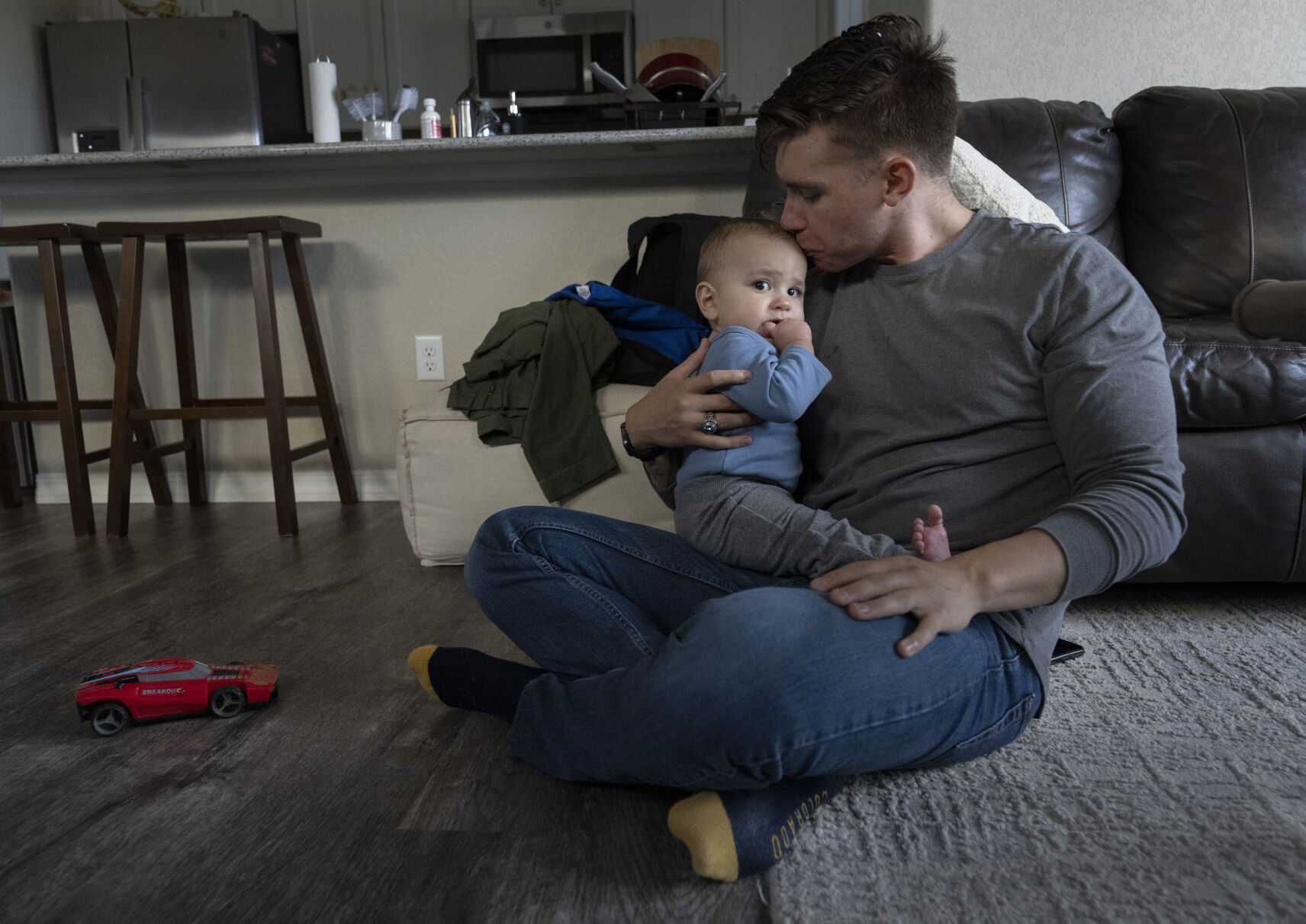
Cadet Sarah Swan and recently commissioned 2nd Lt. Zenen “Z” Cardenas were the first to have a child at the academy under the new law and while they did not have the stress of the old policy, their experience opened up practical questions about health care and leave. Their experiences are likely to set precedent for future cadets who have children.

Swan and Cardenas found out they were expecting their son, Mateo, now 9 months, while they were traveling separately during spring break their junior year at the academy. Swan recalled taking about seven tests, not believing she was pregnant because she was using an IUD. Her birth control also made the pregnancy high risk and so for the first few months they kept the news quiet.
But there was not a question in their minds that they wanted to keep their baby, the couple said. They would also have to be the main caregivers because their families couldn’t take on their child.
“We had both talked about having kids and getting married … We knew that was going to be a part of our future. But we didn’t expect it to be this soon,” she said.
The reception they received was mixed.
The medical team at the academy assumed that Swan wouldn’t keep the pregnancy, which was tough for her to hear.
“It was just such a shock to all of the medical professionals that I was deciding to keep the pregnancy. The norm is to get an abortion,” she said.

But Swan’s commander, Cardenas’ commander and many others in leadership supported the couple and helped them navigate the process at high levels as they started taking steps no one else had before. For example, Swan had to apply for medical leave to have her baby and navigate insurance.
“A lot of my personal case was commanders coming to me and being like, ‘Well, we could do this route, which will probably be easier. Or we can do this route, which is the correct route, but we’re gonna have to fight for it really hard. And that way, in the future, when people go through this, they don’t have to fight super-hard for it because we have already done it,'” she said.
Health insurance proved to be one of the most stressful parts of the process.
Before Mateo was born, she was told he would have Tricare coverage, but shortly after his birth, she was told that wouldn’t be the case.
So the couple had to enroll Mateo in Medicaid for several months before Cardenas commissioned as an officer and could provide insurance. Now, cadets can provide insurance for their children, following guidance from the DOD, said Dom Angiollo, the attorney adviser for the academy.
The amount of time Cardenas was going to be able to spend with his family was also a bit of a question mark.
Hemphill and her husband were essentially away on deployment while finishing their degrees at the academy and she missed Oliver’s first birthday and his first steps, she said.
Cardenas was granted four floating days of leave for Mateo’s birth, which paired up with Thanksgiving break equaled almost two weeks, the amount of time he would like to see the academy grant new fathers, he said. Then, leading up to finals, he had to spend many nights at the academy studying and finishing projects.
When he returned to the academy for his last semester, he was allowed to go home at night to help support his fiancé with their newborn.
Now Swan is back at the academy this fall to finish her senior year, she will also be allowed to spend nights at home, unless none of the cadets are allowed to leave because they are participating in a military exercise or they have fallen short of standards.
Now an officer, Cardenas can keep working because he qualifies for childcare, an option that was not available while Swan was on leave because they could not afford outside day care.
When it comes to acceptance of the new law, officers and enlisted leaders have embraced the change, Swan said, but there still needs to be a shift among the cadets.
For Cardenas the experience showed him the stark difference between the two routes to commission as an officer. Students in ROTC can get married and have children, something he witnessed while part of an ROTC program at University of Alabama. He would like to see the academy reach parity with ROTC programs.
“I think right now, the academy is moving in the correct direction towards that, and they’re moving quickly,” he said.
Before the new law, a male cadet who declined to be identified, found out his girlfriend, now fiancé, was pregnant the October of his freshman year. So he decided to keep it private and attended summer parachute jump training, instead of his daughter’s birth.
Later, he found out the leadership would have allowed him to leave.
“There is a lot more support here than I thought there was,” he said.
Still to stay on the right side of school policy, he decided not to sign her birth certificate, a step he can reverse before graduation because of the change in the law and that carried deep meaning for him.
“The CADET Act is a huge step forward in helping cadets be who they are,” he said.
Still his responsibilities at school have kept him away from his 2-year-old and he has seen many moments of his daughter learning to crawl, walk and talk through Snapchat, a social media platform largely for sending private videos.
Even before his fiancé moved back to Texas this past Thanksgiving to be closer to both their families for support while she goes to nursing school, she was largely a single mom, which weighs on him all the time.
The senior said he is holding on to graduation day and moving in with both of the loves of his life.
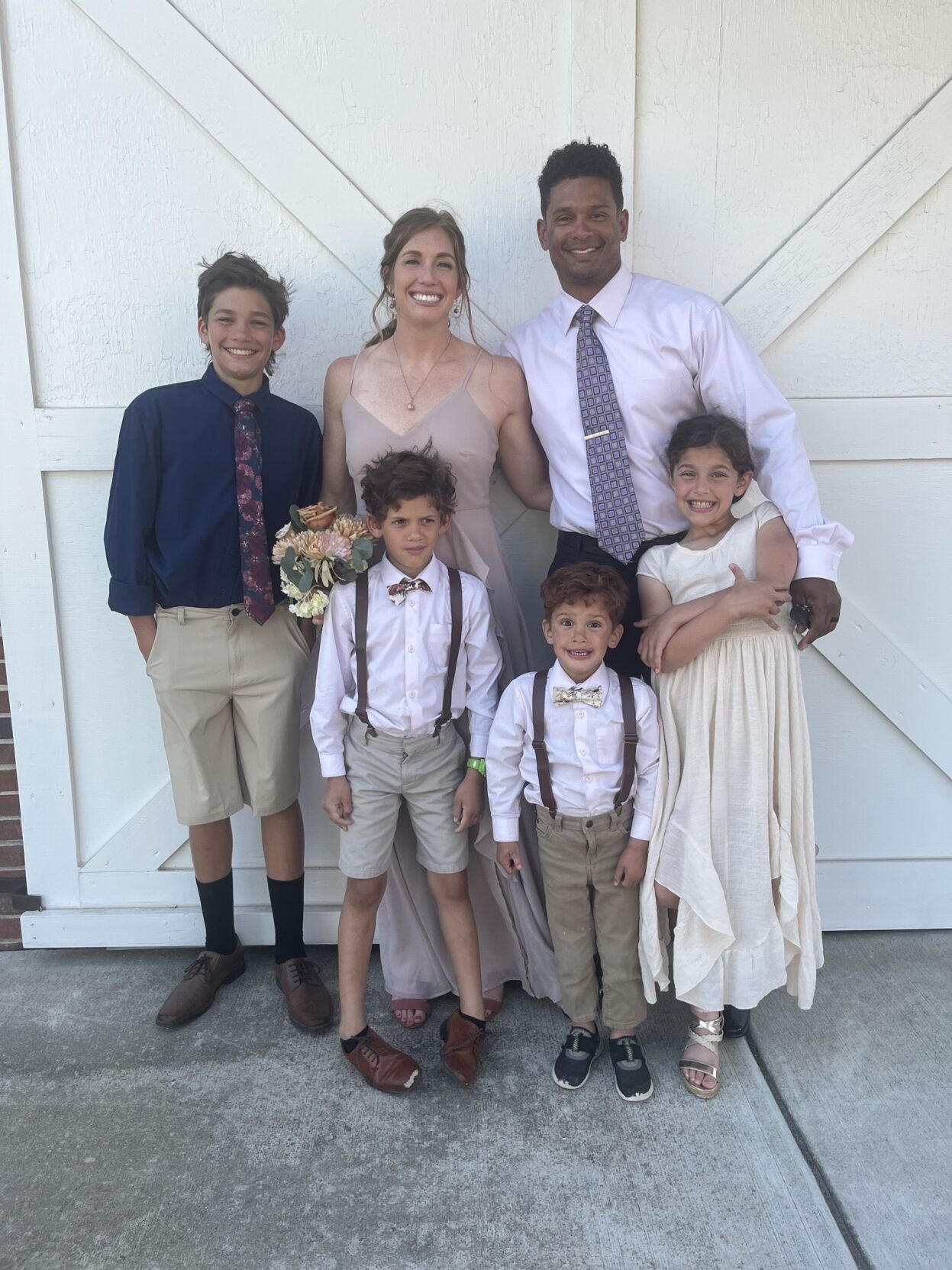
Now the mother of four, Hemphill has mentored numerous cadet parents and would never recommend starting a family while at the academy. She sees the new law as protection for cadets from the emotional, financial and legal stresses of perhaps never regaining parental rights if they do have a child.
A logical next step for the academies could be allowing parents to apply if they can execute a family-care plan, she said. The academies allow enlisted service members who are older than their recent high school graduate counterparts to apply.
As the DOD finishes the policy for military academies, she expects the Air Force Academy’s influence will be apparent since the staff was a part of working groups and has really leaned into the policy change that will let cadets pursue their careers and the services to keep qualified people, she said.
“We need to see the person first,” she said.
Cadets and midshipmen having children and in need of help can reach out to a nonprofit Hemphill founded called MAPS: Military Academy Pregnancy Support.