








Can you still travel to Colorado amid COVID-19 restrictions?
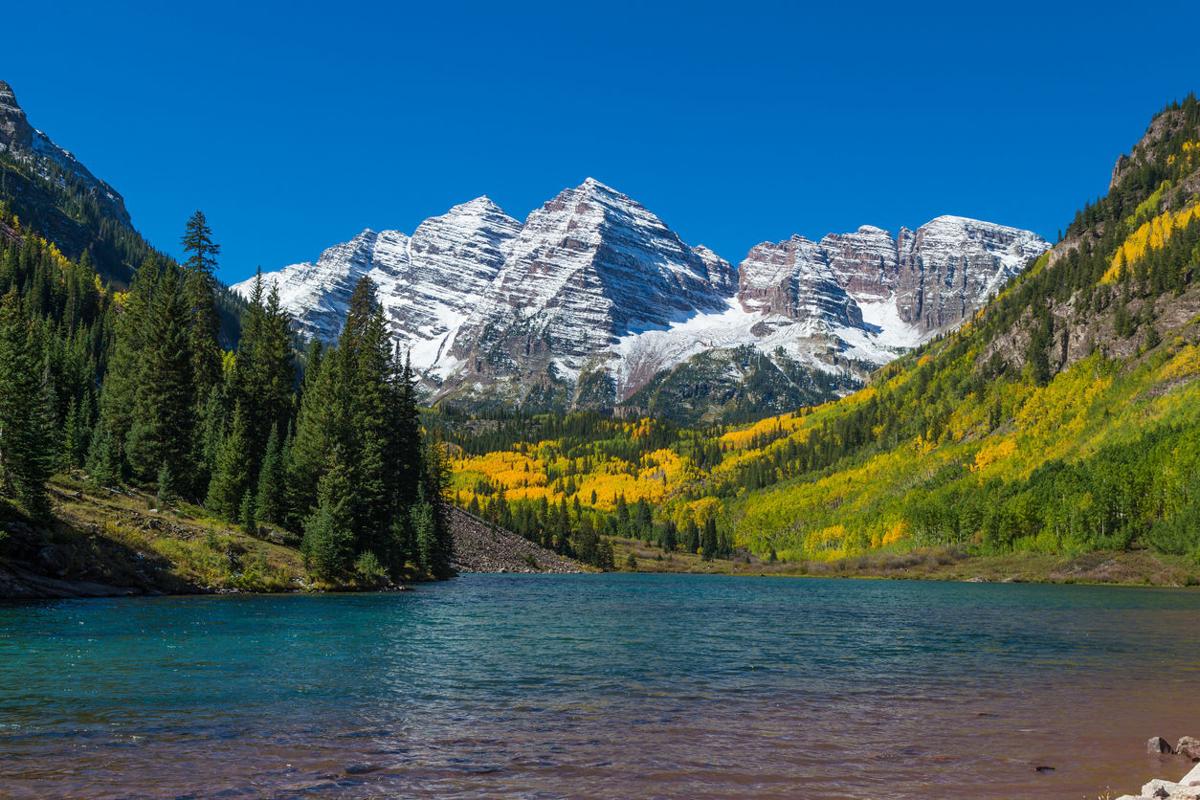
twildlife
Summertime is almost here in Colorado, which typically means a season full of peak-bagging, river-rafting, and scenic memories. Unfortunately, it looks like the coronavirus pandemic will put a serious damper on travel plans around the state for many.
In a world where policies are seemingly ever-changing and future plans are uncertain, many questions remain unanswered.
“Can I still go to the mountains? Is it safe to travel to Colorado? Are the ski resorts reopening?”
With so much uncertainty surrounding this new virus, there’s no clear road map for what comes next, but there are a few things you’ll need to know before traveling to the Centennial State.
Colorado’s “safer-at-home order” strongly recommends staying home unless traveling for essential needs (such as grocery shopping, take-out, banking, getting gas, taking care of a family member or pet, and doctor visits). This order also discourages anyone from traveling more than 10 miles from their home, with Polis previously mentioning that June restrictions may resemble those of May. That being said, some campgrounds have reopened, with other natural spots soon to follow.
Regardless of easing restrictions, many of the state’s mountain towns are still asking visitors to refrain from visiting.
San Juan County Sheriff Bruce Conrad stressed this in a Facebook video on Monday, “We need to slowly turn this tap on, and not open the flood gates to visitors. We are simply too attractive of a destination to afford that approach.”
Remember, this is a marathon, not a sprint. It’s critical that we get this right. I cannot stress this enough: we must continue to stay home whenever possible. #SaferAtHome #DoingMyPartCO pic.twitter.com/1HqHp812mw — Governor Jared Polis (@GovofCO) April 27, 2020
The Colorado Tourism Office also warns of the stress that unnecessary travel can put on hospitals in smaller communities, stating that “while ‘escaping’ to the great outdoors and more rural parts of the state may seem like a logical idea, Colorado’s rural destinations and mountain communities have limited medical facilities and personnel and need to reserve them for their residents.”
Sheriff Conrad went on to say, “And I get that an individual may think that packing up the family and coming up to the mountains for a camping trip is in no way endangering themselves or others, but what’s missed in that thinking is if we begin to allow the normal number of visitors of this stage in the crisis. We will also without a doubt be responding to those campgrounds for the variety of calls and crowding first responders. This where we can’t afford to endanger the rest of the community.”
In the mountains, public health orders vary by county, but most continue to push back against tourism in their area with a number of regulations and restrictions.
For instance, in Pitkin County (home to Aspen), travel for recreational purposes should be limited to the Roaring Fork, Crystal, and Fryingpan River valleys.
Meanwhile, Clear Creek County roads remain closed to non-resident traffic. County officials asked visitors to wait in a Facebook post on Monday stating, “At this time we are asking you to wait a little bit longer before visiting Idaho Springs, Empire, Georgetown, and Silver Plume. We look forward to welcoming you back once the pandemic subsides.”
It’s also worth mentioning that many of the state’s key attractions remain closed such as ski resorts, restaurants and bars, arts and cultural facilities, entertainment venues, and sports arenas. Popular outdoor recreation areas like the Great Sand Dunes National Park and Preserve and The Manitou Incline also remain closed.
Despite these strange times, the public interest in traveling to Colorado is still there. According to a recent study from rentcafe.com, Aspen placed 4th among the top 20 “most resilient” travel destinations during the nationwide lockdown. While Aspen-related travel searches dropped 40 percent for March and April, the mountain town remained the 4th most resilient spot in the country. The national average was a 64 percent drop, with places like Brooklyn dropping by 78 percent.
While there are no restrictions on travel in or out of Colorado, respecting state and local precautions could help prevent a second wave of the virus from hitting the state. To put it simply, now isn’t a great time to visit Colorado. Most mountain towns don’t seem to want tourists, a number of outdoor destinations remain closed, and legal restrictions related to typical tourist activities are still in place. For now, save your adventure for when the pandemic has passed.
EDITOR’S NOTE: Right now is not the time to explore in Colorado due to the COVID-19 outbreak. Please plan to adventure after the crisis has passed and the state’s ‘ safer-at-home‘ order has been lifted. Travel to other towns and the mountains is strongly discouraged. Entry into the backcountry is also ill-advised. During the outbreak, you should continue to stay close to home and avoid risky outdoor activities that could potentially strain first responders and search and rescue teams. Always follow official state and county orders as well as social distancing guidelines.


Denver housing official was named in Urban Alchemy lobbying kerfuffle
Deborah Grigsby
deborah.smith@denvergazette.com
Updated 8 hours ago
Denver’s Department of Housing Stability has a unique connection with its biggest and newest homeless shelter provider, as well as some of its troubles. Jeff Kositsky, HOST’s deputy director of shelter and stability, was Urban Alchemy’s chief growth officer for...

Deborah Grigsby
Reporter
‘Our downtown, our way’: Aurora residents, business owners share hopes, fears for Colfax DDA
Kyla Pearce
kyla-pearce@denvergazette.com
Updated 9 hours ago
When Heather Adams and her partner bought their Colfax Avenue location for Vanishing West Ciders, the area immediately felt right, she said. “As we started to walk through the neighborhood, we started loving and feeling opportunities here,” she said about...

Kyla Pearce
Reporter
Denver’s performance-based shelter contracts face test with Urban Alchemy
Deborah Grigsby
deborah.smith@denvergazette.com
Updated 10 hours ago
Denver awarded a $30 million, three-year contract to Urban Alchemy to provide operational services at The Aspen, one of the largest city-owned homeless hotel shelters, beginning Jan. 1. Unlike The Salvation Army, which has operated several of the city’s non-congregate...
Deborah Grigsby
Reporter

No suspects arrested in Aurora Christmas Eve shooting
Sage Kelley
sage-kelley@denvergazette.com
Updated 11 hours ago
Investigations into the Aurora Christmas Eve mass shooting continued Friday, with no arrests made, according to police. The Aurora Police Department began investigating the shooting — two victims were killed and three others injured — around 9:30 p.m. Wednesday, according...

Sage Kelley
Reporter

Colorado eyes shift in particulate oversight amid EV push
Scott Weiser
scott-weiser@denvergazette.com
Updated 11 hours ago
Colorado’s Air Pollution Control Division proposed shifting oversight of solid particulates as small as one-seventh the width of a human hair from federal to state-only authority on Dec. 19, citing more than 20 years of compliance with national standards. The...

Scott Weiser
Reporter
Denver’s warm winter weather brings out ‘fair weather fliers’ among record-setting conditions
Jonathan Ingraham
jonathan.ingraham@denvergazette.com
Updated 11 hours ago
“We will be dealing with snow in May, so enjoy it now!” Coloradans associate December with snowy conditions, white Christmases, powder skiing, and cold temperatures. But Denver’s December weather this year has been unseasonably warm, with several new record-high temperature...

Jonathan Ingraham
Reporter

Democrats and Republicans tied on economy heading into 2026, survey finds
Rachel Schilke, Washington Examiner
rachel.schilke.washington.examiner@gazetteedit.wpenginepowered.com
Updated 16 hours ago
Voter confidence in Democrats and Republicans regarding the handling of the economy is evenly split, according to recent polling, highlighting the challenge both parties face on a central matter ahead of the 2026 midterm elections. A survey released on Thursday...

Rachel Schilke, Washington Examiner
Reporter

Man dies in stolen motorcycle crash on Christmas
Sage Kelley
sage-kelley@denvergazette.com
Updated 12 hours ago
A man died in a motorcycle crash on Christmas in Denver. The motorcycle was later confirmed to have been stolen. The Colorado State Patrol responded to a single-vehicle crash on westbound Interstate 76, just west of Interstate 25 in north...
Sage Kelley
Reporter
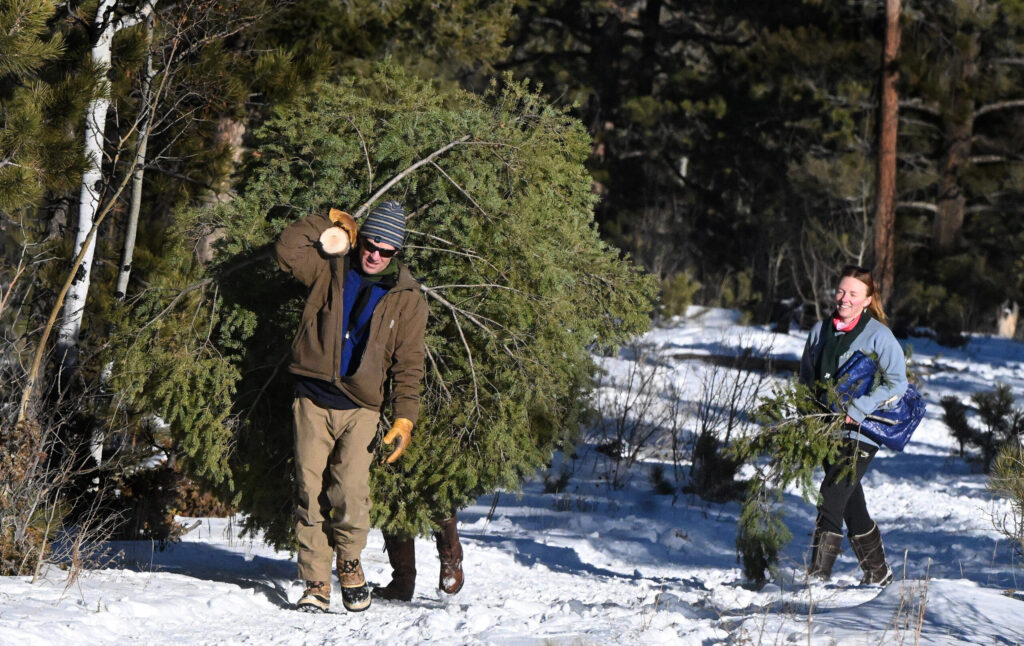
Where to recycle Christmas trees in metro Denver
Sage Kelley
sage-kelley@denvergazette.com
Updated 12 hours ago
The festivities are over, the presents are unwrapped and the snow is, well, not falling. For those who celebrate the Christmas holiday in classic tradition, it’s time to take down the tree and lights — unless you follow the Denver tradition...
Sage Kelley
Reporter

2025 Holiday Events in and around Denver
Carlotta Olson
carlotta-olson@denvergazette.com
Updated 13 hours ago
STAGE Through Dec. 28: Irving Berlin’s “White Christmas” — 7-9 p.m. Fridays-Saturdays, The Butte Theater, 130 E. Bennett Ave., Cripple Creek, go online for prices. Tickets: buttetheater.com. Through Dec. 28: “A Christmas Carol” — Wolf Theatre, Speer Boulevard & Arapahoe Street, Denver,...

Carlotta Olson
Reporter
PREV
PREVIOUS

Hiking Pikes Peak via Barr Trail just got nearly a mile longer
Facebook Twitter WhatsApp SMS Email Print Copy article link Save Facebook Twitter WhatsApp SMS Email Print Copy article link Save Hikers and runners seeking Pikes Peak’s 14,115-foot summit from Barr Trail will have to tack on a bit more distance to their typical 12-mile trip. Construction on the new Summit House will force travelers to […]

Mountain pass closed during search for missing woman in Colorado
Facebook Twitter WhatsApp SMS Email Print Copy article link Save Facebook Twitter WhatsApp SMS Email Print Copy article link Save As you may have heard, a 49-year-old woman named Suzanne Morphew has been missing since Mother’s Day in the Salida area, prompting more than 100 people to join a search and rescue mission. Morphew left […]