







Invasive mussels kept out in 2020, but more boats continue to be contaminated

Courtesy of Colorado Parks and Wildlife
More boats in Colorado than ever before were required to decontaminate due to infestations of destructive mussels in 2020.
CPW warns of invasive mussels found in state pet store product
Despite a record number of boats requiring decontamination, all of Colorado’s lakes and water reservoirs are free of such species due to Colorado Parks and Wildlife’s inspection program that intends to keep out invasive species.
“[CPW] continues to meet the challenge of protecting the state’s waters and infrastructure from aquatic nuisance species,” said Robert Walters, CPW Aquatic Nuisance Species prevention program manager.
“But as boating season approaches we continue to ask for help from boat owners in maintaining our mussel-free status.”
Lake Pueblo State Park to take over wildlife area, expand by 800 acres in April
In 2008, CPW coordinated the ANS program efforts, and last registered a positive test at the Green Mountain Reservoir in Summit County in 2017, officials said.
Since its implementation, there has been continuous monitoring and testing in all of Colorado’s waterways, which has resulted in “three years of subsequent water testing [that] were negative for mussel species.”
Colorado Springs man banned from hunting after poaching spree
The presence of such invasive species such as mussel is destructive to aquatic habitats and can seriously damage reservoir infrastructure and cause problems to boats, CPW officials said.
Throughout 2020, ANS inspectors conducted 647,325 inspections, resulting in 24,771 — 34% higher than 2019 — boats that were suspected of carrying mussels or other invasive species to be decontaminated.
Although inspections skyrocketed in 2020, officials say this has to do with the large number of people seeking the outdoors as a result of the coronavirus pandemic.
Despite the large number of boats requiring decontamination, only 100 were found to contain invasive mussels in 2020, which is up 14 from 2019 and 84 from 2017, CPW officials said.
Officials claim that the majority of boats requiring decontamination are brought into the state from others including Arizona, Utah, Kansas and Nebraska that have infested waters.
Since CPW’s ANS program began in 2008, over 5.6 million boats have been inspected and 144,000 have been decontaminated. CPW will continue its fight to keep Colorado’s water free of invasive species.
“Mussels aren’t going away,” said Walters. “However, by continuing our preventative watercraft inspection program we can keep Colorado’s waters free of invasive mussels.”
Officials are encouraging boat owners to “clean, drain and dry” their boats after each use and inspect trailers and hard to reach spots for evidence of mussels.
Those who have used their boats in other states are expected to tell a boat inspector.
For additional information regarding CPW’s ANS program head to cpw.state.co.us/aboutus/Pages/ISP-ANS.aspx or read the Boater’s Guide to ANS Inspections.


Ballot access, dual-office ban bills move swiftly through Colorado legislature
Marianne Goodland
marianne.goodland@coloradopolitics.com
Updated 18 hours ago
With an eye on the 2026 election cycle and mounting tensions with the Trump administration, Colorado lawmakers are fast-tracking a pair of election bills they say will protect the state’s mail ballot system and tighten rules for elected officials. The...

Marianne Goodland
Reporter

Rural legislators, Colorado farmers defeat pollinator bill backed by Gov. Polis
Marianne Goodland
marianne.goodland@coloradopolitics.com
Updated 2 days ago
A proposal to limit the use of neonicotinoid-coated crop seeds collapsed in the Senate Agriculture and Natural Resources Committee last week, as rural lawmakers, including two Democrats, joined Republicans to reject what they called an expensive, impractical mandate on farmers....
Marianne Goodland
Reporter
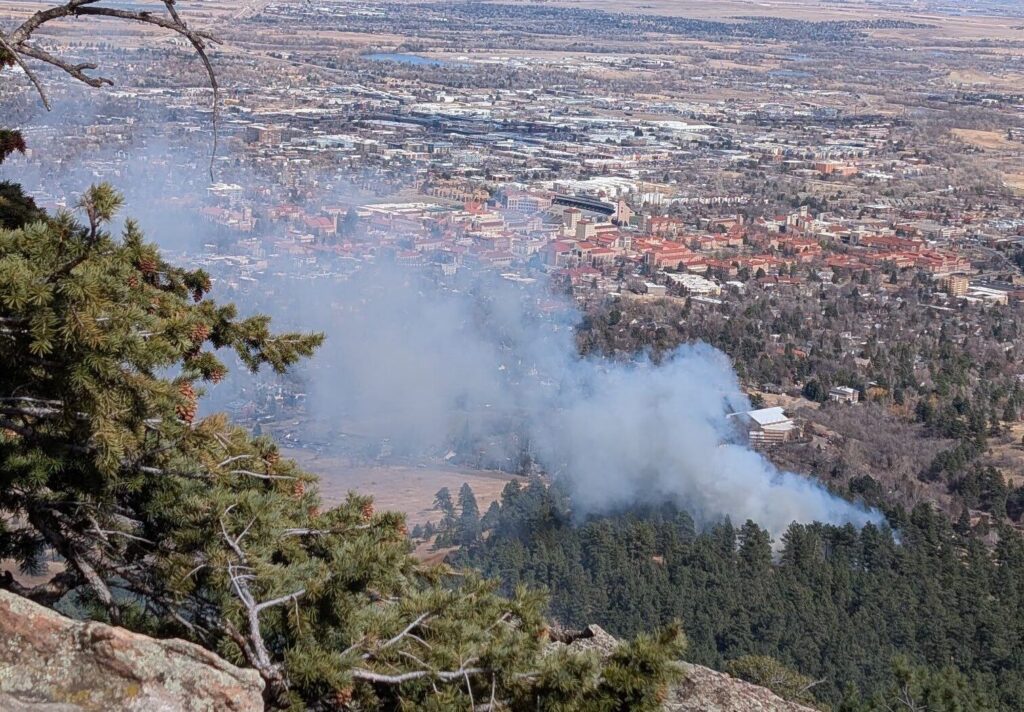
Wildfire near Chautauqua Park is 100% contained, Boulder Fire says
Bernadette Berdychowski
bernadette.berdychowski@denvergazette.com
Updated 3 days ago
The Bluebell fire near Chautauqua Park in southwest Boulder is 100% contained, Boulder Fire announced on X in a post late Saturday afternoon. “There are no active flames and crews are in mop up,” Boulder Fire said. The response team...

Bernadette Berdychowski
Reporter

Weld County wades into data center issue
Maren Prince
maren.prince@denvergazette.com
Updated 3 days ago
A county in Colorado seeks to define data centers and clarify where they can be built. Notably, Weld County wants to keep data centers within an industrial or agricultural zones, according to a news release from commissioners. Any new data...

Maren Prince
Reporter

Denver launches public process to update energy code, extending standards to single-family homes
Scott Weiser
scott-weiser@denvergazette.com
Updated 5 days ago
Denver launched a public process on Feb. 26 to update its energy code for new and renovated small buildings, including single-family homes and duplexes, that would extend efficiency and electrification-readiness standards that began with energy compliance goals for large commercial...

Scott Weiser
Reporter

Polis administration awards $7.2 million to cut emissions from large buildings
Scott Weiser
scott-weiser@denvergazette.com
Updated 6 days ago
The Colorado Energy Office awarded $7.2 million Wednesday to help owners of large buildings across the state pursue high-impact projects that reduce greenhouse gas emissions through improved energy efficiency and electrification. The grants, drawn from federal Climate Pollution Reduction Grant...
Scott Weiser
Reporter
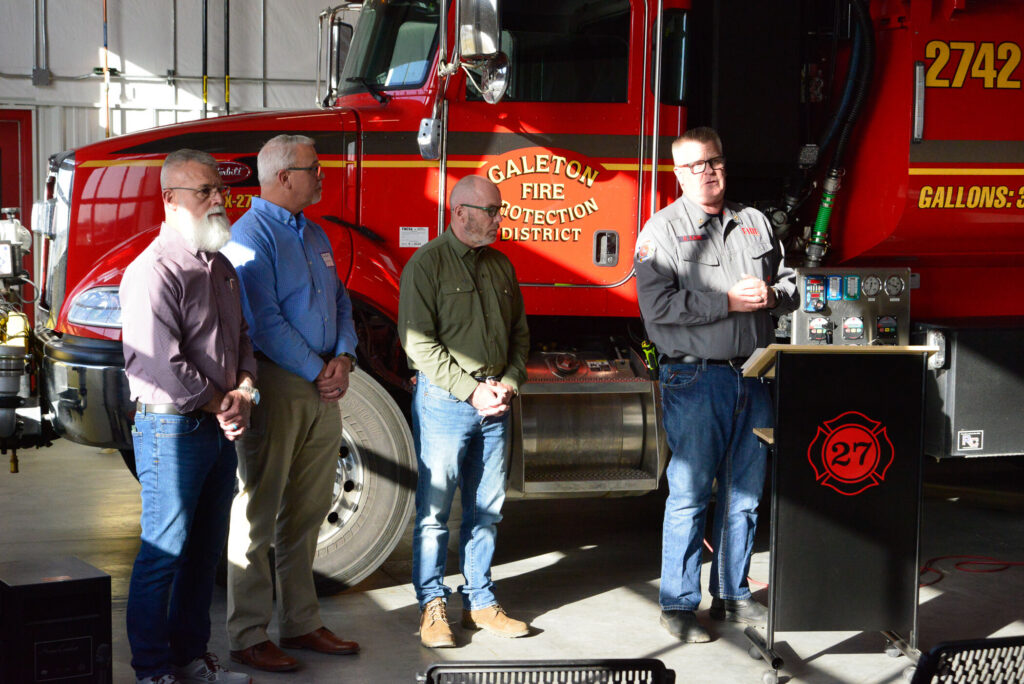
Chevron faces $1.75 million proposed penalty for Galeton Well blowout
Scott Weiser
scott-weiser@denvergazette.com
Updated 6 days ago
The Colorado Energy and Carbon Management Commission proposed a $1.75 million penalty against Chevron for a well blowout last year at the Bishop A07-01 pad near Galeton. The cleanup could take four more years. The 2025 blowout sent contaminated fluids...
Scott Weiser
Reporter

Colorado lawmakers mull competing bills on data centers
Scott Weiser
scott-weiser@denvergazette.com
Updated 1 week ago
A Colorado coalition of data center developers and operators is urging lawmakers to pass a proposal that offers tax breaks to attract large facilities, while calling a competing bill a major obstacle to new investment. Meanwhile, proponents of the latter...
Scott Weiser
Reporter

Colorado joins California in lawsuit to restore federal clean energy funding
Scott Weiser
scott-weiser@denvergazette.com
Updated 1 week ago
Colorado has joined a multi-state lawsuit challenging the Trump administration’s termination of more than $600 million in congressionally approved clean energy grants for Colorado projects, Colorado Attorney General Phil Weiser and California Attorney General Rob Bonta announced Wednesday. The suit,...
Scott Weiser
Reporter
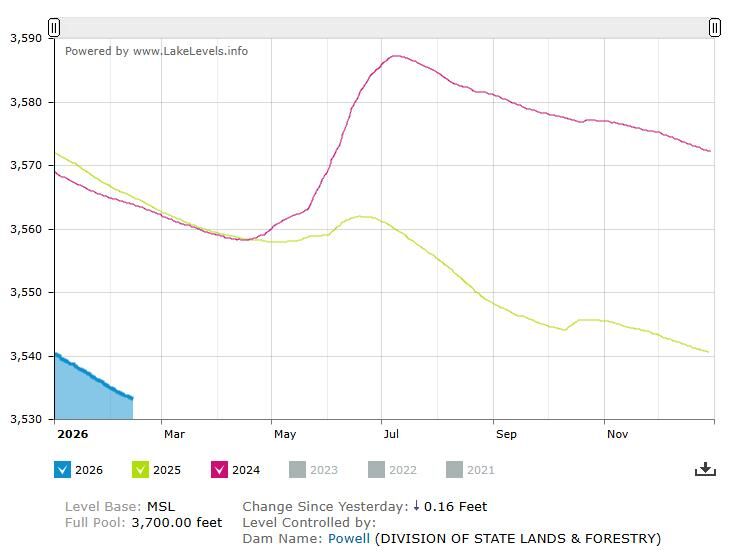
With the deadline missed, Bureau of Reclamation plans to move forward on Colorado River operations
Marianne Goodland
marianne-goodland@denvergazette.com
Updated 2 weeks ago
Feb. 14 was no Valentine for the seven states of the Colorado River, which failed to come up with an agreement by that deadline on how to manage the dwindling water resource beginning Oct. 1. The U.S. Department of the...

Marianne Goodland
Reporter
PREV
PREVIOUS
Several roads reopen at Rocky Mountain National Park after large snowfall
Facebook Twitter WhatsApp SMS Email Print Copy article link Save This past weekend’s massive snowstorm dropped over three feet of snow at Estes Parks and in portions of Rocky Mountain National Park, which forced closures to many of the park’s roads. However, on Tuesday park officials announced the reopening of some of those roads: East […]

Arapahoe County announces inaugural 5K walk/run trail series
Facebook Twitter WhatsApp SMS Email Print Copy article link Save Facebook Twitter WhatsApp SMS Email Print Copy article link Save Calling all walkers and runners! Arapahoe County officials announced a 5K walk/run trail series that is intended to celebrate the county’s open spaces, fitness and good health along the thriving local trails. The inaugural run […]