Colorado scientists use AI for improved wildfire forecasts
A new technique developed by the National Center for Atmospheric Research (NCAR) uses artificial intelligence to efficiently update the vegetation maps used by wildfire computer models to more accurately predict fire behavior and spread.
“One of our main challenges in wildfire modeling has been to get accurate input, including fuel data,” NCAR scientist and lead author Amy DeCastro said in a release. “In this study, we show that the combined use of machine learning and satellite imagery provides a viable solution.”
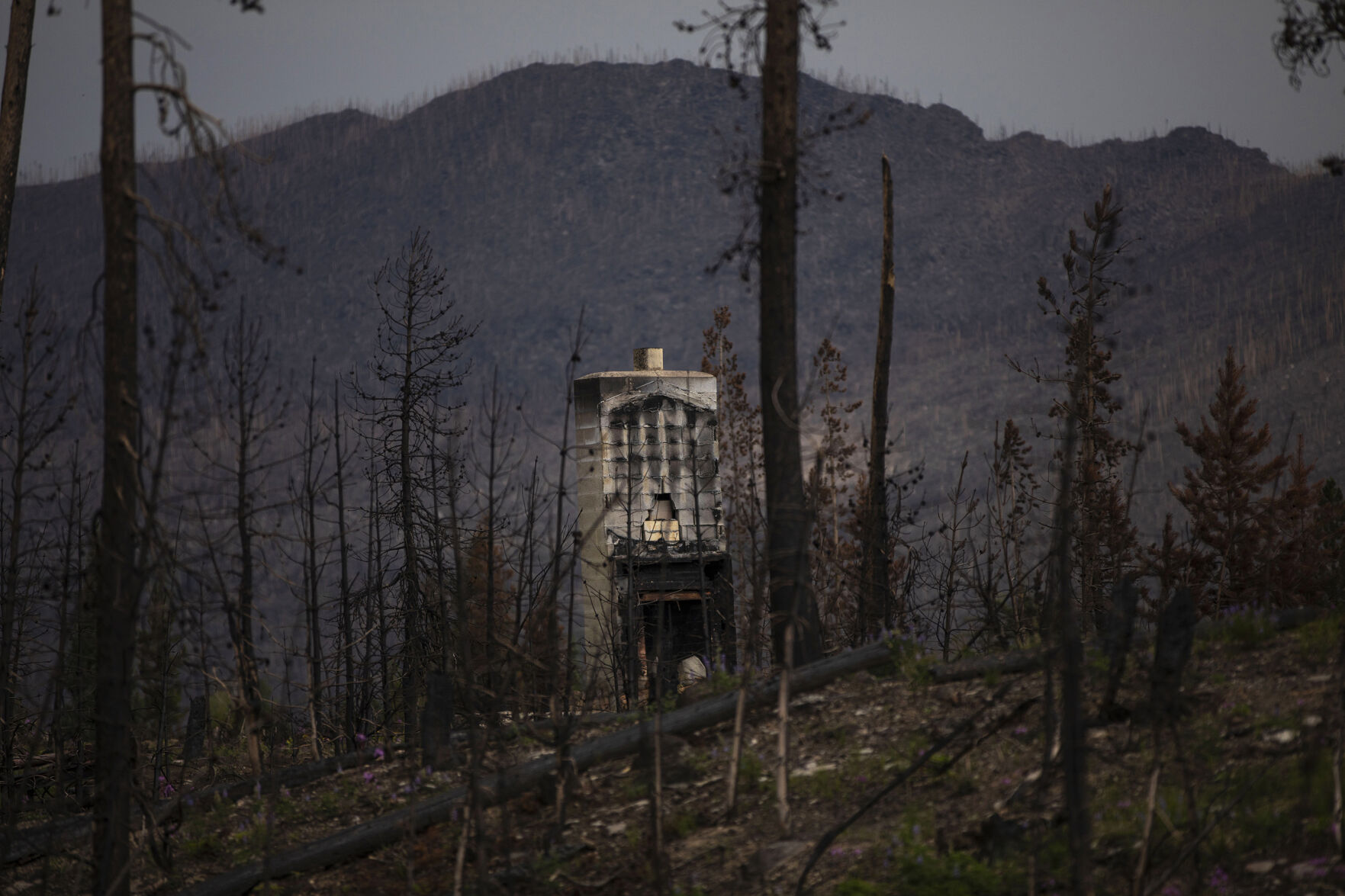
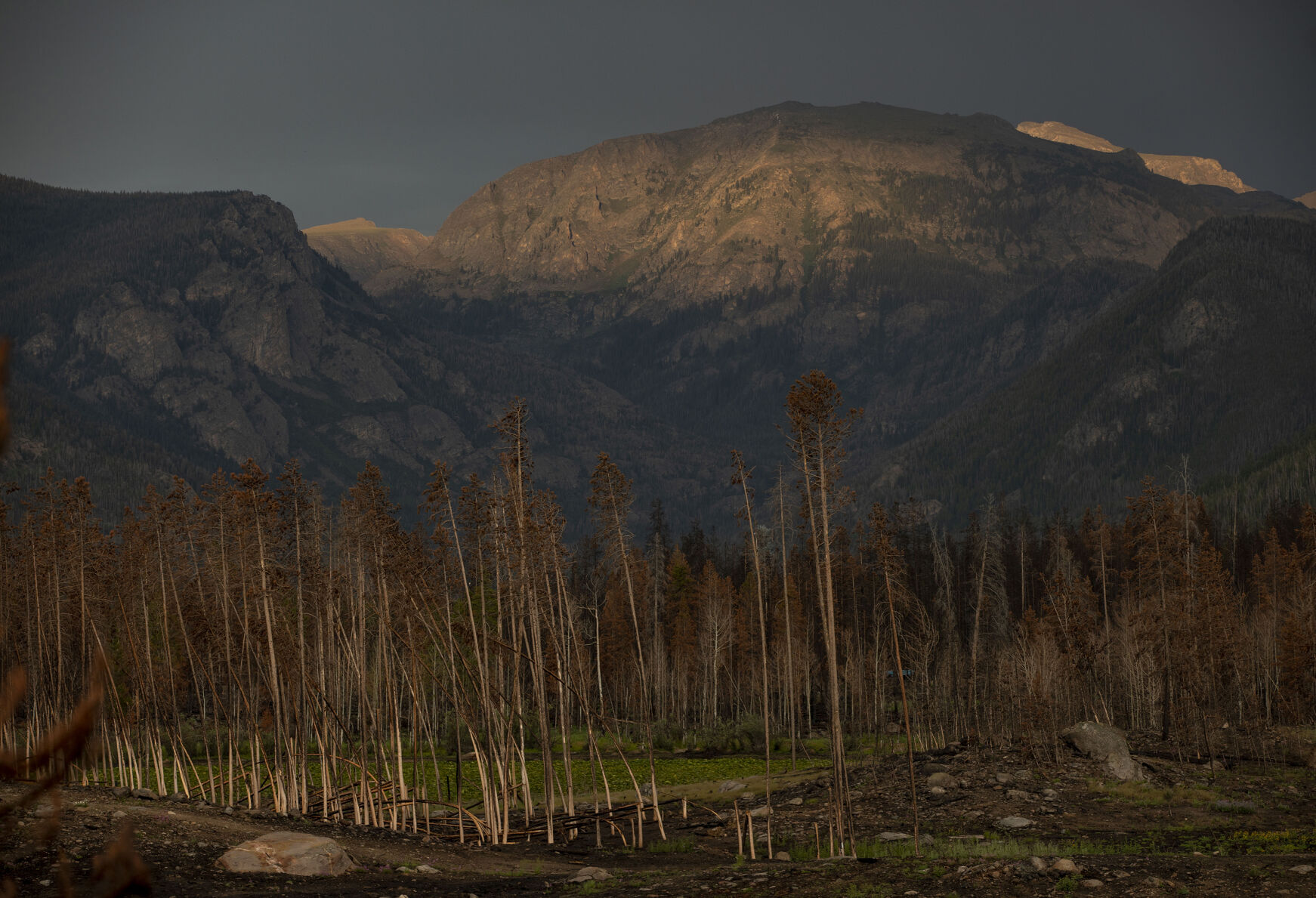
Scientists demonstrated the method using the 2020 East Troublesome Fire, which burned through forest that was mischaracterized in fuel inventories as being a healthy forest, the agency said.
Researchers compared simulations of the fire generated by a state-of-the-art wildfire behavior model developed at NCAR using both the standard fuel inventory for the area and one that was updated with AI. The simulations that used the AI-updated fuels did a significantly better job of predicting the area burned by the destructive fire, which ultimately grew to more than 190,000 acres of land on both sides of the continental divide.
The new research at NCAR is part of a larger trend of investigating possible AI applications for wildfire, including efforts to use AI to more quickly estimate fire perimeters. NCAR researchers are also hopeful machine learning may be able to help solve other challenges for wildfire behavior modeling.
“We have so much technology and so much computing power and so many resources at our fingertips to solve these issues and keep people safe,” said NCAR scientist Timothy Juliano, a study co-author. “We’re well positioned to make a positive impact; we just need to keep working on it.”
Colorado scientists use AI for improved wildfire forecasts
A new technique developed by the National Center for Atmospheric Research (NCAR) uses artificial intelligence to efficiently update the vegetation maps used by wildfire computer models to more accurately predict fire behavior and spread.
“One of our main challenges in wildfire modeling has been to get accurate input, including fuel data,” NCAR scientist and lead author Amy DeCastro said in a release. “In this study, we show that the combined use of machine learning and satellite imagery provides a viable solution.”
Colorado receives $5.1 million federal investment to address wildfires
Scientists demonstrated the method using the 2020 East Troublesome Fire, which burned through forest that was mischaracterized in fuel inventories as being a healthy forest, the agency said.
Researchers compared simulations of the fire generated by a state-of-the-art wildfire behavior model developed at NCAR using both the standard fuel inventory for the area and one that was updated with AI. The simulations that used the AI-updated fuels did a significantly better job of predicting the area burned by the destructive fire, which ultimately grew to more than 190,000 acres of land on both sides of the continental divide.
The new research at NCAR is part of a larger trend of investigating possible AI applications for wildfire, including efforts to use AI to more quickly estimate fire perimeters. NCAR researchers are also hopeful machine learning may be able to help solve other challenges for wildfire behavior modeling.
“We have so much technology and so much computing power and so many resources at our fingertips to solve these issues and keep people safe,” said NCAR scientist Timothy Juliano, a study co-author. “We’re well positioned to make a positive impact; we just need to keep working on it.”
Colorado receives $5.1 million federal investment to address wildfires