





Colorado Gators rebuilding after April fire

Colorado Gators manager Erin Young holds a red-footed tortoise named Thing 4 on Thursday, June 8, 2023. The tortoise was one of the few survivors of a structure fire that killed more than 100 animals in April. Young pulled the tortoise from the wreckage. (Parker Seibold, The Gazette)
Parker Seibold


A manager of Colorado Gators and Reptile Park in Alamosa thought she was pulling a dead tortoise from the wreckage of a burned building where more than 100 animals died in April.
But Thing 4, a red-footed tortoise, had survived the fire by burrowing under another exhibit in the reptile barn and poked his head out when Erin Young found him.
Thing 4 was one of the few survivors of an electrical fire that broke out in the reptile barn around 4 a.m. April 18. It was discovered by an employee who lives on-site at the attraction that features alligators, many reptile species and other surrendered exotic pets.
By the time Young and others reached the fire from across the street, no one could get into the building because of the smoke, she said.
“We could open the doors, but we couldn’t get in at all,” she said.
The fire got into the spray foam insulation and the large barn that was converted to take care of rescued animals could not be saved, she said. The survivors included nine tortoises, a lizard in a water exhibit and some grumpy dwarf caiman that the firefighters helped pull out of their water tanks, she said. After, a short break to grieve and work on facilities the park reopened on April 29.
Now owners of Colorado Gators are planning to demolish the burned-out shell of a barn and rebuild a larger structure that will be purpose-built to care for animals, Young said.
In the months since the fire, the requests for help from pet-owners who can no longer care for exotic pets have come in as always, Young said.
Colorado Gators staff have advised most owners that they can’t take additional animals right now, she said, but they have made exceptions for those in dire situations, such as a family that could no longer take care of a lizard because they were going to be homeless.
The Colorado Gators staff have seen the exotic pet fad cycles since starting to take them in around 1990 and since then requests have come in from around the country, Young said.
One of their largest rescues was a 10-foot-long, 350-pound alligator living in a Chicago basement.
“He sent an electrician down to the basement and forgot to mention there’s a big alligator in the basement and the electrician was not impressed,” she said.
Now that alligators are illegal in most places, Colorado Gators staff don’t see as many. Instead, they take in their cousins, caiman, Young said.
The Colorado Gators staff works to educate visitors on their pet choices, because not all reptiles for sale in stores make good pets, even though they may be cute when they are little.
For example, the staff has seen a string of requests from reticulated python owners who can no longer care for the snakes that get big fast and tend to be aggressive.
While Colorado Gators is rebuilding its new structures, the staff works to give distressed pet owners other options, such as pet shops, she said.
While the timeline for the new building depends on insurance coming through, Young said, the staff expects to return to their policy of taking in as unwanted pets as possible.
“We love the animals. It’s not their fault that people didn’t research the kind of pet that they got,” she said.

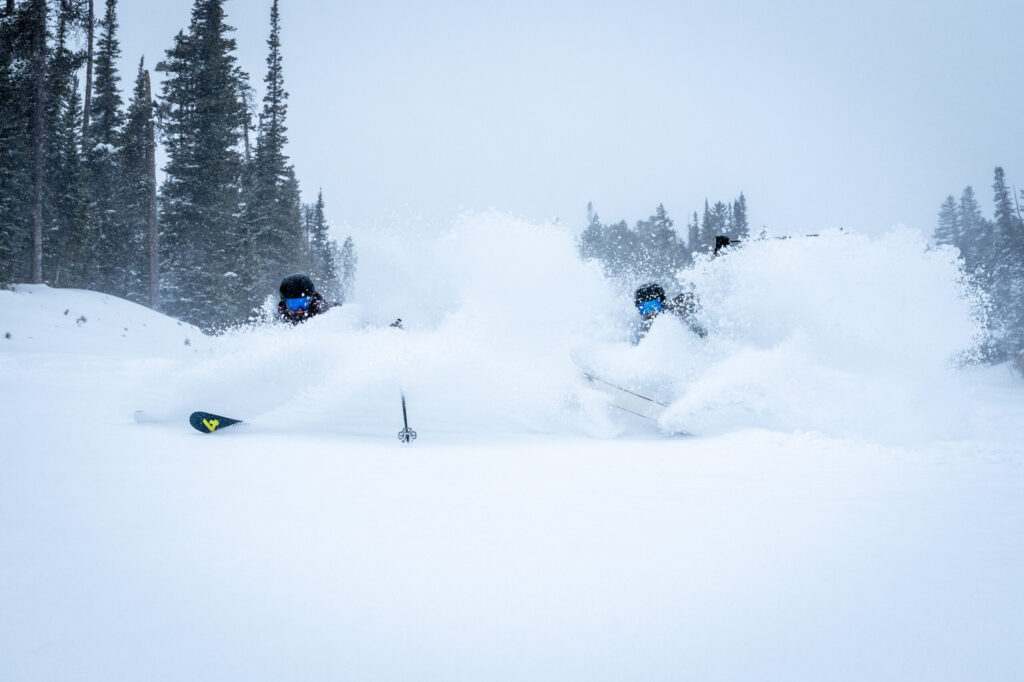
Large weekend storm drops 33″ of snow at one Colorado spot, snowpack doubles over 7 day stretch
Jonathan Ingraham
jonathan.ingraham@denvergazette.com
Updated 60 minutes ago
The first big snow storm of winter 2025-26 for Colorado dropped about 10-20 inches in the northern mountains, 8-14 inches in the central mountains and 3-8 inches in the southern mountains. Colorado’s snowpack doubled in both median average and snow...

Jonathan Ingraham
Reporter
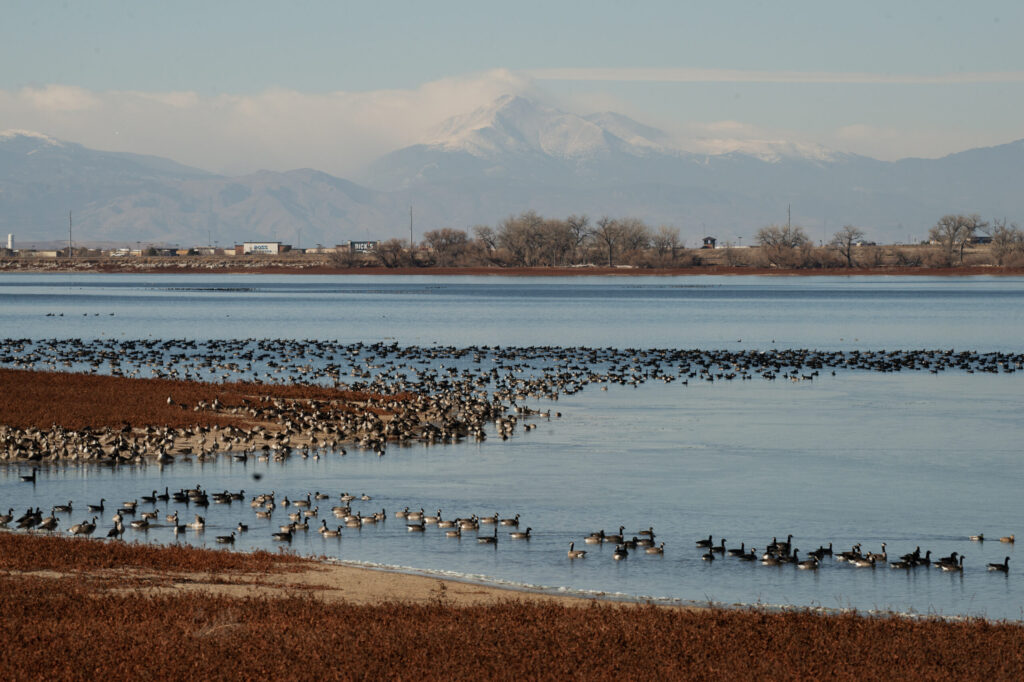
Denver weather: More melting on Monday as temperatures climb
Jonathan Ingraham
jonathan.ingraham@denvergazette.com
Updated 1 hour ago
Melting snow will continue Monday across metro Denver as the sun is forecast to come out in full as temperatures push into the 50s today. Denverites can expect sunny skies, with a high near 53 today, according to the National...
Jonathan Ingraham
Reporter
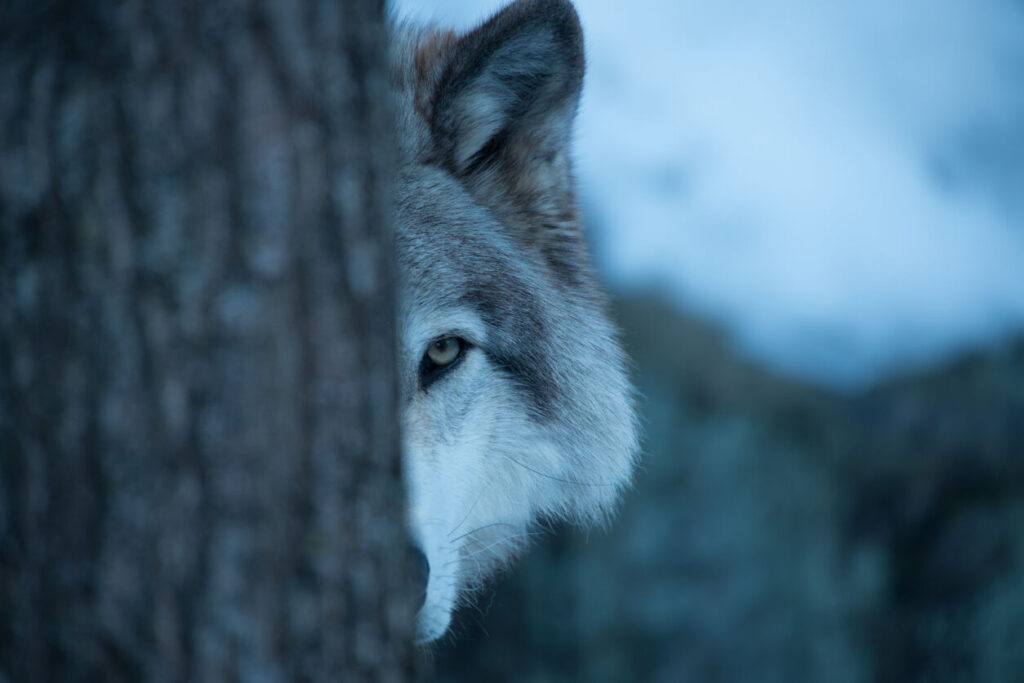
EDITORIAL: Another sign wolf reintroduction needs to halt
The Gazette Editorial Board
thegazette-editorial-board@gazette.com
Updated 3 days ago
Five years after Coloradans voted by a razor-thin margin to reintroduce wolves to Colorado, they are right to look at the job state officials and agencies have done and ponder whether this a dog that just doesn’t hunt. Amid criticism...

The Gazette Editorial Board
Reporter

Ag industry can’t surrender the keys to the Kingdom
Rachel Gabel
rachel-gabel@denvergazette.com
Updated 3 days ago
Animal agriculture, ranching, hunting, and farming are not dying ways of life. The cowboy is not about to ride off into the sunset and certain extinction. Beef is not going to be replaced by cultured meat, any variety of bugs,...

Rachel Gabel
Reporter
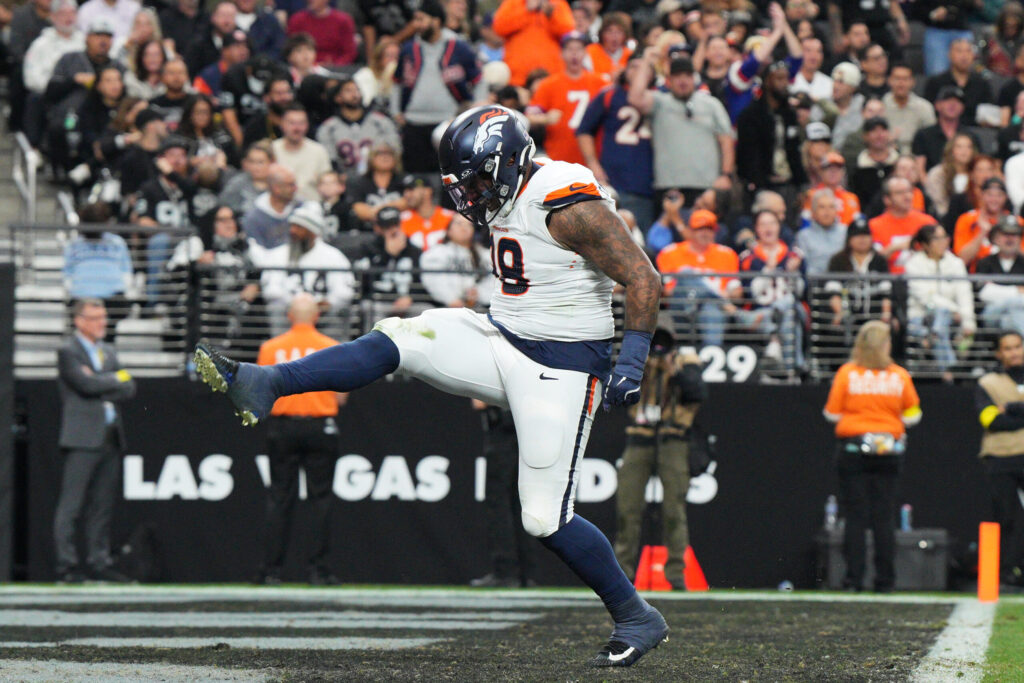
Denver Broncos ready to ‘test our stuff’ as schedule toughens after 10th straight win
Chris Tomasson
chris.tomasson@gazette.com
Updated 7 hours ago
LAS VEGAS – During their 10-game winning streak, the Broncos have fattened up against some losing foes. The schedule, though, is about to change. The Broncos (11-2) next Sunday will face Green Bay (9-3-1) at home in a battle of...

Chris Tomasson
Reporter

Broncos’ Harvey steals spotlight from first-round pick Jeanty in Week 14 win
Kyle Fredrickson
kyle-fredrickson@denvergazette.com
Updated 9 hours ago
LAS VEGAS — RJ Harvey stole the show from Ashton Jeanty. The Broncos defeated the Raiders, 24-17, on Sunday at Allegiant Stadium in a clash of rookie running backs. Las Vegas selected Jeanty at No. 6 overall (first round) out of Boise State. Denver picked Harvey at No....

Kyle Fredrickson
Reporter

Mark Kiszla: How Bo Nix has become the Wayne Newton of NFL QBs, singing all the hits he knows by heart
Mark Kiszla
mark-kiszla@denvergazette.com
Updated 11 hours ago
LAS VEGAS – Paying tribute to Mr. Las Vegas, Broncos quarterback Bo Nix followed the tried-and-true showbiz rule of Wayne Newton. When bringing your act to the bright lights of the Strip, the audience demands you play the greatest hits....

Mark Kiszla
Reporter

Sparked by Marvin Mims’ first career punt return for TD, Broncos roll to 24-17 win over Raiders
Chris Tomasson
chris.tomasson@gazette.com
Updated 11 hours ago
LAS VEGAS – The Broncos are winning big these days, so it was only appropriate Marvin Mims Jr. did the Mile High Salute on Sunday. The wide receiver did so after his 48-yard punt return for a touchdown in the...
Chris Tomasson
Reporter
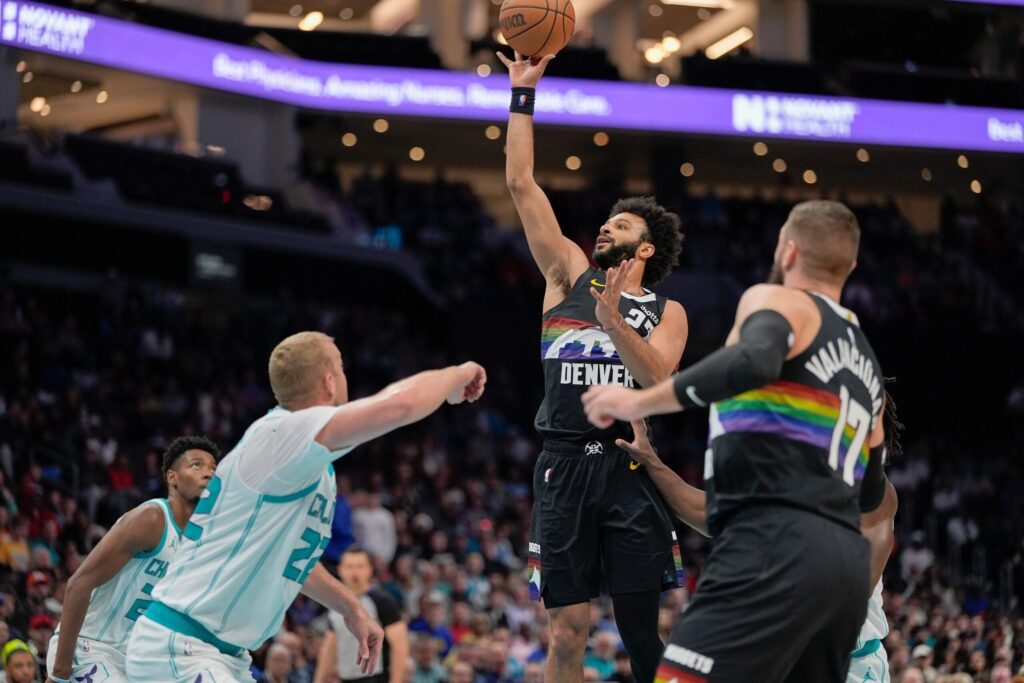
Nikola Jokic passes Michael Jordan on NBA’s assists list as Nuggets add 10th straight road win | 3 takeaways
Vinny Benedetto
vinny-benedetto@denvergazette.com
Updated 10 hours ago
The Nuggets probably were buzzing on the flight back from Charlotte after extending the franchise-record road winning streak to 10 games. Here are three takeaways from Denver’s 115-106 win over the Hornets on Sunday at Spectrum Center: 1. For a...

Vinny Benedetto
Reporter

Broncos WR Marvin Mims returns punt for ‘clutch’ touchdown in road win over Raiders
Kyle Fredrickson
kyle-fredrickson@denvergazette.com
Updated 10 hours ago
LAS VEGAS — A buzz started growing on the Broncos’ sideline when Marvin Mims dropped back to return a punt against the Raiders. “We talked about it: Marvin is going to break through and score him a touchdown,” cornerback Patrick...
Kyle Fredrickson
Reporter