







Arts community reeling from new federal funding directives
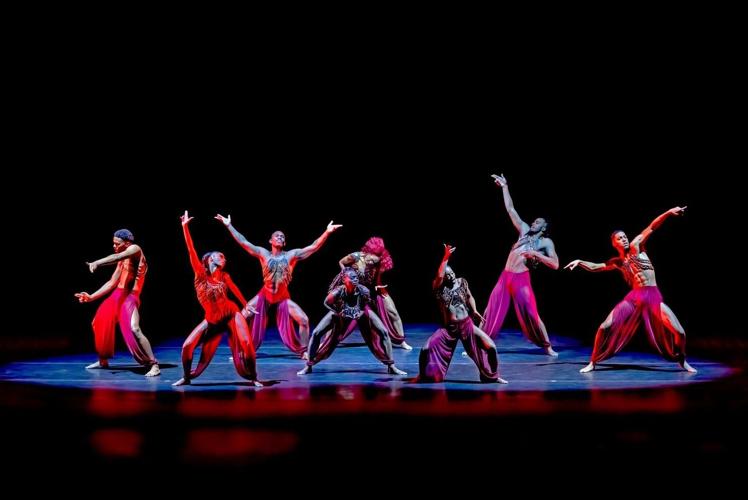
Courtesy photo, Bonfils-Stanton Foundation

Artists and arts organizations are speaking out in defiant response to the Trump administration’s newly announced directives regarding eligibility for funding from the National Endowment for the Arts.
On Monday, the NEA posted new guidelines for its grant programs stipulating that federal funds may no longer be used for arts projects that promote “diversity, equity and inclusion” or “gender ideology.”
And that, said Arvada Center President and CEO Philip Sneed, “is anti-democratic. It is anti-American. And it is anti-constitutional. This will have a chilling effect on freedom of speech. It is wrong in every way.”
The new Trump-backed leaders of the NEA have abruptly canceled the organization’s “Challenge America” grants, which have long supported small arts organizations that primarily serve children and rural communities, veterans, people with disabilities and other historically excluded groups. For example, the Aspen Santa Fe Ballet, which is using an NEA grant to support an after-school program based in Mexican Folklórico dance.
Instead, the NEA will prioritize programs that celebrate the upcoming 250th anniversary of the United States. To Sneed, that means “they are turning the federal arts agency into a jingoistic propaganda machine – and I really hate it.”


The Aspen Santa Fe Ballet recently was awarded an NEA grant for an after-school program that would incorporate Mexican Folklórico dance.
The new orders and their potential ripple effects – including President Trump declaring himself the new chairman of the Kennedy Center, are stirring confusion, concern and outrage.
“The arts are a human right, serving all people in our community,” the Denver-based Bonfils-Stanton Foundation said Wednesday in a collective statement.
“Art and culture belong to us all – including the poor, the broken, the disenfranchised, the forgotten and the unnamed. Its economic and cultural benefits to society are vast and profound. A polarized nation needs art more than ever to bridge the misunderstandings that create ‘the other.’ ”


Every three years, all 10,000 square feet of the Arvada Center’s galleries are filled with the work of Colorado artists. The 2025 open call, for ‘Art of the State,’ running through March 30, garnered 2,503 submissions by 911 artists. Of those, 148 artworks were selected by 145 artists. President and CEO Philip Sneed called efforts to curtain federal support for the arts ‘wrong in every way.’
Bonfils-Stanton does not seek nor receive federal funding. It’s a private arts funder that has distributed more than $90 million in grants since 1981. That, President and Executive Director Gary Steuer said, gives the organization both “the freedom and the flexibility to use our voice, and to reaffirm our commitment to our values in the face of those things that are really threatening those values.”
Days before Trump’s second inauguration, the NEA announced its latest 1,474 awards totaling $36.8 million to support specific arts projects in all 50 states, including 22 in Colorado totaling $435,000. Now those same companies are wondering if they still qualify for those approved grants – though it is believed that the new guidelines will apply to 2026 project proposals.
Creating further anxiousness, Steuer said, is new language in the NEA’s grant applications that says any recipient organization must fully comply with all current Trump executive orders to receive grants. Two weeks ago, Trump banned DEI in all federal programs. That means any organization that accepts NEA money must not promote DEI in any of its day-to-day business, such as programs honoring Black History Month, Steuer said.
“Every arts organization that relies on federal funding is going to have some decisions to make,” Steuer said. “Some of them might comply. Some might feel like they simply can’t sign the contract, and will no longer accept federal funding. Or they might decide, ‘I’m just going to keep doing the work, and let them come after me.’ Every organization is going to make some decisions about how much risk they are willing to take on.”
Look no further than PBS, which today announced it is shutting down its DEI office because, CEO Paula Kerger said, the network receives about 16% of its funding from the Department of Education and National Science Foundation.
If that is the case, Sneed said: Game on.
“We are not going back, to borrow a phrase,” Sneed said. “No, we are not going to back away from our commitment to DEI, and if that means we have to forego NEA funding – so be it.”
Since 1965, the NEA has supported specific projects largely in service to underserved communities, many of which would likely fall under the contemporary umbrella known as DEI.
For example, one of the NEA’s first grant recipients in 1966 supported a performing-arts festival that gathered 75 Native American performers from 31 tribes.
Among the NEA’s newest round of recipients is Denver’s Cleo Parker Robinson Dance, a legendary African American company that was approved for $25,000 to present an evening celebrating the works of several legacy Black dance choreographers. Boulder’s Motus Theatre was to receive $35,000 to develop and tour “Youth Behind & Beyond Bars: Stories from the Juvenile Justice System,” a series of monologues written by system-impacted youth. Because Motus is primarily project-based, Steuer said, “The threat to that company is existential – and it will be for other arts groups that are impacted by this as well.”
Betty Hart, president of the Colorado Theatre Guild and director of Local Theater Company’s upcoming world-premiere play “Chasing Breadcrumbs,” believes the NEA’s actions will have negative ramifications for some time to come.
“This makes me concerned about the arts nationally because serving the community with art is a benefit, and to put a clause in there saying, ‘These funds have to go toward celebrating the semiquincentennial’ makes me wonder why people are so afraid of the arts when the arts have been repeatedly shown to benefit society psychologically, emotionally and economically,” said Hart, also Local’s co-artistic director. “And we were there for the world during the pandemic.”
The NEA was founded in 1965 under President Johnson as an independent agency of the U.S. federal government to offer funding for projects exhibiting artistic excellence. Funding over the years has ebbed and flowed, but the Biden administration brought about the largest-ever increase to the NEA’s budget at $207 million. That is just 0.004% of a $9 billion federal budget.
Sneed says if it comes to a fight, then it is time to fight.
“We can’t let ourselves be bullied,” he said.
A national response gathering
The national Theatre Communications Group is hosting an emergency online panel to discuss how Trump’s moves will affect the theater ecology on Feb. 19. “This virtual gathering is an opportunity to build our solidarity and collective power to respond,” the TCG said in a statement. Go to tcg.org to register.
Meanwhile, at the Kennedy Center
Trump was elected chairman of the Kennedy Center board Wednesday after replacing 14 board members with loyalists, including the wife of Vice President JD Vance. In response, Kennedy Center President Deborah Rutter announced her immediate resignation. Trump then named Richard Grenell, who has no background in the arts or arts administration, as interim president.
“Much like our democracy itself, artistic expression must be nurtured, fostered, prioritized and protected. It is not a passive endeavor,” Rutter said. “Indeed, there is no clearer sign of American democracy at work than our artists, the work they produce, and audiences’ unalienable right to actively participate.”
Among those stepping down from positions within the Kennedy Center in the wake of these appointments included Board treasurer Shonda Rhimes (TV producer), National Symphony Orchestra artistic advisor Ben Folds (recording artist), and artistic advisor at-large Renée Fleming (opera superstar).
Fleming praised David Rubenstein, whom Trump replaced as chair, as “the greatest patriot I know.”
According to Playbill, the Kennedy Center president is typically tasked with programming choices, while the board chair usually acts in an advisory capacity. But that was before Trump, who, according to CBS News, plans to ban “woke culture” from the Kennedy Center, including drag shows.
“It is a great honor to be chairman of The Kennedy Center, especially with this amazing Board of Trustees,” Trump wrote on Truth Social. “We will make The Kennedy Center a very special and exciting place!”
On Wednesday, nearly 4,000 people had signed an online petition asking Trump to reverse course, calling his self-appointment “censorship, plain and simple.”
John Moore is The Denver Gazette’s senior arts journalist. Email him at john.moore@gazette.com

Denver area events for Feb. 20
Carlotta Olson
carlotta-olson@denvergazette.com
Updated 17 hours ago
If you have an event taking place in the Denver area, email information to carlotta.olson@gazette.com at least two weeks in advance. All events are listed in the calendar on space availability. Friday Steel Society — With Driven by Turmoil, Voodoo, 7 p.m.,...

Carlotta Olson
Reporter
The Braun brother arrives
John Moore
john.moore@denvergazette.com
Updated 8 hours ago
For this tight-knit basketball brood representing the Nuggets and Roadrunners, it’s family first It’s wild to think that Christian and Landon Braun, two tightly bonded basketball brothers from Burlington, Kan., play their home games about 1,000 feet apart in Denver....
John Moore
Reporter
ABA series screening soars ‘above the rim’
John Moore
john.moore@denvergazette.com
Updated 8 hours ago
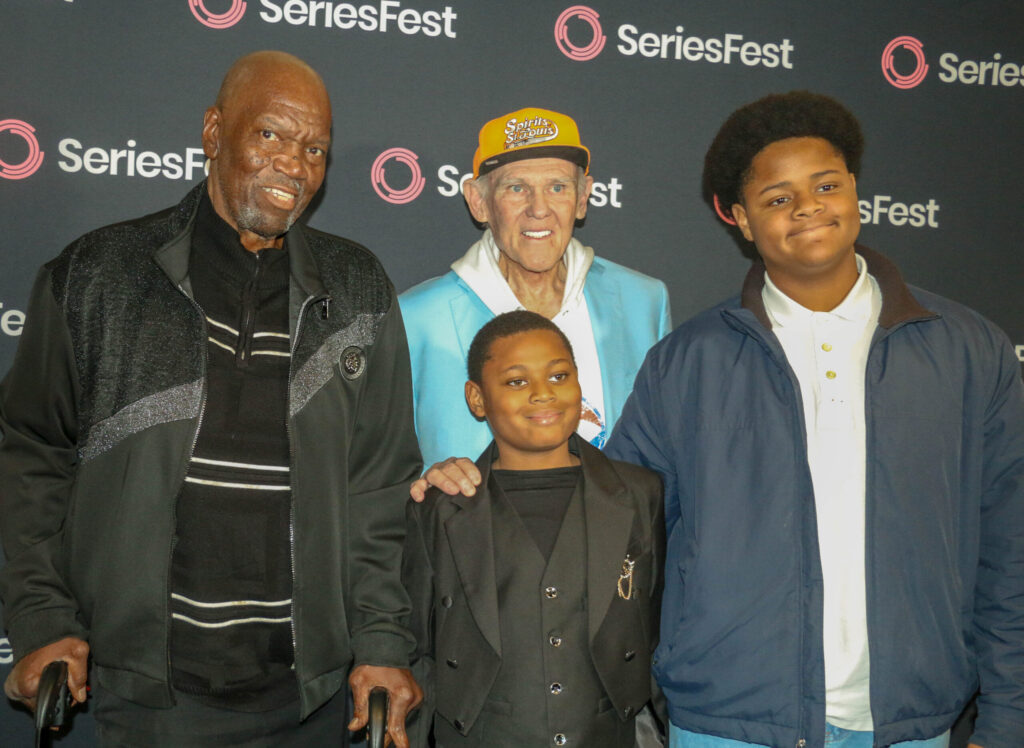
‘Soul Power’ gathering brings players, fans, family and media to sold-out Sie FilmCenter for nostalgic look back at Denver’s renegade basketball past “Bring back the ball!” That was Hall of Fame coach George Karl’s message to the NBA at Wednesday’s...
John Moore
Reporter
Denver area events for Feb. 19
Carlotta Olson
carlotta-olson@denvergazette.com
Updated 24 hours ago
If you have an event taking place in the Denver area, email information to carlotta.olson@gazette.com at least two weeks in advance. All events are listed in the calendar on space availability. Thursday Matthew Fuller Quintet — 6:30-7:45 p.m. and 8:30-9:45 p.m., Nocturne...
Carlotta Olson
Reporter
Colorado arts community mourns three
John Moore
john.moore@denvergazette.com
Updated 23 hours ago
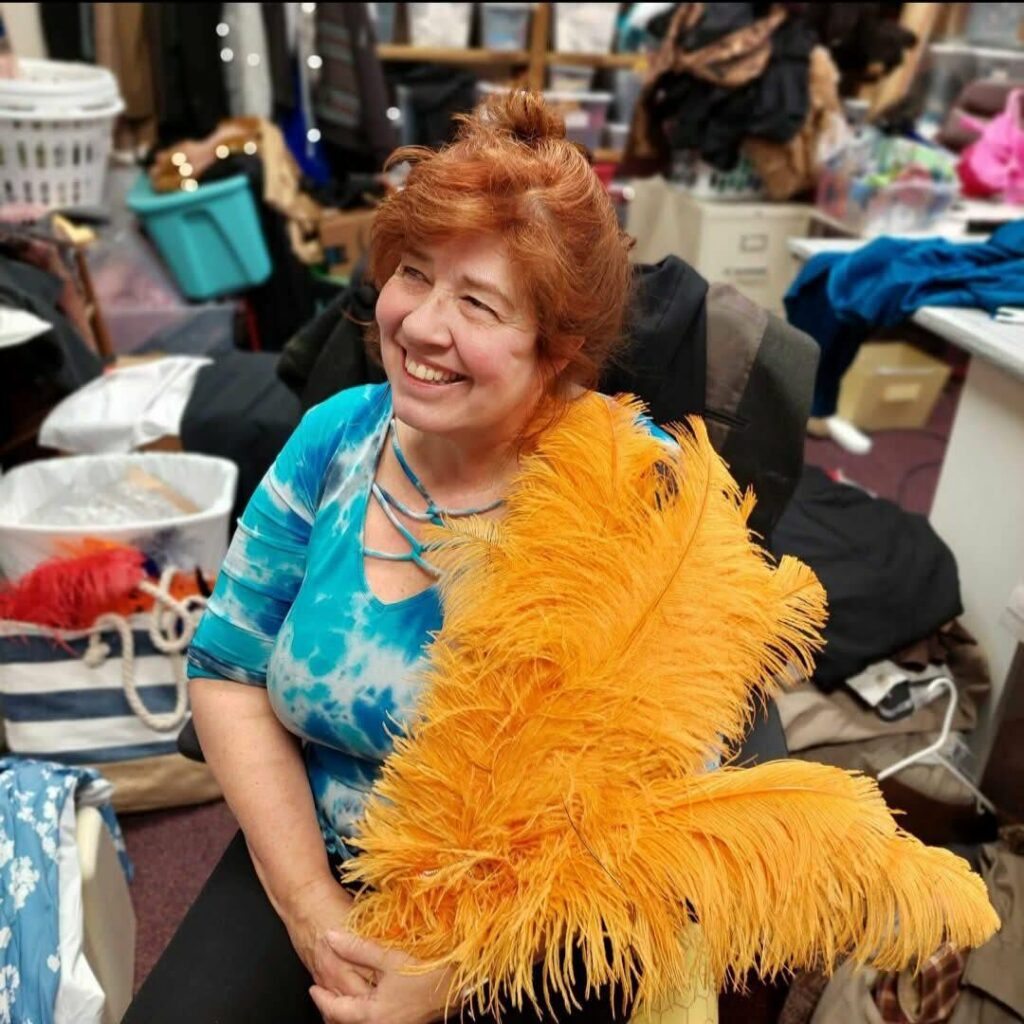
Ken Walker, Debra Faber and Janelle Orsborn remembered fondly To Dazzle Denver, bassist Ken Walker was family. For more than two decades — we’re talking 250 consecutive months of final Fridays — Walker and his sextet commanded the Dazzle stage....
John Moore
Reporter
Josh Blue to headline new 2-week comedy festival in downtown Golden
John Moore
john.moore@denvergazette.com
Updated 17 hours ago
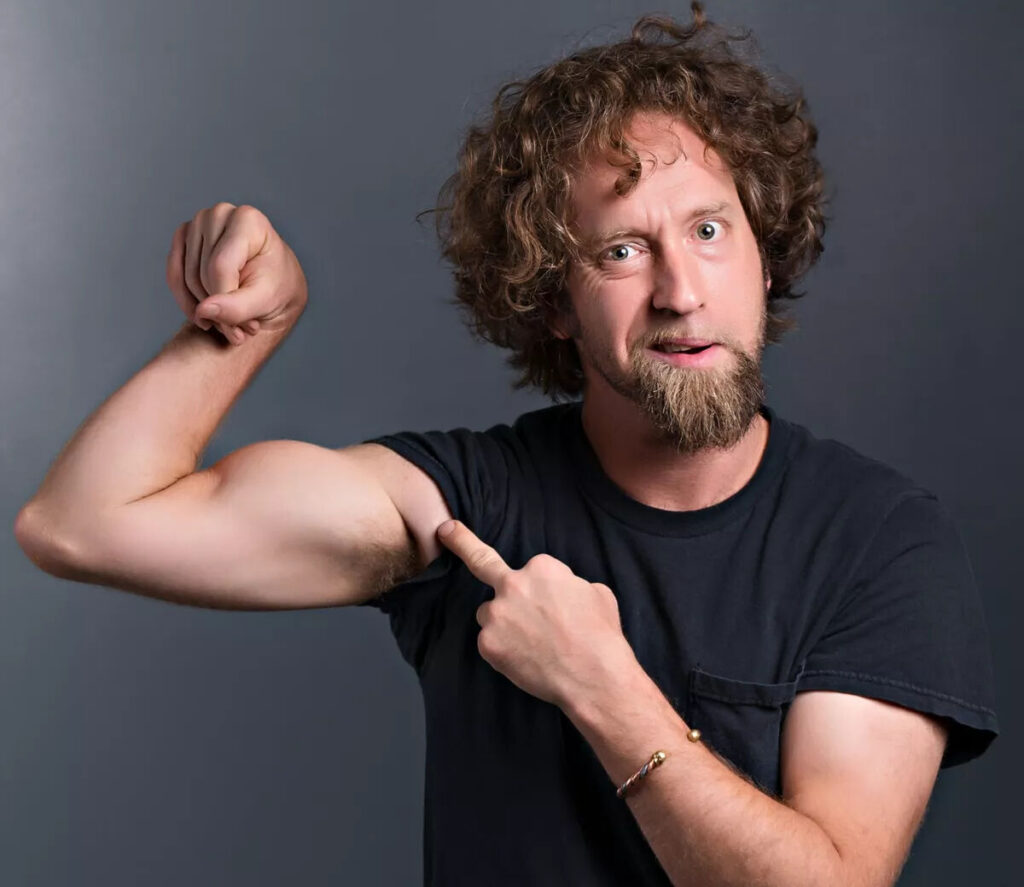
Arts news of the week includes Josh Blue; a new musical written by a Coloradan and an Indigo Girl; and: Why Nirvanna is spelled just right. The Miners Alley Performing Arts Center is expanding its scope and commitment to community...
John Moore
Reporter
Weekend things to do around Denver: Cripple Creek Ice Festival and more
Emily Bejarano
emily-bejarano@gazette.com
Updated 1 day ago
No plans for the upcoming weekend? There’s still plenty of action happening around Denver and beyond to get folks off the couch. Each Thursday, explore Denver’s essential weekend events curated by The Denver Gazette. Dive into cultural experiences and entertainment...

Emily Bejarano
Reporter
Denver Botanic Gardens reveals 2026 concert lineup
Alexander Kirk
alexander-kirk@denvergazette.com
Updated 1 day ago
The music is returning to the gardens this summer. Denver Botanic Gardens announced the 2026 schedule for its annual Summer Concert Series. This year’s lineup expands to 14 dates, with Grace Potter, Allen Stone, Soccer Mommy, Chris Botti, Judy Collins with...

Alexander Kirk
Reporter
Denver museum unveils major expansion plans for longtime exhibit hall
9News
9news@denvergazette.com
Updated 2 days ago
The Denver Museum of Nature & Science is set to transform its Gems & Minerals Hall with a 50% expansion. DENVER — The Denver Museum of Nature & Science is preparing a renovation of one of its permanent exhibit halls....

9News
Reporter
Denver area events for Feb. 18
Carlotta Olson
carlotta-olson@denvergazette.com
Updated 2 days ago
If you have an event taking place in the Denver area, email information to carlotta.olson@gazette.com at least two weeks in advance. All events are listed in the calendar on space availability. Wednesday “Romeo and Juliet” — 1 and 7:30 p.m., Arvada Center...
Carlotta Olson
Reporter
PREV
PREVIOUS
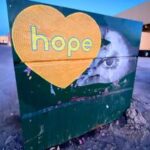
What began as Denver street art became a worldwide phenomenon
Koko Bayer, born in France, was unaware of the American traditions of Valentine’s Day until moving to Evergreen, Colorado at age 7. As an adult, she more than made up for lost Valentine time by creating her nearly 1,000 large, eye-catching, yellow-and-magenta-pinstriped hearts. She pasted the big hearts publicly starting in Denver, then in various […]
Weekend things to do around Denver and beyond: All breed dog show in Denver and more
Each Thursday, explore Denver’s essential weekend events curated by The Denver Gazette. Dive into cultural experiences and entertainment delights across the city. Whether you enjoy art galleries, pottery, or outdoor sports, there’s something for everyone in Denver’s vibrant cultural scene. To submit an event for consideration, email listings@gazette.com. THURSDAY-SUNDAY It’s the oldest kennel club in the […]