





Vince Bzdek: The distinct personalities and pull of Colorado’s many mountain ranges
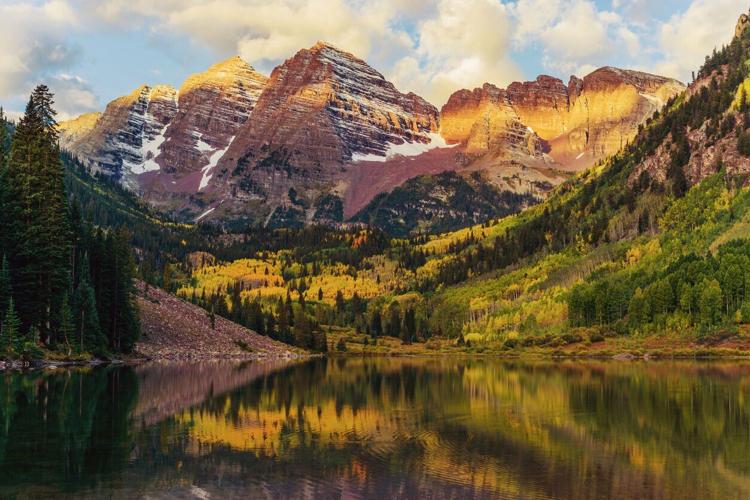
Maroon Bells Scenic Area is seen at sunrise.
Xsandra via iStock.com
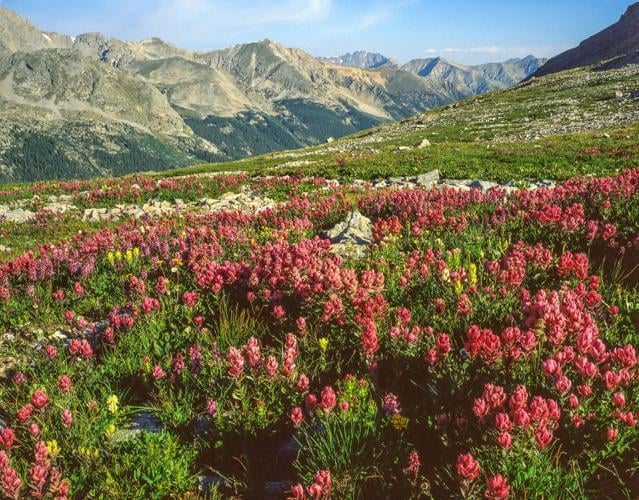
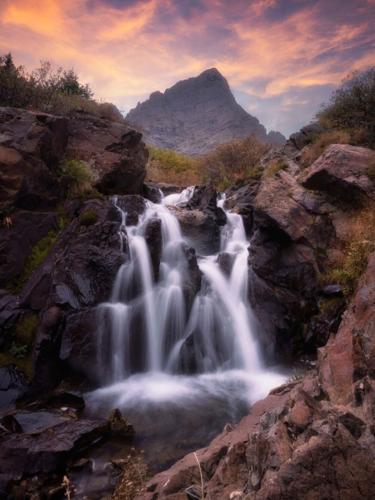
It’s summertime, and the lucky among us are off cavorting in one of Colorado’s majestic mountain ranges. For those of you still trying to decide which range to ramble off to as the July Fourth holiday arrives, here’s a quick comparison of the different merits and moods of each of our major ranges.
This is more about character and personality than geology and amenities. What piece of Colorado does each of the ranges represent? What do the different ranges evoke for travelers? Just for fun, I’ve included a piece of music that I think best captures the spirit of each.
Remote Colorado wilderness area grows as private land becomes public
Front Range
The Front Range is the one we know best, of course, stretching from Fort Collins through Boulder and Denver down to Colorado Springs and Pueblo. These are our sudden mountains, where the land boils up into something higher and greater than the simple flat of the rest of the country. This is land as if given yeast, so that it might rise into its completed form.
It’s where prairie and mountain, city and nature meet at one of the bright edges of the world.
The Front Range is also our release-valve range, where we can get away from it all in an hour. It’s the faraway nearby, the backdrop for our biggest cities that reminds us who we are every morning and why we are different from all those poor slobs living far from nature.
Music: The obvious choices are “America the Beautiful” or “Rocky Mountain High,” since both were written after visits to the Front Range. But I’m partial to “Rocky Mountain Way” by Joe Walsh, which oozes with a yearning for the Rockies, much like the pull of the Flatirons or Pikes Peak. The song’s message of fresh perspectives and new beginnings set to a driving rhythm perfectly matches the feeling of leaving the city behind for a Front Range getaway hike.
Sangre de Cristos
Down south are the enigmatic Sangre de Cristos, the “Blood of Christ” mountains whose crimson alpenglow gave these beauties their name.
With their blood-red sunsets, sharp ridgelines and ancient histories, they inspire a different kind of escape than the Front Range. These mountains are for the culturally curious — ragged peaks drenched in the spiritual myths of the Native Americans and Spanish settlers, captured best perhaps in a drive along the Highway of Legends. The Tarahumara people believed that all life on earth originated among these sacred summits.
A friend calls these the state’s outsider mountains — the isolated, overlooked ones, whose stunning beauty is unknown to far too many people. This is where alpine Colorado gives up the ghost and becomes the Southwest, what the Navajos called “the glittering world.”
Song: Van Morrison’s “Into the Mystic.” This song captures the mythical quality of the Sangres, setting the mood for their ancient presence and mystery, particularly at dusk when their red hues turn violet and the air seems to shimmer.
San Juans


Telluride and Mountain Village
Faraway, rugged and wild, the San Juans are most everyone’s favorite. The “Wawns” are a circus of rock, wildlife, colorful characters and acrobatic peaks — a place where heaven and earth talk to each other.
Rawboned mountain towns like Ouray and Telluride and Silverton typify these hills, proffering a place where free spirits and open landscapes meet.
My favorite single image of the San Juans is the Durango and Silverton steam train stopping at the halfway mark to pick up some dirty, bearded backpackers on the side of the tracks who had just descended from a week in the Chicago Basin. They climbed in among the Spandexed tourists like a bunch of 1800s mountain men just arrived via time machine. That single snapshot captured for me the whole history, glory and future of this old mining district in one fell swoop.
Since the San Juans are an untamed confluence of grandeur and peril, the best rock song to capture their essence must reflect that dynamic blend of inspiration, personal freedom, and creative energy: “Over the Hills and Far Away,” by Led Zeppelin.
The aftermath of U.S. attack on Iran may hold the most peril | Vince Bzdek
Sawatch Range
This is the spine of Colorado, straddling the Continental Divide and lousy with fourteeners, including some of the tallest peaks etching our skies: Mount Elbert, Mount Massive and the Collegiates: Mount Princeton, Harvard and Yale.
These mountains are so high that at night you can’t tell which lights are high-country cabins and which are stars.
Climbing into the Sawatch’s high valleys and alpine meadows until you are literally above the clouds can’t help but elevate you emotionally and spiritually. These mountains epitomize the joy and transcendence of being in the Colorado wilderness.
Song: “Lark Ascending,” by Vaughan Williams. The song’s gentle, acoustic progression mimics the quiet grandeur of ascending through pine forests into high-alpine tundra. The ethereal solo violin rises and soars, capturing a sense of lightness and flight. The high treble ending feels like the stillness of dawn on the summit of Yale.
Gore Range


The spires above Willow Lakes in the Eagles Nest Wilderness, which is part of the southern extent of the Gore Range, is shown near Silverthorne in 2017.
The Gore is Colorado’s Mordor, perhaps the state’s most inaccessible range, and one of its most rugged. It’s serrated peaks and trailless drainages draw only those solitary souls who demand the greatest challenges and the most secluded wilds. It’s jagged crest can only be crossed in a couple places without dangerous scrambling, and a hiker half expects Orcs to pour from the openings in its slopes. Yet the Gore is also one of Colorado’s most visually stunning ranges, its sawtooth ridges punctuated by a proliferation of turquoise tarns and sweeping valleys.
“My experience attempting to get into the heart of Colorado’s mountain ranges leads me to conclude that the Gore Range is the most difficult to traverse than any other, except the Needle Mountains in the San Juans,” according to a book by intrepid Colorado photographer John Fielder.
Like its topography, Gore’s namesake has a darkness to him. Lord Gore was an Irish aristocrat who came to hunt the West with a party of 40. Desperate and broke, America’s premier mountain man, Jim Bridger, served as his guide. Their gear included 75 rifles, 15 shotguns, bundles and bundles of fishing poles, 112 horses, 6 wagons and 21 two-wheeled carts. Gore estimated that he spent well over $500,000 on the expedition, a princely sum of money even for that time.
Gore went to war on the West’s animals. By his own account, the expedition killed over “105 bears, some 2,000 buffalo, plus elk and deer 600.”
The hunting expedition became the origin of the word “gory.”
So the Gore isn’t for everyone; yet its remoteness and eeriness are the very things that make it unique.
The song that best captures its sense of windswept isolation: “Can’t Find My Way Home,” by Blind Faith.
The Everywhere War comes to Boulder | Vince Bzdek
Elk Mountains
This is where Colorado crescendos, collecting together some of our state’s most beautiful and most photographed lakes and peaks.
F.V. Hayden, whose survey party explored the Elks in 1874, wrote: “The gorges or canons cut by Castle and Maroon Creeks are probably without parallel for ruggedness, depth and picturesque beauty in any portion of the west. The great variety of colors of the rocks, the remarkable and unique forms of the peaks, and the extreme ruggedness, all combine to impress the beholder with wonder.”
You used to be able to drive right up to Maroon Lake and the Maroon Bells in the Elks, perhaps Colorado’s most iconic postcard view. I will never forget when I took my daughter and her friend there at the last minute one summer dusk. The friend, Corey, sat by herself at water’s edge in the embrace of those striated hills, while the rest of us bounced around among the sky pilot wildflowers and pink sandstone. Corey seemed to sit there in a fugue state, connecting the landscape with dreams of childhood, to far off, sweetly remembered things.
I found out later that the Bells were the last place Corey ever hiked with her dad many years ago, before he went away, and her return with us was a communion with remembrances of him.
Spirits and memories do live in the veins of our mountains if you have lived here long enough. The beauty of our ranges resonates even more deeply, I’ve found, when echoes of old friends, memorable outings and outrun fears still flicker about them like gorgeous ghosts.
Tie for most apt music: “Annie’s Song,” by John Denver and “Ghosts That We Knew,” by Mumford & Sons.
Vince Bzdek, executive editor of The Gazette, Denver Gazette and Colorado Politics, writes a weekly news column that appears on Sunday.

Proposed development sparks rally to ‘save’ trail, open space south of Denver
Seth Boster
seth-boster@denvergazette.com
Updated 13 hours ago
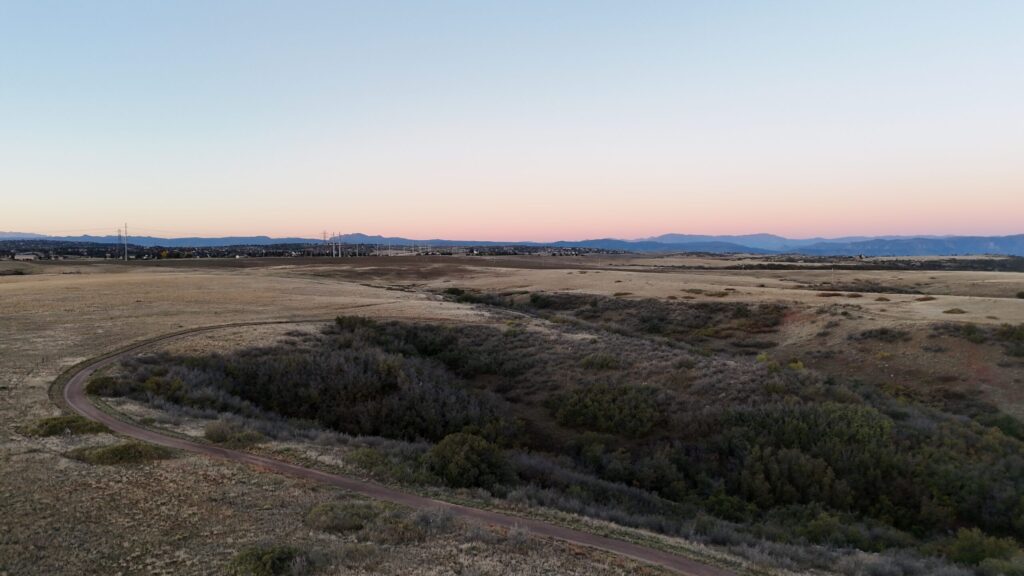
For the past 25 years around Denver’s south metro area, Mike Smith has watched homes, offices and commercial centers rise in open spaces he once viewed from the seat of his bike. But then there’s what he calls “the heart...

Seth Boster
Reporter
51 acres of private Colorado inholdings secured by land trust in two popular wildernesses
Jonathan Ingraham
jonathan.ingraham@denvergazette.com
Updated 12 hours ago
Acquisitions will help to add onto public lands in pristine state ecosystems The Montana-based Wilderness Land Trust announced Wednesday it recently acquired two private inholdings within Colorado wildernesses, expanding 51 acres for future public use. The two properties are the...

Jonathan Ingraham
Reporter
PHOTOS: Snow hits the Front Range
Stephen Swofford
stephen-swofford@denvergazette.com
Updated 2 days ago

Stephen Swofford
Reporter
Musical headliners named for 2026 Outside Days festival, presale tickets on sale Wednesday
Jonathan Ingraham
jonathan.ingraham@denvergazette.com
Updated 16 hours ago
Outside Interactive Inc., in partnership with the State of Colorado’s Outdoor Recreation Industry Office and presented by Capital One and REI Co-op, announced Wednesday the headliner music acts for the 2026 Outside Days in downtown Denver. Known as the Outside...
Jonathan Ingraham
Reporter
Splurging, exploring and enjoying: 48 hours in Steamboat Springs
Seth Boster
seth-boster@denvergazette.com
Updated 3 days ago
For the truest sense of Steamboat Springs, you might want to mark your calendar for early February. That’s the scheduled return of Winter Carnival, the weeklong celebration of ski jumping, parading, dancing, s’mores-eating and more. “It’s our Super Bowl,” an...
Seth Boster
Reporter
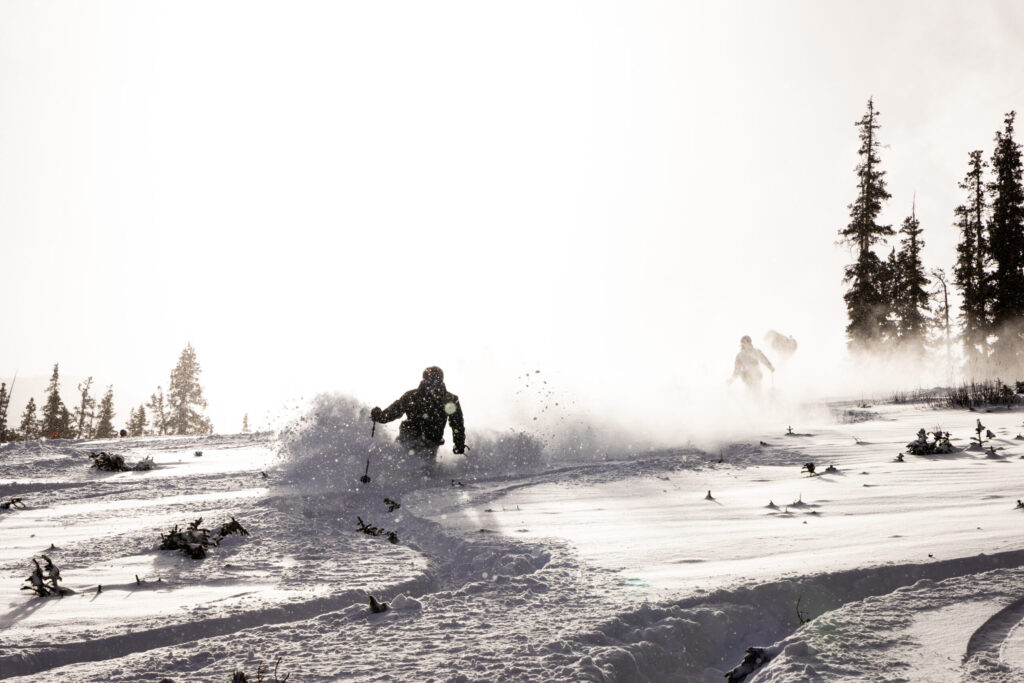
10-20″ of snow forecast in Colorado from multi-day weekend storm
Jonathan Ingraham
jonathan.ingraham@denvergazette.com
Updated 16 hours ago
Winter weather continues to bring a lot more snow to Colorado’s high country in December as a multi-day weekend storm packs between 8-16″ for some ski areas across the state. In all, 10-20″ of snow is possible by weekend’s end...
Jonathan Ingraham
Reporter
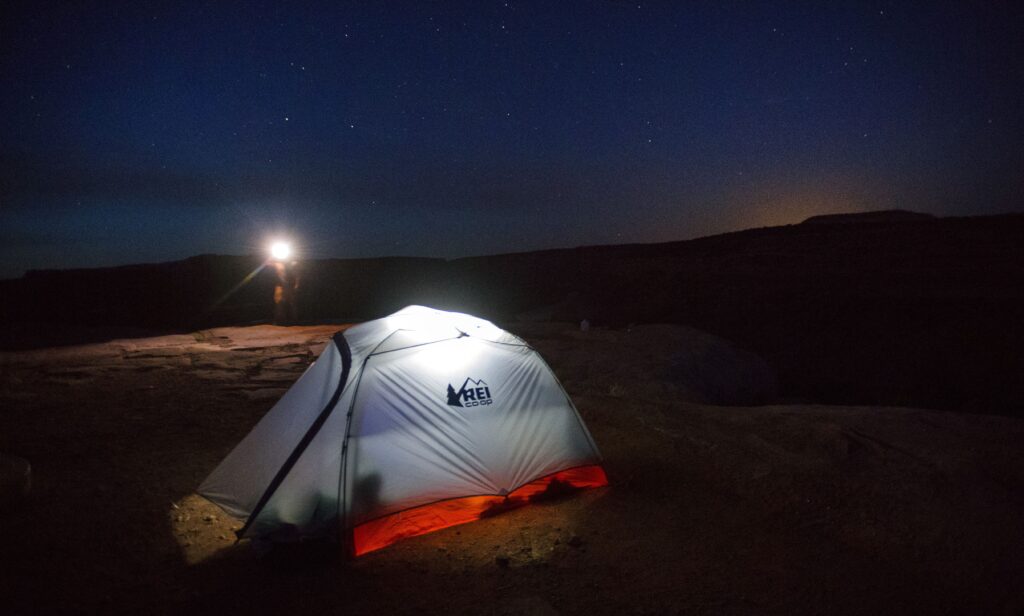
Camping Memorial Day weekend in Colorado? You might want to reserve a spot now
Seth Boster
seth-boster@denvergazette.com
Updated 3 days ago
Coloradans are thinking about Christmas, not Memorial Day. But if they’re wanting to camp that holiday weekend in the summer, they might want to start planning now. Some of the state’s most popular campgrounds take reservations six months in advance....
Seth Boster
Reporter
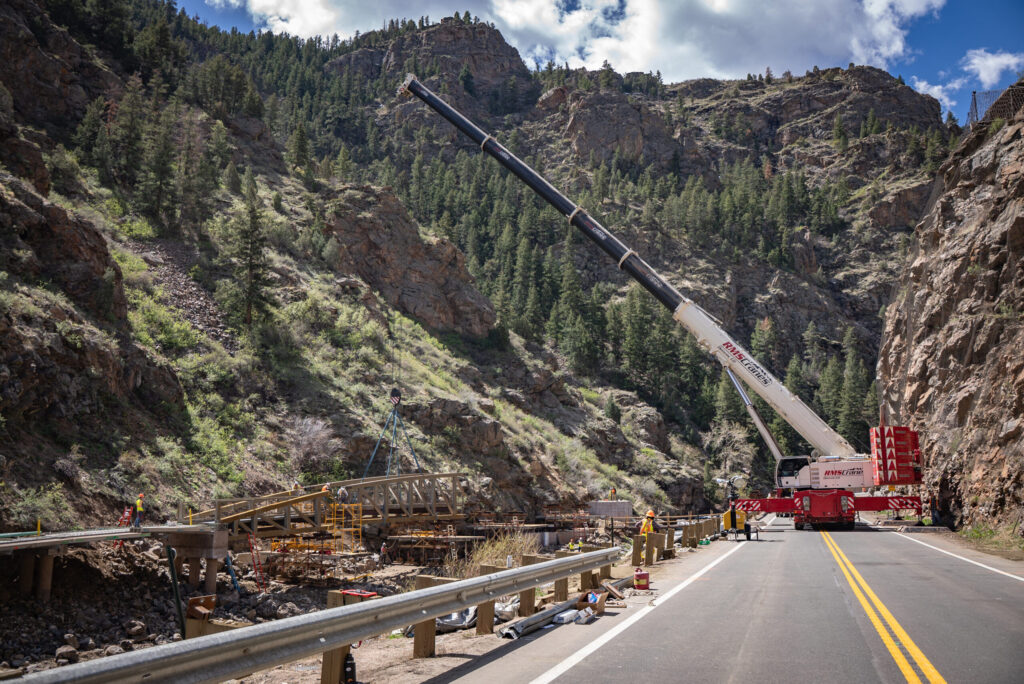
New stretch of Peaks to Plains Trail in canyon west of Denver
Seth Boster
seth-boster@denvergazette.com
Updated 6 days ago
Another stretch of a long-dreamed trail has opened in a canyon west of Denver. Jefferson County officials and enthusiasts recently gathered for a ribbon cutting at a new trailhead in Clear Creek Canyon Park — the rugged, scenic site of...
Seth Boster
Reporter
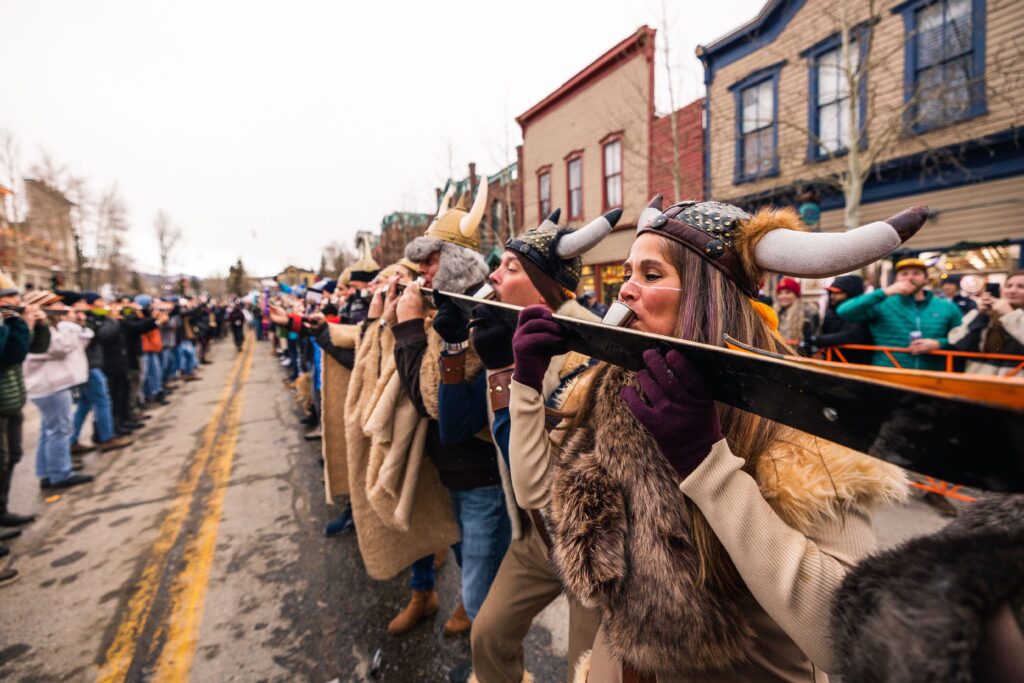
1,420 people needed to break unofficial ‘world record’ in Breckenridge at Ullr Fest
Jonathan Ingraham
jonathan.ingraham@denvergazette.com
Updated 2 days ago
The magic number of participants the Breckenridge Tourism Office in Breckenridge, Colorado is looking for to break the unofficial world record for most people doing a Shotski at one time is 1,420. Tickets for the 2025 Shotski event go on...
Jonathan Ingraham
Reporter

New archery range opening at popular Arvada center on Dec. 12
Jonathan Ingraham
jonathan.ingraham@denvergazette.com
Updated 4 days ago
The Apex Park and Recreation District in Arvada announced the grand opening of the Apex Archery Range at the Apex Center, which will be a premier new amenity designed to serve archers of all ages and skill levels. The outdoor...
Jonathan Ingraham
Reporter