







New study from CU Boulder finds troubling signs for this iconic Rocky Mountain animal
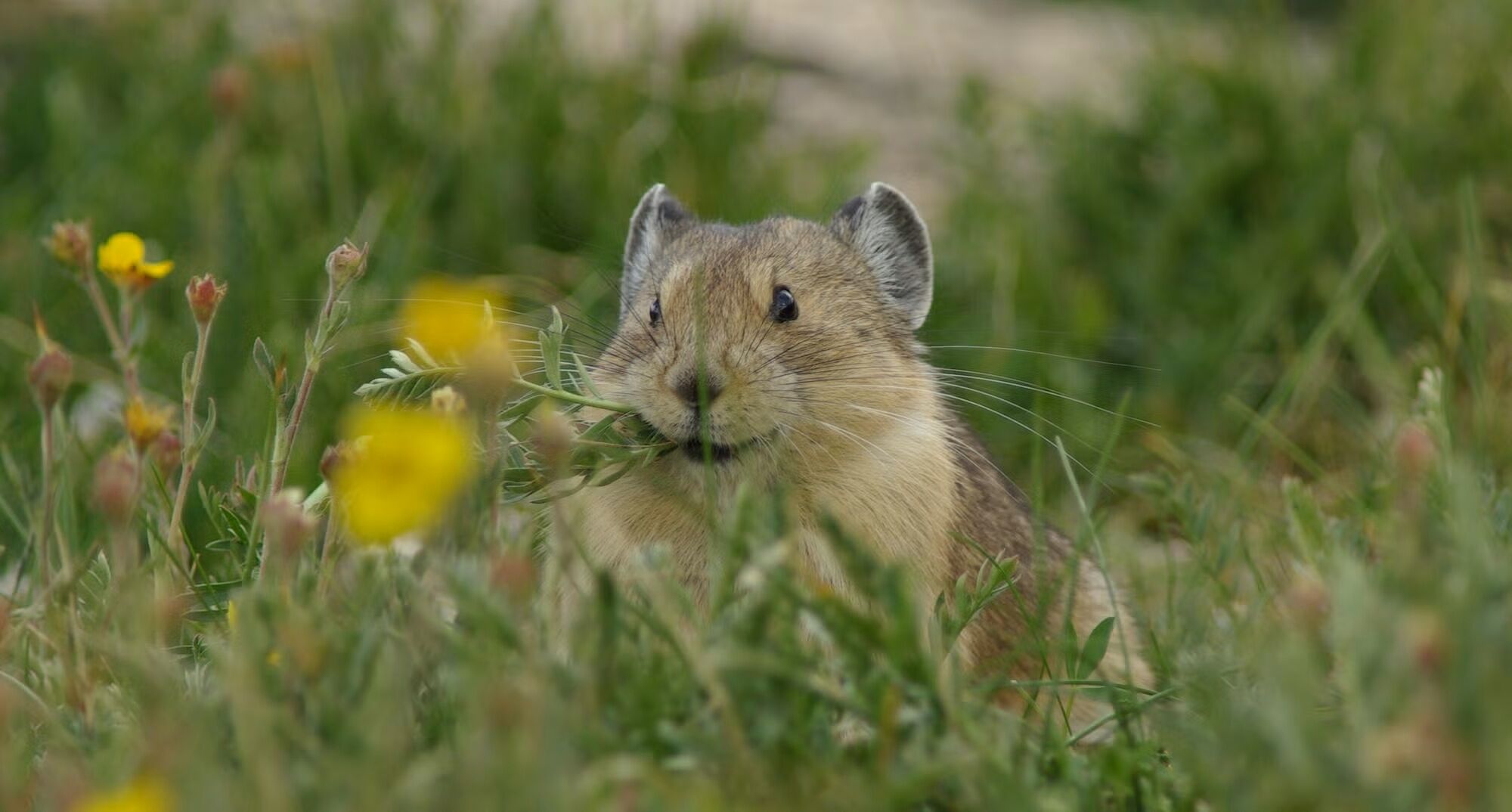
Researchers study pikas because they are an indicator of changes affecting the health of mountain ecosystems that humans depend on
A new study led by researchers at the University of Colorado Boulder carries a warning for one of the Rocky Mountains’ most iconic animals: the American pika, a small and fuzzy lagomorph often greeting hikers in Colorado with loud squeaks.
According to CU, the study draws on long-running surveys of pikas living in a single habitat about 10 miles south of Rocky Mountain National Park, Colorado in the Indian Peaks Wilderness.
Researchers discovered that ‘recruitment’ of juveniles to this site seems to have plummeted since the 1980s, meaning those populations are becoming dominated by older adults, with fewer juvenile pikas being born, or migrating in, to take their place.
The group published its findings recently in the journal Arctic, Antarctic, and Alpine Research.
Lead author of the study and a research associate at the Institute of Arctic and Alpine Research (INSTAAR) at CU Boulder Chris Ray explains why these aged pikas are a problem.
“It’s a fun encounter when you’re hiking on a trail in the Rockies and a pika yells at you,” Ray said. “If you don’t have that anymore, your experience in the wild is degraded.”

Ray added that scientists have long predicted that climate change might threaten pikas in the American West, noting one 2015 study predicted that pikas could disappear entirely from Rocky Mountain National Park by the end of the century.
According to CU, Ray and her colleagues can’t yet pinpoint the reason pika recruitment may be declining at this one location, but summers have been growing warmer at sites across the Rocky Mountains, a concerning bellwether for ecosystems that humans depend on.
“The habitats where pikas live are our water tower,” Ray said. “The permafrost, or seasonal ice, that’s underground here melts later in the summer and helps replenish our water supplies at a time when reservoirs are draining.”
In the current study, the researchers surveyed pikas living at the Niwot Ridge Long Term Ecological Research site north of Nederland, Colorado in 2004, and from 2008 to 2020. They then compared their results to similar surveys performed at the same site from 1981 to 1990.
According to CU, based on the researchers calculations, the proportion of pikas they trapped, that were juveniles, fell by roughly 50% from the 1980s to today, suggesting younger pikas could be growing rarer on Niwot Ridge.
Ray also noted her results support previous predictions that juvenile pikas may have trouble migrating through the Rockies as temperatures continue to warm. To cross from one mountain habitat to another, pikas first have to climb down in elevation, facing hot conditions in the process.
“Pikas are useful as a study system because they’re so visible and conspicuous, and they’re one way to get a handle on what changes are happening in alpine ecosystems,” Ray said.
Ray explained that pikas may be especially vulnerable to climate change, in large part because they can only survive in a narrow range of temperatures.
“Pikas don’t pant like a dog. They don’t sweat,” she said. “The only way they can release their metabolic heat is to get into a nice, cool space and just let it dissipate.”
Read the full article from CU Boulder here, and the compete study here.


What it’s like to be part of Denver’s potentially smallest parade
Bernadette Berdychowski
bernadette.berdychowski@denvergazette.com
Updated 6 hours ago
The Richey family was up until 1:30 a.m. on Sunday working on their second-ever float entry for the Dairy Block’s Petite Parade in Lower Downtown. Lexi, Scott and their son dressed up in all pink to match their float titled...

Bernadette Berdychowski
Reporter

Man sentenced to 42 years for second-degree murder
Maren Prince
maren.prince@denvergazette.com
Updated 9 hours ago
A man received a 42-year sentence for second degree murder, according to Denver’s district attorney. Ernest Cunningham was convicted of second-degree murder last year after shooting and killing 23-year-old Kelsey Roberts in June 2024, authorities said, adding he had intended...

Maren Prince
Reporter
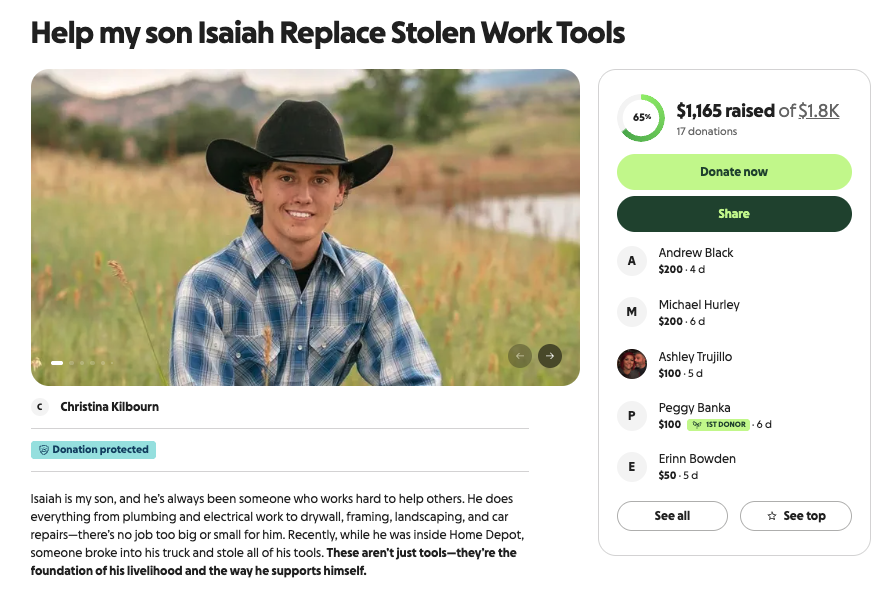
Mother of young handyman pleads for help to replace son’s stolen tools
Jacob Mauk
jacob.mauk@denvergazette.com
Updated 9 hours ago
The online community is raising money to help Isaiah Kilbourn, a young handyman, replace his stolen tools through a GoFundMe posting. Kilbourn’s family said he does everything from plumbing to drywall. While he was shopping at a Home Depot store,...

Jacob Mauk
Reporter

Iranians in Colorado weigh in on Khamenei’s death
Mark Samuelson
mark-samuelson@denvergazette.com
Updated 9 hours ago
As the joint U.S.-Israeli attack on Iranian targets continued into a second day following the death of leader Ayatollah Khomeini, Iranians living in Denver weighed in, saying they welcome the opportunity for a regime change in the Islamic Republic. “The...

Mark Samuelson
Reporter
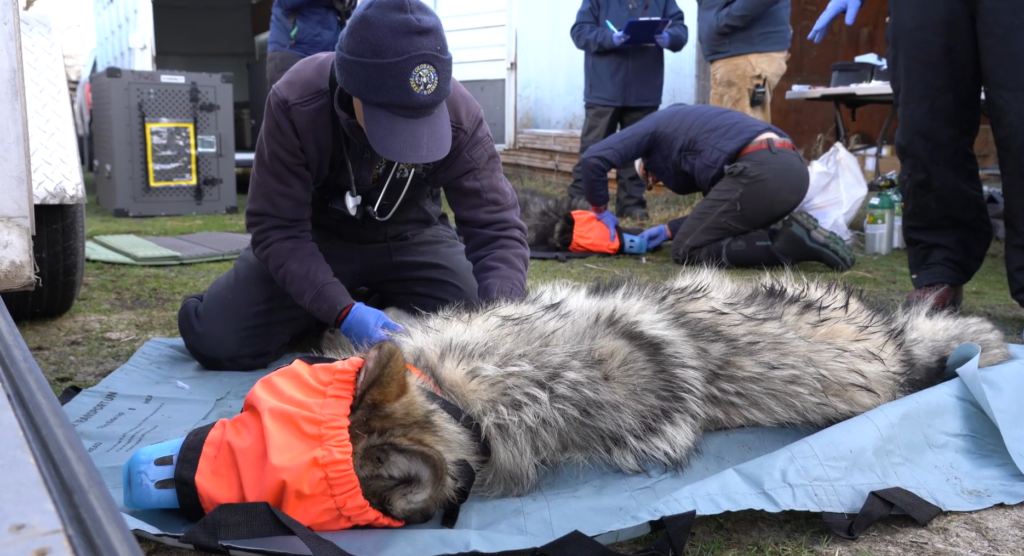
Male wolf dies after capture attempt in Colorado
Marianne Goodland
marianne-goodland@denvergazette.com
Updated 7 hours ago
One of the original wolves brought to Colorado from Colorado has died after an attempt to capture it, the’s state wildlife agency said. The Colorado Parks and Wildlife identified the wolf as No. 2305 — meaning it was one of...

Marianne Goodland
Reporter
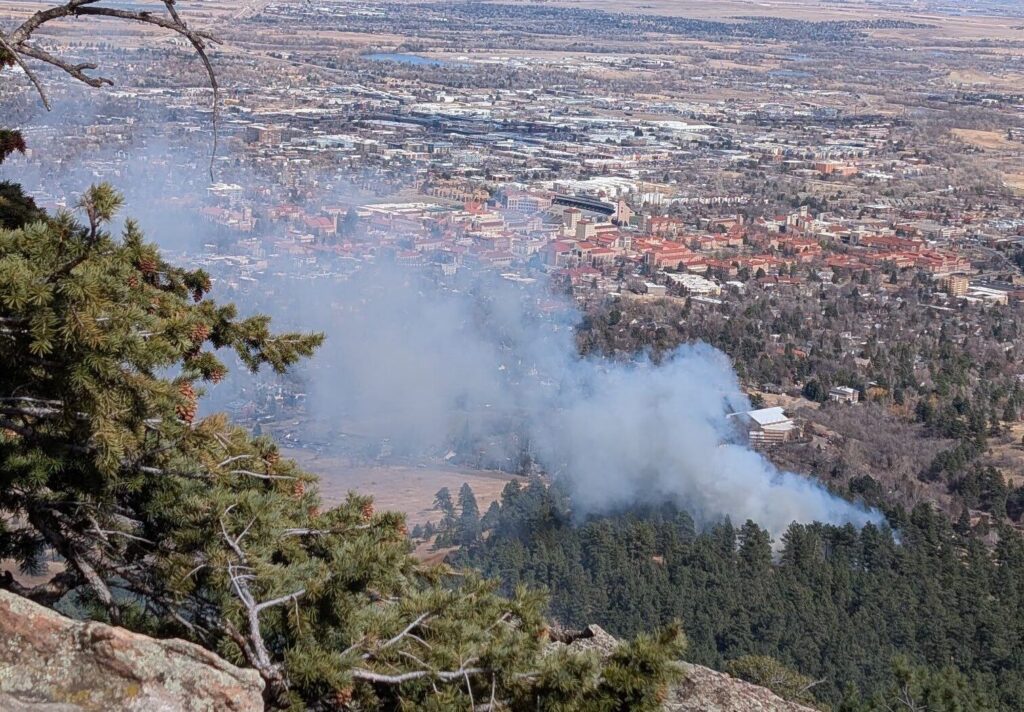
Wildfire near Chautauqua Park is 100% contained, Boulder Fire says
Bernadette Berdychowski
bernadette.berdychowski@denvergazette.com
Updated 7 hours ago
The Bluebell fire near Chautauqua Park in southwest Boulder is 100% contained, Boulder Fire announced on X in a post late Saturday afternoon. “There are no active flames and crews are in mop up,” Boulder Fire said. The response team...
Bernadette Berdychowski
Reporter

A Colorado Life: Janelle Orsborn’s final message: ‘Definitely live big’
John Moore
john.moore@denvergazette.com
Updated 11 hours ago
Actor, author and former Miss Colorado’s Teen fit a lot into her ambitiously adventurous and tragically abbreviated 33 years Janelle Orsborn was big sister to Anna, Abigail, Jake, Daniel and Natalie. But really, says Abigail: “Janelle was a big sister...

John Moore
Reporter

Democrat Michael Bennet turns in petitions for Colorado’s gubernatorial primary, plans to skip caucuses
Ernest Luning
ernest-luning@denvergazette.com
Updated 11 hours ago
U.S. Sen. Michael Bennet, a Democratic candidate for governor, submitted nominating petitions for Colorado’s June primary ballot on Friday, his campaign and the Colorado Secretary of State’s Office said. Bennet plans to rely on his petitions to get on the...

Ernest Luning
Reporter

Arvada holds annual Winterfest amid summer-like weather
Michael Braithwaite
michael.braithwaite@gazette.com
Updated 1 day ago
The crowd in Arvada’s Olde Town Square was largely wearing t-shirts, tank tops and shorts Saturday morning as temperatures neared 70 degrees. Perfect weather for an event called Winterfest. The annual multicultural winter celebration returned to downtown Arvada Saturday, bringing...

Michael Braithwaite
Reporter
Boulder wildfire sparks near Chautauqua Park, evacuations ordered
Michael Braithwaite
michael.braithwaite@gazette.com
Updated 1 day ago
A wildfire sparked near Chautauqua Park in southwest Boulder Saturday, the fifth new Denver-area fire to spark in five days. The fire, which officials estimated to be up to five acres before dropping that estimate to 1.5 acres after aerial...
Michael Braithwaite
Reporter
PREV
PREVIOUS

Appeals court overturns road rage murder conviction due to faulty jury instruction
Colorado’s second-highest court overturned a defendant’s murder conviction on Thursday, concluding an Arapahoe County judge provided an incorrect self-defense instruction to the jury about the road rage encounter. In November 2020, Romeo Desean Thompson was behind Phillip Hunt at an intersection. The light turned green, but Hunt did not immediately move forward. Thompson honked, after […]

Colorado State Patrol, Douglas County sheriff partner on one-day ‘move over’ enforcement operation
The Douglas County Sheriff’s Office and Colorado State Patrol announced plans this week on a one-day enforcement campaign focused on drivers moving over for stationary and emergency vehicles. CSP’s “slow down, move over” enforcement period, taking place all day Wednesday, targets motorists traveling Interstate 25 and C-470, according to a state patrol news release. Wednesday’s […]