







Black cowboy culture celebrated at National Western Stock Show on MLK Jr. Day
Danell Tipton with Black Rodeo USA competes in bull riding and is one of only eight Black men who have qualified for the national finals in the sport.
His organization produced Monday night’s MLK Jr. African American Heritage Rodeo, celebrating Martin Luther King, Jr. and Black cowboy culture in a coliseum of more than 7,000 cheering fans.

Black Rodeo USA hosts rodeos all over the country, and Tipton said his favorite part of every rodeo is seeing the spark in peoples’ eyes as they realize anyone can be a cowboy.
“History books don’t teach kids about Black cowboy culture, there’s so much history they left out,” Tipton said. “There are not a lot of Black people who know there are Black cowboys out there, so it’s unbelievable to see people go ‘wow, I could do that’.”
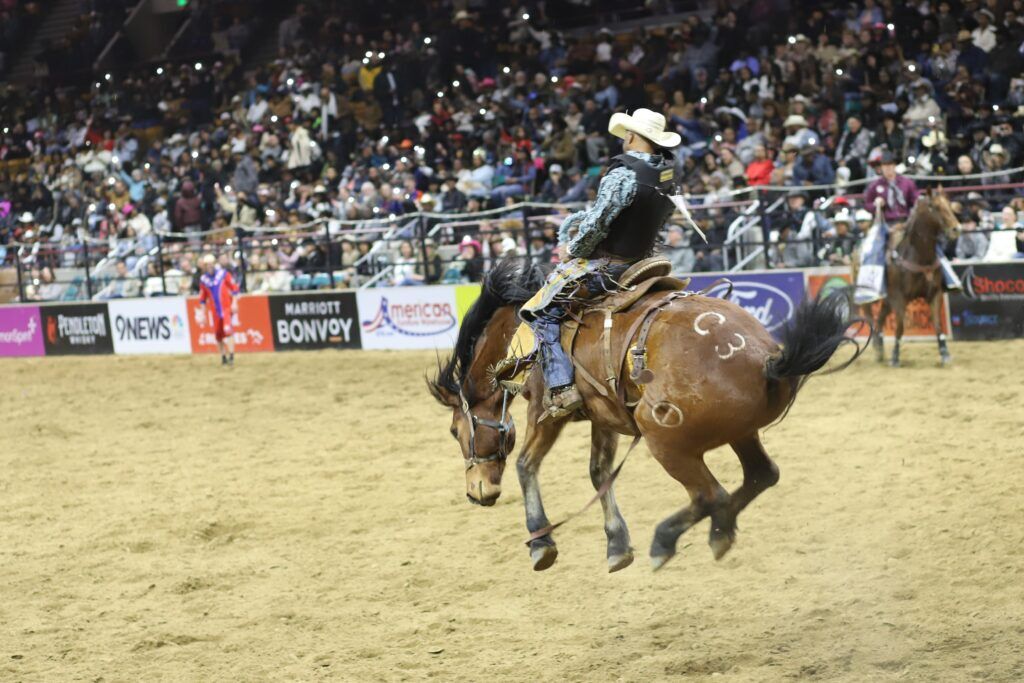
Monday night’s rodeo began with a flag salute and steer wrestling as a full coliseum of fans cheered and waved their cowboy hats in the air. It ended with fan-favorite bull riding, and the crowd exploded as contestants from all over the country fought for the winning title on bulls with names like “Hoopla,” “Halter Top,” and “Wild Thing.”

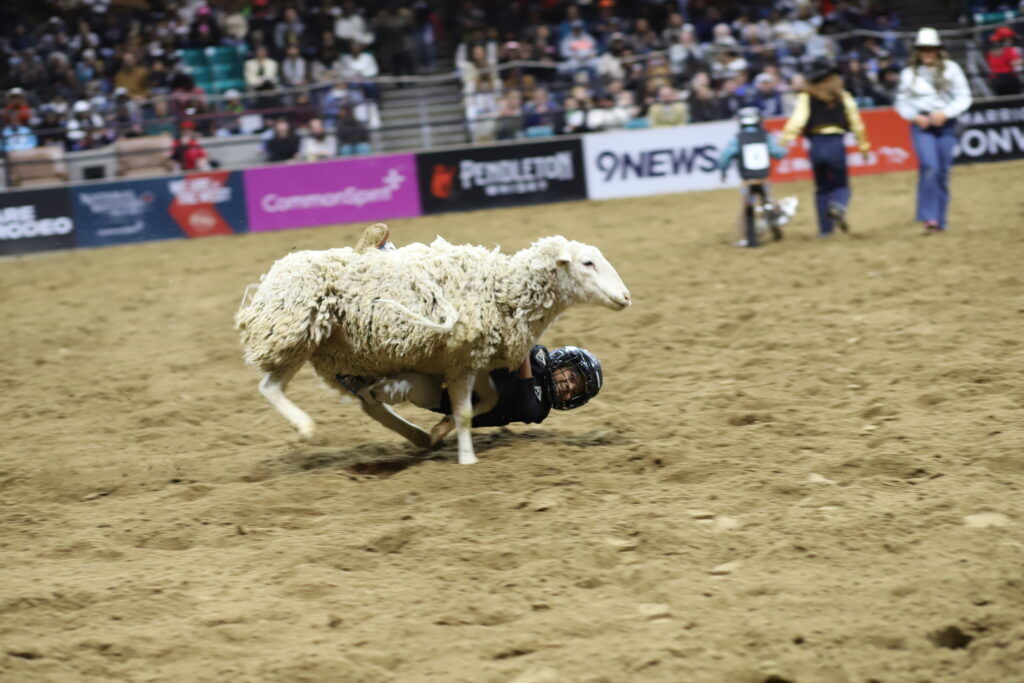
In between, young kids competed in mutton busting by trying to stay on the back of a sheep as long as possible, cowgirls chased steers to steal ribbons from their backs in the ladies steer undecorating competition, two relay teams raced in the pony express, and crowds screamed, danced and cheered for their favorite competitors.
The crowd was rowdy and electric, donning various colors of cowboy hats and western attire, hooting and hollering as horses, bulls and their riders raced around the arena, kicking up dirt into the crowd.
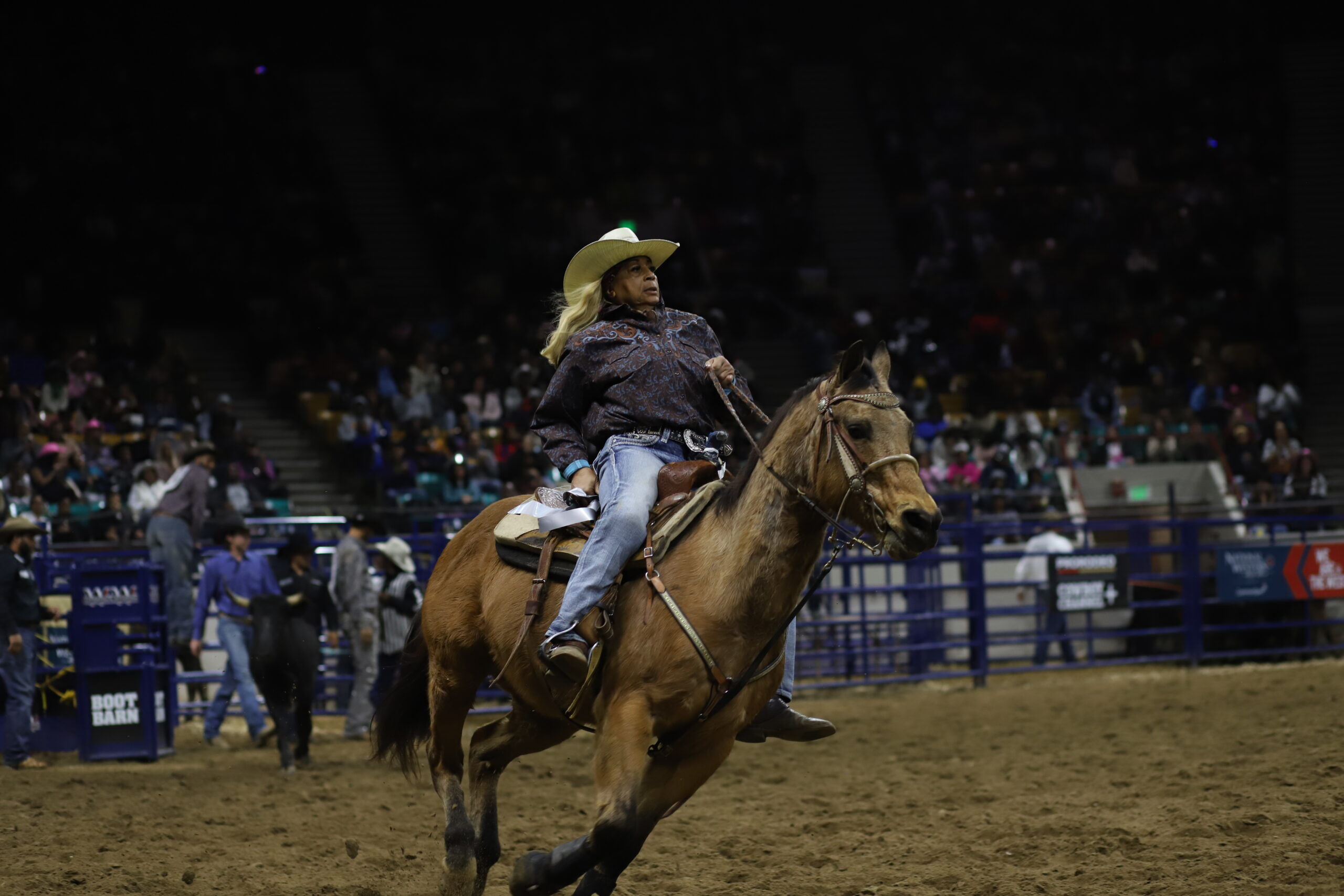
Kandra Demery competed in ladies barrel racing Monday night, head high atop her horse as she led it full speed around three barrels on the rodeo floor.
Demery has been involved in rodeos for about 25 years, she said.

“Today is a little bit more special because my family and others have fought to be able to compete at an all-Black rodeo when there were times that we never could compete,” Demery said.

At least a quarter of cowboys in the late 1800s were Black, according to historian Acoma Gaither with History Colorado, and many others were Native American and Mexican.
“People usually have this idea of the archetypal cowboy we see in mass media, which has been in the works since the late nineteenth and early twentieth century,” Gaither said. “But that leaves out that multicultural history.”
Records show that slave traders specifically targeted African tribes familiar with cattle herding, Gaither said. Those enslaved people were often assigned tasks like catching and tending wild cattle, since they had the expertise to do so.
Following the Homestead Act of 1862, formerly enslaved people gradually moved out west, where there was a need for people in agricultural work and herding, she said.
William “Bill” Pickett was one of the most famous Black cowboys of the time, leaving school in fifth grade in the 1870s to work as a ranch hand, Gaither said.
Pickett started learning rodeo performance techniques and won numerous rodeo contests and national competitions, Gaither said.

In 1984, promoter Lu Vason created the longest-running Black touring rodeo, called the Bill Pickett Invitational Rodeo, in Denver, Gaither wrote.
For almost two decades, the BPIR partnered with the National Western Stock Show to produce the MLK Jr. African American Heritage Rodeo.
The two organizations split ways this year, citing scheduling constraints “that could not be reconciled” in an October joint news release.
“While we are disappointed that the BPIR will not be hosting the 2026 MLK Jr. African American Heritage Rodeo of Champions due to schedule constraints, we are grateful for nearly twenty years of partnership with the National Western Stock Show,” Valeria Howard-Cunningham, the president & CEO of the Bill Pickett Invitational Rodeo, said in the release.
This year, Black Rodeo USA took the production slot, carrying forward the event’s “mission to honor African American rodeo athletes, preserve Western heritage, and inspire future generations through the message and legacy of Dr. Martin Luther King Jr.,” the release said.

Monday marked the second full week of the National Western Stock Show, which began Jan. 10 will run through Jan. 25, 2026.

Denver weather: Mostly sunny and warm Wednesday
Daniel Boniface
dan.boniface@denvergazette.com
Updated 2 hours ago
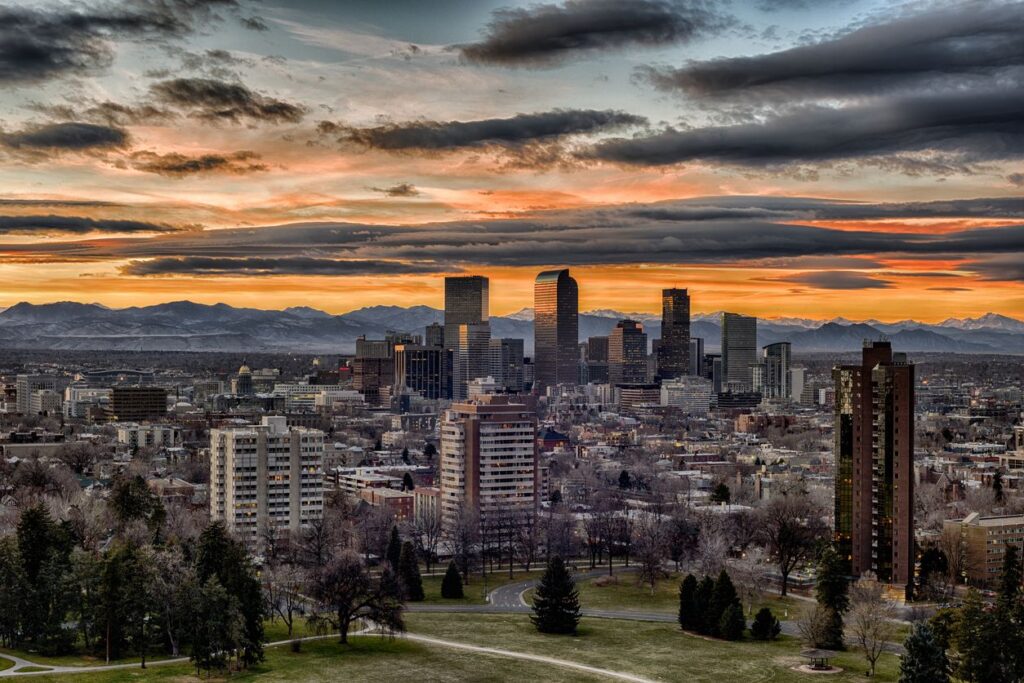
A warm and sunny day is on tap for Denver on Wednesday. The National Weather Service in Boulder said to expect temperatures to climb to 62 degrees in Denver on Wednesday. That’s about 8 degrees warmer than the average high...

Daniel Boniface
Reporter

Department of Agriculture warns of packages holding potentially invasive seeds
Michael Braithwaite
michael.braithwaite@gazette.com
Updated 1 minute ago
Spring planting is around the corner, and the Colorado Department of Agriculture wants residents to know where their seeds are coming from. Officials with the department warned Tuesday that they received reports of unsolicited packages containing plant seeds mailed internationally...

Michael Braithwaite
Reporter
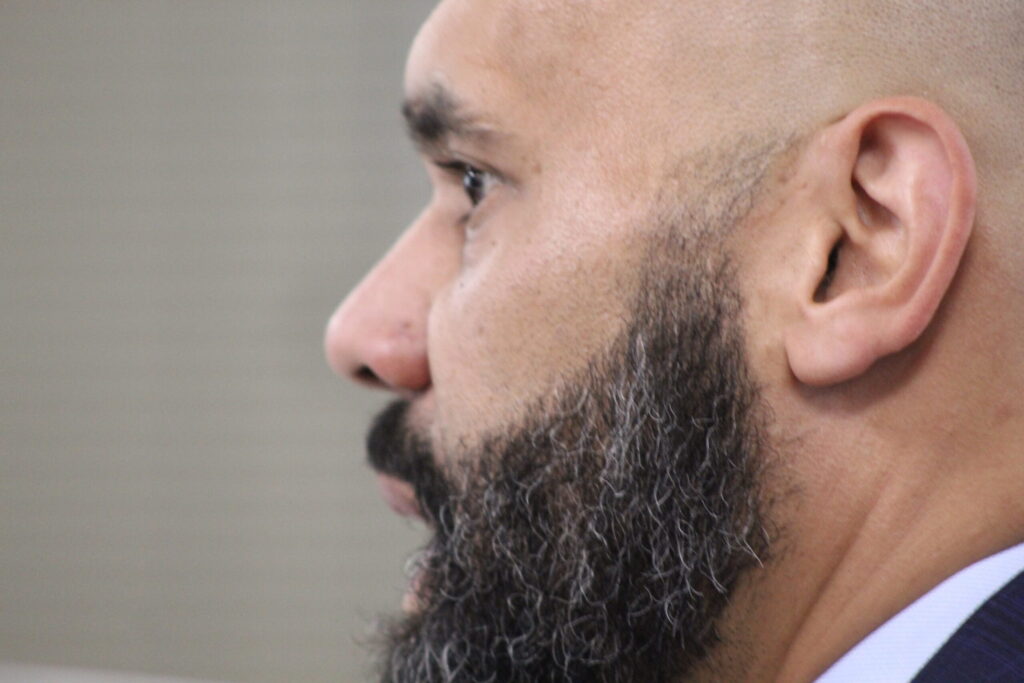
Denver schools’ legal chief appears unsure about ICE warrants as board weighs new immigration policy
Nicole C. Brambila nico.brambila@denvergazette.com
nico.brambila@denvergazette.com
Updated 3 hours ago
Denver’s school board is considering a major policy amendment that would consider all district properties “safe zones” by requiring a judicial warrant for federal immigration agents to interact with students. If passed by the board, Denver Public Schools General Counsel...


Aurora mayor calls settlement in First Amendment lawsuit against city ‘unfortunate’
Kyla Pearce
kyla-pearce@denvergazette.com
Updated 8 minutes ago
Aurora Mayor Mike Coffman spoke against a lawsuit settlement made between the City of Aurora and activist MiDian Holmes (Shofner) in a City Council meeting Monday night, saying the decision to settle was “unfortunate.” Aurora officials and Holmes announced the...
Kyla Pearce
Reporter
Know Before You Go: Denver St. Patrick’s Day Parade
Emily Bejarano
emily-bejarano@gazette.com
Updated 16 hours ago
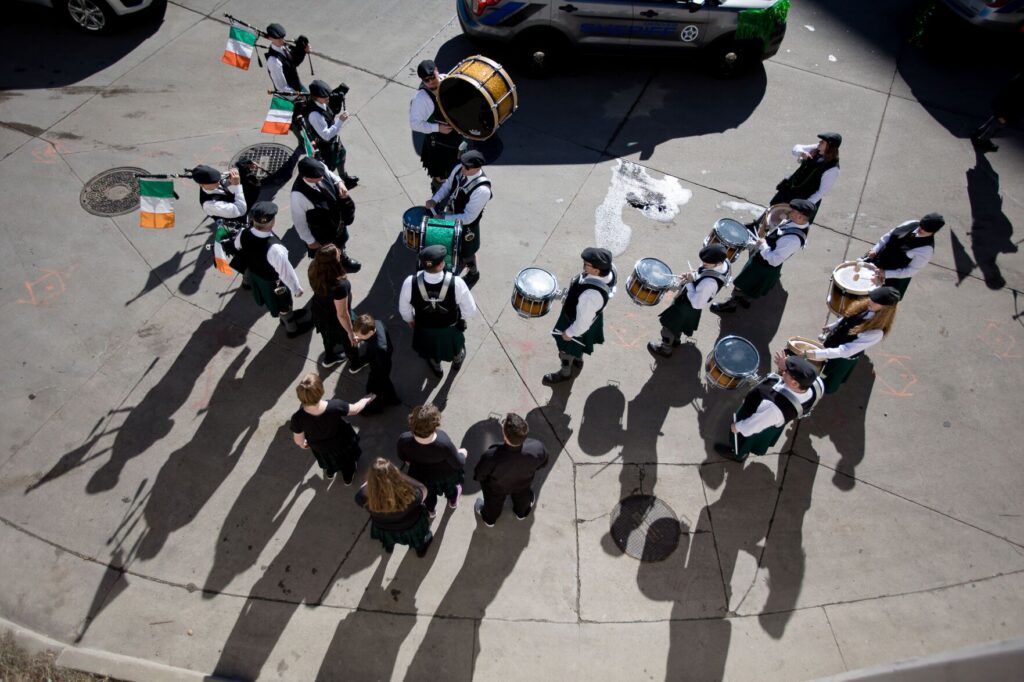
Denver turns green this weekend, and it’s not just luck that will ensure a perfect day downtown. Plan your St. Patty’s Day with this guide that includes parade routes, restaurants, parties and more. Lean into green this weekend with St. Patrick’s Day events...

Emily Bejarano
Reporter
Douglas County woman sentenced for voter fraud
Nicholas Fogleman
nicholas.fogleman@denvergazette.com
Updated 18 hours ago
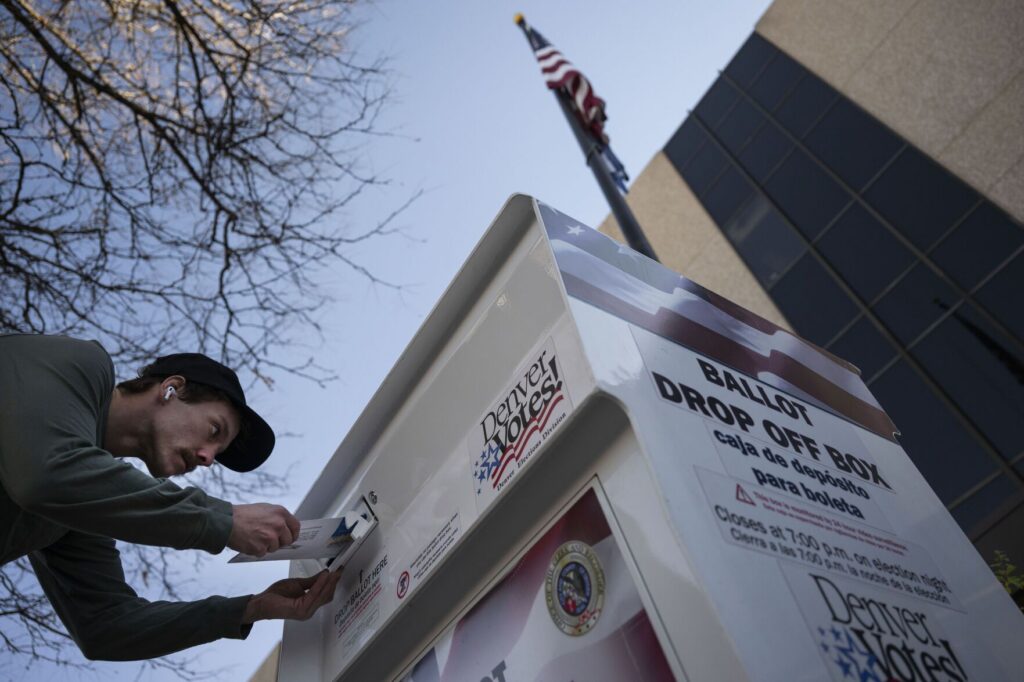
A judge sentenced a Castle Rock woman to three years in prison for voter fraud on Monday. Elizabeth Ann Davis, 62, was convicted on two counts of forgery and one count of “personating an elector,” stemming from the 2022 General...

Nicholas Fogleman
Reporter
With high winds, fire danger in Denver, Xcel says outages possible
Matt Kyle
matt.kyle@denvergazette.com
Updated 3 hours ago
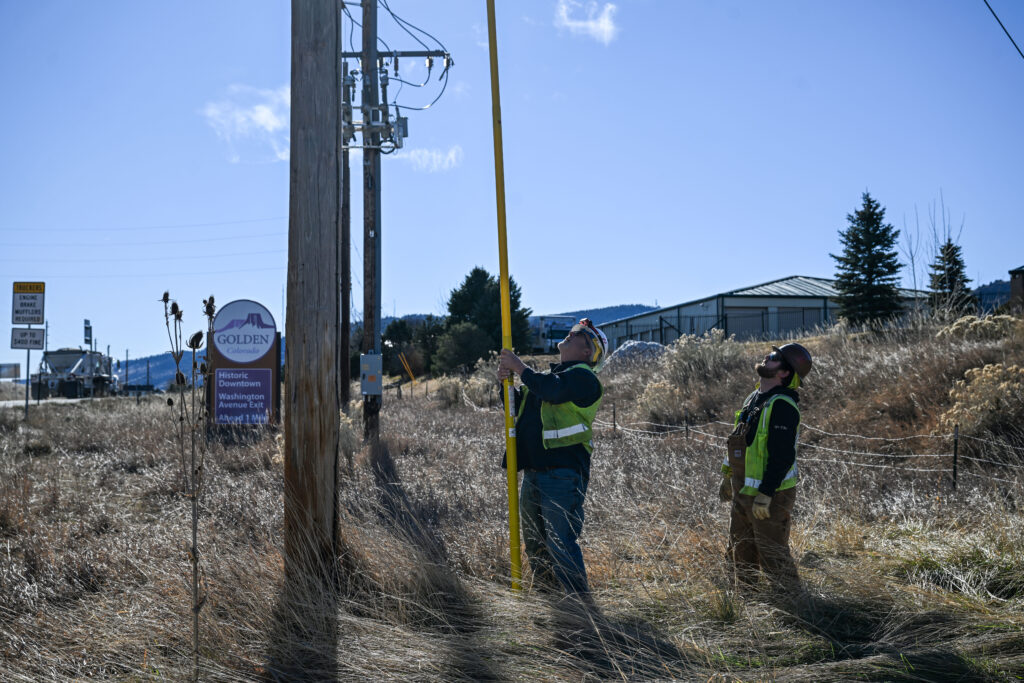
With a red flag warning issued for the northern Interstate 25 corridor Tuesday by the National Weather Service’s Boulder office, Xcel Energy is warning of possible power outages later in the week as critical conditions are expected to continue. Xcel...

Matt Kyle
Reporter

U.S. energy secretary warns Colorado’s energy policies could drive up prices, deter businesses
Scott Weiser
scott-weiser@denvergazette.com
Updated 3 hours ago
U.S. Energy Secretary Chris Wright on Monday warned that Colorado’s energy policies could lead to higher electricity prices and deter businesses, such as data centers, from locating in the state. Wright, a former executive of a Colorado-based energy company tapped...

Scott Weiser
Reporter
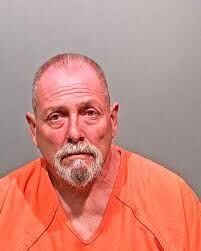
Former Jeffco high school security guard sentenced for child sex assault
Sage Kelley
sage.kelley@denvergazette.com
Updated 17 hours ago
A former Jeffco Public Schools security guard and pastor will spend at least 18 years in prison after assaulting a student for more than two years. Jefferson County District Court Judge Christopher Rhamey sentenced 68-year-old Rubel Tim Martinez to a...

Sage Kelley
Reporter
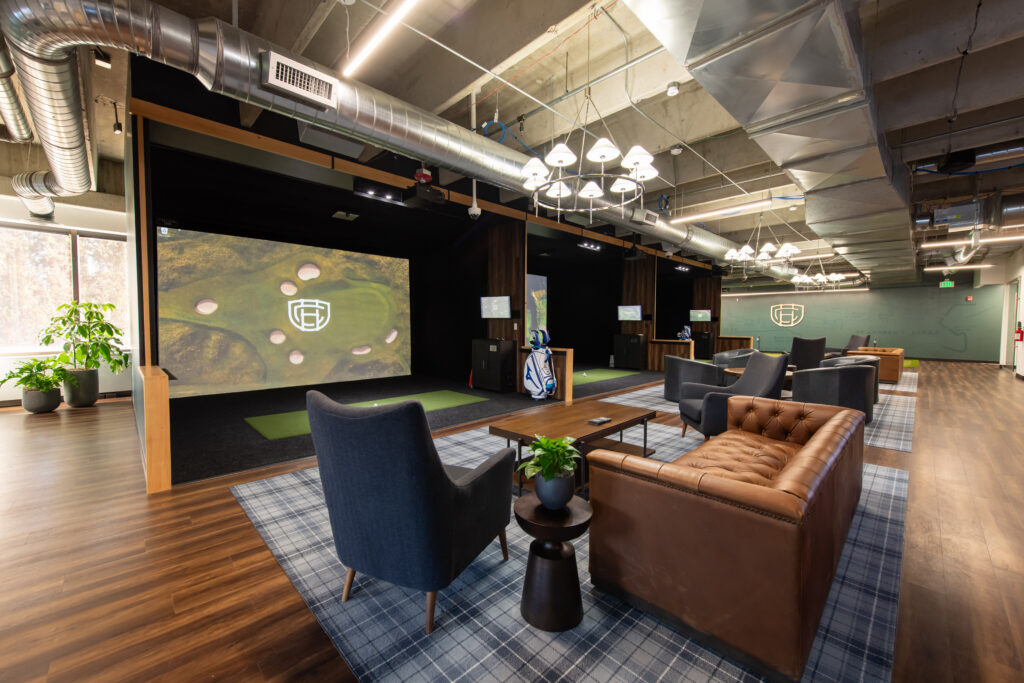
Metro Moves: Coworking office with golf simulators will expand
Bernadette Berdychowski
bernadette.berdychowski@denvergazette.com
Updated 20 hours ago
Welcome to the Denver Gazette’s Metro Moves. You’ll get the latest metro Denver openings, closings, hiring and promotion news here. To submit your company’s news, drop an email to bernadette.berdychowski@denvergazette.com. DTC OFFICE WITH INDOOR GOLF ANNOUNCES TWO MAJOR EXPANSIONS The Clubhouse...

Bernadette Berdychowski
Reporter
PREV
PREVIOUS

Metro Moves: BMC Investments hires new partner and CIO
Welcome to the Denver Gazette’s Metro Moves. You’ll get the latest metro Denver openings, closings, hiring and promotion news here. To submit your company’s news, drop an email to bernadette.berdychowski@denvergazette.com. BMC INVESTMENTS NAMES A NEW PARTNER After a national search, Denver-based developer BMC Investments named a new partner to help lead the firm. The development company […]

Denver weather: Sunny and mild on Tuesday
Sunny skies and mild temperatures are on tap Tuesday in Denver, weather forecasters said. The National Weather Service in Boulder said to expect a high near 52 degrees Tuesday in the Mile High City. That’s about 8 degrees warmer than the average high temperature in Denver on Jan. 20. Winds of 9 to 13 mph […]