







Will this be Denver’s year to see office vacancies fall?
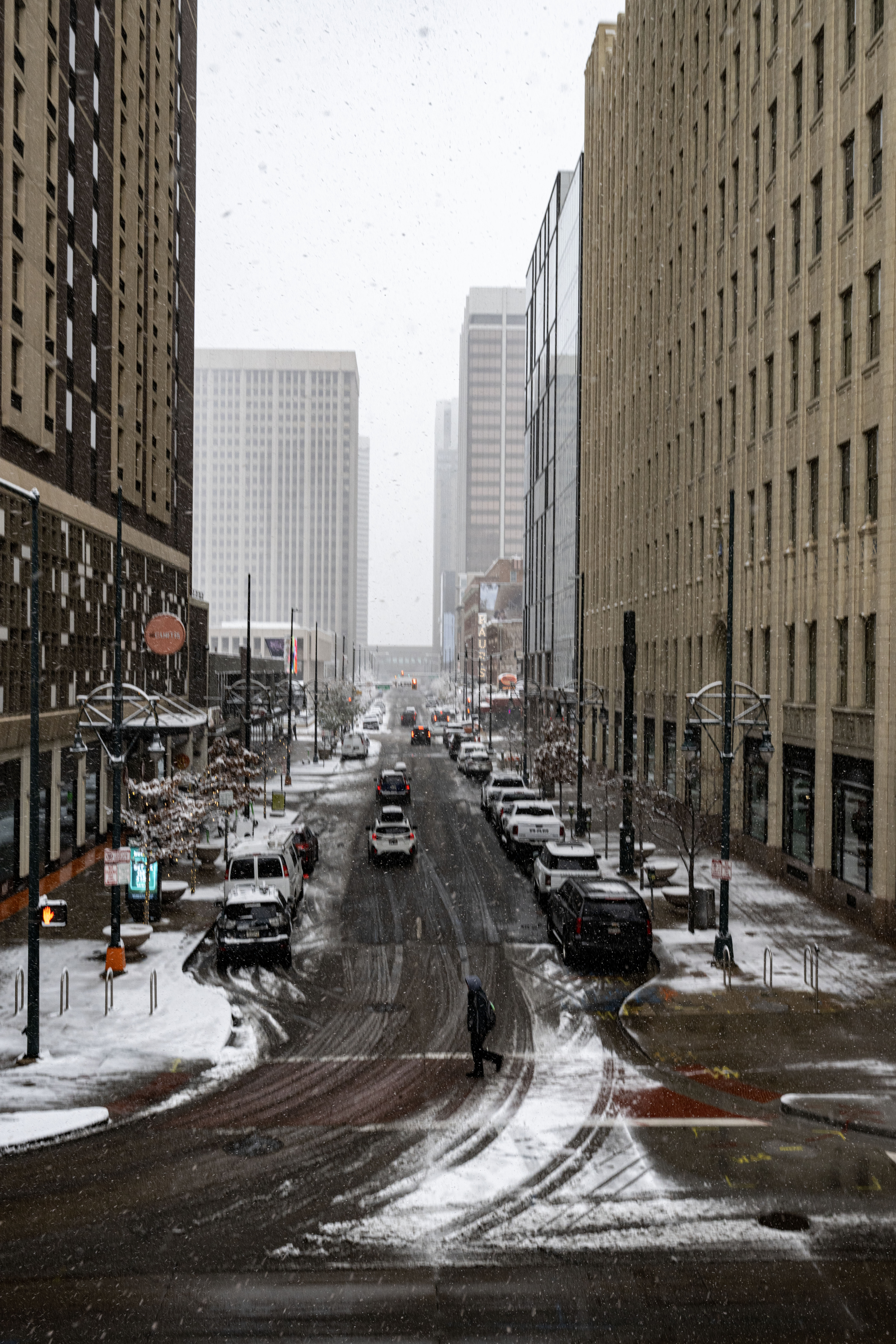
Another major downtown Denver office sold this week at less than a quarter of its last known value.
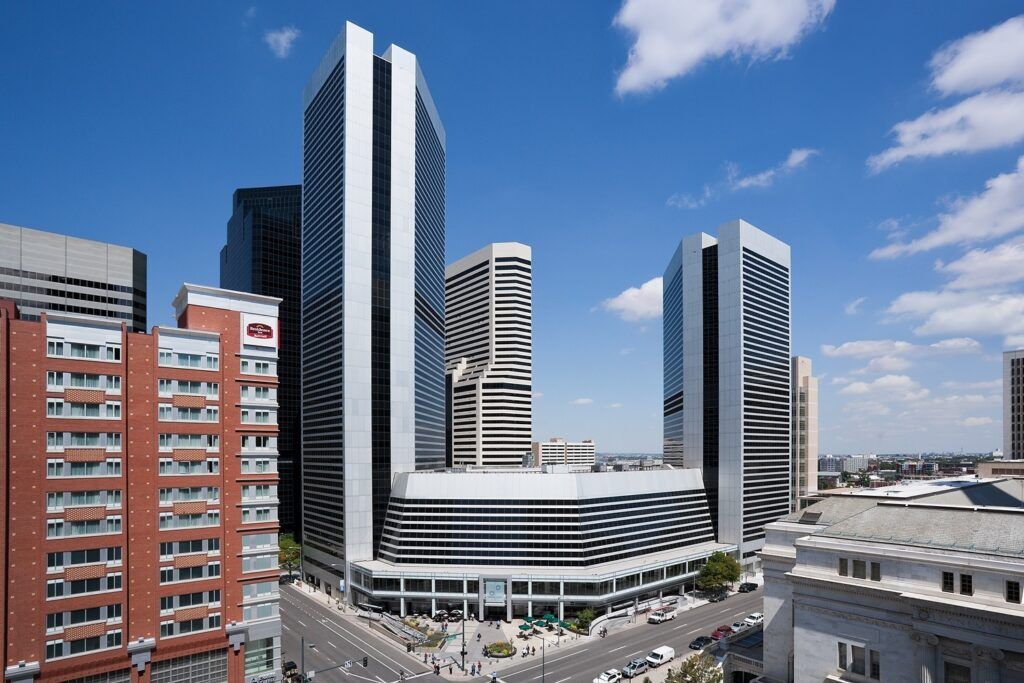
Denver Place, a two-tower complex at 999 18th St., was acquired for $47.5 million by the CP Group, Angelo Bianco, managing partner for the Florida-based real estate company, told The Denver Gazette. The property previously changed hands in 2007 for $200 million.
While the office market has been really tough for Denver since the pandemic, Bianco said the CP Group in partnership with Time Equities, Inc. bought the office tower because there’s now more room for opportunities in the area. It’s the company’s second office complex in the region after buying the Granite Tower across the street in 2021.
The city is one of the last in the U.S. to see return-to-work recover, he explained, and that trend is bound to catch up.
“Which is fantastic because that means that we only have one way to go,” he said.
Industry experts are starting to notice signs Denver may see the number of empty offices dwindle this year — one way or another.
It just might not mean those will necessarily be filled with workers.
The most luxurious and modern office buildings in the metro area are expected to gradually fill up this year the traditional way, with companies that want office space paying for the best amenities, according to a 2026 forecast from commercial real estate firm CBRE.
Meanwhile, the oldest buildings that were facing bankruptcy are preparing to be transformed into housing.
Either way, real estate brokers have seen more action in making use of the space.
Vacancies in the Denver metro’s office market surged after the pandemic hit, as businesses encouraged more remote or hybrid work. Over the last six years, many companies didn’t renew their office leases or they downsized to fit their evolving needs.
But that trend could be slowing down.
Vacancies have already begun to fall across the metro area, though it’s been only one quarter so far.
In the fourth quarter of 2025, the region saw its first decline in its office vacancy rate in the post-pandemic era, CBRE said in another report. The vacancy rate fell from 28.5% to 28.3%. The region recorded a positive net absorption — with more than 260,000 square feet of Class A and Class B offices in the suburban markets and 175,000 square feet of Class B in downtown — which helped fill up the metro area’s office supply.
Downtown Denver, where the highest concentration of the region’s offices are located, saw its vacancy rate “stabilize,” CBRE said. The vacancy rate rose 10 basis points to 38.2% during the last quarter of 2025.
In the next year, the real estate firm expects the office market to stabilize more due to three things: there’s no new offices hitting the market, old offices are being taken off the market to be converted to something else and the demand is recovering for the space that remains.
“The market’s active, and you know, we like Denver,” Bianco said. “It’s got excellent infrastructure and long-term growth potential.”
Leasing has picked up recently at the Granite Tower at 1099 18th St., Bianco said, and The Denver Place already resigned its anchor tenant. The building’s last owners recently gave it a $20 million renovation on its indoor amenities, and now its new owners hope to bring renewed energy to the outside community.
The Denver Place is an older Class A building built in 1981, with two towers connected by a podium that could act as public space, Bianco said.
CP Group aims to bring in new retail to downtown and create an arts program, as well.
When asked if the developer was considering converting any of the office space into housing like other towers recently sold in downtown have begun to do, Bianco explained it’s still too early to make a definitive ruling.
“We’ve talked about is it possible to convert one of the buildings into residential or some other use?,” he said. “But it’s premature at this stage for us to have a plan.”
WHAT WILL MATTER? LOCATION AND QUALITY
The vacancy rate won’t fall evenly, as some submarkets are poised to see improvements.
The real estate forecast for 2026 shows office vacancy for Class A — the best offices on the market — is expected to decline in the coming months, the report said. It also warned that the gap will continue to widen between Class B and Class C, the older and less-expensive products.
The newest offices are doing better because businesses are wanting the best in-office experiences.
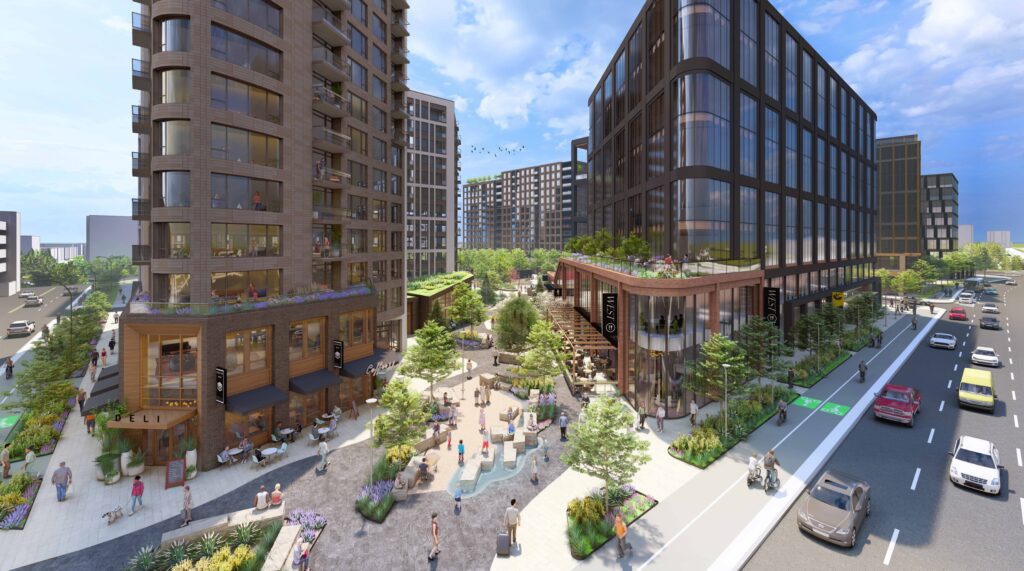
That can be seen in the Cherry Creek neighborhood, which has defied many of the dismal office trends affecting Denver and other cities. The report said any new construction of offices will be primarily concentrated in the Cherry Creek area for the “foreseeable future,” due to the neighborhood’s appeal of luxury amenities, shopping and dining and walkable streets.
Other neighborhoods could see a rebound of leasing momentum, CBRE said. The most popular markets outside of Cherry Creek include Lower Downtown, Boulder and North Denver Tech Center, all of which have similar amenities to Cherry Creek. The 2026 forecast for Class A buildings in these neighborhoods estimates 5% rent growth.
Rent growth across the region is in the 1% to 2% range, according to CBRE.
WAVE OF OFFICE CONVERSIONS
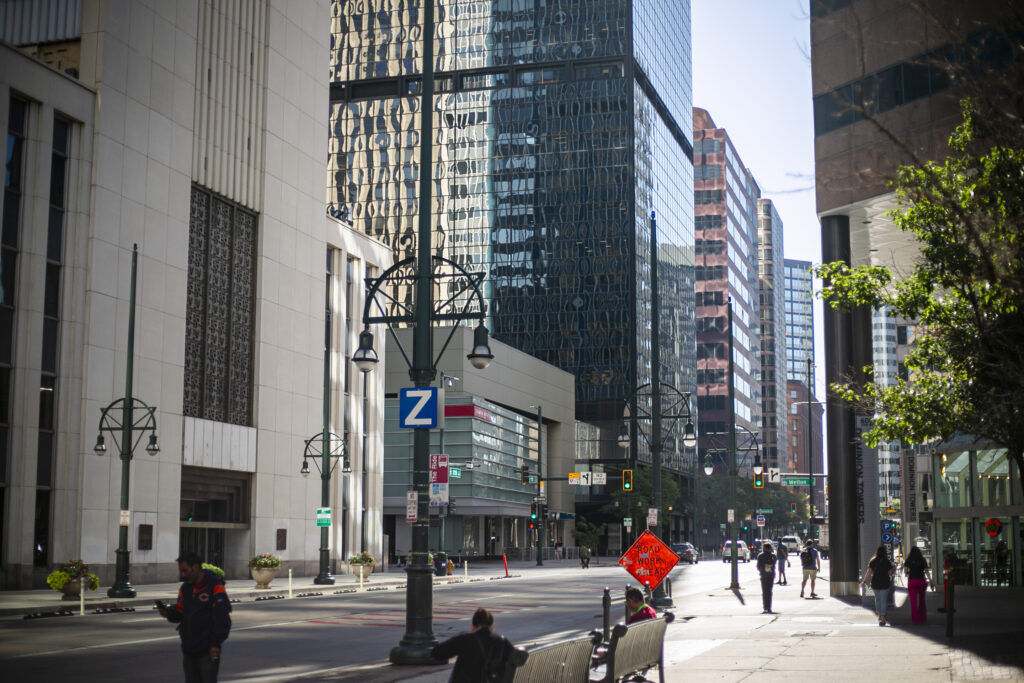
As the most distressed offices continue to struggle paying off loans, the report said there will be more opportunity for new owners to take over the properties and more distressed buildings are in the planning stages for apartment conversions.
In one of the most prominent examples, the Luzzatto Company bought four skyscrapers in Upper Downtown last year at a steep discount, including the Denver Energy Center. The developer now owns up to 1.75 million square feet of downtown’s office real estate, or about 5.5% of downtown’s total inventory.
The development company plans to convert at least three of the buildings into 1,200 units of housing.
The Denver Downtown Development Authority also approved loans to fund the conversion of three buildings in the Central Business District: The Petroleum Building, the historic Symes Building and University Building. Those projects combined could bring more than 414 apartments.
The Luzzatto Co.’s project at 621 and 633 17th St. is also under consideration to potentially get the DDDA’s largest loan yet, The Denver Gazette reported last month. And the Denver Energy Center conversion project is on the organization’s radar.
The new owner of the Denver Place said he’s bullish on Denver.
Office landlords can’t generate demand in times like these, Bianco said. Sometimes the best they can do is beat the competition for the available deals.
But if Denver’s office market begins to catch up to other major cities when it comes to demand, he said there’ll be a “tremendous amount” incoming and they want to be ready for it and also be an attractive place for workers and downtown visitors to hang out.
“We’re happy that we’re able to get in now at a challenging time, because we always like to buy lower and sell higher,” he said.
“It’s a new business technique I’ve invented,” Bianco joked.

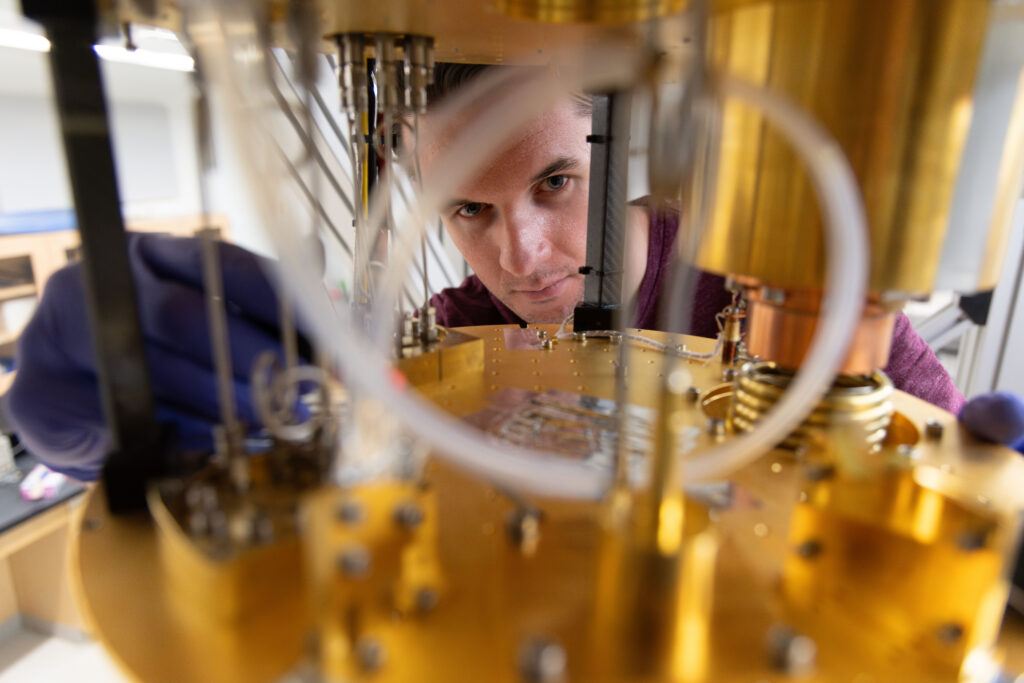
Colorado School of Mines wants to prove a masters isn’t needed to work in quantum
Bernadette Berdychowski
bernadette.berdychowski@denvergazette.com
Updated 4 hours ago
A new program at the Colorado School of Mines aims to fix a major misconception in the budding quantum industry: that a master’s or doctorate degree is required to secure a job in the field. It doesn’t help when nearly...
Bernadette Berdychowski
Reporter
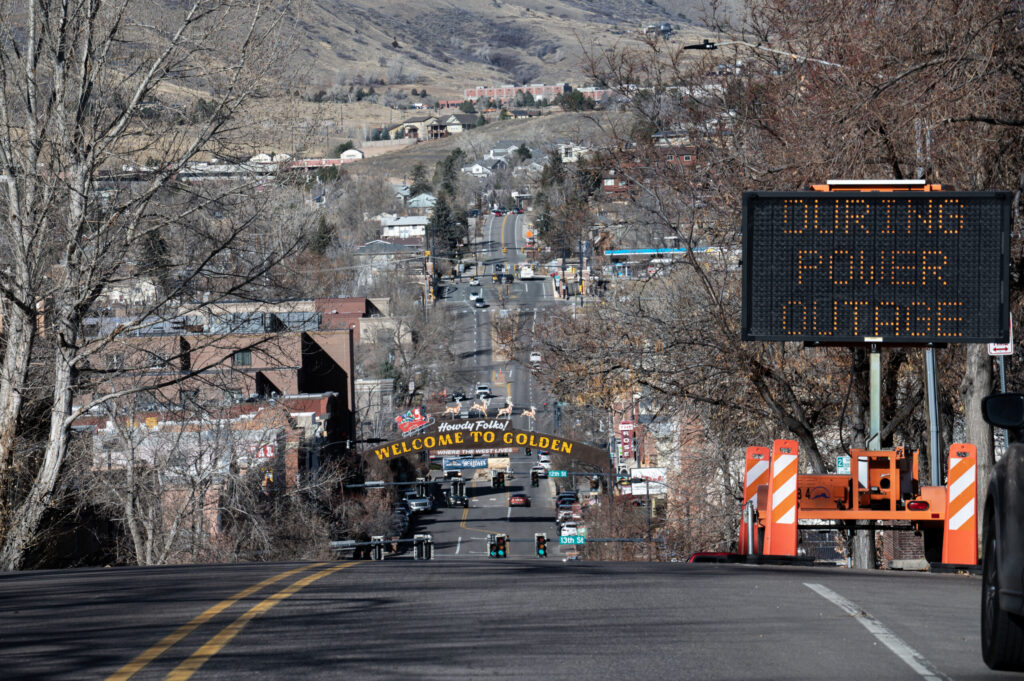
Xcel gets an earful from public for power shutoffs in Colorado
Scott Weiser
scott-weiser@denvergazette.com
Updated 13 hours ago
Residents, business owners and local officials gave Xcel Energy an earful during a hearing convened by Colorado’s utility regulators on Wednesday, accusing the power company of using power shutoffs as a liability dodge that burdens communities. Xcel’s ability to trigger...

Scott Weiser
Reporter
Colorado hit a population milestone in 2025; numbers ‘don’t lie,’ but what do they say?
Stephanie Earls
stephanie-earls@denvergazette.com
Updated 1 day ago
Colorado is: full Standing room only How ‘bout, More crowded than it was but less crowded than we thought? Local takeaways from the U.S. Census Bureau’s most recent data drop are too complex for bumper sticker treatment, but here’s the...

Stephanie Earls
Reporter

We tested vapes in Colorado for signs of hemp. This is what we found.
Chris Osher
chris.osher@gazette.com
Updated 13 hours ago
This article was produced for ProPublica’s Local Reporting Network in partnership with The Denver Gazette. Sign up for Dispatches to get our stories in your inbox every week. Leaders in the Colorado marijuana industry have complained in recent years that...

Chris Osher
Reporter

As slightly lower rates tempt buyers, a bungalow is open in Sunnyside
Mark Samuelson
mark-samuelson@denvergazette.com
Updated 2 days ago
When 30-year fixed-rate mortgages momentarily dipped below 6% last week, real estate agents immediately saw their business pick up. “People were coming off the sidelines. I got three offers today on a listing that had sat on the market earlier...

Mark Samuelson
Reporter
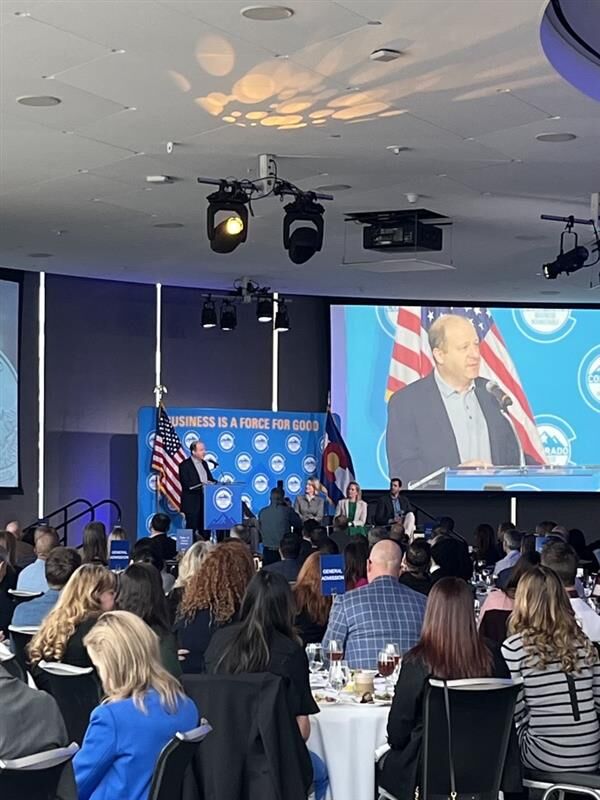
Gov. Polis highlights Colorado’s business climate and affordability during annual gathering
Marissa Ventrelli
marissa-ventrelli@denvergazette.com
Updated 1 day ago
Gov. Jared Polis used his annual meeting with Colorado business leaders on Wednesday to take stock of his time in office, highlighting the state’s pandemic response, ongoing challenges facing downtown economies, and what he described as continued efforts to balance...

Marissa Ventrelli
Reporter
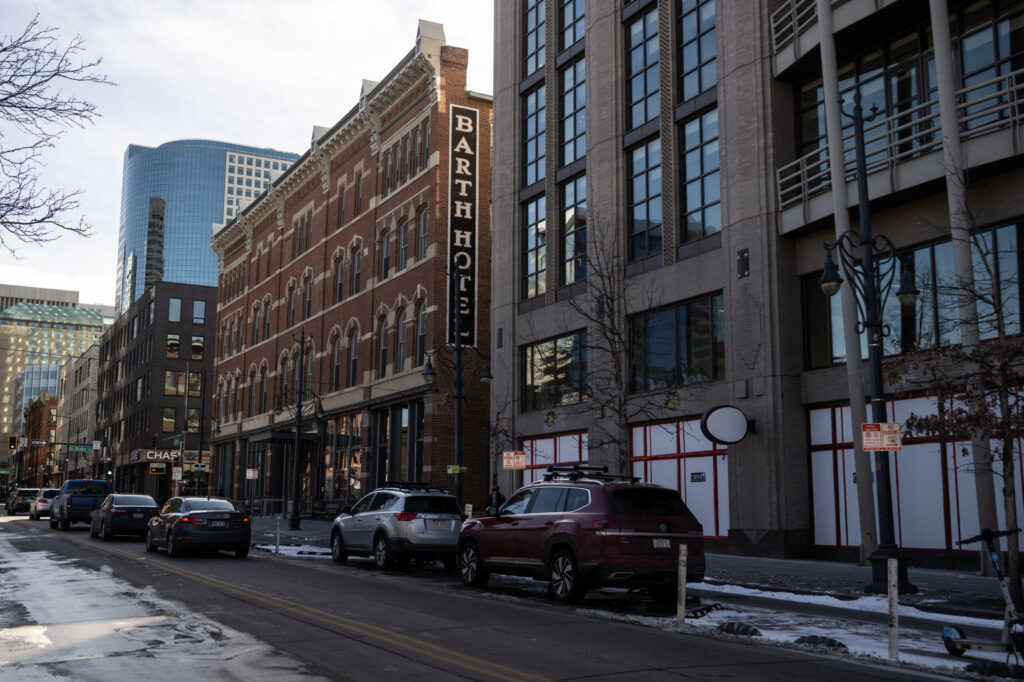
Denver’s historic Barth Hotel to get $6M from downtown authority
Bernadette Berdychowski
bernadette.berdychowski@denvergazette.com
Updated 2 days ago
The board of directors for the Denver Downtown Development Authority voted Tuesday to grant $6 million to the historic Barth Hotel on 17th Street for a senior housing redevelopment project. The historic hotel, nearly as old as Denver’s Union Station...
Bernadette Berdychowski
Reporter
What travelers can expect as Southwest Airlines introduces assigned seats
Rio Yamat
rio.yamat@associatedpress.com
Updated 3 days ago
Southwest Airlines passengers made their final boarding-time scrambles for seats on Monday as the carrier prepared to end the open-seating system that distinguished it from other airlines for more than a half‑century. Starting Tuesday, customers on Southwest flights will have...

Rio Yamat
Reporter
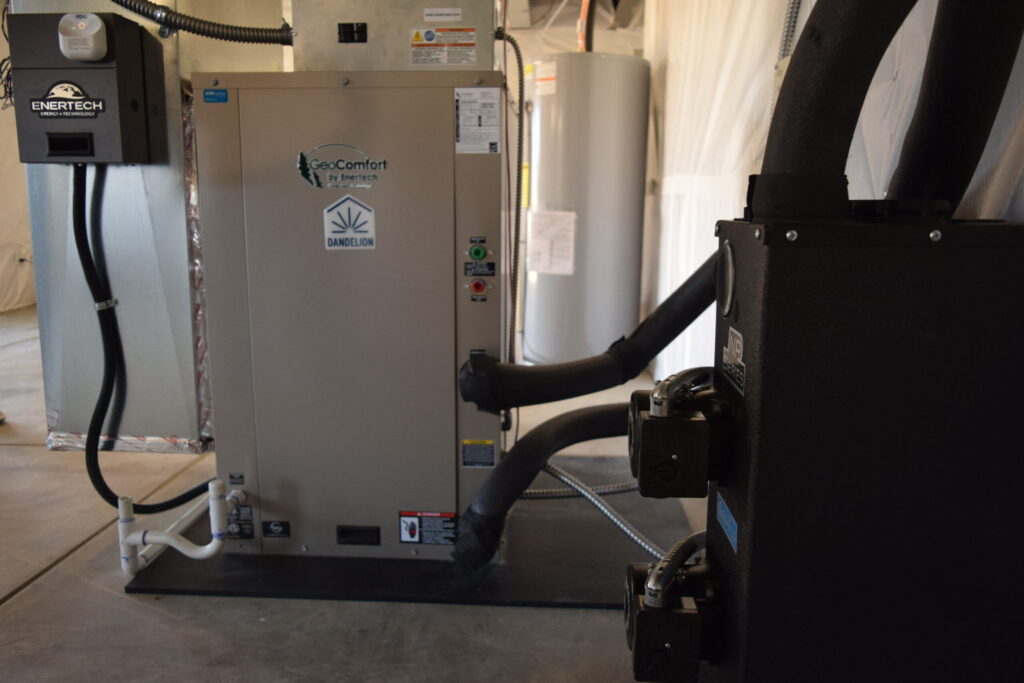
$200M in federal funds to be deployed in Denver area for heat pumps aimed at reducing emissions
Sage Kelley
sage.kelley@denvergazette.com
Updated 1 day ago
The Denver Regional Council of Governments (DRCOG) has officially launched a $200 million program to help reduce carbon emissions with heat pumps. The regional organization announced its new initiative, “Power Ahead Colorado,” which also includes partnerships with the Colorado Energy...

Sage Kelley
Reporter
Denver metro apartment rents fell in 2025, concessions soared
Bernadette Berdychowski
bernadette.berdychowski@denvergazette.com
Updated 13 hours ago
As more new apartments have hit the market, rents have fallen across the metro Denver area. The average rent fell nearly 5% in the last year to about $1,750, according to a fourth-quarter report from the Apartment Association of Metro...
Bernadette Berdychowski
Reporter
PREV
PREVIOUS

Federal judge green-lights excessive force trial against Fort Collins officers
A federal judge concluded last week that a jury will need to resolve whether two Fort Collins police officers violated a man’s constitutional rights by using excessive force after he refused to accept a citation. In a Jan. 21 order, U.S. District Court Judge Charlotte N. Sweeney analyzed the severity of plaintiff Andru Kulas’ alleged […]

Colorado School of Mines wants to prove a masters isn’t needed to work in quantum
A new program at the Colorado School of Mines aims to fix a major misconception in the budding quantum industry: that a master’s or doctorate degree is required to secure a job in the field. It doesn’t help when nearly all quantum degrees and training programs in the U.S. are primarily for graduate students. So […]