EDITORIAL: A scar heals above the Springs
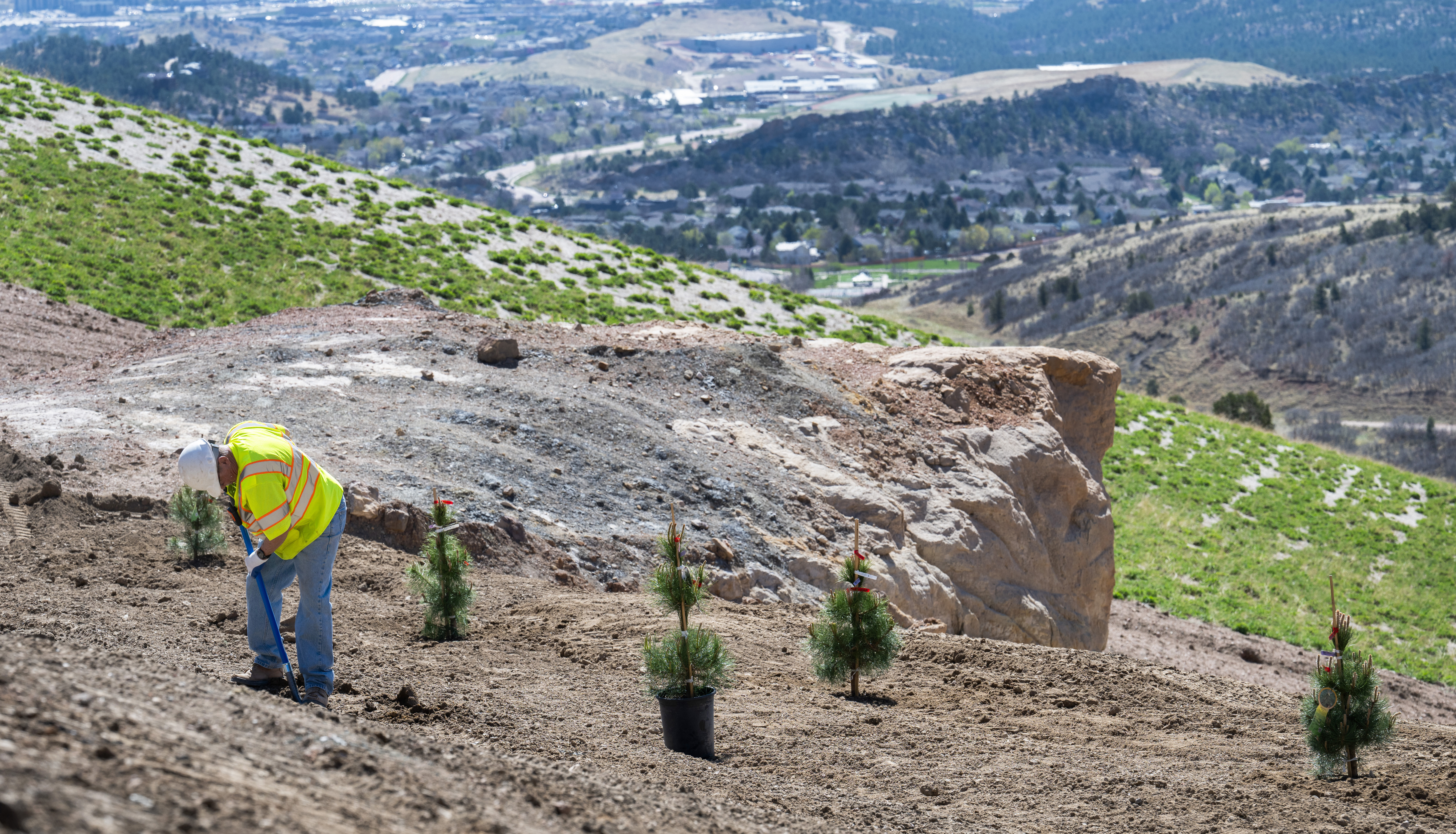
A Gazette report last month summarized the legacy of the Pikeview Quarry on the city’s northwest side with one simple yet accurate word: complicated.
For decades, the “Scar Wars” that were fought over the quarry had cast a shadow over Colorado Springs, much like the barren blight upon the mountainside visible from much of the city.
On one side were environmentalists and civic activists, who not only found the extensive excavation of the mountainside grotesque, but also pointed to the instability of a steep slope with a history of landslides.
On the other side, mine operators and home builders, among others, held the belief the quarry, dating back to 1903, was worth its incalculable weight in rock. Raw material from the mountainside quite literally built much of the city, as well as the Air Force Academy at its feet.
Such is the balance of building a civilization.
The good news all these decades later, and eight years after the quarry closed, is a reclamation project has achieved the closest thing to a dynamic equilibrium reasonable Springs citizens could hope for. They respect the quarry’s past and the role it played in building the community, and now they finally can look beyond it.
As noted in The Gazette’s report, the state’s Division of Reclamation, Mining and Safety has released the slope’s miner of the past half-century, Castle Aggregates, from its permit and bond to reshape and revegetate the slope. It’s a major milestone.
What not so long ago was a barren mountainside at risk of collapsing on itself is now a more gentle slope with knee-deep grass blowing in the wind. In other words, mission accomplished.
A literal mountain-moving project like this, one deemed by experts to be one of the three most challenging geotechnical sites in the state’s history, doesn’t come without a substantial cost. We’re talking 3.4 million cubic yards to grade a gentler, 100-acre slope, nearly 32,000 trees and shrubs, and bushel upon bushel of seed and special matting. The project’s bond rose to near $18 million.
The compromise underscores how reclamation went from idea to reality, in a testament to what is possible politically in a day and age where accord is said to be ever absent. Yes, the process wasn’t as perfect as presented by the city in public-relations messaging, where the idea of turning the quarry into a scenic “world-class” bike park seemed easy. Sure, Castle Aggregates would walk away with millions of dollars after selling its land to the city. And some of the land may have been above appraised value. But as the old adage goes, the sign of a true compromise is one neither side is completely happy with.
And now a ravaged Rocky Mountainside has turned into a landscape of redemption.
The reclamation even has garnered the state mining division’s Jack Starner Memorial Reclamation Award.
“When you’re standing out there and you’re knee-deep in grass in what was a huge, visible detriment,” a division officials told The Gazette, “…it was well deserved.”

EDITORIAL: Don’t leave Coloradans in the dark
The Gazette Editorial Board
thegazette-editorial-board@gazette.com
Updated 15 hours ago
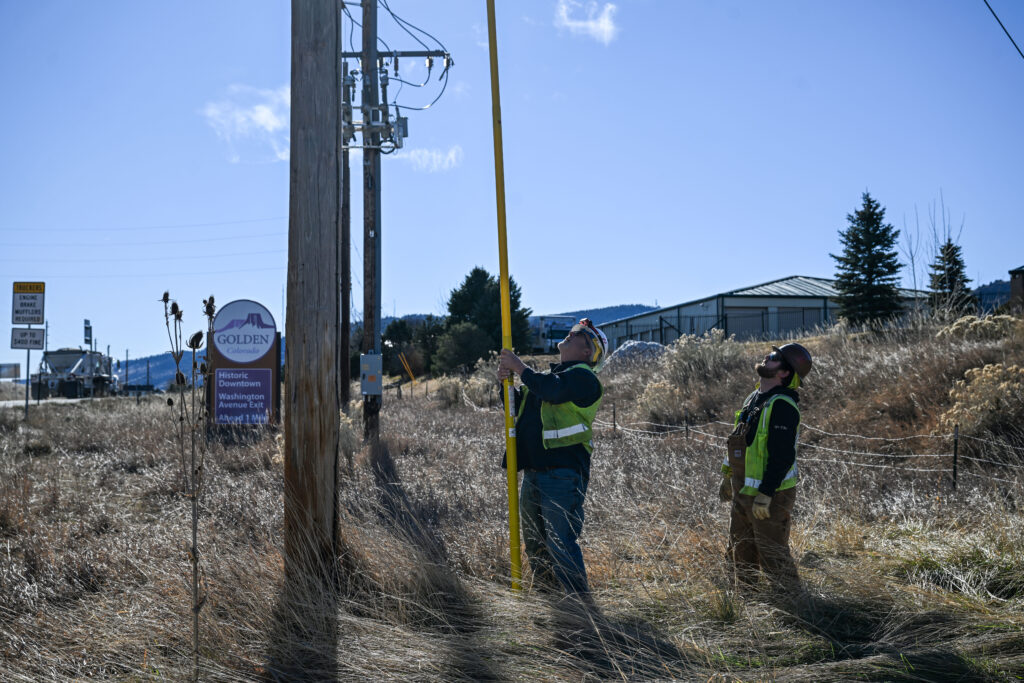
When residents spoke at last week’s meeting of the Colorado Public Utilities Commission, which regulates the state’s utility companies, they gave them an earful about Xcel Energy’s “Public Safety Power Shutoffs” in December. The utility giant — a state-regulated monopoly...
The Gazette Editorial Board
Reporter
EDITORIAL: Defiance of immigration laws will backfire on Colorado
The Gazette Editorial Board
thegazette-editorial-board@gazette.com
Updated 2 days ago
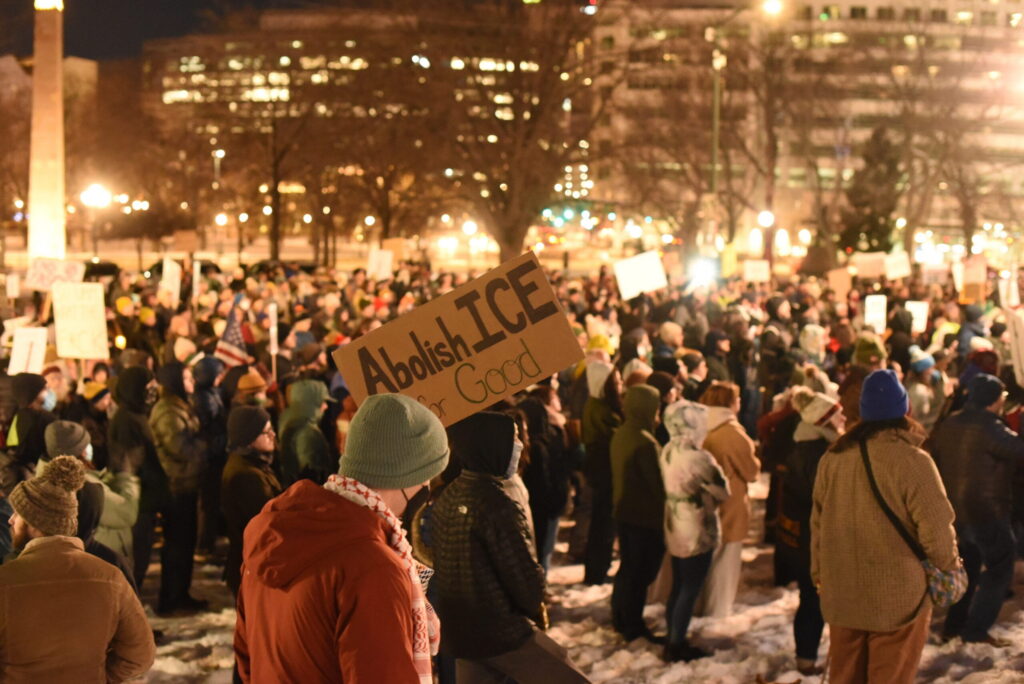
The contempt for law enforcement among ruling Democrats at the State Capitol has escalated — from reckless to delusional. It was in 2020 that the Democratic majority in the legislature, led by its soft-on-crime political fringe, revoked qualified immunity from...
The Gazette Editorial Board
Reporter
EDITORIAL: Applause anew for Polis on school choice
The Gazette Editorial Board
thegazette-editorial-board@gazette.com
Updated 3 days ago
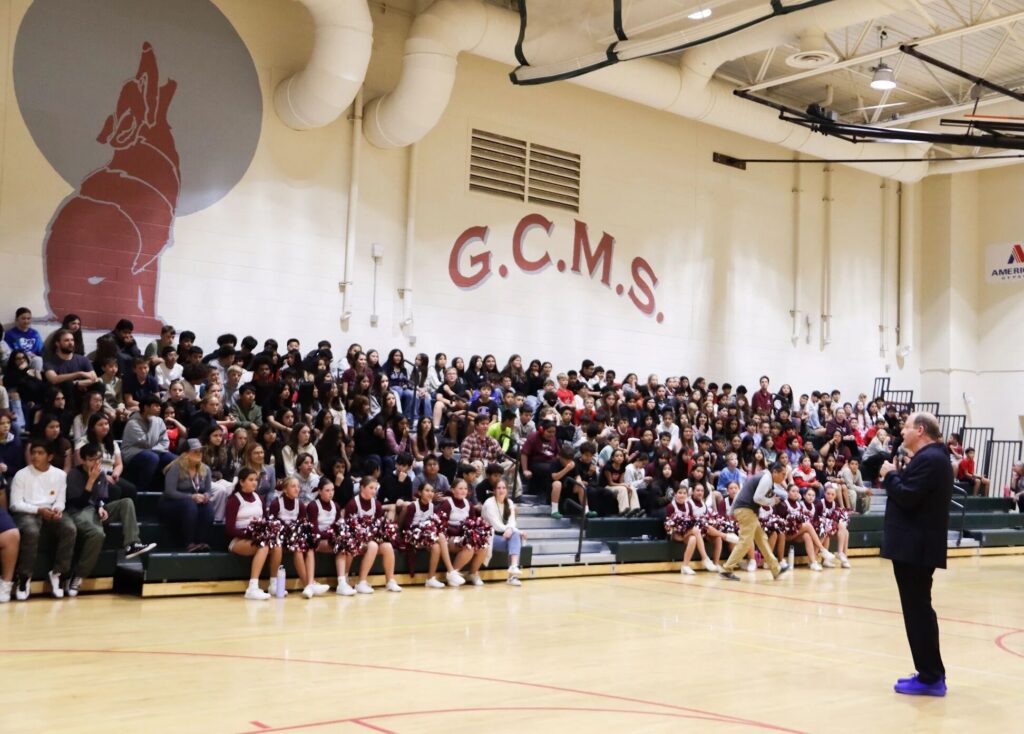
Kudos once again to Gov. Jared Polis for standing up — and sticking out his neck — for a promising federal initiative that incentivizes school choice. Thanks to the governor’s recent decision to OK our state’s participation, Colorado’s kids and...
The Gazette Editorial Board
Reporter

EDITORIAL: Colorado must make way for data centers
The Gazette Editorial Board
thegazette-editorial-board@gazette.com
Updated 6 days ago
Colorado has become a leading state for innovative technology companies to set up shop. The question is: Can — and will — we keep it up? That may depend on whether we’re hospitable to data centers, a critical element of...
The Gazette Editorial Board
Reporter
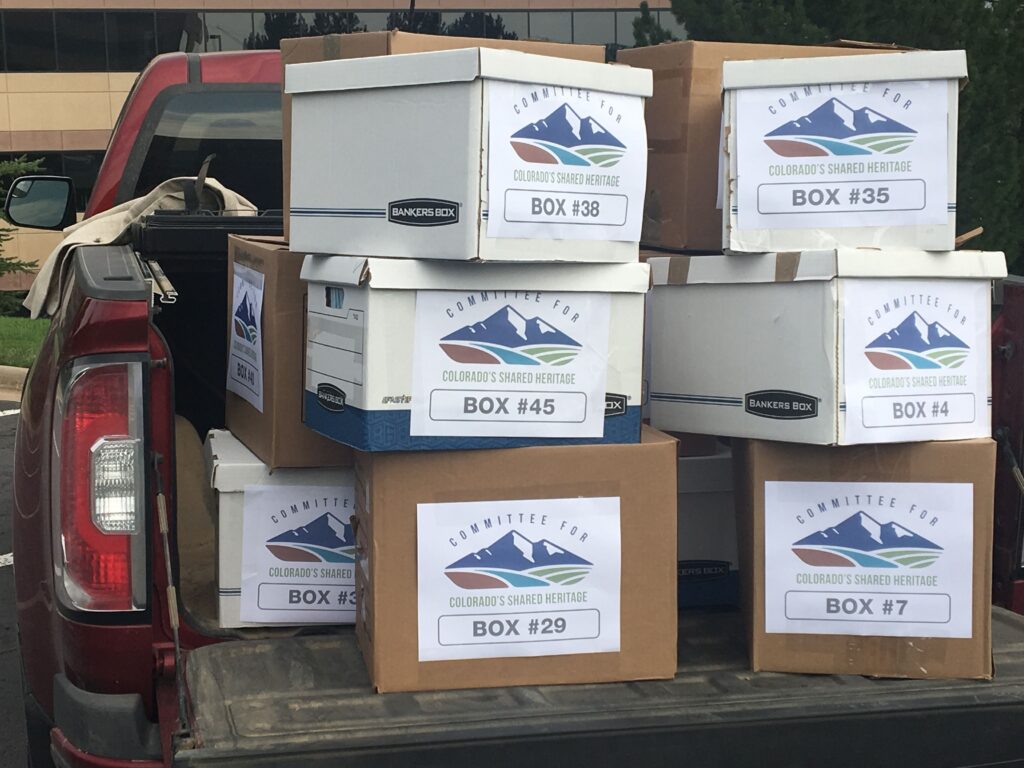
EDITORIAL: A chance to shed Colorado’s sanctuary status
The Gazette Editorial Board
thegazette-editorial-board@gazette.com
Updated 5 days ago
Shooting deaths in Minneapolis involving Immigration & Customs Enforcement’s operations have stirred strong opinions about what to do with illegal immigration in our state and across the country. Many Coloradans are against ICE’s operations in Minneapolis and elsewhere, including here...
The Gazette Editorial Board
Reporter
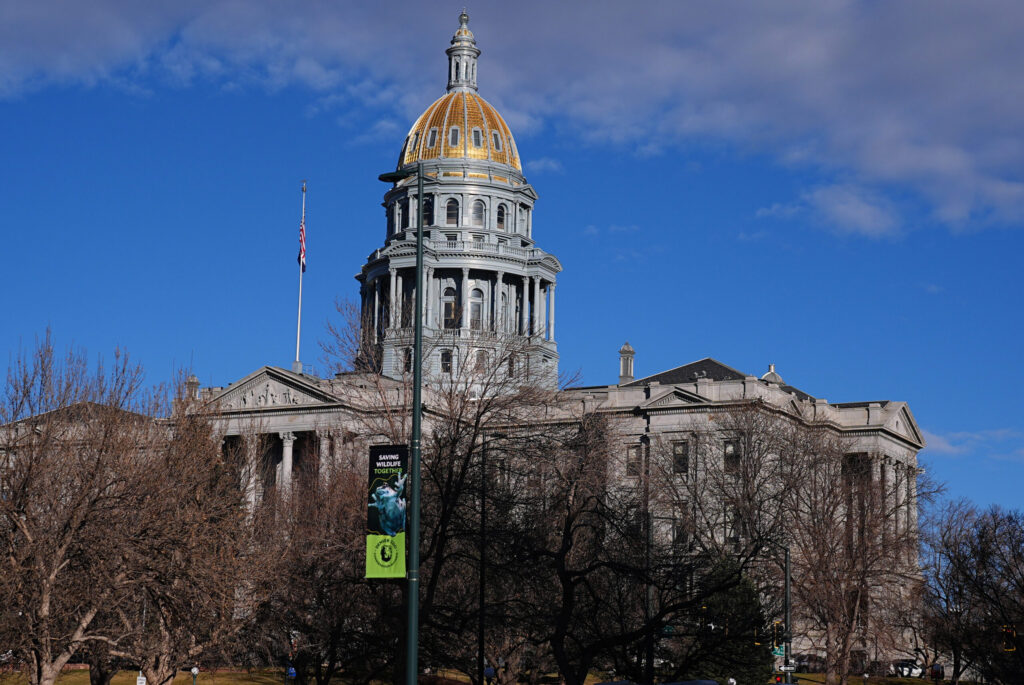
EDITORIAL: Legislative Dems must sidestep the sideshows
The Gazette Editorial Board
thegazette-editorial-board@gazette.com
Updated 7 days ago
Coloradans who had hoped the 2026 legislature would stick to bread-and-butter issues — for a change — will be sorely disappointed. Only weeks into the new session, the noisy fringe among ruling Democrats at the Capitol already appears determined to...
The Gazette Editorial Board
Reporter

EDITORIAL: Declining enrollment, foundering performance at DPS
The Gazette Editorial Board
thegazette-editorial-board@gazette.com
Updated 1 week ago
Fresh data reveals a steeper decline in Colorado’s public-school enrollment, with over 10,000 fewer students this school year. It’s part of a trend that began during the pandemic, when schools lost 30,000 students and never recovered them. The decline is...
The Gazette Editorial Board
Reporter

EDITORIAL: A stock show for the record books — and a showcase for rural Colorado
The Gazette Editorial Board
thegazette-editorial-board@gazette.com
Updated 1 week ago
The historic National Western Stock Show is the one place the ranchers and farmers who feed the rest of Colorado get to strut their stuff on a statewide stage. It should go without saying they have earned their 16 days...
The Gazette Editorial Board
Reporter
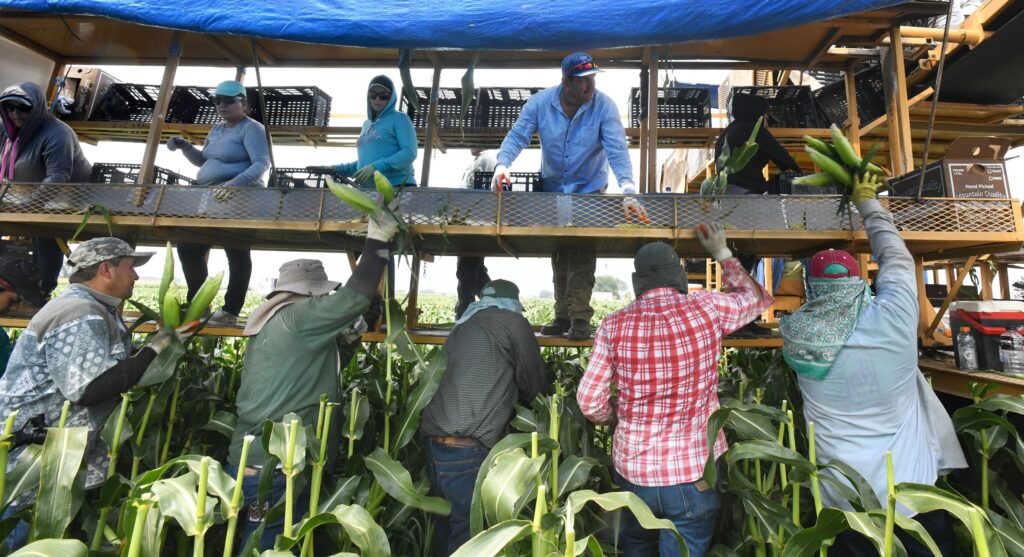
EDITORIAL: Ag remains a cornerstone, linchpin of Colorado’s economy
The Gazette Editorial Board
thegazette-editorial-board@gazette.com
Updated 1 week ago
How important is agriculture to Colorado’s overall well-being? It accounts for about $47 billion a year of our state’s economy, directly or indirectly employing at least 195,000 people. The livestock sector alone — especially ranchers and their cattle — contributes...
The Gazette Editorial Board
Reporter

EDITORIAL: Let’s face it, wolf reintroduction is a failure
The Gazette Editorial Board
thegazette-editorial-board@gazette.com
Updated 2 weeks ago
With the news last week Colorado Parks & Wildlife will not release any wolves this winter, it has become clear the state is at a crossroads with its reintroduction program. Which is as good a place as any to reverse...
The Gazette Editorial Board
Reporter