







Male wolf dies after capture attempt in Colorado
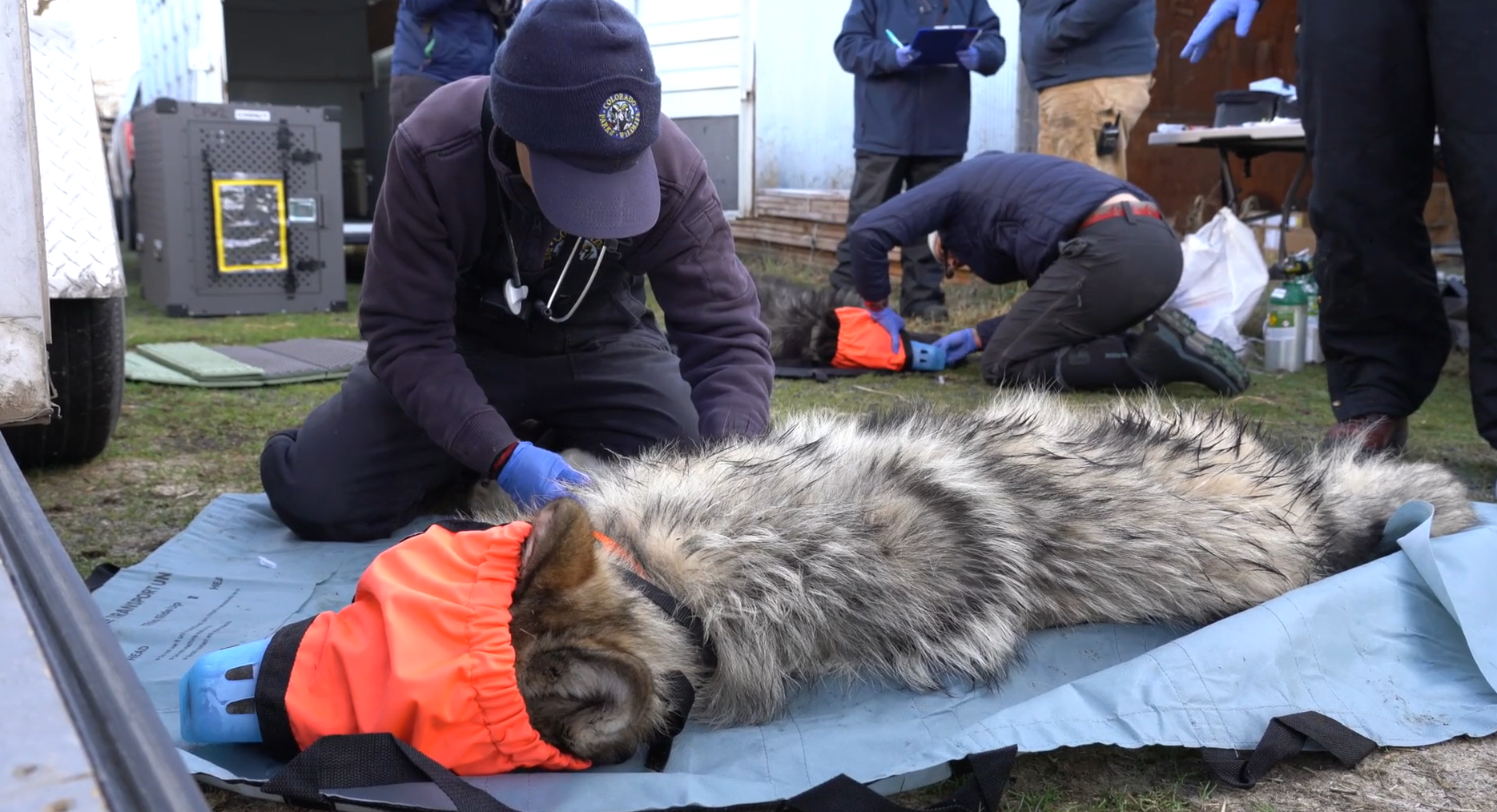
One of the original wolves brought to Colorado from Colorado has died after an attempt to capture it, the’s state wildlife agency said.
The Colorado Parks and Wildlife identified the wolf as No. 2305 — meaning it was one of the original 10 animals that came from Oregon.
The wolf, the male of the breeding pair that produced the King Mountain pack last year, died on Jan. 28 in Routt County, authorities said.
The state obtained permission from the U.S. Fish & Wildlife Service to perform the necropsy on the wolf, and final results and lab tests are pending, according to state officials. The necropsy will help determine if there were any underlying conditions that contributed to the wolf’s death.
According to wildlife authorities, staffers attempted to capture and collar some of the King Mountain pack, which consisted of a mating pair and four pups, due in part to low batteries in the collars of the mating pair. The adult female and one pup were successfully captured and collared during the operation.
An independent third-party veterinary pathologist was in attendance for the necropsy and confirmed all exam results, the state said.
The autopsy suggested the wolf died from acute cardiogenic shock, possibly exacerbated by several different factors, including hyperthermia, exertional or capture myopathy, respiratory distress, or drug reaction.
After the wolf was captured, he was observed to be running a fever, and cooling measures were initiated. However, the wolf had no pulse and wasn’t breathing, authorities said.
Wildlife staff spent 20 minutes trying to revive the wolf, using emergency drugs intended to increase the heart rate, to no avail.
In a statement, new Colorado Parks and Wildlife Director Laura Clellan said her staff went through every detail, trying to find out why the male wolf died, while the female of the mating pair experienced no issues.
“The evidence and facts within the reports still don’t definitively point to a specific reason why the male wolf experienced such a high level of distress,” she said. “We have a top-notch professional team, and this situation has been tough on everyone involved. I have the utmost confidence in our staff and we will continue to work hard to achieve our mandate of restoring a sustainable population of gray wolves in Colorado.”
Wolves in Colorado have killed more than five dozen calves, heifers, sheep and dogs since the wolf reintroduction program was launched with the release of the five Oregon wolves in December 2023. Some of the wolf depredations during that period occurred in Jackson County, where wolves migrated south from Wyoming.
Of the original 10 wolves from Oregon, five have now died. Another seven of the original 15 British Columbia wolves have also died.
A yearling wolf from the Copper Creek pack also died, shot by wildlife staff after it killed multiple livestock. Another yearling was shot for the same reason, but according to the Fort Collins Coloradan, that wolf not only survived being shot in August but, as of October, was still killing livestock and evading capture by wildlife authorities.


Man sentenced to 42 years for second-degree murder
Maren Prince
maren.prince@denvergazette.com
Updated 32 minutes ago
A man received a 42-year sentence for second degree murder, according to Denver’s district attorney. Ernest Cunningham was convicted of second-degree murder last year after shooting and killing 23-year-old Kelsey Roberts in June 2024, authorities said, adding he had intended...

Maren Prince
Reporter
Mother of young handyman pleads for help to replace son’s stolen tools
Jacob Mauk
jacob.mauk@denvergazette.com
Updated 41 minutes ago
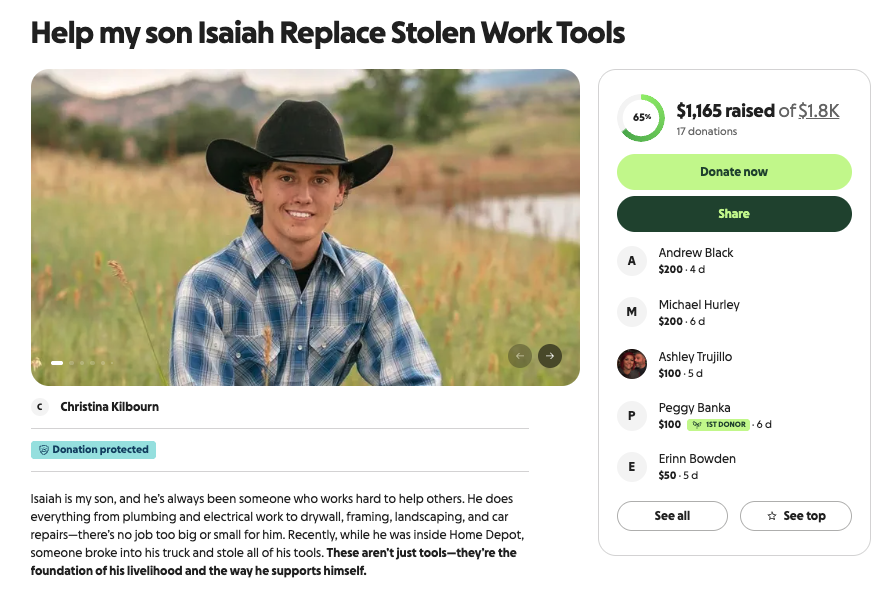
The online community is raising money to help Isaiah Kilbourn, a young handyman, replace his stolen tools through a GoFundMe posting. Kilbourn’s family said he does everything from plumbing to drywall. While he was shopping at a Home Depot store,...

Jacob Mauk
Reporter

Iranians in Colorado weigh in on Khamenei’s death
Mark Samuelson
mark-samuelson@denvergazette.com
Updated 12 minutes ago
As the joint U.S.-Israeli attack on Iranian targets continued into a second day following the death of leader Ayatollah Khomeini, Iranians living in Denver weighed in, saying they welcome the opportunity for a regime change in the Islamic Republic. “The...

Mark Samuelson
Reporter
Wildfire near Chautauqua Park is 100% contained, Boulder Fire says
Bernadette Berdychowski
bernadette.berdychowski@denvergazette.com
Updated 3 hours ago
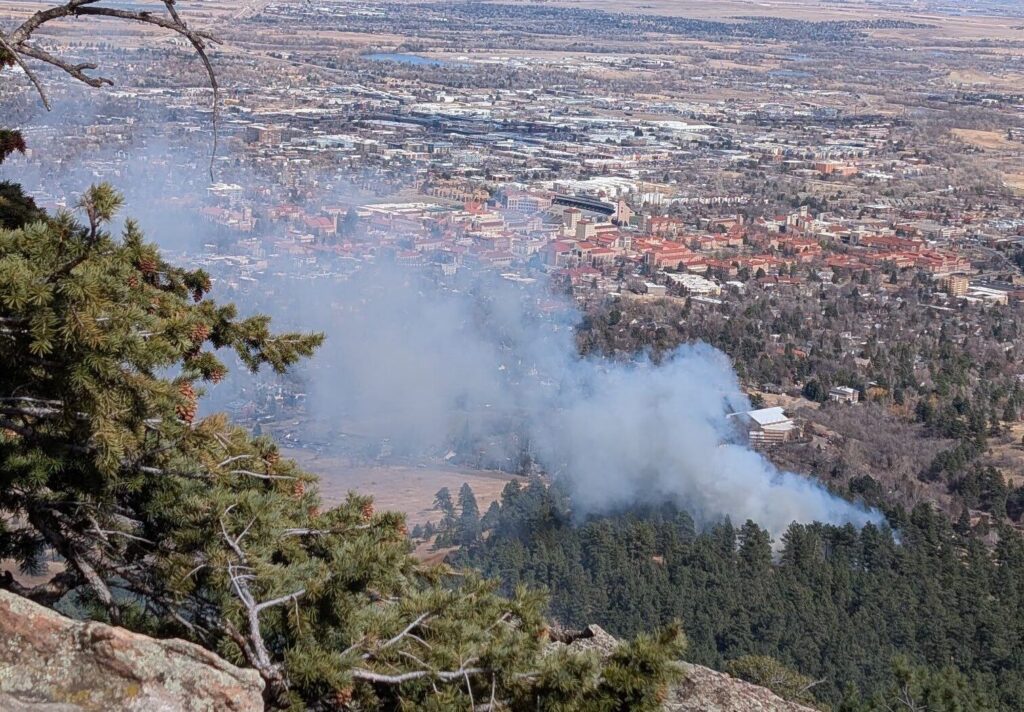
The Bluebell Fire near Chautauqua Park in southwest Boulder is 100% contained, Boulder Fire announced on X in a post late Saturday afternoon. “There are no active flames and crews are in mop up,” Boulder Fire said. The response team...

Bernadette Berdychowski
Reporter
A Colorado Life: Janelle Orsborn’s final message: ‘Definitely live big’
John Moore
john.moore@denvergazette.com
Updated 3 hours ago
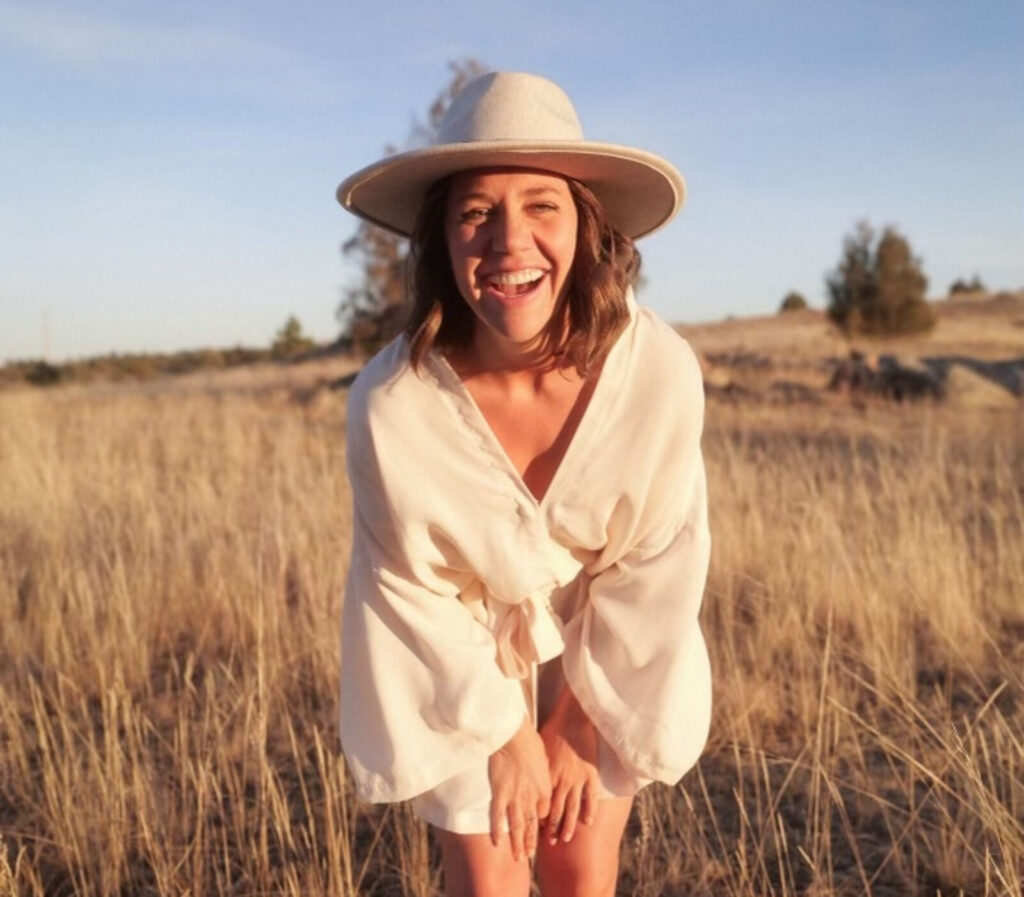
Actor, author and former Miss Colorado’s Teen fit a lot into her ambitiously adventurous and tragically abbreviated 33 years Janelle Orsborn was big sister to Anna, Abigail, Jake, Daniel and Natalie. But really, says Abigail: “Janelle was a big sister...

John Moore
Reporter

Democrat Michael Bennet turns in petitions for Colorado’s gubernatorial primary, plans to skip caucuses
Ernest Luning
ernest-luning@denvergazette.com
Updated 3 hours ago
U.S. Sen. Michael Bennet, a Democratic candidate for governor, submitted nominating petitions for Colorado’s June primary ballot on Friday, his campaign and the Colorado Secretary of State’s Office said. Bennet plans to rely on his petitions to get on the...

Ernest Luning
Reporter
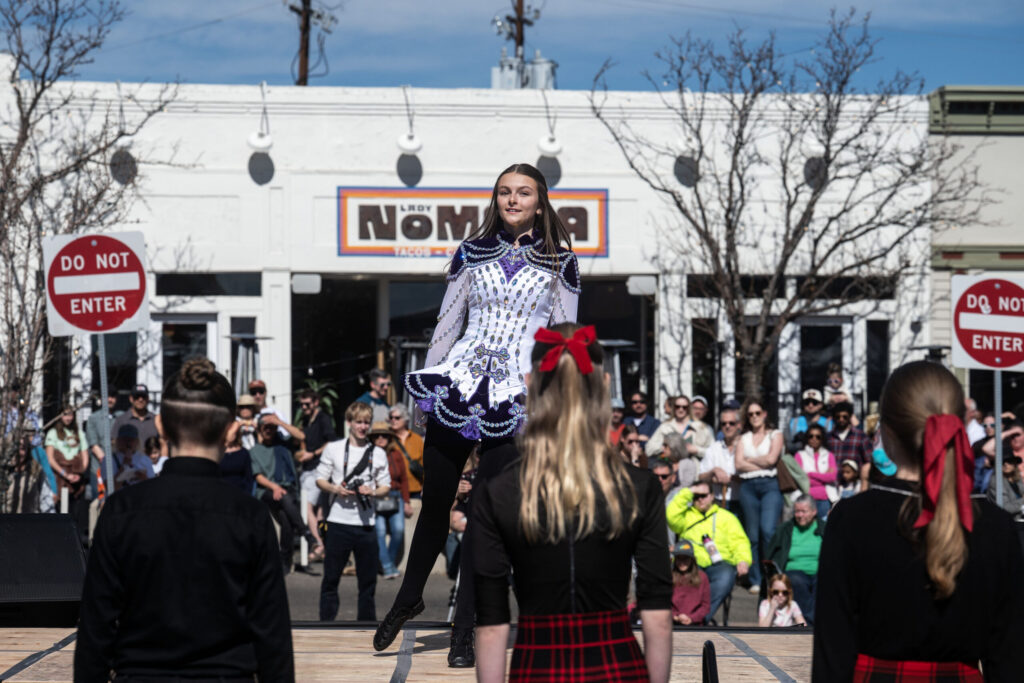
Arvada holds annual Winterfest amid summer-like weather
Michael Braithwaite
michael.braithwaite@gazette.com
Updated 21 hours ago
The crowd in Arvada’s Olde Town Square was largely wearing t-shirts, tank tops and shorts Saturday morning as temperatures neared 70 degrees. Perfect weather for an event called Winterfest. The annual multicultural winter celebration returned to downtown Arvada Saturday, bringing...

Michael Braithwaite
Reporter
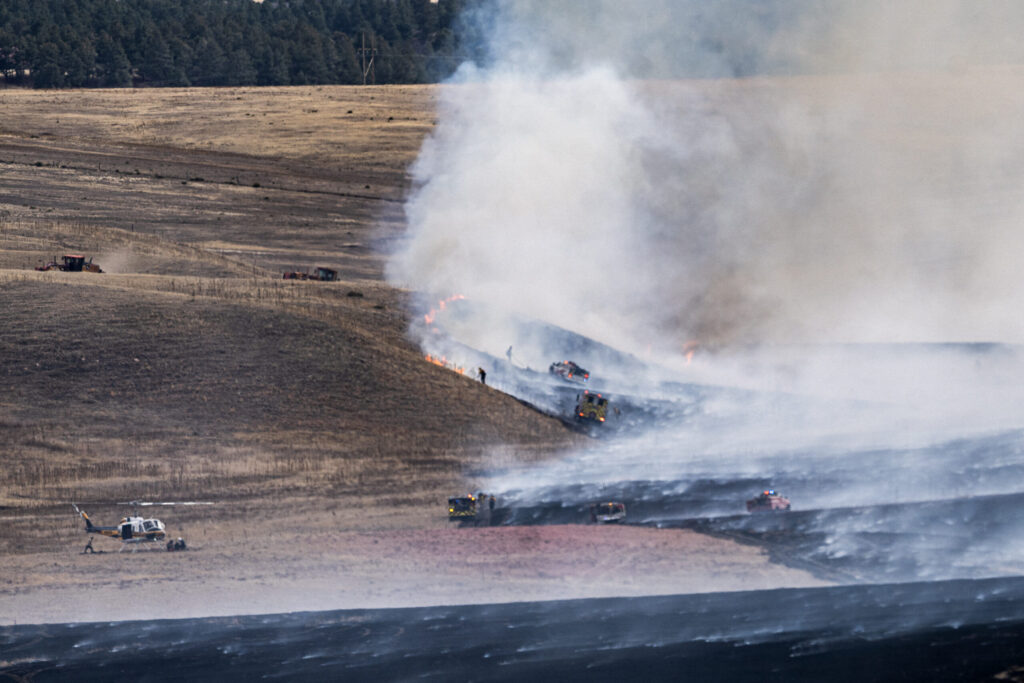
Boulder wildfire sparks near Chautauqua Park, evacuations ordered
Michael Braithwaite
michael.braithwaite@gazette.com
Updated 22 hours ago
A wildfire sparked near Chautauqua Park in southwest Boulder Saturday, the fifth new Denver-area fire to spark in five days. The fire, which officials estimated to be up to five acres before dropping that estimate to 1.5 acres after aerial...
Michael Braithwaite
Reporter
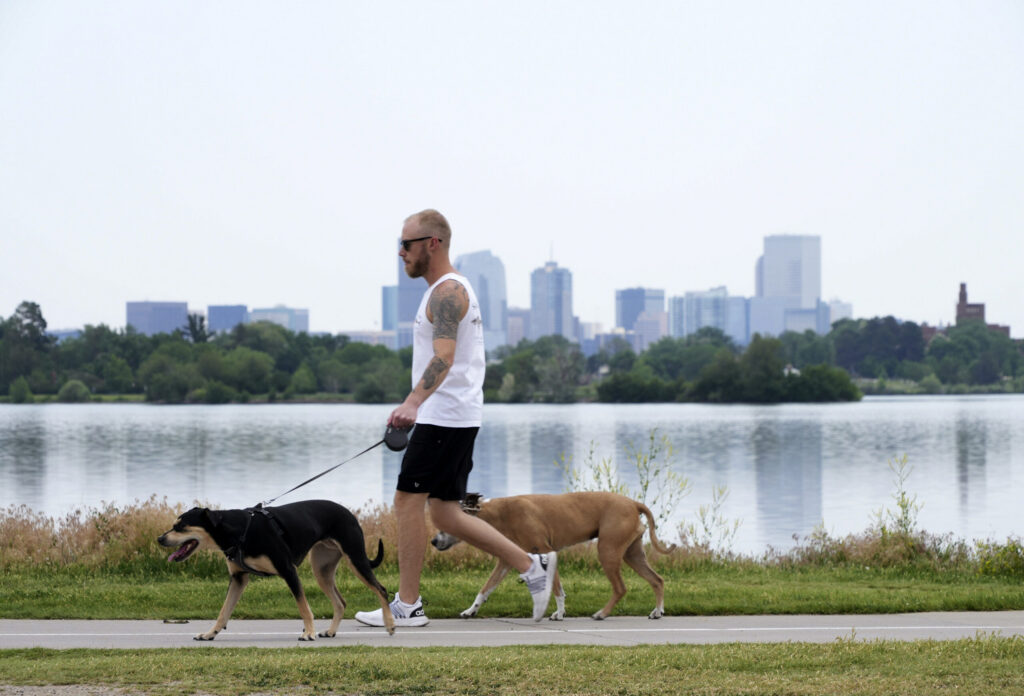
Denver’s February likely third warmest in 70 years, experts say
Michael Braithwaite
michael.braithwaite@gazette.com
Updated 3 hours ago
Denver will likely finish this February recording one of the highest average temperatures on record for the month, a National Weather Service official said. Denver’s average of 41.7 degrees Fahrenheit this February places it third-warmest on record, behind only 42.3...
Michael Braithwaite
Reporter

Colorado Republicans, Democrats clash over Iran military operation
Thelma Grimes
thelma.grimes@coloradopolitics.com
Updated 19 hours ago
Colorado’s congressional delegation split sharply along party lines Saturday after the U.S. and Israel attacked Iran, triggering a fresh debate in America over presidential war powers. Trump announced early Saturday morning that U.S and Israeli forces had begun “Operation Epic...

Thelma Grimes
Reporter
PREV
PREVIOUS
Wildfire near Chautauqua Park is 100% contained, Boulder Fire says
The Bluebell Fire near Chautauqua Park in southwest Boulder is 100% contained, Boulder Fire announced on X in a post late Saturday afternoon. “There are no active flames and crews are in mop up,” Boulder Fire said. The response team will continue to monitor the area through Sunday, according to the 6:30 p.m. update. Officials […]

Iranians in Colorado weigh in on Khamenei's death
As the joint U.S.-Israeli attack on Iranian targets continued into a second day following the death of leader Ayatollah Khomeini, Iranians living in Denver weighed in, saying they welcome the opportunity for a regime change in the Islamic Republic. “The majority of Iranians not only in Colorado but in Europe and inside Iran are celebrating […]